Home
Home
2026 Style Report: New Trendy Designs for Shirts Dominating the Market
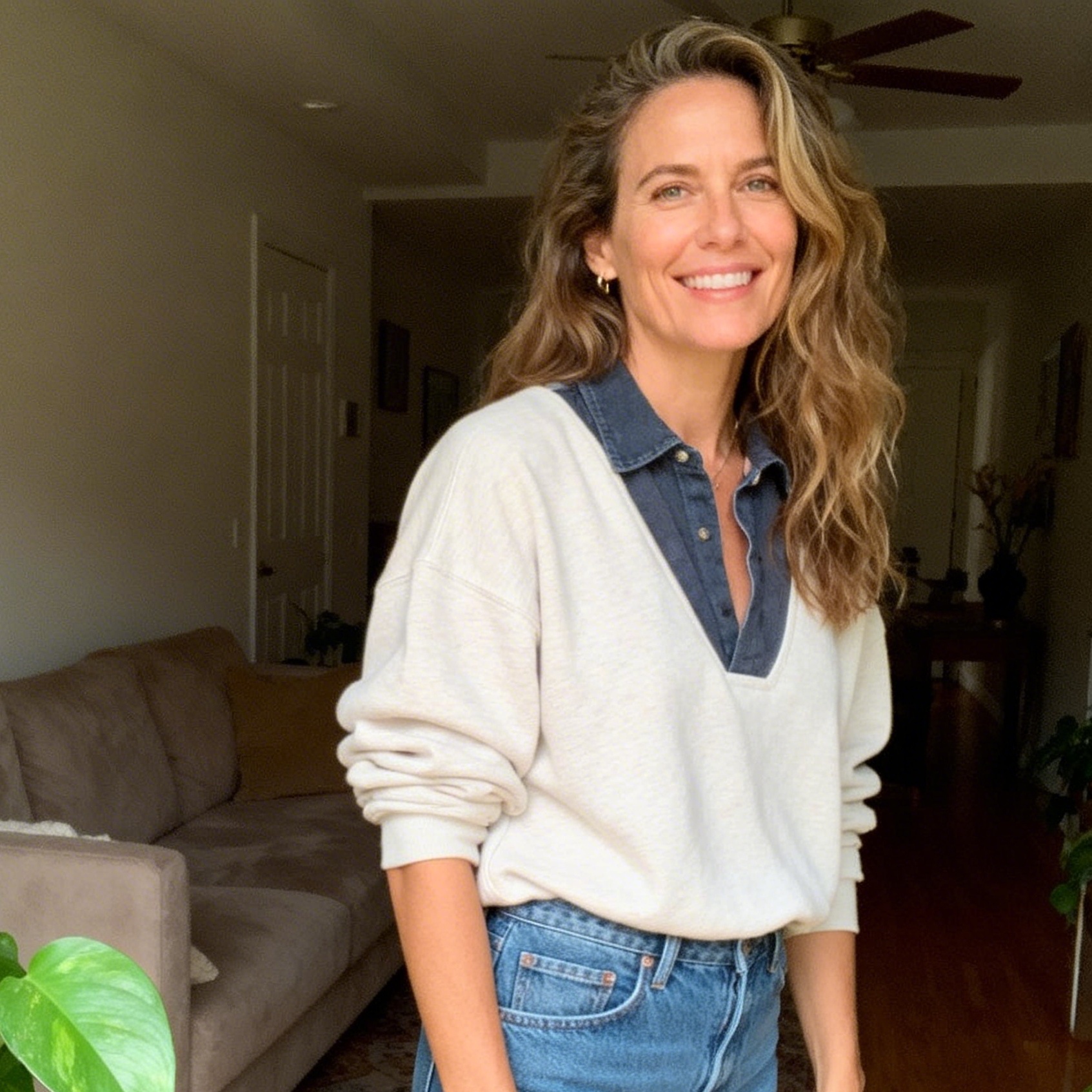
2026 Style Report: New Trendy Designs for Shirts Dominating the Market
The landscape of apparel design in early 2026 is defined by a sophisticated tension between digital precision and raw, organic textures. As the fashion industry moves further into the decade, the demand for trendy designs for shirts has shifted from mass-market generic graphics to highly personalized, culturally resonant visual statements. The current market rewards designs that tell a story, whether that story is rooted in technological optimism, environmental urgency, or a deep-seated nostalgia for the digital dawn.
The Evolution of Nostalgia: Beyond Y2K
While the previous years were dominated by the heavy glitter and chrome of the early 2000s (Y2K), 2026 marks the definitive rise of "Frutiger Aero" and late-aughts aesthetics in shirt design. This trend focuses on a sanitized, optimistic view of technology from the 2005-2010 era. Designers are utilizing glossy textures, water droplets, bubbles, and vibrant greens and blues to evoke a sense of futuristic clarity. These trendy designs for shirts often feature glassy icons and skeuomorphic elements that feel tactile yet digital.
In addition to this tech-nostalgia, the "Indie Sleaze" revival has matured. It has moved away from simple flash-photography aesthetics into a more curated, grunge-inspired graphic style. Think distressed typography, high-contrast monochrome portraits, and intentional "low-quality" textures that suggest an analog, rebellious spirit. For brands targeting Gen Z, these designs offer a sense of authenticity in an increasingly AI-generated visual world.
Solar-punk and the New Nature Aesthetic
Nature-inspired themes remain a staple, but the execution in 2026 has transitioned toward "Solar-punk." This movement envisions a future where technology and nature live in perfect harmony. Trendy designs for shirts in this category avoid the traditional, muted "earth tones" of the past. Instead, they embrace bioluminescent neons—electric purples, glowing cyans, and acidic greens—layered over botanical illustrations.
Specific flora and fauna choices have also become more niche. Standard floral patterns are being replaced by intricate mushroom networks (mycelium art), deep-sea organisms like nudibranchs, and microscopic life forms. There is a growing appreciation for the "weirdly beautiful" aspects of biology. These designs often utilize fine-line detailing and iridescent foils to capture the shimmering quality of biological surfaces, appealing to consumers who value scientific curiosity and environmental consciousness.
Kinetic Typography and the Power of the Written Word
Typography has transcended its role as a mere carrier of information to become the central artistic element. In 2026, trendy designs for shirts frequently employ "Kinetic Typography"—text that appears to be in motion. This is achieved through stretching, warping, and melting effects that give static fabric a dynamic, fluid feel.
We are seeing a resurgence of 1970s-style "bubble" fonts and psychedelic lettering, but with a modern, high-definition twist. These fonts are often paired with heavy outlines and drop shadows to create a 3D effect. On the other end of the spectrum, minimalist serif fonts are being used in unconventional layouts—running down the spine of the shirt, wrapping around the side seams, or concentrated in tiny, high-density placements on the collar. The message itself has shifted from simple slogans to "micro-poetry" or cryptic, philosophical phrases that invite the viewer to linger and think.
Digital Surrealism and AI-Enhanced Artistry
As generative tools have become integrated into the design workflow, a new genre of "Digital Surrealism" has emerged. These trendy designs for shirts feature impossible architectures, dream-like landscapes, and hybrid creatures that defy biological logic. The aesthetic is characterized by hyper-realism combined with nonsensical subject matter.
One popular subset of this trend is the "glitch art" movement, which intentionally introduces digital artifacts—pixel sorting, color bleeding, and scan lines—into traditional portraits or landscapes. This style resonates with a demographic that has grown up in a digital-first environment, reflecting the fragmented nature of modern online identity. The key to making this work on apparel is the contrast: placing highly complex, chaotic digital art on a clean, structured garment like a heavyweight boxy tee.
The Rise of Maximalist Composition
The "less is more" philosophy is currently being challenged by a bold wave of maximalism. Trendy designs for shirts in 2026 often cover the entire garment, utilizing "all-over printing" (AOP) techniques. These compositions are chaotic yet calculated, layering multiple graphic styles—such as a vintage postcard, a modern abstract shape, and a bold piece of text—into a single, cohesive mess.
This "scrapbook" aesthetic allows for high levels of storytelling. For example, a shirt might feature a collection of small, seemingly unrelated doodles that, upon closer inspection, represent a specific city's culture or a hobbyist's obsession. The use of clashing colors and overlapping textures creates a visual feast that stands out in social media feeds, making it a favorite for influencer-led streetwear brands.
Minimalist Line Art: The Sophisticated Alternative
For the consumer who finds maximalism overwhelming, the evolution of minimalist line art provides a sophisticated alternative. In 2026, this trend has moved away from the "Picasso-lite" faces of previous years toward more technical, architectural drawings. Fine, single-weight lines are used to depict complex objects—mechanical parts, topographic maps, or celestial constellations.
These designs often utilize a "blind contour" style, where the lines are continuous and slightly imperfect, suggesting the hand of the artist. The color palette here is strictly controlled, often involving tonal variations of a single color (e.g., navy blue lines on a light blue shirt). This subtle approach makes the shirt versatile, suitable for both casual wear and more professional environments where a traditional graphic tee might be too loud.
Subject Matter: Niche Obsessions and Micro-Communities
One of the most significant shifts in trendy designs for shirts is the move toward hyper-specificity. General themes like "travel" or "music" are being replaced by designs dedicated to niche hobbies and micro-communities.
- Retro-Gaming and Pixel Art: 8-bit and 16-bit graphics are no longer just for "gamers." They are used as a stylistic choice to represent a digital heritage, often combined with modern streetwear elements.
- Culinary Art: High-fidelity illustrations of specific dishes—ramen bowls, vintage sardine cans, or artisanal pastries—have become a massive trend. These designs often use a "vintage advertisement" aesthetic, combining food illustration with retro typography.
- Astrology 2.0: Moving past simple zodiac signs, 2026 designs incorporate complex birth charts, lunar phases, and alchemical symbols. The look is dark, occult, and sophisticated, often utilizing metallic inks on black or charcoal fabrics.
Construction, Materials, and the "Vibe" of the Garment
A design is only as good as the canvas it sits on. In 2026, the trend in shirt construction is leaning heavily toward weight and texture. The "boxy fit" remains dominant, but there is an increased focus on heavyweight cotton (240-300 GSM) that provides a structured silhouette, allowing the design to sit flat without draping or distorting.
Sustainability is no longer a marketing buzzword but a design requirement. Trendy designs for shirts are increasingly printed using water-based inks that sink into the fabric rather than sitting on top (plastisol). This creates a "soft-hand" feel that consumers prefer. Furthermore, the use of "deadstock" fabrics and recycled cotton blends introduces natural variations in the shirt's texture, which designers are incorporating into their art—for example, using the speckled texture of recycled grey marl as part of a snowy landscape design.
Strategic Color Palettes for 2026
Color trends are moving in two distinct directions. On one hand, there is a demand for "Digital Pastels"—shades that look like they are being viewed on a high-brightness OLED screen. Think mint greens, soft lavender, and pale corals that have a slight "glow" to them.
On the other hand, "Earth-Crust Tones" are surging in popularity. These are deep, saturated colors inspired by minerals and geology: burnt ochre, deep malachite green, and raw umber. These colors provide a grounded, premium feel that works exceptionally well with minimalist line art or solar-punk themes. The trend is to move away from primary colors (red, blue, yellow) in favor of these more complex, nuanced shades.
Tailoring Designs to Different Demographics
When developing trendy designs for shirts, it is essential to consider the generational nuances of the 2026 market:
- Gen Z: Prefers high-impact, ironic, or deeply nostalgic designs. They are the primary drivers of the Frutiger Aero and Indie Sleaze revivals. They value authenticity and are likely to support designs that have a "DIY" or "bootleg" aesthetic.
- Millennials: Gravitate toward the "New Nature" and "Sophisticated Minimalist" trends. They appreciate high-quality materials and designs that can transition from a remote-work setting to social outings. They are also the most likely to invest in the "Micro-Poetry" typography trend.
- Alpha Generation: As they enter their teens, this group is looking for hyper-digital, gaming-influenced designs. Their aesthetic is shaped by virtual worlds like Roblox and Fortnite, favoring high-contrast, kinetic visuals that look good in digital spaces (video calls and social clips).
Practical Recommendations for Creating Designs that Sell
To succeed in the current market, creators should consider the following approaches without being overly prescriptive:
- Iterate on Feedback: Using social media to test "design drops" before full production can help gauge interest in specific niche subjects. If a design featuring a specific deep-sea creature gains traction, it may be worth expanding into a full collection.
- Focus on Placement: Traditional chest-center prints are being challenged. Experimenting with "wrap-around" prints that go from the front to the back, or small "hidden" designs on the inside hem, can add a layer of discovery that consumers appreciate.
- Balance Complexity and Wearability: While maximalism is a trend, the most successful designs maintain a clear focal point. Too much visual noise without a central anchor can make a shirt difficult to style.
- Incorporate Mixed Media: Combining different printing techniques—such as a standard screen print with a small area of embroidery or a reflective 3D patch—can significantly increase the perceived value of the shirt.
Conclusion
Trendy designs for shirts in 2026 are a reflection of a society that is deeply interconnected, technologically advanced, and increasingly conscious of its environmental footprint. Whether through the lens of digital nostalgia, botanical surrealism, or kinetic typography, the most successful designs are those that offer more than just a visual; they offer a connection to a specific cultural moment or a personal passion. By understanding the shift toward niche subject matter and the evolution of digital-inspired aesthetics, designers and brands can create apparel that resonates with the diverse and discerning audience of today.
-
Topic: Popular Shirt Designs for Graphic T-Shirts in 2025 - Shopify Singaporehttps://www.shopify.com/sg/blog/popular-shirt-designs
-
Topic: 22 Popular Shirt Designs: Trending Styles For 2025 | Ecommerce Fastlanehttps://ecommercefastlane.com/my/22-popular-shirt-designs-trending-styles-for-2025/
-
Topic: trendy shirt designs | Whimsical T-Shirtshttps://www.whimsytee.com/journal/tags/trendy-shirt-designs