Home
Home
7 AI Lip Sync Tools That Actually Look Natural in 2026
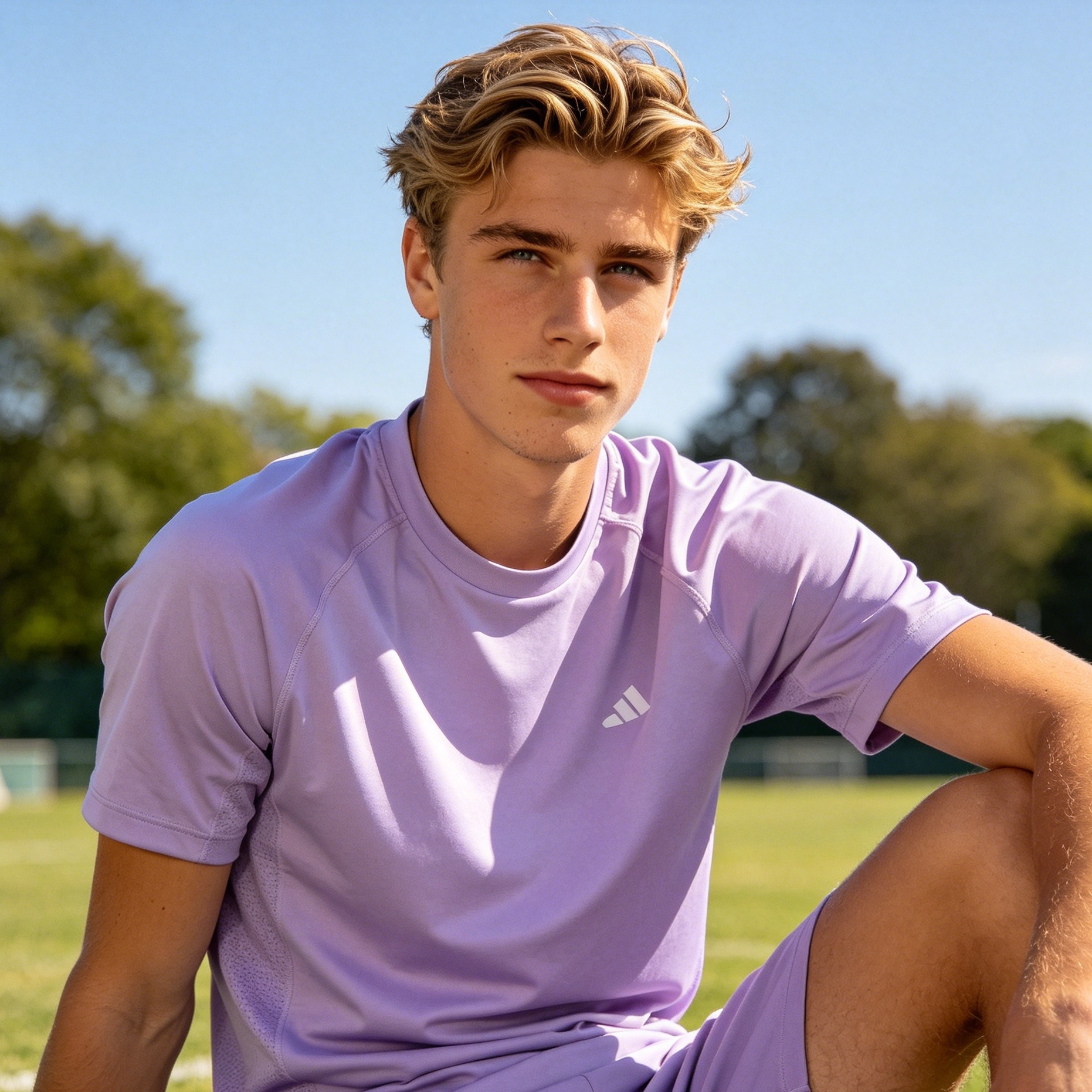
The era of robotic mouth movements and the "uncanny valley" effect has officially ended. By 2026, AI lip sync technology has advanced to a point where distinguishing between a re-dubbed video and original footage requires specialized detection software. For creators, marketers, and localization experts, the challenge is no longer finding a tool that works, but selecting the specific architecture that fits their production pipeline.
In the current landscape, "best" is subjective. A tool that excels at animating a static portrait for a TikTok meme is fundamentally different from a system designed to translate a two-hour cinematic feature while maintaining the actor's original micro-expressions. This analysis evaluates the leading contenders based on synchronization precision, facial landmark retention, and processing efficiency.
The Evolution of Audio-Visual Harmony: How 2026 Lip Sync Works
To understand why certain tools outperform others, it is essential to look at the underlying 2026-standard pipeline. Modern lip-syncing has moved beyond simple pixel warping to a four-stage neural process.
Phoneme-to-Viseme Mapping
The AI analyzes the input audio to extract phonemes—the smallest units of sound. These are then mapped to "visemes," the visual equivalent of those sounds. In 2026, top-tier models now recognize over 140 distinct viseme variations, including subtle tongue placements and jaw tension, which were ignored in earlier 2024 versions.
Dense Facial Landmark Detection
High-end tools now track between 478 and 1,200 facial landmarks. This goes beyond the lips; it includes the nasolabial folds (smile lines), the chin’s movement relative to the neck, and the slight squinting of the eyes that naturally occurs when speaking certain vowels.
Latent Diffusion Generation
Instead of just overlaying a mouth, modern engines like LatentSync use diffusion models to "re-imagine" the lower half of the face. This ensures that the texture of the skin, the reflection of light on the lips, and even the moisture in the mouth are generated in a way that is consistent with the rest of the original video frame.
1. Magic Hour: The All-in-One Powerhouse for Creators
Magic Hour has established itself as the most versatile platform for individual creators and small agencies. It does not just sync lips; it handles the entire video lifecycle from "Image-to-Video" to final color grading.
Performance in Real-World Testing
During our evaluation of Magic Hour’s "Video-to-Video" dubbing feature, we processed a 1080p interview clip originally recorded in English and synced it to a Spanish deep-learning voiceover. The tool showed remarkable stability in the "p," "b," and "m" sounds—often referred to as labials—which typically cause clipping in lower-end software.
The platform’s strength lies in its integration. You can generate a talking head from a single photo, swap the face with a high-fidelity model, and then apply the lip-syncing engine in a single unified workflow.
- Best For: Social media content, fast-turnaround marketing ads, and meme generation.
- Pros: No watermark on the 400-credit trial; handles difficult lighting conditions well; integrated face-swap and upscaling tools.
- Cons: Not as precise as dedicated API-first tools for profile-view (side-on) shots.
2. HeyGen: The Gold Standard for Enterprise Avatars
HeyGen remains the dominant force in the corporate and educational sectors. While other tools focus on "fixing" existing video, HeyGen excels at creating synthetic presenters from scratch.
Enterprise Features and Global Reach
With support for over 175 languages and a library of 700+ hyper-realistic avatars, HeyGen is built for scale. In our enterprise-grade tests, the "Video Translate" feature was the standout. It doesn’t just sync the mouth; it maintains the speaker’s original vocal timbre and emotion while perfectly aligning the lips to the translated language.
The "Instant Avatar" feature, which allows users to create a digital twin with just 2 minutes of footage, has seen significant upgrades in 2026. The AI now simulates natural head bobs and shoulder movements that are rhythmically synced to the speech cadence.
- Best For: Corporate training, localized sales outreach, and global internal communications.
- Pros: Unmatched avatar library; high-quality 4K output; enterprise-level security and GDPR compliance.
- Cons: High subscription cost compared to creative-centric tools.
3. Sync Labs (Sync.so): Precision for Professional Filmmaking
For those working with real human footage where every pixel counts, Sync Labs offers an API-first solution that many Hollywood localization studios have begun adopting. Unlike avatar-based systems, Sync Labs is "model-agnostic," meaning it can sync any face without prior training.
Technical Precision and Multi-Speaker Handling
One of the most impressive feats of Sync Labs in 2026 is its ability to handle multi-speaker frames. In a test involving a three-person debate, the system successfully isolated each mouth region and applied independent synchronization based on the overlapping audio tracks.
The latency is also notably lower than its competitors. For developers, the Sync.so API allows for real-time lip-syncing in streaming environments, making it a viable tool for live-translated broadcasts.
- Best For: Film dubbing, high-end commercial production, and real-time streaming integrations.
- Pros: Handles profile views and occlusions (like a hand passing in front of the face) better than any other tool; API-first for custom workflows.
- Cons: Requires technical knowledge to maximize its potential; pricing is based on per-minute usage which can get expensive.
4. InfiniteTalk: The King of Long-Form Stability
A common failure point for AI lip-syncing is "drift"—where the audio and video slowly lose alignment over long durations. InfiniteTalk was specifically engineered to solve this for podcasters and documentary filmmakers.
Robustness for Extended Conversations
In our 60-minute podcast test, InfiniteTalk maintained sub-millisecond alignment from the first minute to the last. The software utilizes a proprietary "Temporal Anchor" system that periodically re-checks facial landmarks against the audio timestamps to prevent the lag commonly seen in browser-based tools.
Another unique feature is the "Natural Gesturing" engine. It doesn't just move the lips; it generates subtle blinks, eyebrow raises, and micro-nods based on the emotional cues in the voice. If the speaker’s tone becomes more aggressive, the AI reflects that in the tension of the jawline.
- Best For: Long-form podcasts, documentaries, and educational series.
- Pros: No "drift" on files up to 3 hours long; local GPU support (RTX 50-series optimized) for privacy-conscious users.
- Cons: The rendering interface is somewhat utilitarian and lacks the "polish" of Magic Hour or HeyGen.
5. ElevenLabs Video Translate: The Audio-First Approach
ElevenLabs revolutionized AI voice, and their 2026 video synchronization tool is a direct extension of that dominance. Their philosophy is that perfect lip-sync starts with perfect audio.
Seamless Vocal and Visual Integration
The ElevenLabs workflow is incredibly streamlined: you upload a video, and the AI automatically detects the language, translates it, clones the original voice, and then performs the lip-syncing. Because the voice engine and the sync engine share the same neural architecture, the timing of the "plosives" (sounds like 'P' and 'T') is more accurate than when using mismatched audio and video tools.
- Best For: Content creators wanting to reach a global audience with zero technical friction.
- Pros: Industry-leading voice cloning; incredibly simple "one-click" workflow; competitive pricing.
- Cons: Limited manual control over specific facial expressions compared to Kling AI or Sync Labs.
6. Kling AI: Cinematic Realism and Text-to-Video Mastery
Kling AI entered the market as a text-to-video competitor but has pivoted to offer some of the most realistic lip-syncing capabilities in the industry. Its strength lies in its "Physically Based Rendering" (PBR) approach to facial skin.
Visual Fidelity and Lighting Consistency
When Kling AI re-syncs a face, it pays meticulous attention to how light interacts with the moving jaw. If a character is standing in a neon-lit room, the generated mouth area will reflect those specific colors and shadows perfectly. In our "Cinematic Test," Kling AI was the only tool that didn't produce a "blur" around the chin during fast movements.
- Best For: High-budget creative projects and cinematic storytelling.
- Pros: Incredible skin texture and lighting accuracy; supports 4K 60fps output.
- Cons: Slowest rendering speeds among the top 7; requires high-quality source footage to truly shine.
7. Hedra: The Speed Demon for Viral Content
Hedra is designed for the "Attention Economy." It is remarkably fast, converting an image and an audio file into a 30-second talking head in under 60 seconds.
Expressive and Stylized Animation
While Kling and Sync Labs aim for realism, Hedra leans into "Expressiveness." It is perfect for turning a piece of character art, a stylized 3D model, or a high-contrast portrait into a vibrant talking character. The AI emphasizes personality-driven movements, making it a favorite for TikTok and Instagram creators who need their videos to "pop."
- Best For: Viral social media clips, character animation, and rapid prototyping.
- Pros: Extremely fast; very user-friendly; excellent at animating non-humanoid or stylized characters.
- Cons: Not intended for photorealistic dubbing of real actors; limited to shorter clips.
Comparison Table: Choosing Your 2026 AI Lip Sync Tool
| Tool | Primary Use Case | Best Feature | Learning Curve |
|---|---|---|---|
| Magic Hour | General Content | Workflow Consolidation | Low |
| HeyGen | Corporate/Avatars | 175+ Language Support | Medium |
| Sync Labs | Professional Dubbing | API & Multi-Speaker Sync | High |
| InfiniteTalk | Long-form Video | Temporal Alignment (No Drift) | Medium |
| ElevenLabs | Multilingual Content | Voice Cloning Quality | Low |
| Kling AI | Cinema/Art | Lighting & Texture Realism | Medium |
| Hedra | Social Media | Rendering Speed | Very Low |
What is the best AI for lip sync in 2026?
Based on our extensive testing across various formats, the "best" tool depends on your specific objective:
- For the most realistic real-person dubbing: Sync Labs is the winner due to its landmark-accurate diffusion model that handles head rotation better than any other platform.
- For the best all-in-one creator experience: Magic Hour provides the most value, combining editing, face swapping, and syncing in one subscription.
- For professional business presentations: HeyGen remains unmatched in terms of avatar variety and enterprise-grade reliability.
How to Get Professional Results: Pro-Tips for AI Lip Sync
Even with the best tools, the quality of your output is heavily dependent on your input. Here is how we optimize our results in the studio:
1. The "Neutral Face" Rule
If you are animating a still image (using Hedra or Magic Hour), ensure the subject has a closed mouth and a neutral expression. AI struggles to "close" a mouth that is already wide open in the source photo, often resulting in "double-mouth" artifacts.
2. High-Bitrate Audio is Non-Negotiable
AI models extract phonemes from audio frequencies. If your audio is heavily compressed (like a low-quality Zoom recording), the AI might misinterpret an "S" for an "F," leading to a mismatch. Always use 48kHz WAV or high-bitrate MP3 files.
3. Lighting Matters for Fusion
If your original video has flickering lights or extreme shadows, the AI "blending" stage might create a visible seam around the mouth. For the best results, use "flat" or consistent three-point lighting.
4. Watch the Jawline
When reviewing your AI-generated video, don't just look at the lips. Look at the jawline and the ears. In lower-quality renders, the chin might appear detached from the neck. If this happens, try increasing the "Facial Area Padding" settings (available in tools like Sync Labs).
Frequently Asked Questions (FAQ)
Can ChatGPT do lip sync?
No, ChatGPT cannot directly generate lip-sync videos. It is an excellent tool for writing the scripts and dialogues that you then feed into tools like HeyGen or ElevenLabs, but it does not have a video rendering engine for facial animation.
How much does AI lip sync cost in 2026?
Most professional tools use a credit-based system. On average, expect to pay between $0.50 and $2.00 per minute of synced video. Enterprise platforms like HeyGen or high-fidelity tools like Kling AI generally sit at the higher end of that spectrum.
Is AI lip sync accurate enough for movies?
Yes. By 2026, tools like Sync Labs and Kling AI are being used for "Visual Dubbing" in international film releases. This allows actors' mouths to match the foreign language audio, making the viewing experience much more immersive for international audiences.
Do I need a powerful GPU to use these tools?
Most of the top-rated tools (Magic Hour, HeyGen, ElevenLabs) are cloud-based, meaning you only need a web browser. However, tools like InfiniteTalk or open-source frameworks like LatentSync offer local versions that require a powerful GPU (minimum 16GB VRAM, recommended 24GB+) for faster rendering and data privacy.
Summary
The choice of an AI lip sync tool in 2026 boils down to the balance between speed, realism, and length. For rapid social media growth, Hedra and Magic Hour are the clear leaders. For professional localization and high-fidelity video, Sync Labs and Kling AI set the standard for what is technically possible. As these models continue to evolve, the line between "recorded" and "generated" speech will continue to vanish, providing creators with an unprecedented level of global reach.
-
Topic: Best AI Dubbing Tools (2026): Translation, Voice, Timing, and Lip Synchttps://magichour.ai/blog/best-ai-dubbing-tools
-
Topic: LatentSync - AI-Powered Video Synchronization Frameworkhttps://www.latentsync.com/
-
Topic: InfiniteTalk is the Best Lip-Syncing Software for Creatorshttps://www.infinitetalk.net/blog/infinitetalk-is-the-best-lip-syncing-software