Home
Home
Best Ads on Autopilot: Top AI Platforms for Creating UGC Brand Videos Right Now
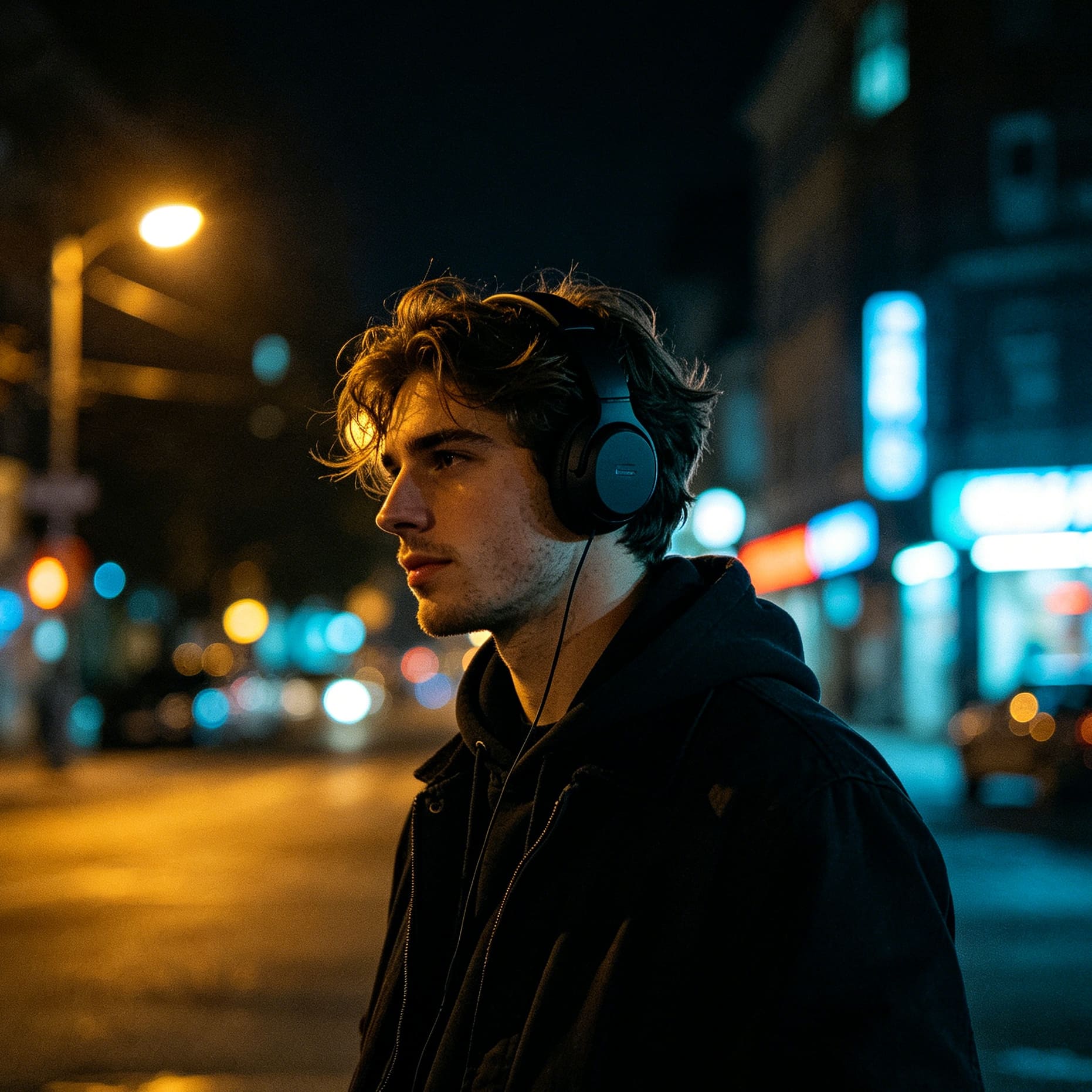
Best ads on autopilot: top AI platforms for creating UGC brand videos right now
Video marketing has undergone a radical transformation. In the high-velocity world of digital advertising, the bottleneck has long been the production phase. Traditional User-Generated Content (UGC) required weeks of talent sourcing, shipping products, waiting for creators to film, and tedious back-and-forth editing. By the time an ad was ready for TikTok or Meta, the trend had often moved on.
In 2026, the paradigm has shifted. AI-powered UGC platforms now allow brands to generate authentic-looking video testimonials, unboxings, and product demos in a matter of minutes. These tools don't just mimic the visual style of a smartphone-wielding creator; they simulate the personality, voice, and even the natural imperfections that make UGC so effective at building trust. This movement toward automated authenticity is no longer a luxury for big-budget enterprises—it is the baseline for any performance-driven marketing team.
Why UGC-style AI is dominating the ad creative landscape
Modern consumers have developed a high sensitivity to "polished" commercial content. Traditional high-production-value ads are often scrolled past as white noise. UGC works because it feels like a recommendation from a peer. The challenge for AI has always been the "uncanny valley"—the point where a synthetic human looks almost real but feels slightly off.
As of April 2026, the leading AI platforms have largely solved this. With advanced skin texture rendering, micro-expression simulation, and "product-in-hand" interactions, it is now nearly impossible for the average viewer to distinguish between a real influencer and a high-end AI avatar. For brands, this means scaling ad testing is limited only by their imagination, not their production budget.
Top AI platforms for creating UGC brand videos
Choosing the right platform requires balancing realism, speed, and workflow integration. Here are the leading contenders defining the industry today.
1. EZ UGC: The leader in product-in-hand realism
For most e-commerce brands, the biggest hurdle in AI video was making the avatar look like they were actually holding and using a physical product. EZ UGC has become the gold standard by specializing in what they call "Physical Object Interaction."
Instead of a static talking head, EZ UGC allows you to upload photos or 3D models of your product. The AI then generates a video where a realistic creator unboxes the item, holds it up to the camera, and demonstrates its features.
Key Strengths:
- Dynamic Interaction: The avatars can manipulate objects, which is crucial for credibility in skincare, tech gadgets, and fashion.
- Batch Testing: It excels at taking one product URL and generating 50 different "hooks"—allowing marketers to find the winning creative within hours.
- Natural Lighting: The software automatically adjusts the lighting on the product to match the environment of the creator's "room."
Best for: Performance marketers who need high-volume, product-centric ads that look like they were filmed in a home setting.
2. Magic Hour: The ultimate marketing workflow engine
Magic Hour isn't just a video generator; it is a full-stack production house for agile teams. While other platforms focus solely on the output, Magic Hour focuses on the iteration. It integrates text-to-video, image-to-video, and video-to-video capabilities into a unified dashboard.
What sets Magic Hour apart is its predictability. In marketing, you need consistency. If a specific creator avatar performs well, you want to use that same "person" across multiple campaigns without the visual style shifting. Magic Hour offers excellent brand consistency controls.
Key Strengths:
- Multi-modal Inputs: You can start with a script, a storyboard, or even a rough video of yourself, which the AI then transforms into a high-quality UGC creator.
- Speed of Iteration: It is optimized for the A/B testing cycle, allowing teams to swap backgrounds, voices, or hooks in seconds.
- Collaboration Features: Built for agencies, it allows multiple team members to comment and iterate on the same project in real-time.
Best for: Agencies and growth teams managing multiple clients who need a reliable, scalable content pipeline.
3. Tagshop.ai: The URL-to-Ad powerhouse
Tagshop.ai has carved a niche as the most efficient tool for e-commerce store owners. Its primary value proposition is simple: give it a product link, and it gives you a finished ad. It analyzes the product page, extracts the key selling points, generates a high-converting script, and matches it with a suitable UGC avatar.
This platform is particularly strong in its integration with the social media ad ecosystem. It produces videos specifically formatted for TikTok’s 9:16 aspect ratio with built-in safe zones for captions and UI elements.
Key Strengths:
- One-Click Generation: The most automated workflow on this list, requiring the least amount of manual prompting.
- Conversion-Optimized Scripts: The AI is trained on thousands of high-performing social ads to ensure the script structure follows proven marketing frameworks (like AIDA).
- Native Platform Formatting: Automatically generates the correct metadata and specs for Meta and TikTok ad managers.
Best for: Small to medium-sized D2C brands that want to go from "product launch" to "active ads" in under ten minutes.
4. ArcAds: Hyper-realistic emotional resonance
If your brand relies on emotional storytelling and deep trust, ArcAds is the platform to watch. While other tools focus on the physical product, ArcAds focuses on the "human" performance. Their avatars possess a level of emotional depth—micro-expressions, eye contact, and vocal inflections—that feels profoundly authentic.
ArcAds uses a proprietary model that focuses on the nuance of human speech patterns. The resulting videos don't sound like a script being read; they sound like a friend talking to you through their phone.
Key Strengths:
- Superior Avatars: The largest library of hyper-realistic actors representing a vast array of demographics and styles.
- Voice Cloning and Personalization: Brands can clone their founder's voice to create thousands of personalized videos for retargeting campaigns.
- High Bitrate Outputs: The visual quality is high enough to be used beyond just mobile ads, potentially even for web assets or larger displays.
Best for: Brands in the health, wellness, and service industries where trust and empathy are the primary conversion drivers.
5. Kling 3.0: The motion pioneer
Kling 3.0 represents the cutting edge of AI motion physics. One of the persistent issues with AI UGC was the "floaty" movement—the way hands moved or hair reacted to the environment. Kling 3.0 has largely eliminated these artifacts by utilizing a more advanced physics engine in its video generation process.
In a UGC context, this means the creator can move around the room, interact with furniture, or show off clothing in a way that feels grounded in reality. The motion is fluid, without the jitter or morphing that plagued earlier AI models.
Key Strengths:
- Complex Motion: Ideal for "Try-on" hauls or lifestyle UGC where the creator needs to move their entire body.
- Environment Consistency: The background remains stable and realistic even as the camera moves, mimicking the shaky-cam style of authentic smartphone footage.
- Granular Control: Provides advanced users with the ability to adjust the intensity of movements and facial expressions.
Best for: Fashion, fitness, and lifestyle brands where movement and physical presence are key to the product's appeal.
6. HeyGen: The multilingual scaling king
As brands look to go global, HeyGen remains the undisputed leader in localization. Creating UGC for ten different countries used to mean hiring ten different creators. With HeyGen, you can record or generate a video in one language and have the avatar speak 175+ other languages with perfect lip-syncing and the original voice's tone preserved.
For UGC, this is a game-changer. You can take a top-performing ad from the US market and launch it in Brazil, Japan, and France with a single click, maintaining the same "creator" across all regions.
Key Strengths:
- Unrivaled Lip-Sync: The most accurate mouth movements in the industry, even for complex tonal languages.
- Voice Branding: Allows for consistent brand voice across all international markets.
- Interactive Avatars: HeyGen is moving into real-time interactive video, allowing for personalized UGC-style responses in customer service or landing pages.
Best for: Global e-commerce brands and SaaS companies looking to localize their marketing presence at scale.
The technical shift: What makes a good AI UGC platform in 2026?
To understand why these platforms are at the top, we must look at the technical pillars that define high-quality AI video today.
LLM-Integrated Scripting
The best platforms are no longer just video editors; they are creative strategists. They integrate with Large Language Models (LLMs) like GPT-5 or Claude 4 to write scripts that aren't just grammatically correct but are psychologically persuasive. They understand the difference between a "hook" for TikTok and an "explanation" for a Facebook feed.
Diffusion Transformers (DiT)
The underlying architecture of video generation has moved toward Diffusion Transformers. This allows for longer videos—up to 60 or 90 seconds—with consistent characters and environments. In the past, AI videos would start to "drift" or change the person's face after 5 seconds. In 2026, the coherence is rock-solid for the duration of a standard ad.
Neural Radiance Fields (NeRFs) for Products
By using NeRF technology, platforms like EZ UGC can create 3D representations of products from a few 2D images. This allows the AI avatar to rotate the product in their hand, showing it from all angles with realistic shadows and reflections. This was the "missing link" for AI in the product demo space.
How to evaluate which platform is right for your brand
When testing these platforms, don't just look at the first video they generate. Use the following criteria to make your decision:
- The "Thumb-Stop" Factor: Does the first frame of the video look like a real person, or does it look like a stock photo? The first 0.5 seconds are everything in social media advertising.
- Audio Quality: Is the breathing natural? Does the voice have the correct cadence for the platform? A robotic voice will kill an otherwise perfect UGC video.
- Cost per Variation: The goal of AI is to reduce costs. Look for platforms that offer bulk pricing or credit systems that allow for extensive A/B testing without breaking the bank.
- Ease of Integration: Can the platform pull data from your Shopify or Amazon store? Does it export in the correct formats for your ad manager?
- Ethical Licensing: Ensure the platform has the legal rights to the likenesses of the actors they use. In 2026, compliance and ethics in AI are major brand safety concerns.
Avoiding the "AI Look": Best practices for marketers
Even with the best tools, it is possible to create content that feels synthetic. To maximize the effectiveness of your AI UGC brand videos, consider these strategies:
- Mess up the script: Real people don't speak in perfect, polished sentences. Add occasional "ums," "ahs," or colloquialisms to your AI scripts to increase the feeling of spontaneity.
- Vary the background: Don't use the same clean, minimalist office for every video. Choose backgrounds that match the lifestyle of your target audience—messy kitchens, cozy living rooms, or busy city streets.
- Focus on the "Hook": Spend 80% of your time testing the first three seconds of the video. Use the AI to generate ten different hooks for every one product demonstration.
- Blend AI with Human Content: The most successful brands in 2026 use a hybrid approach. They use real human creators for high-level brand storytelling and AI UGC for rapid-response performance ads and retargeting.
The future of brand storytelling: Beyond the screen
As we look toward the remainder of 2026 and into 2027, the line between "content" and "software" is blurring. We are entering the era of Generative Experience. Soon, UGC ads won't just be static videos; they will be interactive. Imagine an ad where the viewer can ask the AI creator a question about the product's sizing, and the creator answers in real-time, still in character, still in that UGC style.
For now, the platforms listed above offer the most sophisticated tools to stay ahead of the curve. By automating the production of UGC, brands are freed from the logistical chains of the past. The focus can return to what truly matters: understanding the customer, crafting a compelling message, and building a product that people actually want to talk about—whether that "talk" is coming from a human or an incredibly talented AI.
Final Recommendations
- If you are a solo entrepreneur: Start with Tagshop.ai. The automated URL-to-video workflow is the most accessible entry point.
- If you are a high-growth D2C brand: Invest in EZ UGC. The product-in-hand realism is essential for standing out in competitive categories like beauty or electronics.
- If you are an agency: Adopt Magic Hour for its robust workflow and collaboration features. It will allow you to service more clients with fewer overhead costs.
- If you are a global enterprise: HeyGen is non-negotiable for maintaining a consistent brand voice across international borders.
Content is no longer the bottleneck. Distribution and strategy are the new frontiers. By leveraging these top AI platforms, you ensure that your brand is not just participating in the conversation but leading it.
-
Topic: Top AI Platforms For Creating UGC Brand Videos - 2026https://www.pasivemarketer.com/top-ai-platforms-for-creating-ugc-brand-videos
-
Topic: Best AI Video Generators for Marketing Teams (2026): Ads, UGC, and Fast Iterationhttps://magichour.ai/blog/best-ai-video-generators-for-marketing-teams
-
Topic: Top AI-Powered UGC Video Makers for Businesses – AI Avatar Tech Bloghttps://aiavatar.tech.blog/2026/03/31/top-ai-powered-ugc-video-makers-for-businesses/