Home
Home
Best AI Avatars for UGC Video Ads: Arcads vs Creatify vs HeyGen vs EzUGC
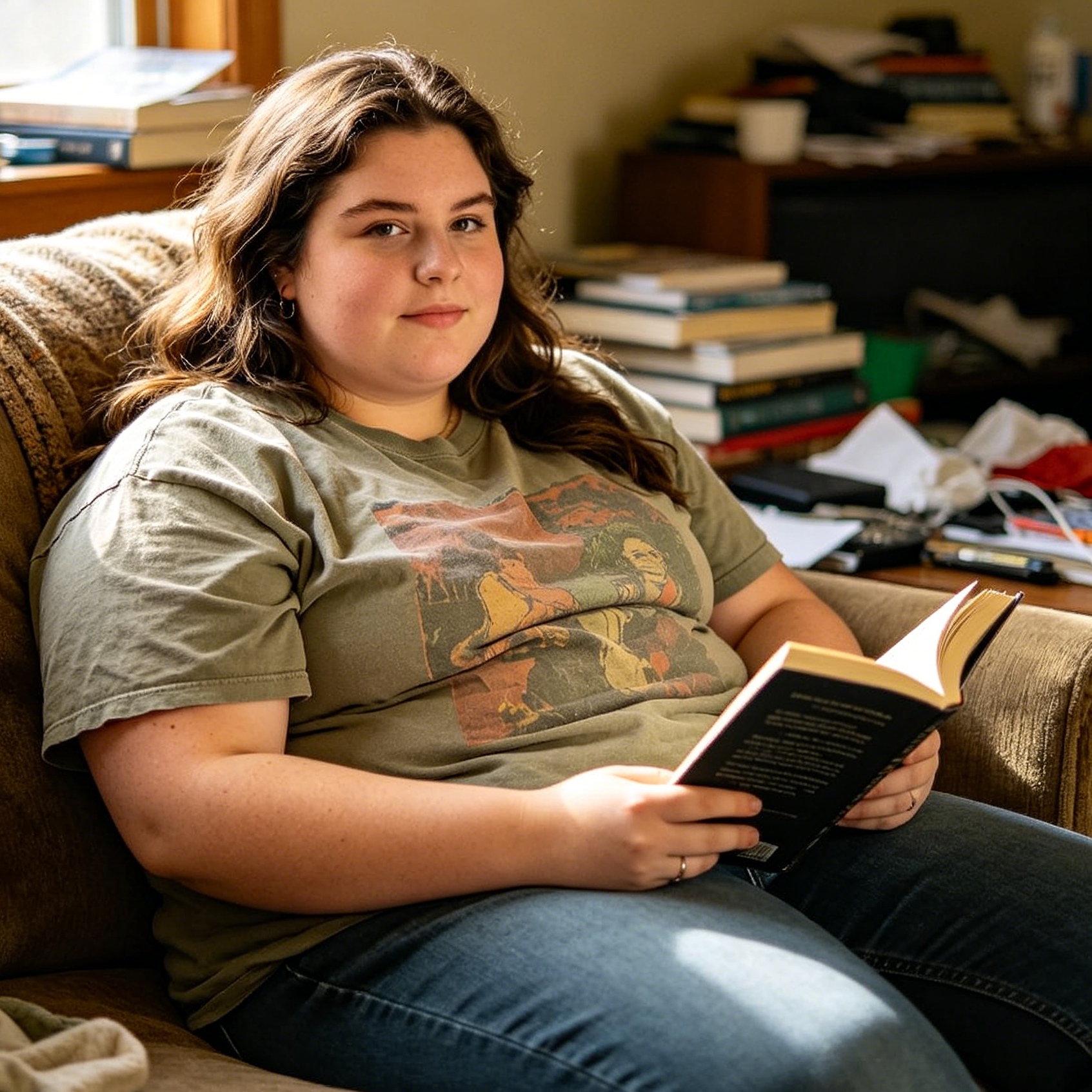
Best AI avatars for UGC video ads: Arcads vs Creatify vs HeyGen vs EzUGC
The landscape of performance marketing in 2026 has shifted entirely toward volume and rapid iteration. The days of waiting three weeks for a human creator to send back a single UGC (User-Generated Content) video are largely over for high-growth brands. Today, the bottleneck isn't finding talent; it's how many hook variations you can test in a 24-hour cycle. AI avatars have matured to a point where the "uncanny valley" is no longer a deterrent for short-form social ads. On TikTok and Meta feeds, these digital humans are delivering conversion lifts of up to 4.5%, often outperforming traditional creators who lack the data-driven scripting that AI tools provide.
Choosing the right platform depends on whether you prioritize raw visual realism, the speed of automated batch generation, or international localization. This comparison breaks down the current leaders in the AI UGC space.
The Economic Shift: Why AI Avatars are Dominating UGC
Traditional UGC production costs between $150 and $2,000 per video. This includes creator fees, shipping products, and the inevitable back-and-forth on revisions. More importantly, it is a slow process. If a specific hook fails, you are back at square one.
AI UGC tools have reduced the cost per video to a range of $2 to $20. In 2026, the real advantage isn't just the $195 saved per video; it is the ability to generate 50 different versions of a video in an hour. You can test 50 different opening hooks, three different background settings, and five different CTA (Call to Action) styles. The algorithm finds the winner, and you scale the budget. This "high-volume testing" workflow is what separates winning brands from those struggling with rising CPAs (Cost Per Acquisition).
Arcads: The Realism Leader for High-Trust Ads
For brands where the "human touch" is non-negotiable, Arcads remains the benchmark in 2026. While many platforms focus on simple lip-syncing, Arcads has doubled down on natural micro-expressions and hand gestures.
Avatar Realism and Emotion
Arcads uses advanced diffusion models that allow avatars to express genuine emotions like skepticism, excitement, or calm. In UGC, a creator who looks too "robotic" or too "corporate" will cause a user to scroll past immediately. Arcads' avatars often hold products or gesture toward on-screen elements in a way that feels unscripted. Their library of over 1,000 actors covers a massive range of demographics, ensuring that a brand can find a face that matches their specific target customer profile.
The Workflow
The process is straightforward: you input a script, select an actor, and choose a tone. The platform also offers a "raw footage" export, which is highly valued by experienced video editors who want to add their own text overlays and native social media captions in post-production.
Cost Considerations
Arcads is positioned as a premium tool. Starting at roughly $100 per month for 10 videos, it is significantly more expensive on a per-video basis than some competitors. However, for mid-to-high ticket items where trust is the primary conversion driver, the extra realism often justifies the price.
Creatify: The Automation Beast for E-commerce
If your goal is to launch 100 new ad creatives for a Shopify store by tomorrow morning, Creatify is the most efficient tool available. It is built specifically for the "URL-to-Video" workflow.
The Aurora Model
Creatify’s 2026 Aurora model is a diffusion transformer that specializes in full-body expressiveness. Unlike older models that only animated the face, Aurora handles breathing patterns, eye contact, and head tilts. This makes the avatars feel present in the environment rather than just a flat layer on top of a background.
Batch Generation and Testing
The standout feature of Creatify is its ability to scrape a product URL and automatically generate scripts, select relevant b-roll from your site, and pair them with a suitable avatar. The "Batch Mode" allows marketers to generate dozens of variants at once. This is a game-changer for performance marketers who need to feed the Meta Advantage+ algorithm with fresh creative daily.
Localization Capabilities
With support for over 75 languages, Creatify allows for instant localization. You can take a winning English ad and, within minutes, have versions tailored for the Spanish, French, and German markets, complete with perfect lip-syncing in the target language. This removes the need to hire regional creators for global expansions.
HeyGen: The Versatile All-Rounder
HeyGen has transitioned from a general-purpose AI video tool into a powerhouse for social media marketing. It is perhaps the most user-friendly platform for teams that don't have dedicated video editors.
Customization and Cloning
HeyGen’s strongest suit is its custom avatar and voice cloning technology. You can upload a photo or a few minutes of video of a brand founder or an actual customer (with permission) and create a digital twin. This allows a brand to maintain a consistent "face" across hundreds of videos without requiring that person to be in a studio every week.
Video Translation
Their video translation feature is currently the industry leader. You can upload an existing UGC video of a real person and HeyGen will translate the speech and rewrite the lip-sync to match the new language perfectly. For brands with a library of high-performing organic UGC, this is the fastest way to turn those assets into global paid ads.
Licensing and Commercial Rights
A critical advantage of HeyGen for performance marketers is their clear licensing. All public stock avatars are cleared for commercial use in paid advertisements. This avoids the legal hurdles often found in more enterprise-focused tools like Synthesia, which may require separate digital rights agreements for paid social use.
EzUGC: The High-Volume Performance Specialist
EzUGC is designed for one thing: getting profitable ads into the manager as fast as possible. It lacks some of the deep customization of HeyGen but wins on sheer speed and cost-efficiency.
Performance-First Workflow
EzUGC focuses on the "UGC Style"—meaning the lighting is often slightly imperfect, the backgrounds look like real homes, and the avatars wear casual clothes. This aesthetic is often more effective on TikTok than the polished, studio-lit look of corporate AI tools. At approximately $5 per video, it allows for the kind of massive creative testing that was previously only available to brands with seven-figure monthly budgets.
Language and Reach
Supporting over 32 languages, it covers the most high-intent markets for e-commerce. It is built for the marketer who cares less about "cinematic quality" and more about which hook variant is going to lower the CPA by 20%.
Comparison Table: Feature Matrix for 2026
| Platform | Primary Strength | Realism Level | Starting Price | Language Support | Best For |
|---|---|---|---|---|---|
| Arcads | Natural Emotion & Gestures | Highest | ~$100/mo | 29+ | High-trust, high-ticket products |
| Creatify | URL-to-Video Batching | High | ~$39/mo | 75+ | High-volume E-commerce testing |
| HeyGen | Localization & Cloning | High | ~$24/mo | 175+ | Global brands & custom avatars |
| EzUGC | Cost & Speed | Moderate/High | ~$5/video | 32+ | Aggressive performance marketing |
Addressing the "Uncanny Valley" in 2026
A common concern is whether consumers can "tell it's AI." In 2026, the answer is often "yes, if they look closely," but the data suggests it doesn't matter. For a 15-second TikTok ad, the user's focus is on the hook, the problem being solved, and the social proof. If the lighting is natural and the voice doesn't sound robotic, the brain accepts the information.
In fact, some brands are finding that the slight "perfection" of AI avatars can actually lead to higher engagement because the visual clarity is better than a low-quality smartphone video from a cheap human creator. The key is to avoid avatars that look too "news anchor" and instead opt for those with casual attire and relatable environments.
The Strategic Framework: How to Choose
To make an informed decision, you should audit your current creative bottleneck:
- If you have a winning spokesperson but they can't keep up with the demand for new scripts: Use HeyGen to clone their likeness and voice. This maintains brand consistency while allowing for 10x more content production.
- If you are launching a brand-new product on a budget and need to find a winning angle: Use EzUGC to generate 20 different hooks across five different avatar styles. See what the market responds to before investing in higher-fidelity assets.
- If you are scaling a proven product into international markets (Japan, Brazil, Germany): Use Creatify or HeyGen to localize your winning English creatives. The lip-syncing is now precise enough that local audiences generally engage with the content as if it were native.
- If you are selling a sensitive product (skincare, health, finance) where empathy is key: Invest in Arcads. The micro-expressions and emotional range are necessary to convey the sincerity required for these categories.
The Future of the Creative Workflow
As we move further into 2026, the role of the "Media Buyer" and the "Creative Director" are merging. The task is no longer to direct a single perfect shoot, but to manage a generative pipeline.
The most successful brands are currently using a hybrid approach. They might use a real human creator for their primary "Brand Story" video on the landing page, but use AI avatars to generate the 200 different ad variations that drive traffic to that page. This allows for a balance of deep human authenticity and algorithmic optimization.
When testing these platforms, it is suggested to start with a single product and run a head-to-head test. Take the same script, run it through two different platforms, and spend $500 on each variant in a Facebook A/B test. The data, rather than the visual preference of your team, should be the ultimate decider. The AI avatar market is moving so fast that the "best" tool today might be surpassed by an update next month. Agility in switching between these tools is a competitive advantage in its own right.
-
Topic: 7 Best AI UGC Tools: Video Generators Ranked (2026) | EzUGChttps://www.ezugc.ai/blog/7-best-ai-ugc-tools-2026
-
Topic: Comparing AI Avatars For UGC Video Ads (2025) | Best UGC Video Software For Facebook Adshttps://metalla.digital/comparing-ai-avatars-for-ugc-video-ads/?noamp=mobile
-
Topic: 17 best ai avatar generators we tested for 2026https://creatify.ai/blog/best-ai-avatar-generators-and-tools