Home
Home
Best AI Tools to Make Professional Pictures From Text Today
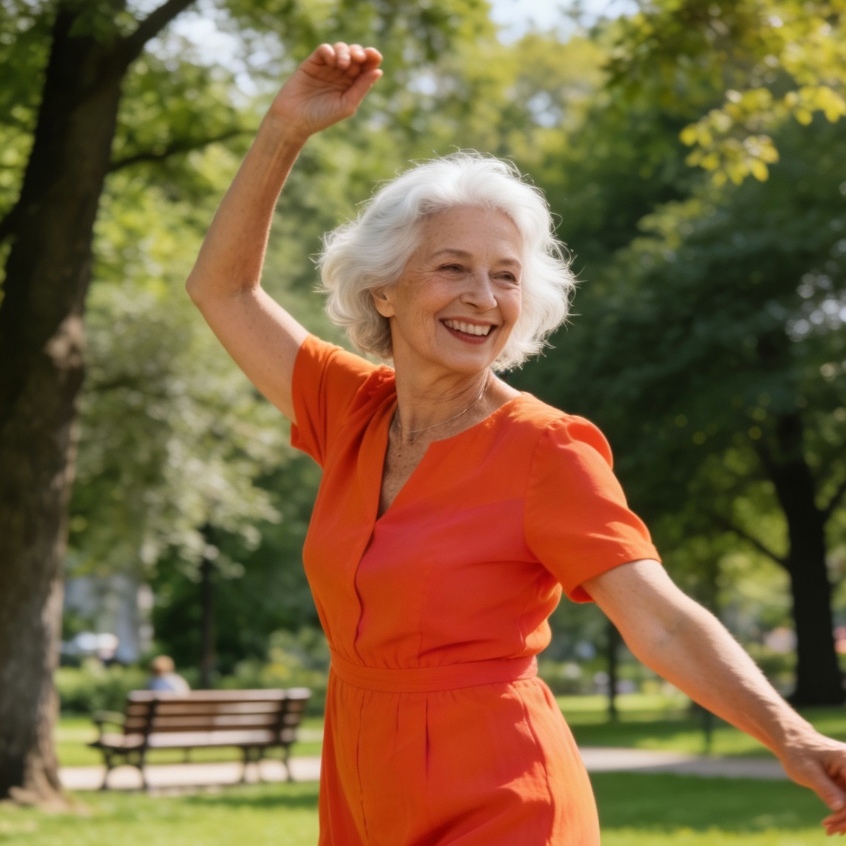
Artificial intelligence has fundamentally altered the landscape of visual creation. What used to require hours of manual digital painting or complex photo shoots can now be achieved in seconds through a process known as text-to-image generation. These tools rely on sophisticated deep learning models that interpret natural language and translate it into high-fidelity pixels. Whether for social media, professional marketing, or personal artistic exploration, understanding which AI to use and how to direct it is essential for modern creators.
How AI Creates Pictures from Text Prompts
The technology behind modern AI image generators is primarily based on diffusion models. Unlike previous iterations of artificial intelligence that simply "stitched" existing images together, diffusion models work through a process of sophisticated refinement.
The process begins with a canvas of random digital noise, essentially a static screen of unorganized pixels. Through a series of iterative steps, the AI uses its training—based on billions of image-text pairs—to "de-noise" the image. It identifies patterns that correspond to the words in a user's prompt. For instance, if the prompt mentions a "velvet chair," the AI recognizes the specific textural patterns and light reflections associated with velvet and begins to shape the noise into those recognizable forms.
This iterative refinement allows for incredible detail and creative flexibility. The AI doesn't just "find" a picture; it constructs one from mathematical concepts of light, shadow, texture, and composition learned during its massive training phase.
Best AI Generators for High Fidelity Visuals
Selecting the right tool depends heavily on the desired output, the required level of control, and the intended use of the image.
Midjourney for Artistic Excellence
Midjourney remains the benchmark for users seeking the highest level of aesthetic quality. Operating primarily through a Discord interface, it has developed a reputation for producing images that look like professional photography or gallery-standard digital art.
One of the defining characteristics of Midjourney is its specific "opinion" on lighting and texture. Even with a simple prompt, it tends to default to cinematic compositions. For advanced users, the tool offers deep customization through parameters. For example, using the --ar parameter allows for specific aspect ratios, while the --cref (Character Reference) feature enables consistent character rendering across different scenes—a common hurdle in AI art. In professional workflows, Midjourney is often used for concept art and mood boarding where visual impact is the priority over raw literal accuracy.
DALL-E 3 for Superior Prompt Adherence
DALL-E 3, integrated directly into ChatGPT, is perhaps the most accessible and "intelligent" tool in terms of language comprehension. While other models might ignore certain parts of a long, complex sentence, DALL-E 3 is remarkably faithful to every detail provided.
The primary advantage here is the conversational interface. Users can ask ChatGPT to "make the lighting moodier" or "add a blue bird on the shoulder of the person in the previous image," and the AI understands the context of the modification. This makes it an excellent choice for creators who may not be experts in technical photography terms but can describe their vision clearly in plain English.
Adobe Firefly for Commercial Safety and Design Integration
For businesses and professional designers, Adobe Firefly offers a unique value proposition: legal peace of mind. Adobe trained Firefly exclusively on Adobe Stock images, openly licensed content, and public domain materials where the copyright has expired. This makes it "commercially safe," meaning enterprises can use the generated outputs in advertising and products without the looming fear of copyright infringement.
Beyond safety, Firefly’s integration into the Creative Cloud ecosystem—specifically Photoshop and Illustrator—allows for a hybrid workflow. The "Generative Fill" feature in Photoshop is a prime example of this utility, allowing users to extend backgrounds or swap clothing on a subject with pixel-perfect blending that matches the original photo's lighting and grain.
Ideogram for Accurate Typography
Historically, AI image generators struggled with text, often producing "gibberish" or warped characters. Ideogram has solved this specific pain point. It is widely considered the leading tool for creating posters, logos, and t-shirt designs that require legible, stylish text.
When testing Ideogram for brand identity projects, its ability to render specific fonts and ensure correct spelling within complex artistic backgrounds is unparalleled. If a project requires a "Neon sign saying 'Open Late' in a rainy cyberpunk street," Ideogram is the only tool that consistently gets the spelling and the glow of the letters right on the first try.
Flux.1 for Open Weight Flexibility and Realism
Flux.1 is a newer entrant that has quickly gained traction among power users. Developed by Black Forest Labs, it offers a level of photorealism that rivals Midjourney but with a more "neutral" starting point. Where Midjourney can sometimes look "too much like AI art," Flux.1 often passes for a genuine unedited photograph.
Because it is an open-weight model, it can be run locally on high-end hardware. For those with a GPU containing at least 24GB of VRAM, running Flux.1 (Dev or Schnell versions) allows for complete privacy and the ability to use LoRAs (Low-Rank Adaptation) to train the model on specific faces or art styles.
How to Write Effective Prompts for AI Images
The quality of the output is directly proportional to the quality of the input. Writing a prompt is more than just describing an object; it is about providing the AI with a complete "creative brief."
The Anatomy of a Successful Prompt
A professional-grade prompt typically follows a specific structure:
- Core Subject: What is the main focus? (e.g., A vintage mountain bike).
- Environment/Setting: Where is it? (e.g., Leaning against a rustic wooden fence in the Swiss Alps).
- Lighting and Atmosphere: What is the mood? (e.g., Soft golden hour light, morning mist, dramatic shadows).
- Style and Medium: Is it a photo, a painting, or a 3D render? (e.g., 35mm film photography, grainy texture, shallow depth of field).
- Technical Specs: Camera angles and resolution. (e.g., Wide angle lens, f/1.8, 8k resolution).
Practical Comparison of Prompting Styles
Consider the difference between a basic prompt and an optimized one:
- Basic: "A futuristic car in a city."
- Optimized: "A sleek aerodynamic electric supercar with glowing cyan accents, parked on a wet cobblestone street in a neon-lit Tokyo at night. Reflections of vibrant signs in the puddles, cinematic lighting, shot on Sony A7R IV, 50mm lens, photorealistic, 8k."
In our testing, the optimized prompt results in significantly less "hallucination" (AI adding random, nonsensical objects) because the boundaries of the scene are clearly defined.
Technical Limitations and Troubleshooting
Despite the rapid advancement, AI is not a magic wand. Understanding its failures is key to producing usable work.
Dealing with Complex Anatomy
Hands, feet, and teeth remain the "Achilles' heel" of many diffusion models. This happens because the AI understands what a hand looks like but doesn't necessarily understand the skeletal logic that a hand usually has five fingers.
Solution: Use "In-painting" tools found in platforms like Leonardo.ai or Photoshop. By masking the distorted hand and re-generating only that small section with a more specific prompt like "human hand with five fingers, gripping a handle," you can often fix these errors without losing the rest of the image.
Managing Resolution and Clarity
Most AI generators produce images at a standard resolution (typically around 1024x1024 pixels). For large-scale prints or high-quality web banners, this is often insufficient.
Solution: Utilize AI Upscalers. Tools like Topaz Photo AI or the built-in upscalers in Midjourney can increase the pixel count while simultaneously adding detail and removing noise. This is a critical step in a professional production pipeline.
What are the Ethical and Legal Considerations?
The rise of AI-generated pictures has sparked significant debate regarding the rights of original artists whose work may have been included in training datasets.
Copyright Ownership
In many jurisdictions, including the United States, the law currently states that AI-generated content without significant human intervention cannot be copyrighted. This means that while you can use the image, you may not "own" it in the traditional sense that prevents others from using it. However, this is a rapidly evolving area of law. Using tools like Adobe Firefly, which are built on ethical datasets, is currently the safest path for commercial entities.
Transparency and Deepfakes
With the ability to create hyper-realistic images comes the responsibility to prevent misinformation. Most reputable AI tools have "safety filters" that prevent the generation of public figures in compromising or misleading situations. As a creator, it is best practice to label AI-generated images, especially when they are intended to look like real-world events.
Why Should You Choose One AI Over Another?
The "best" tool is entirely subjective to the project at hand. If you are a social media manager looking for quick, catchy visuals, the integration of DALL-E 3 in ChatGPT is unbeatable for speed and ease of use.
If you are an art director for a film or video game, the sheer creative depth and "vibe" of Midjourney will provide more inspiration than any other model. For the corporate world, where legal compliance is as important as visual quality, Adobe Firefly is the only logical choice.
For those who want to push the technical boundaries and don't mind a steep learning curve, Flux.1 or Stable Diffusion offer a playground of customization where you can literally "train" the AI to learn your own specific style or products.
How to Get Better Results with AI Art Generation
The most successful AI artists do not simply "prompt and pray." They treat the AI as a collaborator in an iterative process.
- Start Simple: Begin with the core concept.
- Iterate on the Winner: Most tools generate four options. Pick the one that is closest to your vision and use it as a "seed" or reference for the next set.
- Adjust the "Weight" of Words: In many tools, putting words in parentheses or adding a numerical weight (like
(sunset:1.5)) tells the AI to pay more attention to that specific element. - Use Negative Prompts: If you don't want something in the image, tell the AI explicitly. Using words like "blurry," "deformed," or "extra limbs" in a negative prompt box can significantly clean up the final result.
FAQ: Frequently Asked Questions About AI Pictures
Can I use AI-generated pictures for my business?
Yes, but with caveats. You must check the Terms of Service of the specific tool. For example, Midjourney requires a paid subscription for commercial use, while Adobe Firefly is specifically designed for commercial safety. Always consult with legal counsel if the image is the core of a major brand identity.
Why do AI images sometimes have weird text?
AI models predict pixels based on patterns, not by understanding the rules of language. While they know what "letters" look like, they often scramble the order or the shape of the letters unless the model is specifically optimized for typography, like Ideogram.
Do I need a powerful computer to make AI pictures?
Not for most tools. DALL-E 3, Midjourney, and Firefly all run on the "cloud," meaning their powerful servers do the heavy lifting. You only need a powerful computer with a high-end NVIDIA GPU if you plan to run open-weight models like Flux.1 or Stable Diffusion locally on your own machine.
Is AI image generation free?
Many tools offer a limited free trial or a set of "credits" each month. However, for high-resolution, watermark-free, and commercially usable images, a monthly subscription (typically ranging from $10 to $30) is standard.
Summary of Using AI to Make Pictures
The journey of using AI to make pictures is one of constant experimentation. The technology is moving away from being a mere novelty and toward being a staple of the professional creative toolkit. By understanding the strengths of different models—from the artistic flair of Midjourney to the literal precision of DALL-E 3 and the safety of Adobe Firefly—creators can choose the right "digital brush" for their specific needs.
To master this medium, focus on the clarity of your descriptions and don't be afraid of the iterative process. The most impressive AI art isn't created by the machine alone, but by a human who knows how to guide the machine toward a specific, well-defined vision. As models continue to improve in their understanding of human anatomy and typography, the gap between imagination and digital reality will only continue to shrink.
-
Topic: Free AI Art Generator: Create Art Online - Adobe Fireflyhttps://www.adobe.com/products/firefly/features/ai-art-generator.html
-
Topic: How I tested 9 of the best AI image generators [Review, Prompts, Results]https://blog.hubspot.com/marketing/best-ai-image-generator
-
Topic: free ai image generator : text to image online - adobe fireflyhttps://www.adobe.com/au/products/firefly/features/text-to-image.html