Home
Home
Best AI Tools to Turn Any Picture Into a Realistic Video
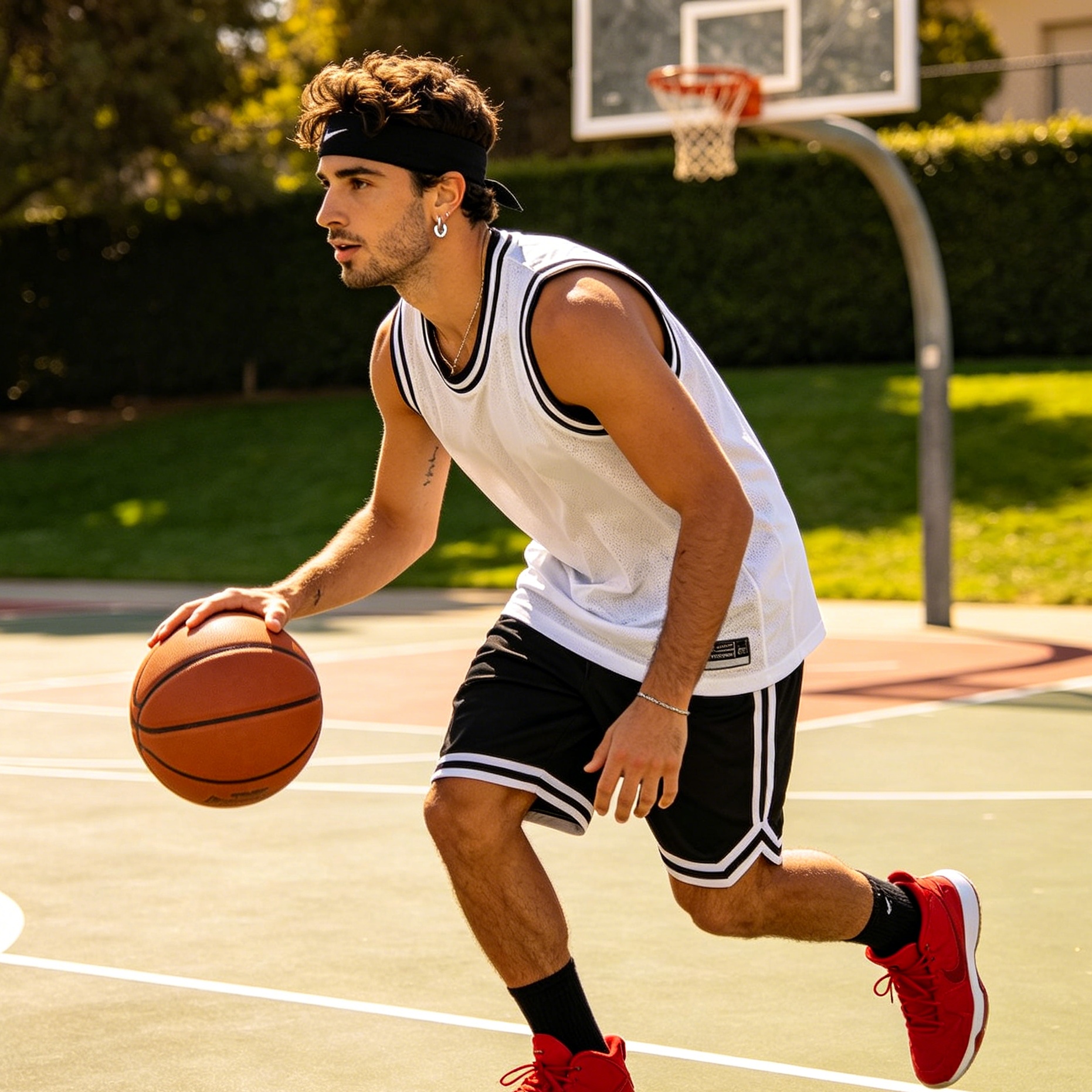
Picture to video AI technology represents a massive leap in generative content, allowing creators to upload a static image and transform it into a dynamic, high-definition video clip within seconds. Rather than manually animating frames or using complex keyframing in traditional software, these AI models predict motion, understand 3D depth, and generate consistent sequences that bring still visuals to life. Whether you are a social media manager looking for eye-catching Reels or a filmmaker needing quick B-roll, the current landscape of image-to-video AI offers unprecedented creative control.
How Picture to Video AI Technology Works Under the Hood
To achieve realistic motion from a single reference image, the AI undergoes a multi-layered computational process. Understanding this process helps creators troubleshoot why certain images animate better than others.
The Power of Diffusion and Bridge Models
Most leading tools today rely on Diffusion Models. In this setup, the AI is trained on millions of video clips to recognize how specific objects—like flowing water, flickering fire, or walking people—move in the real world. When you provide a picture, the model treats it as a starting frame and uses "denoising" techniques to predict what the subsequent frames should look like based on your text prompts or the visual cues in the original image.
However, recent breakthroughs have introduced Bridge Models, such as the FrameBridge architecture. While traditional diffusion models can sometimes lose the likeness of the original image as the video progresses, bridge models establish a direct data-to-data mapping. By treating the static image as a "prior" (a fixed reference point), bridge models ensure that the character's face or the specific architectural details of a building remain identical across the entire video clip, significantly reducing "morphing" artifacts.
Depth Mapping and Object Recognition
When an image is uploaded, the AI performs a deep scan to identify foreground and background elements. It creates a temporary 3D depth map to understand spatial relationships. This is why, when you apply a "pan" or "zoom" command, the AI can realistically simulate parallax—the effect where objects closer to the camera move faster than those in the distance.
Top Picture to Video AI Tools for Professional Results
The market for AI video generation is highly competitive, with a few key players dominating based on realism, control, and commercial viability.
Runway Gen-3 Alpha for Granular Motion Control
Runway has long been the industry standard for creative AI. Its latest iteration, Gen-3 Alpha, excels in fine-grained control. In my testing, the standout feature remains the "Motion Brush." Instead of relying solely on text prompts, you can literally paint over the specific areas of your image you want to move—such as the waves in a sea or a character’s hair—while keeping the rest of the frame static. This level of intentionality is crucial for professional workflows where random motion is a hindrance.
Luma Dream Machine for Realistic Physics
Luma Dream Machine gained rapid popularity for its ability to handle complex physics. While many AI generators struggle with human limb movements or complex interactions, Luma often produces remarkably fluid and logical motion. If you are animating a scene involving a person running or a car turning a corner, Luma’s understanding of weight and momentum often surpasses its competitors. However, I have found that it requires very specific "negative prompts" to avoid occasional flickering in high-contrast backgrounds.
Adobe Firefly for Commercial Safety and Integration
For corporate users and marketing agencies, Adobe Firefly is the preferred choice due to its "commercially safe" training data. Unlike models trained on scraped web content, Firefly is built on licensed and public domain data, ensuring that the generated videos don't infringe on intellectual property. Furthermore, its integration with the Adobe Creative Cloud means you can generate a video clip and immediately drop it into Premiere Pro or After Effects, maintaining a seamless professional pipeline.
Google Veo for Cinematic Storytelling
Google’s Veo model is designed for high-resolution, long-form consistency. It is particularly strong at adhering to cinematic prompts like "cinematic lighting," "shallow depth of field," or specific lens types like "35mm anamorphic." For creators aiming for a high-end film aesthetic, Veo provides the most "directable" output, though it is currently more selective in its availability compared to public tools like Pika or Canva.
Key Features That Define High Quality AI Videos
When evaluating which picture to video AI tool to use, professional creators look beyond simple animation. The following features determine the versatility of a tool.
Motion Brushes and Regional Control
A common frustration with early AI video tools was the "everything moves" problem. If you upload a photo of a person sitting in a coffee shop, you don’t want the table and walls to wiggle. Modern tools offer regional control, allowing you to isolate motion to specific pixels. This is the difference between a "glitchy" AI video and a professional-grade cinemagraph.
Camera Movement Mastery
Effective storytelling requires specific camera actions. Leading platforms now provide sliders or prompt keywords for:
- Panning: Moving the camera horizontally to reveal more of the scene.
- Tilting: Moving the camera vertically for dramatic reveals.
- Dolly Zoom: Changing the focal length while moving the camera to create a sense of unease or focus.
- Crane Shots: High-angle movements that give a grand perspective of a landscape.
Aspect Ratio and Resolution Scalability
Social media requires vertical (9:16) content, while traditional film requires widescreen (16:9). The best AI generators allow you to specify these ratios at the start of the generation process rather than cropping later, which would result in lost detail. High-end tools are now pushing into 1080p and even 4K upscaling, making the output suitable for large-screen presentations.
How to Animate a Photo Using AI Step by Step
To get the most out of these tools, follow this professional workflow:
Step 1: Prepare a High-Quality Reference Image
The AI is only as good as its input. Use high-resolution images with clear subjects. If the photo is cluttered or blurry, the AI will likely struggle to identify what should be moving, leading to "mushy" textures. If you are using an AI-generated image (from Midjourney or DALL-E 3) as your source, ensure it is upscaled first.
Step 2: Define the Motion with Descriptive Prompts
Avoid generic terms like "make it move." Instead, use specific verbs and adverbs.
- Bad Prompt: "A woman in the wind."
- Good Prompt: "Subtle wind blowing through the woman's long silk hair, 4k, cinematic lighting, slow motion, hair flowing naturally, background remains static."
Step 3: Set Camera and Technical Parameters
Adjust the motion intensity slider. I typically find that a "medium" intensity (around 4 or 5 out of 10) produces the most realistic results. Pushing the intensity too high often causes the AI to "break" the physics of the image, leading to distorted limbs or disappearing objects.
Step 4: Iterative Generation and Refinement
Rarely is the first "seed" perfect. AI video generation is an iterative process. Generate 3-4 versions of the same prompt to see which seed handles the motion most gracefully. Many tools also allow for "Video-to-Video" refinement, where you can take a generated clip and run it through the AI again with a lower "denoising" strength to smooth out inconsistencies.
Best Practices for Professional Video Content
Creating high-value AI video requires more than just pushing a button. Here are the strategies I use to ensure the output looks intentional and polished.
Maintaining Subject Consistency
One of the biggest hurdles in AI video is "identity drift," where a person’s face subtly changes during the 4-second clip. To combat this, use tools that support "Character Reference" or "Image Prompts." Providing the AI with multiple angles of the same subject can help it maintain a consistent 3D model during animation.
Syncing with Audio and Music
A video is only half the experience. Tools like Pippit and others are beginning to integrate automated audio syncing. However, for a professional touch, I recommend exporting the silent AI video and using a dedicated audio AI or a traditional NLE (Non-Linear Editor) to add ambient soundscapes. If a video shows a forest, the addition of a subtle "birds chirping" and "rustling leaves" sound effect significantly increases the perceived realism of the AI motion.
Managing AI Artifacts and Glitches
Even the best models occasionally produce "hallucinations"—where a hand might grow an extra finger or a background building might melt. When this happens, you have two choices:
- Masking: Use a video editor to mask out the glitchy area and overlay the original static image.
- Inpainting: Use tools like Runway’s "Inpainting" to specifically erase the glitch and have the AI re-generate only that small section of the video.
Common Use Cases for Picture to Video AI
The versatility of this technology spans multiple industries, providing cost-saving and creative advantages.
Marketing and E-commerce
Turning static product shots into "hero videos" for websites can increase conversion rates. Instead of a flat photo of a watch, you can create a clip where light glints off the glass as the watch rotates slightly. This adds a "premium" feel to the brand without the need for an expensive studio shoot.
Content Creation for Social Media
Platforms like TikTok and Instagram favor video over photos. Converting a high-performing photo post into a 5-second looping video can significantly boost its reach in the algorithm. Adding "talking photo" capabilities, where a static portrait is animated to speak a script, is also becoming a popular way to create educational content quickly.
Concept Art and Storyboarding
For filmmakers and game designers, picture to video AI is a revolutionary storyboarding tool. It allows directors to visualize the "vibe" and "pacing" of a scene before a single frame is actually shot. This can save thousands of dollars in pre-production by identifying which visual concepts work in motion.
What is the Future of Image to Video AI?
As we move toward late 2026 and 2027, the focus of development is shifting from "short clips" to "long-form narrative consistency." We are seeing the emergence of models that can generate 15-30 second clips without losing quality. Additionally, the integration of "Live Physics," where users can interact with the AI in real-time to nudge the motion, is on the horizon.
Another major trend is the move toward Edge AI. Instead of relying on massive cloud servers, we are beginning to see optimized versions of these models that can run on high-end consumer hardware (like the latest NVIDIA GPUs or Apple M-series chips), allowing for instant previews without wait times or subscription credits.
Summary of Key Takeaways
Picture to video AI has evolved from a novelty into a powerful creative asset. By choosing the right tool for the job—whether it's the control of Runway, the physics of Luma, or the safety of Adobe—creators can unlock new levels of visual storytelling. The secret to success lies in high-quality input images, specific and descriptive prompts, and a willingness to iterate until the motion feels natural.
FAQ
What is the best free picture to video AI? While most professional tools operate on a credit system, platforms like Luma Dream Machine and Pika often offer limited free daily credits for users to experiment with.
Can I turn a selfie into a talking video? Yes, tools like HeyGen or the "Talking Photos" feature in Pippit specialize in lip-syncing a static portrait to an audio file or text script.
How do I stop my AI video from looking "wavy" or "glitchy"? Lower the "Motion Intensity" setting and ensure your prompt specifically describes what should not move. Using the "Motion Brush" to isolate movement is the most effective fix for this issue.
Is it legal to use AI-generated videos for my business? It depends on the tool's Terms of Service. Tools like Adobe Firefly are specifically designed for commercial safety, while others may have restrictions on their free tiers. Always check the licensing agreement of the platform you are using.
Can I generate 4K videos from a 1080p image? Most AI video generators will output at 720p or 1080p. To reach 4K, you typically need to use a dedicated AI video upscaler (like Topaz Video AI) after the initial generation process.
Why does the AI change the face of the person in my photo? This is known as "diffusion drift." Using models that utilize "Bridge" technology or specific "Character Reference" features can help maintain the original facial structure throughout the animation.
-
Topic: FrameBridge: Improving Image-to-Video Generation with Bridge Modelshttps://raw.githubusercontent.com/mlresearch/v267/main/assets/wang25q/wang25q.pdf
-
Topic: Image to video AI: Convert image to video - Adobe Fireflyhttps://www.adobe.com/ae_en/products/firefly/features/image-to-video.html
-
Topic: Photo-to-Video AI Generator | Turn Custom Pics into Stunning Videoshttps://www.pippit.ai/tools/ai-photo-to-video?enter_from=content_section&from_page=a1.b5.0.0