Home
Home
B-Roll Meaning: The Secret to High-Retention Video Content
B-Roll Meaning: The Secret to High-Retention Video Content
B-roll is the supplemental footage intercut with the primary shots in a video production. While the main action or interview—traditionally known as A-roll—carries the narrative, B-roll provides the visual context, atmosphere, and detail that keep an audience engaged. In modern filmmaking, the term describes any footage that isn't a "talking head" or the principal subject interacting directly with the lens.
Understanding B-roll meaning is fundamental to moving beyond amateur video creation. It is the visual layer that allows a story to breathe, covering technical errors while enriching the viewer's understanding of the environment and emotion. Without it, most videos would feel stagnant, repetitive, and visually exhausting.
The Technical Origin of A-Roll and B-Roll
To grasp why we call it "B-roll," one must look back to the era of 16mm film production. In the mid-20th century, editors faced a physical challenge: splicing narrow 16mm film strips together often resulted in visible glitches or "flashes" at the joints during the printing process. To solve this, a technique called "checkerboard printing" was developed.
Editors would organize the film onto two separate rolls, designated as the A-roll and the B-roll. The A-roll contained the first shot, while the B-roll remained as opaque black leader. When the first shot ended, the second shot would begin on the B-roll, while the A-roll transitioned to black leader. By overlapping these sequences and running the film through a laboratory printer twice, the splices remained hidden, creating a seamless transition.
In that historical context, the B-roll was literally a second roll of physical film. Today, while we have transitioned to digital non-linear editing (NLE) systems like Premiere Pro or DaVinci Resolve, the terminology persists. The A-roll is now the primary audio-visual track (often an interview or a scripted scene), and the B-roll occupies the video tracks layered above it.
Why B-Roll is the Backbone of Modern Engagement
As audience attention spans have evolved, the psychological role of B-roll has become more critical. It serves several distinct purposes that go far beyond mere "extra footage."
1. Breaking the "Talking Head" Monotony
In documentary filmmaking or corporate interviews, watching a single person speak for five minutes can lead to viewer fatigue. B-roll allows the editor to maintain the speaker’s audio (the A-roll) while showing the audience what the speaker is describing. If a craftsman talks about the texture of oak, showing a close-up of his hands running over the grain provides a much more immersive experience than simply watching him talk about it.
2. Covering Jump Cuts and Technical Flaws
Every editor encounters moments where a speaker stumbles, coughs, or repeats a phrase. Removing these errors often creates a "jump cut," where the subject’s head appears to snap unnaturally from one position to another. Strategic B-roll placement hides these edits. By cutting to a related shot during the audio edit, the viewer never sees the jump, resulting in a smooth, professional flow.
3. Establishing Tone and Atmosphere
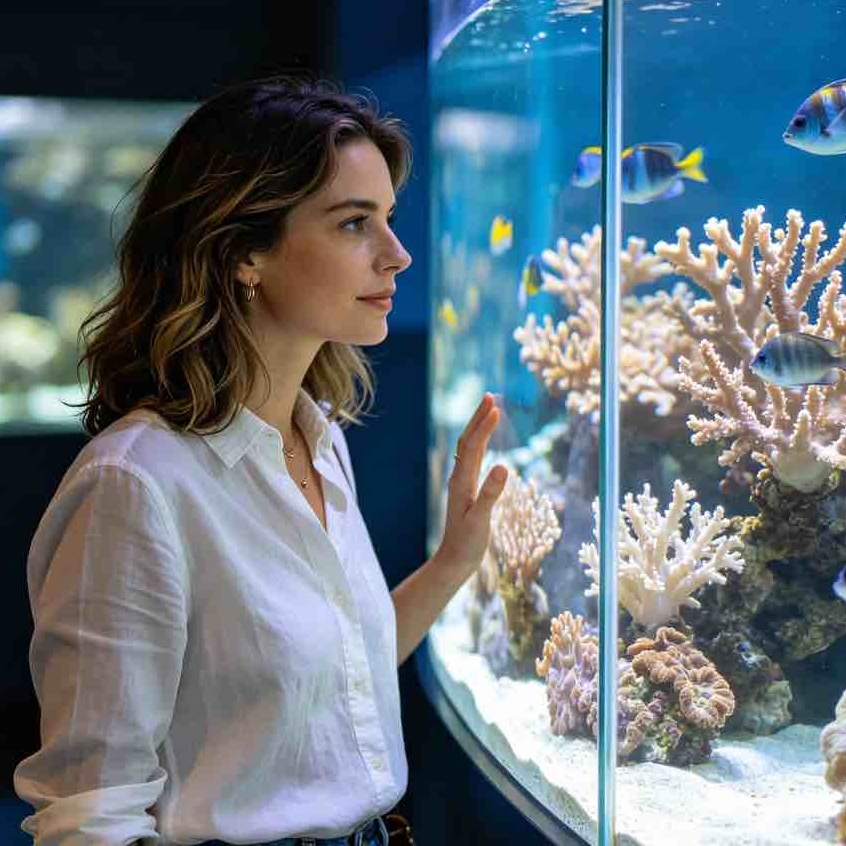
B-roll is the primary tool for "showing, not telling." An establishing shot of a rain-slicked neon street immediately tells the viewer the story is noir, urban, and perhaps lonely. This environmental storytelling happens in the B-roll layer, setting the stage for the narrative to unfold.
The Taxonomy of B-Roll: Different Types for Different Needs
Not all supplemental footage is created equal. To build a compelling visual library, creators must capture a variety of B-roll types:
- Establishing Shots: Wide shots that provide the "where" and "when." This might be a drone shot of a city skyline or a slow pan across a quiet office.
- Cutaway Shots: These deviate from the main action to show something related in the same environment. If two people are arguing in a kitchen, a cutaway might be a shot of a boiling pot on the stove, symbolizing the rising tension.
- Insert Shots (Detail Shots): Extreme close-ups of specific objects mentioned in the narrative. This could be a pen scratching on paper, a flickering lightbulb, or a hand gripping a steering wheel.
- Point of View (POV) Shots: Footage that shows the world through the subject's eyes. It creates an immediate sense of intimacy and empathy.
- Archival and Stock Footage: Sometimes, the necessary B-roll cannot be shot. Historical documentaries rely heavily on archival B-roll, while commercial projects might use high-quality stock footage to represent locations they couldn't visit.
How to Shoot B-Roll Like a Professional
One of the most common mistakes in video production is treating B-roll as an afterthought. High-quality B-roll requires as much intentionality as the main interview.
The 10-Second Rule
A frequent frustration in the editing room is finding a beautiful shot that only lasts two seconds. Professional cinematographers suggest holding every B-roll shot for at least 10 seconds. This provides the editor with enough "heads" and "tails" to transition smoothly and gives the footage room to breathe if a slow-motion effect is needed later.
The Five-Shot Sequence
This is a foundational technique used by news crews and documentary filmmakers to ensure they have enough coverage to tell a mini-story within the B-roll. The sequence includes:
- Close-up of hands: What is being done?
- Close-up of face: Who is doing it?
- Medium shot: Where are they in the room?
- Over-the-shoulder shot: How is it being done from their perspective?
- Wide or creative shot: What is the broader context or a unique angle?
By capturing these five shots for any given action, you guarantee that the editing process will be fluid and visually diverse.
Intentional Movement vs. Stability
While handheld footage can provide a "vibe" of authenticity, shaky and unmotivated movement can look amateur. Use tripods for static detail shots. If movement is required, ensure it is motivated. A slow "reveal" pan or a subtle slider move adds production value. In 2026, the use of gimbal-stabilized shots has become a standard, but the trend is shifting back toward purposeful, slightly organic handheld movement to avoid an overly "robotic" digital feel.
Organizing and Labeling for Efficiency
When a project involves hours of B-roll, the editing process can become a nightmare without proper organization. Professionals use a "stringout" or a B-roll selects sequence. This involves laying out all the usable B-roll on a single timeline, categorized by theme or location, before starting the actual edit. This bird's-eye view of the available assets prevents the editor from forgetting a "golden nugget" hidden deep in the raw files.
Labeling is equally critical. Using metadata tags like "CU" (Close-Up), "WS" (Wide Shot), or "EXT" (Exterior) allows for quick searching within the NLE. In the current landscape, many AI-driven editing tools can now auto-tag B-roll based on visual recognition, identifying objects, people, and moods, which significantly speeds up the assembly phase.
The Ethics and Legality of Supplemental Footage
When using B-roll that you didn't personally film—such as stock footage or archival clips—it is essential to navigate the legalities of licensing. Using "royalty-free" footage doesn't mean it is free of charge; it means you pay once and don't have to pay ongoing royalties. Always ensure you have the correct license for the intended distribution platform, whether it’s for a local presentation or a global broadcast.
Furthermore, when shooting B-roll in public spaces, be mindful of privacy. While "fair use" often applies to news gathering, commercial projects usually require model releases for any recognizable faces and property releases for private landmarks. It is generally safer to focus B-roll on textures, objects, and anonymous silhouettes if releases aren't obtainable.
B-Roll in the Age of Vertical Video and AI
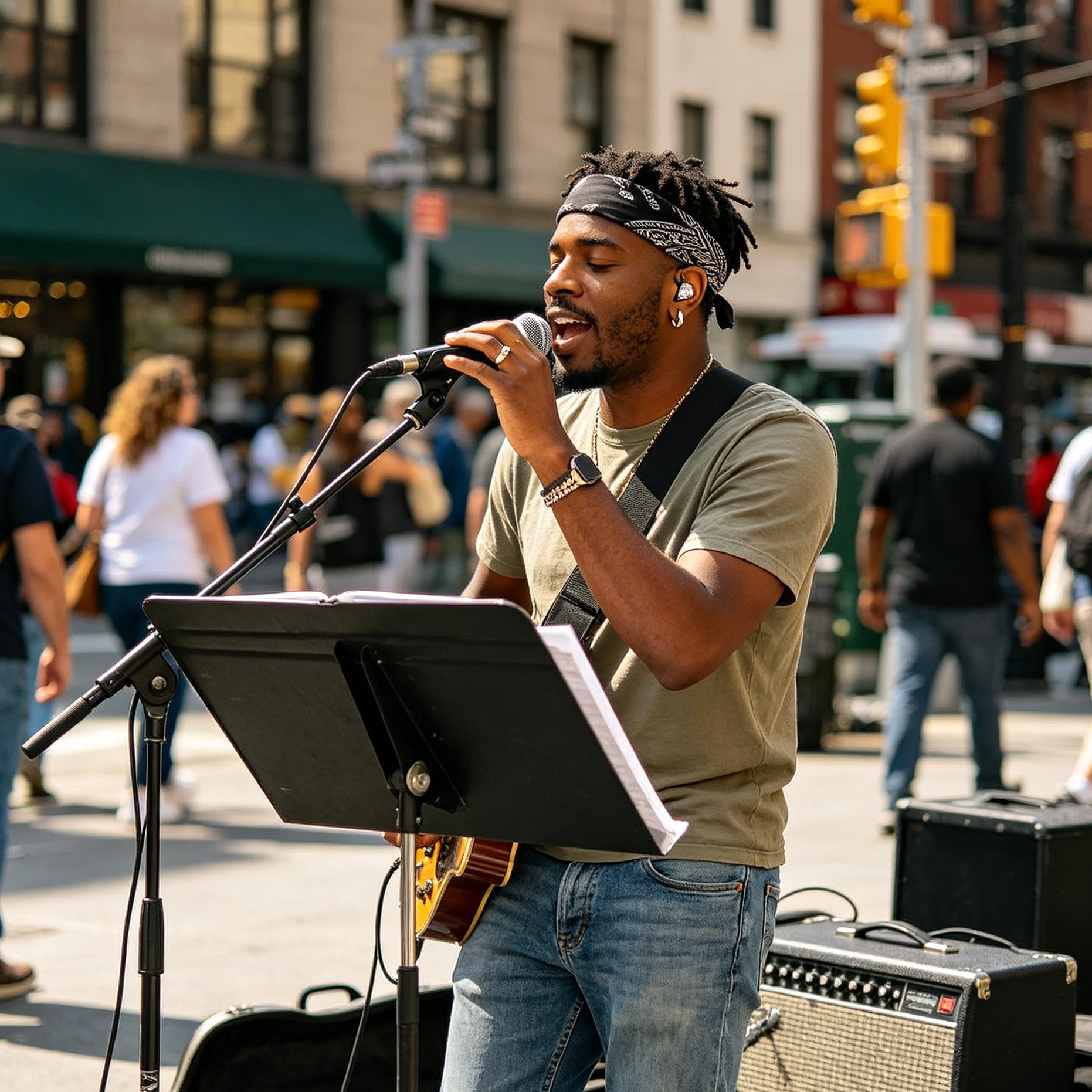
As of 2026, the definition of B-roll is expanding. With the dominance of vertical video (TikTok, Reels, Shorts), B-roll has become more fast-paced. "Aesthetic B-roll"—often shot on smartphones with high-quality sensors—is now a genre in itself. These are short, moody clips of daily life used to create "vlogs" where the visual narrative is often more important than the spoken word.
Additionally, AI-generated B-roll is becoming a viable tool for filling gaps in production. If a creator needs a shot of a "futuristic laboratory in the rain" but lacks the budget to build a set, AI can generate supplemental clips that match the lighting and color grade of the original A-roll. However, the most successful creators use AI-generated B-roll sparingly, prioritizing authentic, captured footage to maintain a human connection with their audience.
Practical Application: The B-Roll Scavenger Hunt
For those looking to improve their skills, a practical exercise is the "Scavenger Hunt." Take a camera into a mundane environment—like a coffee shop or a library—and attempt to capture 20 unique B-roll shots without filming a single person's face. Focus on:
- The play of light on a surface.
- The mechanical movement of a machine.
- The texture of a rug or a book cover.
- The condensation on a window.
This exercise forces you to look for the "meaning" in the details, which is the essence of great B-roll.
Conclusion: Elevating the Narrative
B-roll is not "secondary" in terms of importance; it is secondary only in terms of the order of the layers in your edit. It is the connective tissue of visual storytelling. By understanding the historical meaning of B-roll and applying modern shooting techniques like the five-shot sequence and the 10-second rule, you can transform a simple video into a cinematic experience.
Whether you are covering a jump cut in a YouTube tutorial or building the atmospheric tension of a feature film, B-roll is the tool that allows you to control the pace, the mood, and the information flow. It is the difference between an audience that watches for ten seconds and an audience that stays until the final frame.
-
Topic: Capturing B-Rollhttps://static.pbslearningmedia.org/media/media_files/c45ab6be-c8ff-4a40-911c-91bd5ed0fb98/48740c66-e138-4b44-8249-bb1d42825052.pdf
-
Topic: B-roll - Wikipediahttps://en.m.wikipedia.org/wiki/B-roll_footage
-
Topic: What is B-roll footage and why is it important? - Adobehttps://www.adobe.com/creativecloud/video/discover/b-roll.html