 Home
Home
DeepAI Text to Image Generator Enables Rapid Visual Prototyping Without Complex Prompting
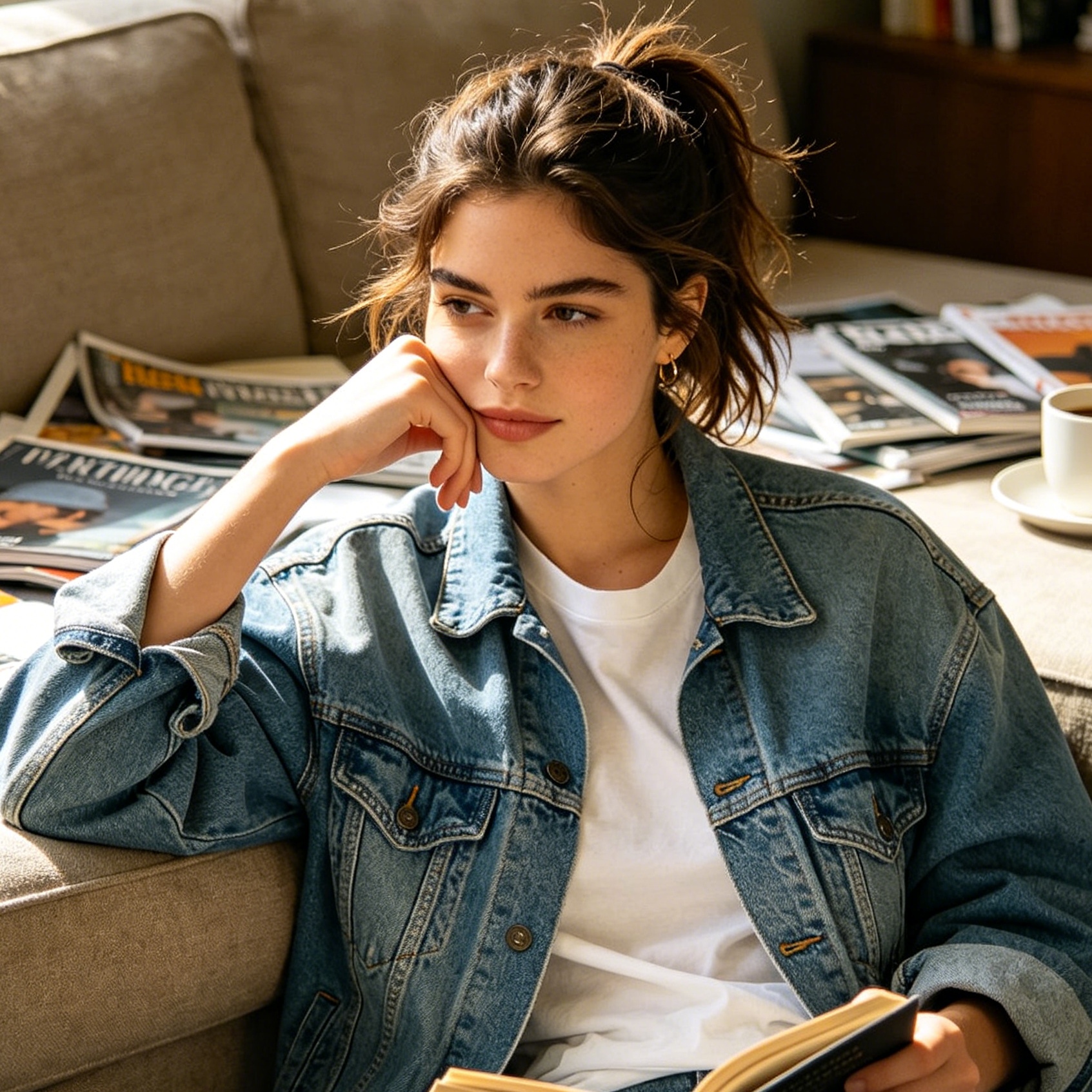
DeepAI stands as a pioneer in the generative artificial intelligence landscape, having launched its first browser-based text-to-image generator in 2016. At a time when AI image generation required complex local environments and high-end GPUs, DeepAI democratized access by providing a simple, web-based interface. Today, it remains a vital tool for creators, developers, and hobbyists who prioritize speed and ease of use over the hyper-technical prompt engineering required by more complex platforms.
Understanding the DeepAI Text to Image Framework
The core functionality of the DeepAI text-to-image generator is built upon the synthesis of natural language processing and computer vision. Unlike many modern tools that demand highly structured "weighted" prompts, DeepAI is designed to interpret conversational English. When a user inputs a description, the underlying neural networks—which have evolved from early Generative Adversarial Networks (GANs) to sophisticated latent diffusion models—analyze the semantic meaning and correlate it with a vast dataset of visual features to render a unique image.
The platform's longevity has allowed it to refine its "vibe." While competitors like Midjourney lean towards high-fashion aesthetics and DALL-E 3 focuses on literal accuracy, DeepAI often produces results that have a distinct "digital art" or "concept sketch" quality. This makes it particularly effective for the ideation phase of a project, where a quick visual representation of a concept is more valuable than a finished, photorealistic masterpiece.
Analyzing the Four Tiers of Generation Quality
DeepAI does not use a one-size-fits-all model. It categorizes its image generation into four distinct modes, each serving a specific user need regarding resolution and detail.
Standard Mode
This is the baseline generator, accessible to everyone, often without a sign-up. It is optimized for speed. In our testing, images in Standard mode generate in under three seconds. The trade-off is resolution and complexity. It is ideal for "brainstorming sessions" where you need to see if a color palette or basic composition works before committing resources to higher-quality renders.
HD Mode
The HD mode marks a significant step up in clarity. It reduces the "smudging" effect often seen in low-resolution AI art. For users creating content for social media or blog thumbnails, HD provides enough pixel density to look professional on mobile screens. It handles textures like fur, metal, and fabric with much higher fidelity than the standard model.
Genius Mode
Genius Mode is where the platform competes with contemporary heavyweights. It utilizes a larger parameter model that demonstrates superior "prompt adherence." If you specify three distinct objects in a scene, Genius Mode is much more likely to include all three without blending them into a surreal mess. In a practical scenario, prompting for "a steampunk explorer holding a blue lantern in a rainy London street" results in a coherent scene where the lighting from the lantern interacts realistically with the raindrops and the metallic gears of the character's outfit.
Super Genius 2K
This is the flagship offering for professional-grade output. It generates images at 2K resolution (2048 pixels), which is suitable for print media and high-definition web hero sections. Beyond just more pixels, Super Genius 2K introduces advanced artistic detailing, such as realistic depth-of-field (bokeh) and sophisticated global illumination. It is a tool for the "final polish" stage of digital creation.
Practical Creative Experience with DeepAI Styles
One of the most powerful aspects of the DeepAI ecosystem is its massive library of over 100 artistic styles. These are not just filters applied after the fact; they are integrated into the generation process itself.
The Impact of Style Selection
When a user selects a style like "Cyberpunk," the AI prioritizes neon color palettes, high-contrast lighting, and futuristic architectural motifs. Conversely, selecting "Watercolor" shifts the model's priority to soft edges, pigment bleeding effects, and paper textures.
In our creative workflow simulations, we tested the "Surrealist" style with the prompt: "A clock melting over a desert canyon." The result captured the essence of Dali-esque aesthetics, with a balanced composition that felt intentional rather than accidental. For developers building themed applications, these pre-set styles act as an invaluable "aesthetic shortcut," removing the need to manually describe the artistic medium in every prompt.
List of High-Performance Styles
- Photorealistic: Focuses on lighting, shadows, and skin textures to mimic a high-end camera.
- Anime: Adheres to modern Japanese animation standards, with clean line art and vibrant cel-shading.
- Fantasy World: Perfect for concept art for games, emphasizing grand scales and magical elements.
- Old Oil Painting: Simulates brushstrokes and varnish cracking for a historical feel.
- Abstract Art: Focuses on form and color rather than literal representation.
Pricing and Accessibility for Pro and Casual Users
DeepAI has maintained a highly competitive pricing model that appeals to both individuals and enterprise-level users. Its transparency in billing is a significant trust factor in an industry often criticized for "hidden" credit consumption.
The Free Tier
DeepAI remains one of the few platforms that allows users to "try before they buy" without aggressive barriers. The free access is ad-supported and limited to standard models, but it provides a "sandbox" environment for beginners to understand the logic of AI art.
DeepAI Pro Subscription
At a price point of approximately $4.99 to $9.99 per month (depending on current promotional cycles and updates), the Pro plan is positioned as one of the best values in the market. Key benefits include:
- Ad-Free Experience: Streamlines the creative workflow.
- Access to Genius and Super Genius: Essential for high-quality outputs.
- Private Generations: Free tier images are often added to a public gallery; Pro users can keep their creations private, which is a non-negotiable requirement for many commercial projects.
- Priority Processing: During peak hours, Pro users stay at the front of the queue.
Pay-As-You-Go Credits
For users who do not want a monthly commitment, DeepAI offers credit bundles (e.g., $5 for a specific number of AI calls). These credits do not expire, making it the perfect choice for "project-based" creators who might need 1,000 images this week and none for the next three months.
DeepAI for Developers: Integrating the API
Beyond the web interface, DeepAI offers a robust REST API that allows developers to integrate text-to-image capabilities directly into their own websites, mobile apps, or internal tools.
Technical Ease of Integration
The API is designed for simplicity. A standard request involves sending a JSON object with the prompt and the chosen style to a specific endpoint. Because it is a REST API, it can be called from almost any programming language, including Python, JavaScript, Ruby, and PHP.
Example Use Case for Developers: A real estate platform could use the DeepAI API to generate "conceptual staging" photos. By inputting the dimensions and style of a room, the API can generate a visual of what that room would look like with "Modern Scandinavian Furniture." This adds a layer of interactive value to the platform without the need for expensive photoshoots or manual 3D rendering.
Reliability and Scaling
DeepAI’s infrastructure is built to handle high volume. Since they serve millions of requests, their API uptime is enterprise-grade. Developers also benefit from the "Super Resolution" API, which can be used to upscale user-uploaded images, adding an extra tool to their software's belt.
Ownership and Commercial Rights
A recurring concern for AI artists is: "Who owns the image?" DeepAI takes a very user-friendly stance on this.
Public Domain and Copyright
DeepAI generally considers the outputs of its models to be in the public domain. This means that users are free to use the images for commercial purposes, including marketing materials, book covers, and even NFTs. However, because they are in the public domain, you may not be able to claim exclusive "copyright" over the image in some jurisdictions, as current law often requires human authorship.
From a practical business perspective, this "no-string-attached" approach is a major advantage. You don't have to worry about complex royalty sharing or licensing tiers based on the number of views your image gets.
Strategic Comparison: DeepAI vs. Midjourney vs. DALL-E 3
To understand where DeepAI fits in your toolkit, it’s important to compare it to the "Big Three."
| Feature | DeepAI | Midjourney | DALL-E 3 |
|---|---|---|---|
| Ease of Use | Highest (Web-based) | Moderate (Discord-based) | High (Chat-based) |
| Prompt Complexity | Low (Conversational) | High (Parameters/Weights) | Low (Natural Language) |
| Generation Speed | Extremely Fast | Slow to Moderate | Moderate |
| Artistic Control | Style-based (100+) | Extremely Deep | Limited to Chat |
| Price Point | Budget Friendly | Premium | Part of ChatGPT Plus |
DeepAI wins on speed and accessibility. If you need an image now and don't want to spend 20 minutes tweaking prompts in a Discord channel, DeepAI is the superior choice. However, if you are an artist looking for hyper-realistic human anatomy (like hands and eyes), Midjourney still holds a technical edge.
Pro Tips for Better Results on DeepAI
While DeepAI is easy to use, there is a "skill ceiling" that separates casual users from power users.
- Detail the Lighting: Don't just say "a cat." Say "a cat sitting under a harsh neon spotlight with volumetric fog." DeepAI's Genius mode excels at rendering lighting effects.
- Combine Style Keywords with Pre-sets: Even if you select the "Cyberpunk" style, adding keywords like "8k resolution," "unreal engine 5," or "ray tracing" to your prompt can nudge the model toward higher detail.
- Use Negative Prompting (via API): Advanced users can specify what they don't want in an image (e.g., "no blurry faces," "no distorted limbs") to improve the success rate of generations.
- Iterative Refinement: Start with a simple prompt in Standard mode. Once you like the composition, copy that prompt, move to Genius mode, and add more specific details.
The Ecosystem Beyond Images: A Unified AI Platform
DeepAI is more than a text-to-image generator; it is an "all-in-one" creative suite. This integration creates a unique workflow that competitors lack.
- AI Video Generator: Once you've generated an image you love, you can use the Video Generator to bring it to life with motion.
- AI Photo Editor: You can upload your generated image and use text prompts to "add a hat" or "change the background to a beach," allowing for non-destructive editing.
- Super Resolution: If a generation is perfect but too small, the built-in upscaler can increase the size by 4x without losing detail.
- AI Chat Integration: You can use the Genius Chat mode to help you write better prompts for the Image Generator, creating a self-sustaining creative loop.
AI for Good: DeepAI's Social Impact
DeepAI is one of the few AI companies that publicly shares its involvement in conservation and research. Their computer vision technology has been used in:
- Wildlife Protection: Monitoring endangered species in Africa.
- Planetary Defense: Helping identify asteroids from telescope data.
- Environmental Surveys: Using satellite imagery to map greenery in the UAE.
Knowing that the platform you use for your creative projects is also contributing to global scientific efforts adds a layer of ethical value to the subscription.
Frequently Asked Questions (FAQ)
What is the best prompt for DeepAI?
There is no single "best" prompt, but the most successful ones usually follow a Subject + Action + Setting + Lighting + Medium structure. For example: "A majestic lion (Subject) roaring (Action) on a cliffside (Setting) at golden hour (Lighting) in a digital painting style (Medium)."
Is DeepAI really free?
Yes, you can use the standard image generator for free without an account. However, you will see ads, and the images are lower resolution compared to the Pro versions.
Can I use DeepAI images for my YouTube channel or book?
Yes, DeepAI grants full commercial rights to users. The images are essentially in the public domain, making them safe for monetized content.
Why do some faces look distorted in the free version?
Lower-resolution models (Standard) have fewer parameters to dedicated to fine details like eyes and teeth. For high-quality human portraits, it is recommended to use "Genius Mode" or the "HD" model.
Does DeepAI have an app?
DeepAI offers a mobile app and a Chrome extension, allowing you to generate images directly from your browser's toolbar or on the go.
Summary
DeepAI remains a cornerstone of the generative AI world by focusing on "radical accessibility." While other platforms have become increasingly complex and expensive, DeepAI has stayed true to its 2016 mission of making AI tools simple for everyone. Whether you are a developer looking for a reliable API, a marketer needing quick social media assets, or a hobbyist exploring the limits of your imagination, the DeepAI text-to-image generator offers a powerful, fast, and cost-effective solution. By leveraging its "Genius" modes and vast style library, anyone can transform a simple sentence into a compelling visual work of art.









