Home
Home
Everything Possible With ChatGPT From Advanced Research to Complex Workflows

ChatGPT is a generative artificial intelligence chatbot developed by OpenAI that has fundamentally altered how humans interact with digital information. At its core, it is a versatile AI assistant designed to engage in natural language conversations, but its modern iterations have expanded far beyond simple text responses. Today, ChatGPT functions as a sophisticated engine for coding, multimodal content creation, deep academic research, and complex data visualization.
The name "GPT" stands for Generative Pre-trained Transformer, referring to the underlying neural network architecture that allows the model to predict and generate coherent sequences of information. Since its initial public release in November 2022, it has evolved through multiple model generations—from the early GPT-3.5 to the highly advanced GPT-4o and the specialized reasoning models like the o1 and o3 series.
Understanding the Engine Behind the Conversation
To appreciate what ChatGPT can do, it is essential to understand the technology that powers it. The model is built on Large Language Models (LLMs), which are massive neural networks trained on petabytes of internet data, including books, articles, code repositories, and academic papers.
How Training Shapes Performance
During its initial training phase, the model learns the statistical patterns of human language. It does not "know" facts in the way a database does; instead, it predicts the next most likely token (word or part of a word) in a sequence based on the context provided by the user.
However, raw pattern recognition is not enough to make an AI helpful or safe. OpenAI employs a critical secondary process called Reinforcement Learning from Human Feedback (RLHF). In this stage, human trainers review thousands of model-generated responses and rank them based on accuracy, politeness, and utility. This "fine-tuning" is what transforms a raw statistical model into a conversational partner that can follow instructions, admit mistakes, and reject inappropriate requests.
The Role of Context Windows
One of the most important technical aspects of ChatGPT is its context window. This refers to the amount of information the model can "keep in mind" during a single session. Recent updates have significantly expanded this window, allowing users to upload entire books or complex codebases for the AI to analyze without losing track of the earlier parts of the conversation.
Core Capabilities of the Modern ChatGPT Ecosystem
While many people first used ChatGPT to write poems or basic emails, its current feature set covers nearly every aspect of digital productivity.
Natural Language Mastery and Content Creation
ChatGPT remains the gold standard for text-based tasks. It can adapt its tone and style to match specific requirements, whether you need a formal legal summary, a casual blog post, or a creative screenplay.
- Drafting and Editing: It can generate first drafts of complex documents and then iteratively refine them based on feedback.
- Summarization: By pasting long articles or uploading PDFs, users can receive concise executive summaries that highlight key takeaways.
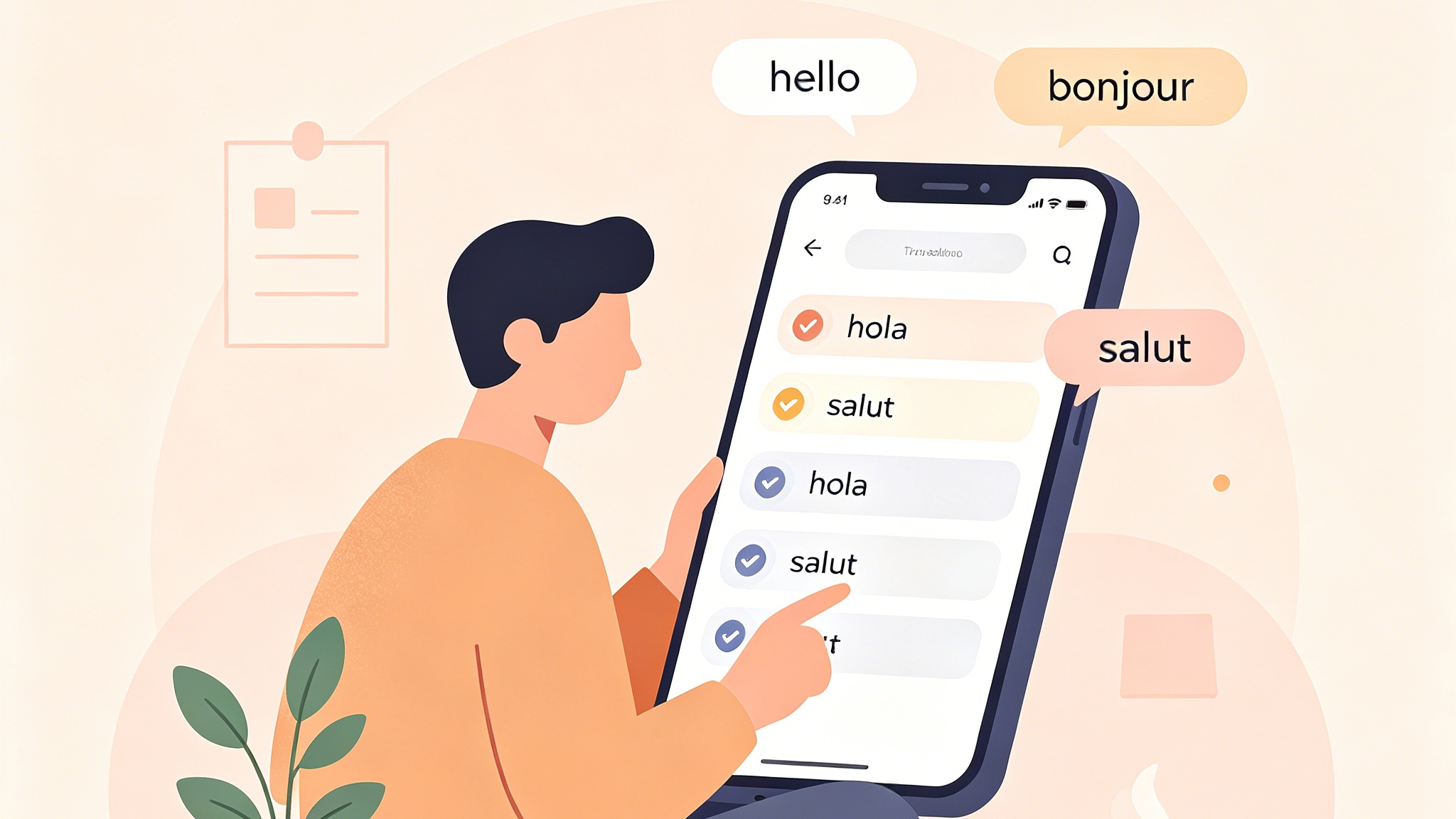
- Translation: Supporting over 50 languages, ChatGPT provides context-aware translations that often surpass traditional dictionary-based translation tools by understanding idioms and cultural nuances.
Advanced Coding and Technical Debugging
For developers, ChatGPT has become an indispensable pair-programmer. It supports dozens of programming languages, including Python, JavaScript, C++, and Rust.
- Code Generation: You can describe a functional requirement (e.g., "Write a Python script to scrape stock prices and save them to a CSV"), and the AI will provide the complete, commented code.
- Bug Detection: If a script isn't running, pasting the error log and the code into ChatGPT often yields an immediate diagnosis and a corrected version of the script.
- System Architecture: It can help design database schemas or explain how to integrate different APIs within a cloud environment.
Multimodal Input and Output
ChatGPT is no longer restricted to text. The integration of GPT-4o and newer models like ImageGen 2.0 has made the platform truly multimodal.
- Image Generation: Using natural language prompts, users can create high-fidelity illustrations, marketing mockups, or conceptual art.
- Vision Capabilities: Users can upload a photo of a broken appliance or a screenshot of a complex chart, and ChatGPT can diagnose the problem or explain the data trends visible in the image.
- Voice Mode: The mobile app allows for real-time, hands-free voice conversations with incredibly low latency. This is particularly useful for language practice or brainstorming while driving via CarPlay integration.
Advanced Features for Professional Workflows
As the platform has matured, OpenAI has introduced specialized tools designed for high-intensity professional use. These features separate ChatGPT from basic chatbots and turn it into a comprehensive workspace.
Deep Research Mode
For tasks that require more than a quick answer, Deep Research mode allows ChatGPT to perform multi-step online investigations. Instead of providing a single response, the AI browses dozens of sources, synthesizes the information, and produces a structured report with full citations. This is a game-changer for market analysts, students, and writers who need verified, up-to-date data on complex topics.
The Canvas Interface
One of the most significant UI innovations is "Canvas," a separate editing window that opens alongside the chat. In our experience, Canvas is where real work happens. It allows for:
- Inline Editing: You can highlight a specific paragraph and ask the AI to "make this more punchy" or "add more detail," and the AI edits the text directly in the window without rewriting the entire response.
- Code Review: In coding mode, Canvas provides a side-by-side view where the AI can suggest improvements, add comments, or fix bugs while the user retains full control over the file.
- Version Control: You can easily revert to previous versions of the draft if a particular direction doesn't work out.
Data Analysis and Visualization
By uploading spreadsheets (CSV, Excel), users can turn ChatGPT into a data scientist. The model writes and executes Python code in the background to:
- Clean messy datasets by removing duplicates or formatting errors.
- Create interactive charts, heatmaps, and trend lines.
- Perform statistical tests to find correlations between variables.
Memory and Personalization
ChatGPT can now remember details across different conversations. If you tell it your preferred coding style, your business goals, or your dietary restrictions, it will store these as "Memories." In future chats, it will automatically tailor its advice based on this context, reducing the need for repetitive prompting. Users maintain full control over this feature and can view or delete specific memories at any time.
Navigating the Subscription Tiers and Model Versions
The landscape of ChatGPT models can be confusing due to the rapid pace of updates. As of late 2025 and early 2026, the service is categorized into several tiers.
The Free and Plus Plans
- Free Plan: Provides access to standard models like GPT-4o mini with limited usage of advanced tools like image generation and data analysis.
- Plus ($20/month): The standard for power users. It offers significantly higher message limits, early access to new features like Voice Mode and Canvas, and full access to the GPT Store.
The Professional Tiers
Newer "Pro" tiers have been introduced to cater to high-intensity users and enterprises:
- Pro ($100/month): Designed for developers and researchers. It includes unlimited access to top-tier models like GPT-5.4 and expanded "Codex" usage for long programming sessions.
- Pro ($200/month): The highest usage option, offering maximum priority during peak times and the largest possible context windows for massive data processing.
Custom GPTs and the GPT Store
Users can create their own "GPTs"—customized versions of ChatGPT that are pre-loaded with specific instructions and private knowledge files. These can be kept private for personal use or published to the GPT Store. Examples include a "Research Assistant" that only cites academic journals or a "Creative Writing Coach" trained on a specific author's style.
Real-World Use Cases Across Industries
How is ChatGPT actually being used today? The applications are as diverse as the users themselves.
In Education and Learning
Students use ChatGPT as a 24/7 tutor. Instead of just asking for answers, many use it to "explain this concept like I'm five" or to generate practice quizzes based on their lecture notes. It is also a powerful tool for learning new languages through immersive conversation.
In Marketing and Sales
Marketing teams use the AI to brainstorm campaign slogans, generate SEO-friendly product descriptions, and analyze customer sentiment from review transcripts. The ability to generate images directly in the chat allows for rapid prototyping of visual advertisements.
In Software Development
Beyond just writing code, developers use ChatGPT to explain legacy codebases that lack documentation. It acts as a bridge, helping engineers translate logic from one language to another or helping them stay updated on the latest frameworks and libraries.
In Personal Organization
On a daily basis, users leverage ChatGPT to plan travel itineraries, create meal plans based on what's in their fridge, and draft difficult emails to landlords or employers. The integration with apps like Google Drive and Microsoft Outlook allows the AI to help manage calendars and organize files directly.
Limitations, Ethics, and Best Practices
Despite its capabilities, ChatGPT is not infallible. Understanding its limitations is crucial for using it responsibly.
The Problem of Hallucinations
"Hallucination" is the term for when the AI generates information that sounds confident and logical but is factually incorrect. This happens because the model is predicting language patterns rather than querying a factual database. Users should always verify critical information, especially in the legal, medical, or financial sectors.
Data Privacy and Security
When you interact with ChatGPT, your data may be used to further train future versions of the model. While OpenAI provides "Temporary Chat" modes and enterprise-grade privacy for business users, individual users should be cautious about sharing highly sensitive personal or proprietary information.
Algorithmic Bias
Because the AI was trained on human-generated internet data, it can occasionally reflect the biases—social, political, or cultural—present in that data. OpenAI continuously works to mitigate these biases through RLHF, but users should remain aware that the model's perspective is a reflection of its training set.
How to Write Better Prompts
To get the most out of ChatGPT, the quality of the prompt is key. "Prompt Engineering" isn't about magic words; it's about providing context.
- Assign a Role: "Act as an expert senior software engineer."
- Provide Context: "I am building a web app for a small bakery."
- Define the Output: "Give me the answer in a bulleted list with code snippets."
The Future: From Chatbot to AI Agent
The trajectory of ChatGPT is moving toward "agentic" behavior. This means the AI won't just talk to you; it will do things for you. Features like "Atlas," the ChatGPT-integrated browser, and "Agentic Mode" allow the AI to navigate the web, book appointments, and manage workflows across different websites autonomously.
As the models move toward GPT-5 and beyond, the gap between human reasoning and AI output continues to shrink. Whether you are using it for a simple question or a multi-week research project, ChatGPT has become an essential layer of the modern digital experience.
Conclusion
ChatGPT has evolved from a viral curiosity into a foundational tool for the digital age. By mastering its core features—from text generation and coding to multimodal analysis and deep research—users can significantly enhance their productivity and creativity. However, the most effective users are those who treat the AI as a collaborator rather than a replacement, maintaining a critical eye on its outputs and leveraging its strengths while being mindful of its limitations.
Frequently Asked Questions
Is ChatGPT free to use?
Yes, OpenAI offers a free version of ChatGPT that uses a very capable model. However, paid subscriptions like Plus or Pro offer higher limits, faster response times, and access to advanced features like ImageGen 2.0, Deep Research, and Canvas.
Can ChatGPT access the internet?
Yes, ChatGPT can browse the internet in real-time to provide up-to-date information on current events, news, and research. This feature is available to most users but may have higher limits on paid plans.
How do I use ChatGPT for data analysis?
You can upload files like Excel spreadsheets or CSVs directly into the chat. Once uploaded, you can ask the AI to summarize the data, find trends, or create visualizations like charts and graphs.
Is my data safe with ChatGPT?
OpenAI provides various data controls. You can turn off chat history and training in your settings. For businesses, OpenAI offers Enterprise and Team plans that provide much higher levels of data security and guarantee that your data is not used for training.
What is the difference between GPT-4o and GPT-o1?
GPT-4o is optimized for speed and multimodal capabilities (voice, vision, text), making it great for daily interactions. The "o1" and "o3" series are "reasoning" models designed for complex problem-solving in math, science, and coding, where they take more time to "think" before responding.
-
Topic: ChatGPT Capabilities Overview | OpenAI Help Centerhttps://help.openai.com/en/articles/9260256-chatgptcapabilities-overview
-
Topic: ChatGPT — Release Notes | OpenAI Help Centerhttps://help.openai.com/pt-pt/articles/6825453-chatgpt-release-notes?utm_source=chatgpt.com
-
Topic: ChatGPT - Wikipediahttps://en.wikipedia.org/wiki/ChatGPT?amp=1&q=world+cup