Home
Home
Exploring PixVerse AI and the Future of Real-Time Video Generation
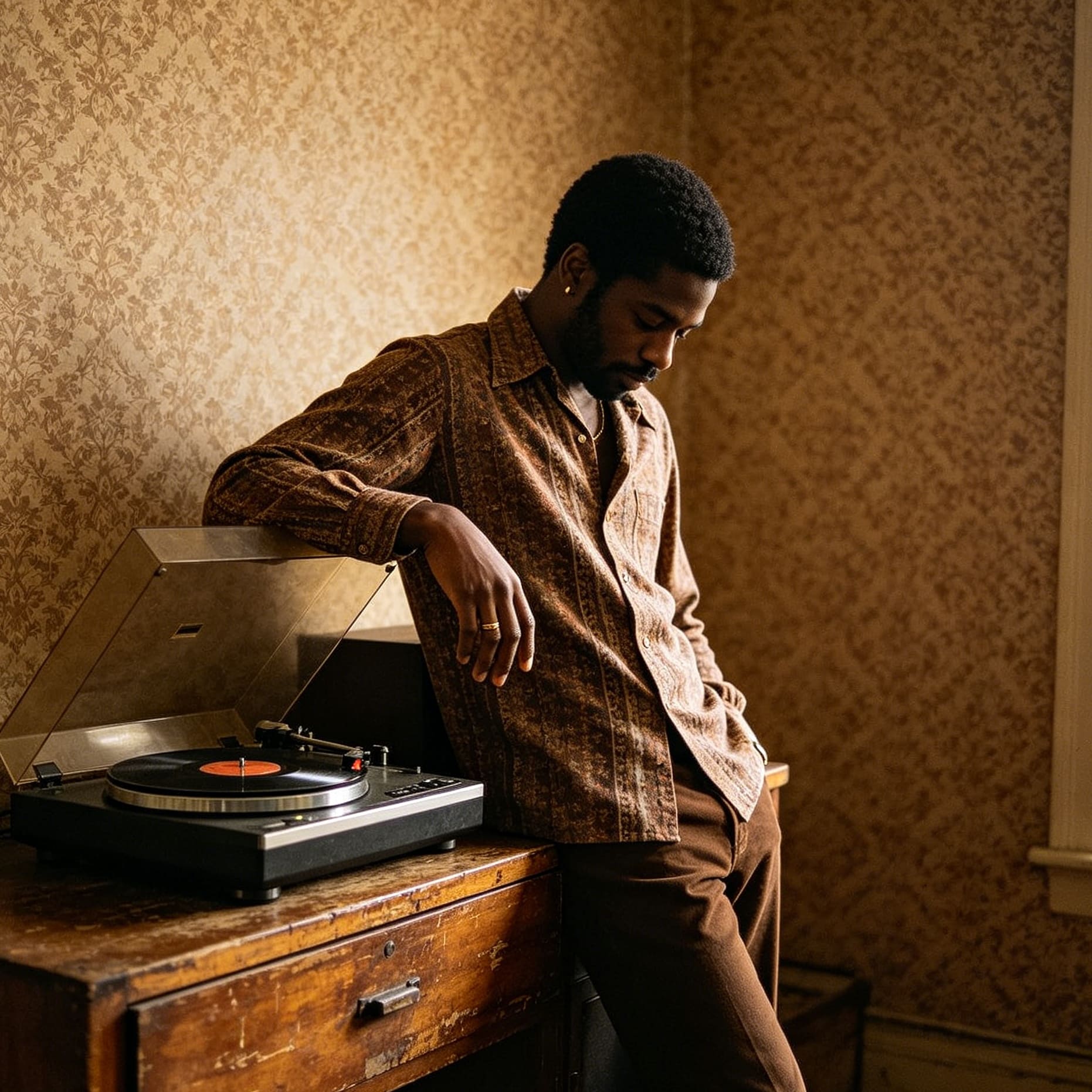
Generative AI has fundamentally shifted the boundaries of digital content creation, moving from static images to dynamic, high-fidelity video in record time. At the heart of this revolution is PixVerse, a powerhouse generative AI platform that has quickly ascended to become a leading choice for creators worldwide. Whether you are looking to animate a family portrait, generate a cinematic sci-fi trailer from a simple sentence, or tap into the latest viral social media trends like the "AI Hug," PixVerse provides a comprehensive suite of tools designed to democratize professional-grade video production.
This in-depth exploration covers everything from the platform's core capabilities and recent technical breakthroughs in its V5.6 and R1 models to practical strategies for mastering the art of AI cinematography.
Defining PixVerse: More Than Just a Video Generator
PixVerse is a sophisticated multi-modal AI platform capable of transforming text prompts and static images into fluid, high-resolution video clips. Unlike early iterations of AI video tools that often produced jittery or surreal motion, PixVerse leverages a proprietary blend of Diffusion and Transformer (DiT) architectures. This allows it to understand complex physical laws, maintain character consistency, and deliver aesthetic quality that rivals traditional animation studios.
With a global user base exceeding 100 million and a recent $60 million Series B funding round led by industry giants, PixVerse is no longer just a startup; it is a vital pillar of the global AI video ecosystem. Its accessibility—available via web browsers and mobile apps (iOS and Android)—ensures that high-end video creation is no longer gated behind expensive hardware or years of technical training.
The Core Features of the PixVerse Ecosystem
The platform’s versatility is its greatest strength. It caters to a spectrum of needs, from quick social media memes to enterprise-level marketing assets.
Text-to-Video: Turning Dreams into High-Definition Reality
The text-to-video feature is the gateway for most users. By entering a descriptive prompt, the AI parses the semantics of the language and synthesizes a corresponding visual sequence.
In testing the latest V5.5 and V5.6 models, the prompt adherence has shown remarkable improvement. For instance, a prompt such as "A cinematic wide shot of a futuristic cyberpunk city under heavy rain, neon lights reflecting on wet pavement, 4k, hyper-realistic" results in a clip where the lighting dynamics are physically plausible. The reflections aren't just static overlays; they shift according to the movement of the virtual camera.
Image-to-Video: Breathing Life into Stillness
This is perhaps the most popular tool for photographers and digital artists. By uploading a single image—be it a portrait, a landscape, or a character design—PixVerse can animate it while preserving the original style and integrity.
A significant differentiator here is the Character Reference and Action Mimicry capability. If you have a character design and want them to perform a specific dance or gesture, PixVerse can map the motion from a reference video onto your static image, ensuring the character’s features do not "melt" or transform inconsistently during the movement.
AI Templates and Viral Effects
PixVerse has become a social media sensation largely due to its "One-Click" templates. These pre-packaged prompts and narratives allow users to generate trending content instantly.
- AI Hug & AI Kiss: These templates use advanced subject-interaction algorithms to create realistic social interactions between two subjects in a photo.
- AI Muscle & Transformation: Popular for fitness and "glow-up" content, these effects apply seamless transitions to subjects.
- The Venom Effect: A viral sensation that creates a "symbiote" transformation, which has garnered over a billion views across platforms like TikTok and Instagram.
Technical Milestones: From V5.6 to the R1 World Model
The rapid evolution of PixVerse is marked by its frequent model updates, each significantly raising the bar for what is possible in AI video.
The Power of the V5.6 Model
Released in early 2026, the V5.6 model represents the current pinnacle of production-grade AI video. Its primary focus is Audio-Visual Consistency. Earlier AI videos were silent or required third-party tools for sound. V5.6 integrates native audio generation, including:
- Emotional Lip-Sync: In multi-character dialogue scenarios, the AI synchronizes mouth movements with generated speech while maintaining emotional facial expressions.
- Sound Effect Alignment: Footsteps, rain, or engine roars are synchronized with the visual action, creating a far more immersive experience.
- Atmospheric Music: The model can generate background scores that match the "vibe" of the visual prompt.
PixVerse R1: The Real-Time World Model
The announcement of PixVerse R1 marked a shift from "generating clips" to "simulating worlds." R1 is a real-time 1080p world model that streams continuous, interactive video.
Traditional AI video models are "offline"—you send a request, wait a minute, and get a 5-second clip. PixVerse R1, however, uses an Instantaneous Response Engine. This allows for:
- Interactive Storytelling: Users can change the prompt or "nudge" the scene with a cursor in real-time, and the video stream adapts immediately without re-rendering.
- Infinite Streaming: By utilizing autoregressive memory, R1 removes the standard clip-length limits, allowing for a continuous visual narrative that remains physically consistent.
- AI-Native Gaming and Simulations: R1 provides the foundation for immersive environments where the world reacts to the player's inputs in 1080p resolution with ultra-low latency.
Advanced Controls for Professional Creators
For those looking to move beyond basic generation, PixVerse offers professional-grade controls that allow for precise creative direction.
Multi-Frame Control and Keyframing
One of the most difficult tasks in AI video is controlling the trajectory of motion. PixVerse solves this by allowing users to upload a "start frame" and an "end frame" (and up to 7 intermediate keyframes). The AI then interpolates the motion between these points, giving the creator control over exactly how a scene unfolds.
Cinematic Camera Movements
The platform includes over 20 built-in camera motions. Instead of relying on the AI to decide the perspective, you can explicitly command movements such as:
- Dolly Zoom: For creating a sense of unease or realization.
- Pan and Tilt: To reveal large-scale environments.
- Crane Shots: For epic, sweeping views.
Region-Based Editing
With the "Remix" and "Editing" features, users can modify specific elements of a video without changing the entire scene. You can swap the background, change a character's clothing, or alter the lighting from "golden hour" to "midnight" while keeping the core action intact.
Use Cases: How PixVerse is Being Used Today
The impact of PixVerse spans various industries, proving its utility as a versatile business tool.
Digital Marketing and E-Commerce
Agencies use PixVerse to create high-converting video ads from product photos. A static image of a watch can be transformed into a luxury cinematic close-up with light glinting off the glass and a blurred urban background—produced in seconds for a fraction of the cost of a traditional shoot. Statistics suggest a 68% cost reduction for teams adopting PixVerse for their B-roll and promotional assets.
Education and Storytelling
Independent filmmakers and educators use the platform to visualize complex concepts or historical events. The "Multi-shot" feature allows for the creation of structured scenes with consistent characters, making it possible to produce short films. Notable examples include AI-generated shorts like "Kiyosumi Shirakawa" and "Soul Matters," which have been featured at international film festivals.
Social Media Influence
For influencers, the "Swap" and "Remix" features are game-changers. They allow for community-driven co-creation, where fans can "star" in a creator’s video or remix a viral dance challenge with their own AI-generated style. This creates a "content loop" that drives engagement and virality.
Mastering the Prompt: Tips for High-Quality Output
To get the most out of PixVerse, understanding how to communicate with the model is essential.
- Be Descriptive but Concise: Instead of "a car," use "a vintage red convertible driving along a coastal highway at sunset, cinematic lighting, motion blur."
- Use Stylistic Keywords: Mentioning specific film stocks (e.g., "35mm film"), lighting styles ("volumetric lighting," "chiaroscuro"), or artistic influences can dramatically alter the aesthetic.
- Adjust the Motion Parameter: PixVerse allows you to set a "Motion" score. A lower score (1-4) is better for subtle movements like hair blowing in the wind, while a higher score (7-10) is necessary for high-action scenes like car chases.
- The Importance of Seeds: If you find a style or character you like, save the "Seed" number. This allows you to replicate the same visual environment in future generations, ensuring consistency across a series of clips.
The Ethical and Responsible Use of AI Video
As a leader in the field, PixVerse emphasizes responsible AI adoption. The platform employs robust content filtering systems to block NSFW (Not Safe For Work) or inappropriate content. Furthermore, they have introduced "Ethical Attribution" for their Remix feature, ensuring that when a video is remixed, the original creator is credited in the comments, fostering a sustainable and respectful creative community.
At the UN AI for Good Global Summit 2025, PixVerse was recognized for its initiatives in using AI video to highlight social and environmental issues, such as their #AIforGood short film contest.
Comparing PixVerse: Why It Stands Out
In a crowded market with competitors like Runway, Luma, and Pika, PixVerse carves out its niche through three main pillars:
- Speed: It is consistently cited as one of the fastest generators, with "Turbo Mode" producing high-quality 1080p clips in under 30 seconds.
- Cost-Performance: Its "freemium" model is generous, and its enterprise pricing is highly competitive for the level of visual fidelity provided.
- The "Interactive" Edge: With the R1 model, PixVerse is currently the only major player offering a true real-time world simulation experience, moving beyond static clip generation.
Summary
PixVerse has evolved from a simple video generation tool into a comprehensive "Video Intelligence" ecosystem. By bridging the gap between abstract imagination and cinematic reality, it empowers everyone—from solo creators to global enterprises—to tell their stories visually. With the introduction of the V5.6 model's audio-visual synchronization and the R1 model's real-time interaction, the platform is not just keeping pace with the AI industry; it is defining its future trajectory.
FAQ
What is the difference between PixVerse V5 and R1? V5 (and its iterations like V5.6) is designed for high-quality, offline video generation focused on production and cinematic realism. R1 is a "Real-Time World Model" designed for instantaneous, interactive video streaming, where the scene reacts to user inputs in real-time.
Can I use PixVerse for free? Yes, PixVerse typically operates on a credit-based "freemium" model. Free accounts receive a set amount of daily credits for generation. Paid subscriptions offer higher resolution, watermark removal, and commercial usage rights.
How do I maintain character consistency? You can use the "Character Reference" feature by uploading a photo of your character. The AI will then use that image as a baseline for all subsequent video generations, ensuring the person or subject remains the same across different scenes.
What is the maximum resolution supported? PixVerse supports exports up to 1080p and has previously pioneered the industry's first 4K AI video model for specific enterprise workflows.
Does PixVerse support audio? Yes, with the latest V5.6 update, PixVerse supports native audio generation, including sound effects, music, and emotional lip-syncing for characters.
-
Topic: Frontier Al Research and Products that Redefine the Future of Video Intelligence | PixVersehttps://pixverse.ai/en
-
Topic: PixVerse | Create Amazing AI Videos from Text & Photos with AI Video Generatorhttps://www.pixverseai.com/
-
Topic: Introducing Pixverse Next Gen AI Video Creation | Pixel Dojo Newshttps://pixeldojo.ai/news/introducing-pixverse-next-gen-ai-video-creation