Home
Home
Higgsfield Soul 2.0 Delivers the Realistic Aesthetic AI Photography Has Been Missing

The transition from "AI-generated art" to "digital photography" has long been the missing link in generative media. While general-purpose models excel at creating surreal landscapes or stylized illustrations, they often falter when tasked with high-end editorial photography. The results frequently suffer from a "plastic" skin texture, generic lighting, or a lack of cultural nuance. Higgsfield Soul 2.0 enters this space not as another generic generator, but as a specialized foundation model engineered specifically for creative direction, fashion-aware visuals, and unparalleled character consistency.
By focusing on the "shot, not generated" philosophy, Soul 2.0 addresses the two primary pain points of professional creators: aesthetic intentionality and identity stability. Unlike its predecessors, this model is "culture-native," possessing a sophisticated understanding of modern visual trends, fashion eras, and the subtle interplay between human subjects and professional lighting environments.
The Technical Foundation of Culture-Native Generation
At its core, Higgsfield Soul 2.0 is built on a proprietary foundation architecture that prioritizes human aesthetics over abstract pattern matching. Most large-scale models are trained on massive, uncurated datasets, leading to a "mean" aesthetic that feels safe but unremarkable. Soul 2.0 deviates by integrating a curated layer of high-end editorial data, teaching the model to recognize professional photographic compositions, specific lens characteristics, and the way light interacts with diverse skin tones and fabric types.
Being "culture-native" means the model understands specific aesthetics that are often lost in translation with other AI tools. For instance, when a user prompts for a "Y2K studio look" or "Frutiger Aero aesthetics," Soul 2.0 does not just add blue tints or glossy textures. It understands the specific lighting rigs, camera angles (such as low-angle wide shots), and color grading palettes associated with those specific cultural movements. This depth of understanding allows creators to bypass the exhaustive prompt engineering typically required to force a model out of its default "AI style."
Solving the Identity Crisis with Soul ID
The most significant barrier to using AI in long-form storytelling or brand campaigns is character consistency. In traditional workflows, a model’s face changes slightly with every new prompt, making it impossible to build a cohesive narrative. Soul 2.0 solves this via Soul ID, a personalization system that locks a digital identity across infinite scenes.
Training the Soul ID
To establish a consistent character, Soul 2.0 requires a training set of approximately 10 to 20 photos. Unlike older LoRA (Low-Rank Adaptation) methods that could take hours and result in "baked-in" lighting or poses, Soul ID training is optimized for speed and flexibility. In our observation of the workflow, the process takes roughly three minutes. Once trained, the Soul ID acts as a persistent anchor.
Identity Stability Across Styles
The true power of Soul ID lies in its ability to maintain facial structure and micro-expressions even when the environment changes drastically. Whether the character is placed in a "Mystique City" night shoot or a "Natural Light" outdoor setting, the underlying identity remains recognizable. This is critical for virtual influencers and brand ambassadors who need to appear in diverse campaigns while maintaining a singular, trusted face.
Editorial Presets and Precision Control
Professional photography relies on "vibes" and "moods" rather than just subjects and objects. Soul 2.0 internalizes this through a library of over 30 curated presets designed to emulate specific camera looks and art-directed environments.
Analyzing Key Presets
- Mystique City: Focuses on high-contrast urban environments with neon accents and cinematic bokeh. It mimics the look of a 35mm lens with a wide aperture.
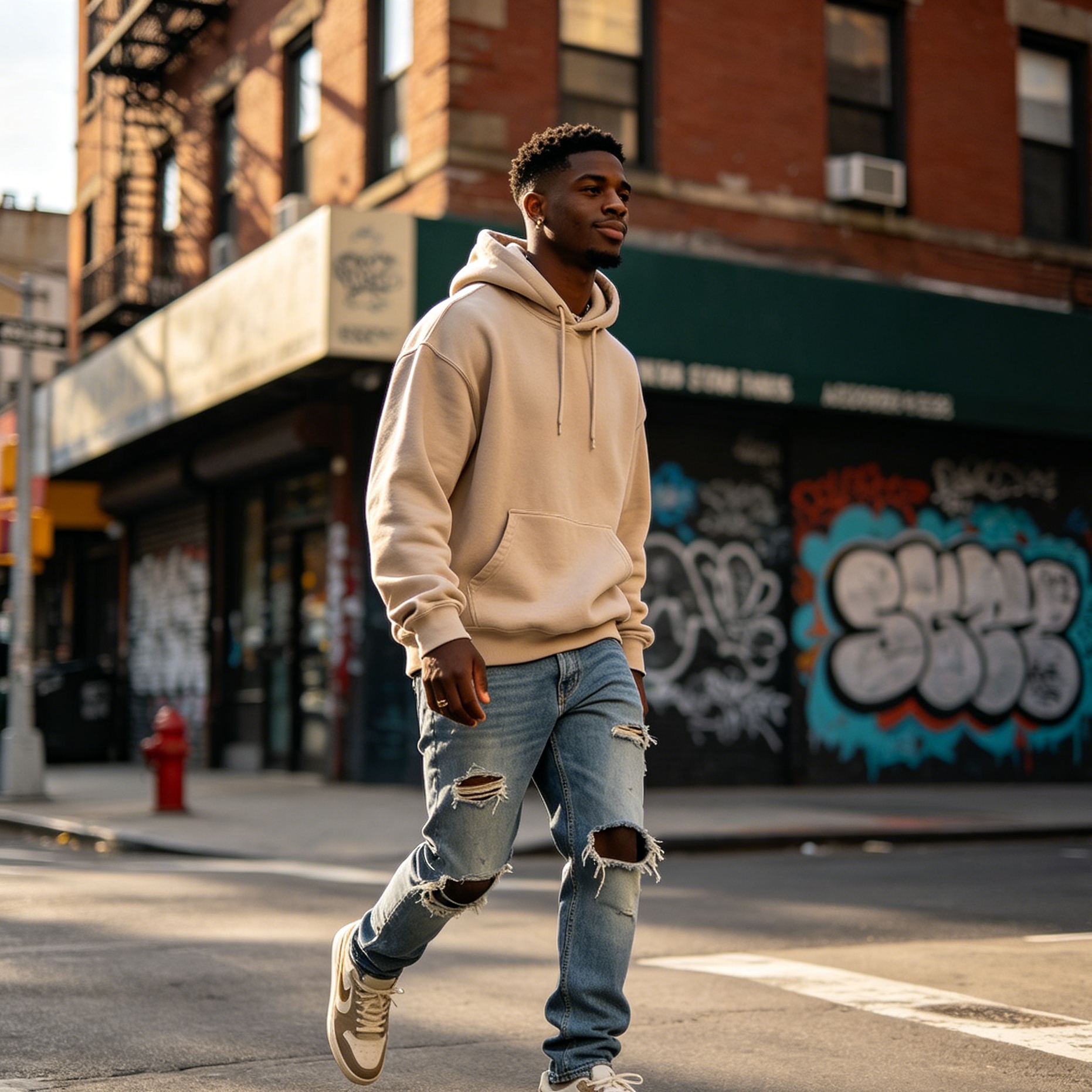
- Editorial Street Style: Prioritizes spontaneous poses and authentic lighting. It captures the "paparazzi" or "off-duty model" aesthetic popular in modern fashion magazines.
- Y2K Studio: Replicates the high-gloss, slightly overexposed look of early 2000s fashion photography, including the specific chromatic aberration and lens flares of that era.
- Old Smartphone: For creators looking for a "lo-fi" or UGC (User Generated Content) feel, this preset introduces realistic sensor noise and the specific focal compression of mobile devices.
These presets are more than just filters; they change the model’s understanding of the prompt. Instead of the user needing to specify "f/1.8, ISO 400, softbox lighting," selecting a preset allows the model to handle the technical photographic heavy lifting.
Soul Reference and Soul Hex: Visual Guidance Beyond Text
Text prompts are often insufficient for conveying complex visual ideas like "atmosphere" or "color harmony." Soul 2.0 introduces two features to bridge this gap: Soul Reference and Soul Hex.
Soul Reference for Compositional Logic
Soul Reference allows users to upload a foundation image—perhaps a sketch or a Pinterest find—and use it as a structural guide. The model interprets the lighting direction and the positioning of elements, then populates the scene with the user's Soul ID character. This is particularly useful for recreating specific poses that text prompts struggle to describe accurately.
Soul Hex for Color and Tone
Soul Hex focuses specifically on the color palette. By uploading a reference image with a desirable color grade, the model extracts the hex-code relationships and applies that specific "color soul" to the new generation. This ensures that a multi-image campaign maintains a consistent tone, even if the subjects and locations vary.
Why Soul 2.0 Outperforms Generalist Models in Realism
In our testing, we compared Soul 2.0 against current industry leaders like Flux.1 and Midjourney v6.1. The difference is most apparent in three technical areas:
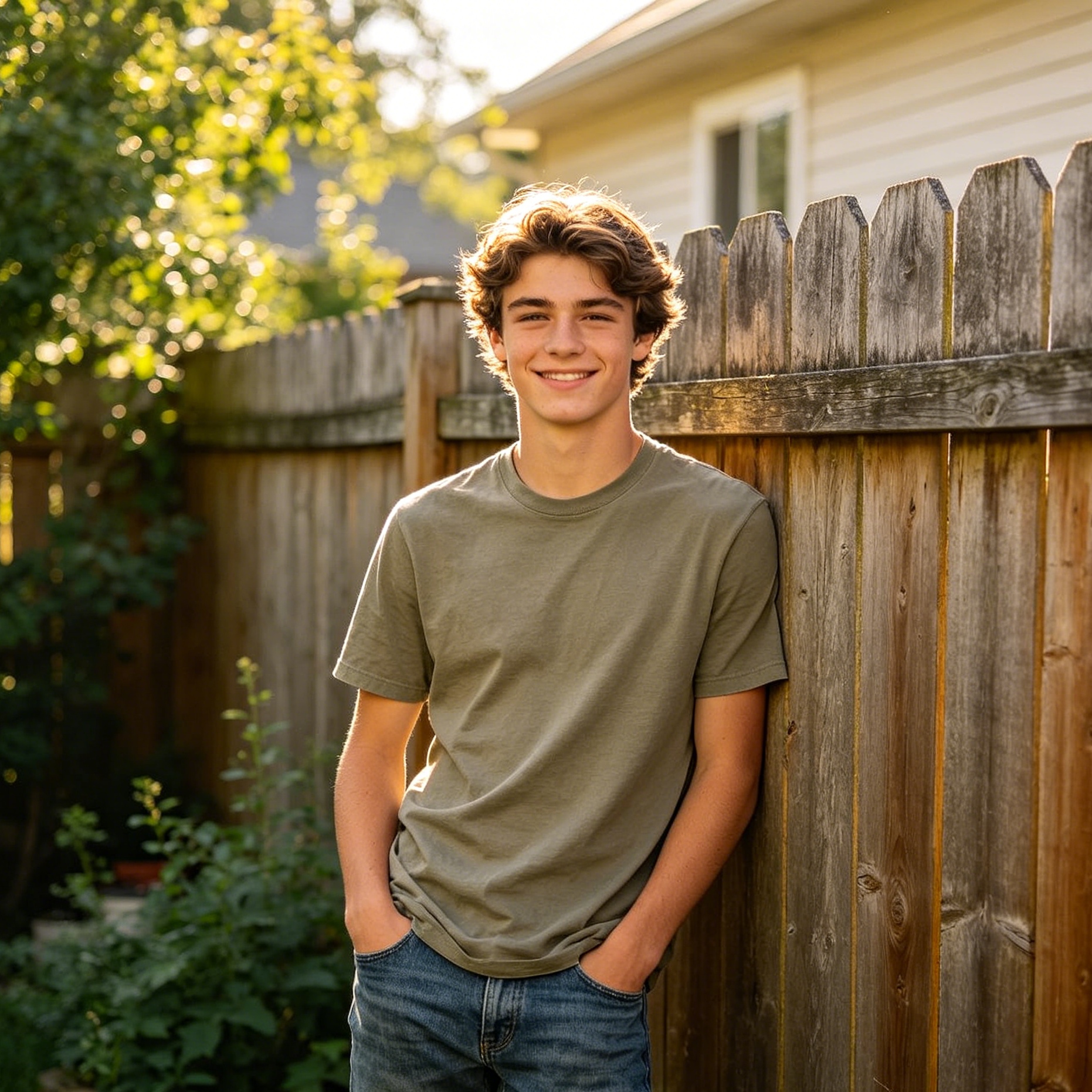
- Skin Micro-Textures: Generalist models often over-smooth skin, creating a "porcelain" effect. Soul 2.0 retains realistic pores, fine lines, and the natural sheen of skin under flash photography. It avoids the "uncanny valley" by allowing for slight imperfections that signal authenticity to the human eye.
- Fabric Physics: The way a silk dress drapes versus a heavy wool coat is a nuance Soul 2.0 handles with high fidelity. The model understands the weight and translucency of materials, which is vital for e-commerce and fashion design.
- Lighting Interaction: Soul 2.0 excels at "spill light"—the way a bright red shirt might cast a subtle pink hue onto the subject's jawline. These secondary light bounces are what make a photo feel "shot" in a real environment rather than composited in a digital space.
Industry Applications for Higgsfield Soul 2.0
Fashion and Editorial Campaigns
For fashion houses, the cost of a physical photoshoot—including models, hair/makeup, location permits, and lighting crews—can be prohibitive for smaller collections. Soul 2.0 allows brands to generate high-resolution (up to 2K) campaign visuals that are indistinguishable from professional photography. By using Soul ID, they can ensure the "face" of the brand remains consistent across the entire seasonal lookbook.
Social Media and UGC Ads
In the era of TikTok and Instagram, ads that look like "ads" are often skipped. Marketers are using Soul 2.0 to generate lifestyle content that feels like organic UGC. The "Old Smartphone" and "Street Style" presets are particularly effective here, allowing brands to test hundreds of visual variations in minutes to see which "vibe" resonates most with their audience.
Virtual Influencers and Digital Persona Building
The rise of virtual influencers requires a tool that can place a character in any situation—from a red carpet event to a casual coffee shop—without the character looking like a different person each time. Soul 2.0 provides the stability needed to build a long-term digital persona with a "locked" identity and a unique visual style.
Workflow Guide: Getting the Best Results from Soul 2.0
To maximize the potential of Soul 2.0, a structured approach is recommended.
- Character Foundation: Start by curating a high-quality set of 20 images for your Soul ID. Ensure these images have varied lighting and angles but clear facial visibility.
- Preset Selection: Rather than writing a 500-word prompt, select a preset that matches your desired aesthetic first. This sets the "base reality" for the model.
- Refined Prompting: Use descriptive but concise prompts focused on the action and the clothing. Soul 2.0 already understands the "style" via the preset, so focus your text on the "content."
- Reference Layering: If you have a specific composition in mind, use Soul Reference. It is often more effective to show the model a composition than to describe it.
- Upscaling for Print: While the base generation is high-quality, for editorial use, utilize the model’s native 2K rendering capabilities to ensure sharp textures in large-format displays.
The Future of Visual Taste in AI
Higgsfield Soul 2.0 represents a shift in the AI industry from "quantity of data" to "quality of taste." By embedding creative direction and cultural awareness into the model’s DNA, it empowers creators who may not have the technical skills of a prompt engineer but possess the eye of an art director. As AI continues to evolve, the focus will increasingly move toward these specialized, high-aesthetic models that prioritize the human element of photography.
Summary
Higgsfield Soul 2.0 is a specialized foundation model that prioritizes photographic realism and character consistency. Through its Soul ID system and culture-native presets, it provides a professional-grade toolkit for fashion, editorial, and branding work. By moving away from the generic aesthetics of all-purpose models, it allows creators to produce visuals that feel authentic, art-directed, and culturally relevant.
FAQ
What is the main difference between Soul 2.0 and other AI models?
Soul 2.0 is specifically tuned for high-end fashion and editorial aesthetics. Unlike general models that produce "digital-looking" art, Soul 2.0 focuses on photographic realism, skin textures, and cultural awareness (understanding specific fashion trends and eras).
How many photos do I need to create a consistent character with Soul ID?
You need at least 10 to 20 photos of the person to train a Soul ID. The training process typically takes about three minutes, after which you can generate that character in any pose, style, or lighting.
Can I use Soul 2.0 for commercial projects?
Yes, images generated with Soul 2.0 are available for commercial use, making it a viable tool for professional campaigns, social media ads, and brand lookbooks.
Does Soul 2.0 support image-to-image generation?
Yes, features like Soul Reference and Soul Hex allow you to use existing images to guide the composition, lighting, and color palette of your new generations, providing much higher control than text-only prompts.
What resolution does Soul 2.0 support?
The model supports various aspect ratios and can render high-resolution images up to 2K, which is suitable for most digital platforms and high-quality editorial prints.
-
Topic: Higgsfield Soul 2.0 - High Aesthetic AI Photo Generation Modelhttps://higgsfield.ai/soul-intro
-
Topic: Higgsfield Soul 2.0 - 높은 심미성의 AI 사진 생성 모델https://higgsfield.ai/ko/soul-intro
-
Topic: AI NEWS: SOUL 2.0 by Higgsfield · HIGGSFIELDhttps://www.skool.com/higgsfield-7889/ai-news-soul-20-by-higgsfield