Home
Home
How AI Photo Editors Are Redefining Professional Image Quality for Everyone
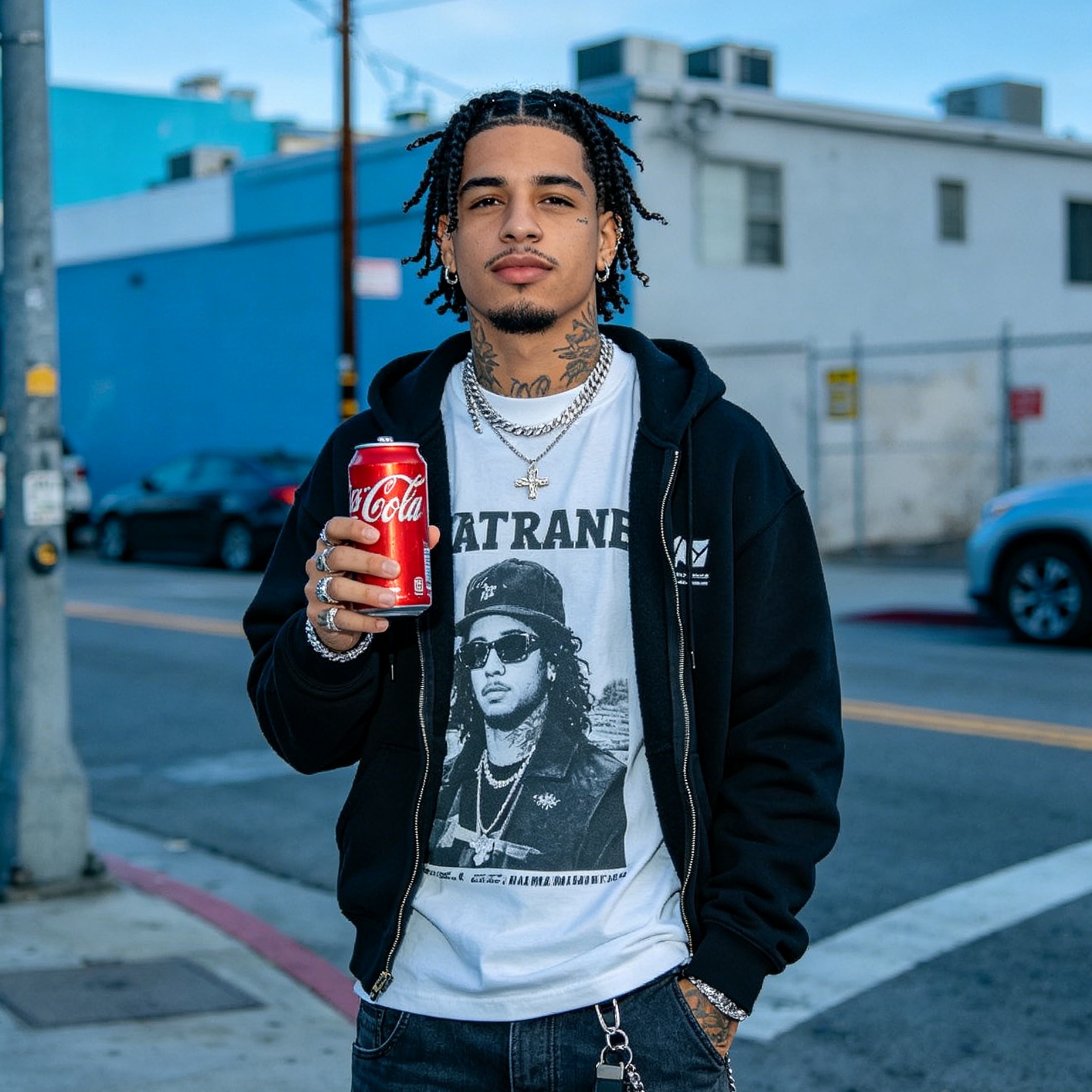
The landscape of visual content creation has shifted from meticulous, pixel-by-pixel manual labor to high-level intent-based processing. Image editing was once a specialized skill requiring years of mastery over complex software interfaces, layers, and masking techniques. Today, a new generation of AI photo editors—powered by advanced neural networks and generative models—is democratizing professional-grade results, allowing anyone to transform a simple snapshot into a high-end masterpiece in seconds.
What is an AI Photo Editor and How Does it Work?
An AI photo editor is a software application that integrates machine learning algorithms to automate or assist with image manipulation tasks. Unlike traditional editors that rely on manual input for every slider adjustment, AI tools "understand" the semantic content of an image. They can distinguish between a human face, a stray tree branch, and the texture of a leather jacket, applying specific logic to each element.
The technology behind these editors generally falls into two categories:
- Computer Vision: This allows the software to identify subjects and segments. For example, when you use a "one-click background remover," the AI is utilizing computer vision to create a precise mask around the subject, recognizing edges even in complex areas like flyaway hair.
- Generative AI: This goes beyond mere adjustment. Using technologies like diffusion models, generative AI can "invent" new pixels. When you remove an object from a photo, the AI doesn't just leave a hole; it predicts what should have been behind that object based on the surrounding environment and paints it back in seamlessly.
Why the Shift from Manual to AI-Driven Editing is Permanent
The adoption of AI in photography is not just a trend; it is a fundamental shift in efficiency. For creative professionals and businesses, time is the most valuable resource. In a typical workflow, a photographer might spend 10 minutes per photo on basic color grading and skin retouching. With AI-assisted tools like Adobe Lightroom's masking or specialized apps like Picsart, that same process is condensed into less than 30 seconds.
Beyond speed, consistency is the major driver. For e-commerce brands managing thousands of product listings, maintaining the same lighting, shadow depth, and background color across different SKUs is nearly impossible with manual editing alone. AI editors provide a unified "look" through automated batch processing, ensuring that a digital storefront remains cohesive and professional.
Key Capabilities of Modern AI Image Editors
To understand why these tools are becoming essential, we must look at the specific capabilities that were previously considered "impossible" or "extremely difficult" for non-professionals.
Intelligent Object and Background Removal
Traditional "cloning" and "healing" tools often left visible smudges or repetitive patterns. Modern AI editors, such as those used by Pict.ai or CapCut, utilize context-aware fill. If you remove a photobomber from a beach scene, the AI analyzes the waves, the sand's texture, and the lighting angle to fill the void. The result is an edit that looks like the object was never there to begin with.
Generative Expansion and Filling
One of the most impressive feats of current AI is the "Generative Expand" feature. If you have a vertical photo that needs to be a horizontal banner, the AI can "hallucinate" the missing parts of the scene. It understands the architecture of a building or the flow of a landscape, extending the image boundaries while maintaining the original perspective and lighting.
AI Retouching and Beauty Tools
Portrait photography has been revolutionized by AI-driven beauty tools. Unlike the "plastic" look of early filters, modern AI retouching—found in apps like Pic AI : Creative Editor—focuses on "frequency separation" logic. It can smooth skin texture while preserving the natural pores and fine details, brighten eyes without making them look unnatural, and even adjust lighting on a face as if a physical reflector was used during the shoot.
Low-Light Enhancement and Upscaling
AI excels at noise reduction and resolution enhancement. Traditional sharpening often introduces grain and artifacts. However, AI upscalers like Topaz Photo AI or the built-in enhancers in CapCut use deep learning to reconstruct missing details. This allows photographers to rescue "ruined" shots taken in low-light environments or print low-resolution web images at large scales without losing clarity.
Navigating the Landscape: Which AI Editor Should You Choose?
The market is currently flooded with AI-powered options. Choosing the right one depends entirely on your specific use case, technical background, and output requirements.
For the Professional: Adobe Ecosystem and Luminar Neo
If you require granular control, the integration of Firefly AI into Adobe Photoshop and Lightroom remains the standard. These tools allow for a hybrid workflow where you use AI for heavy lifting—like masking a complex sky—but retain manual control over the final color grade. Luminar Neo is another strong contender for enthusiasts, offering specialized AI tools for sky replacement and "relighting" a scene after it has been shot.
For Social Media and Content Creators: Picsart and CapCut
For those who need to produce high volumes of content for platforms like Instagram, TikTok, or YouTube, speed and "fun" factors are paramount. Picsart offers an all-in-one studio with AI filters, avatar generators, and stickers. CapCut, while primarily known for video, has a robust online image editor that provides excellent AI color correction and low-light enhancement for free, making it a favorite for quick, high-quality social posts.
For Quick Fixes and E-commerce: Pict.ai and Specialized Web Tools
When the goal is a singular task—like removing a background for a product shot or upscaling a logo—browser-based tools like Pict.ai are superior. These platforms often use text-based instructions ("Make the sky more dramatic" or "Change the background to a minimalist office"), removing the learning curve entirely. They are ideal for business owners who do not want to install heavy software or pay for expensive monthly subscriptions for occasional tasks.
Real-World Case Study: Managing an E-commerce Catalog with AI
In my own experience managing a small-scale fashion boutique's digital presence, the transition to AI tools was a game-changer. We were faced with a catalog of 200 items that needed to be ready for a seasonal launch within three days.
The Challenge
The original photos were taken in a makeshift studio with inconsistent lighting. Some backgrounds were slightly off-white, and many images had distracting shadows on the floor.
The AI Workflow
- Background Standardization: We used a batch-processing AI tool (similar to Photoroom or CapCut's web interface) to strip all original backgrounds. The AI successfully handled the complex edges of lace and sheer fabrics, which would have taken a human editor hours per image.
- Shadow Reconstruction: Using generative AI, we added a subtle, consistent "drop shadow" to every product. This created a sense of depth that made the items look "grounded" on the white background.
- Color Accuracy: We utilized AI color correction to match the digital image to the physical fabric. By identifying a "true white" in the scene, the AI automatically adjusted the white balance across the entire set.
The Result
What used to be a two-week outsourcing project was completed in-house in approximately four hours. The total cost was less than a single month's subscription to a premium AI service, and the conversion rate on the website increased because the imagery was uniform and professional.
How to Get the Best Results from Your AI Editor
While AI is powerful, it is not infallible. To get professional results, users must learn how to "guide" the AI.
- Be Specific with Prompts: If you are using a text-based editor like Pict.ai, a prompt like "make it better" will yield random results. Instead, try: "Increase the exposure by 10%, add a warm sunset glow to the highlights, and blur the background with a f/1.8 bokeh effect."
- The 80/20 Rule: Use AI for the 80% of the work that is repetitive and boring (masking, cleaning, basic color). Spend the remaining 20% of your time on the "human touch"—fine-tuning the artistic direction and ensuring the emotional tone of the image is correct.
- Watch for Artifacts: AI can sometimes struggle with fingers, complex overlapping patterns, or text. Always zoom in to 100% to check the edges where the AI has made a generative fill.
Common Pitfalls: Avoiding the "Over-Edited" AI Look
One of the biggest risks of using an AI photo editor is the tendency to over-process. "AI Face" or "Uncanny Valley" skin is a common result of pushing beauty sliders too far. To maintain authenticity:
- Lower the Opacity: Many AI tools allow you to adjust the intensity of an effect. Always try setting your AI retouching to 50-70% instead of 100%.
- Respect the Original Lighting: If the AI suggests a sky replacement that has a sun in the top-left corner, but the shadows on your subject are falling to the left, the image will look fake. Ensure the AI's generative additions match the original physics of the scene.
What is the Future of AI in Photography?
As we look toward 2025 and beyond, AI photo editors will move further into "multimodal" territory. We are already seeing the emergence of tools that can convert a single photo into a 3D model or a short animation (as seen in the "Pic AI" app). The distinction between a "photo" and a "digital creation" will continue to blur.
Furthermore, we can expect AI to become more proactive. Imagine an editor that suggests crops based on successful historical social media data or an AI that automatically adjusts your photos based on the brand guidelines of the platform you are uploading to.
Conclusion
The rise of the AI photo editor represents the most significant leap in creative technology since the invention of the digital camera. By removing the technical barriers to entry, these tools are allowing a new generation of creators to focus on their vision rather than their technical limitations. Whether you are a professional photographer looking to speed up your workflow or a casual user wanting to save a precious memory, AI editors provide the power to achieve perfection with unprecedented ease.
FAQ: Frequently Asked Questions about AI Photo Editors
Is there a free AI image editor that doesn't require a subscription?
Yes, several web-based tools like Pict.ai and CapCut Online offer robust AI editing features for free. Some may have limits on the number of high-resolution exports per day, but they are excellent for casual use.
Can AI editors restore old, damaged photographs?
Absolutely. Many AI editors feature "Photo Restoration" or "Scratch Removal" tools specifically designed to identify cracks, stains, and fading in old photos, using generative AI to fill in the missing details.
Do professional photographers really use AI?
Yes. Professional tools like Adobe Lightroom and Photoshop are now heavily reliant on AI for features like "Denoise," "Select Subject," and "Generative Fill." It is considered an industry-standard way to increase productivity.
Does using an AI editor mean I don't own the copyright to my image?
In most jurisdictions, if you use an AI tool to edit an original photo you took, you still own the copyright. However, images entirely generated by AI (without an original photo as a base) currently face complex legal challenges regarding copyright ownership.
Will AI photo editors replace human retouchers?
While AI can handle the majority of standard retouching, high-end "commercial" retouching for magazines and luxury brands still requires a human eye for nuanced aesthetic decisions and creative direction that AI cannot yet fully replicate.
-
Topic: Pic AI : Creative Editor on the App Storehttps://apps.apple.com/sc/app/pic-ai-creative-editor/id6752562111
-
Topic: Free AI Image Editor Online - Pict AIhttps://pict.ai/ai-image-editor
-
Topic: Use the All-in-one AI Image Editor to transform your pics with easehttps://www.capcut.com/resource/ai-image-editor-free