Home
Home
How AI Presentation Video Makers Transform Boring Slides Into Engaging Visual Stories

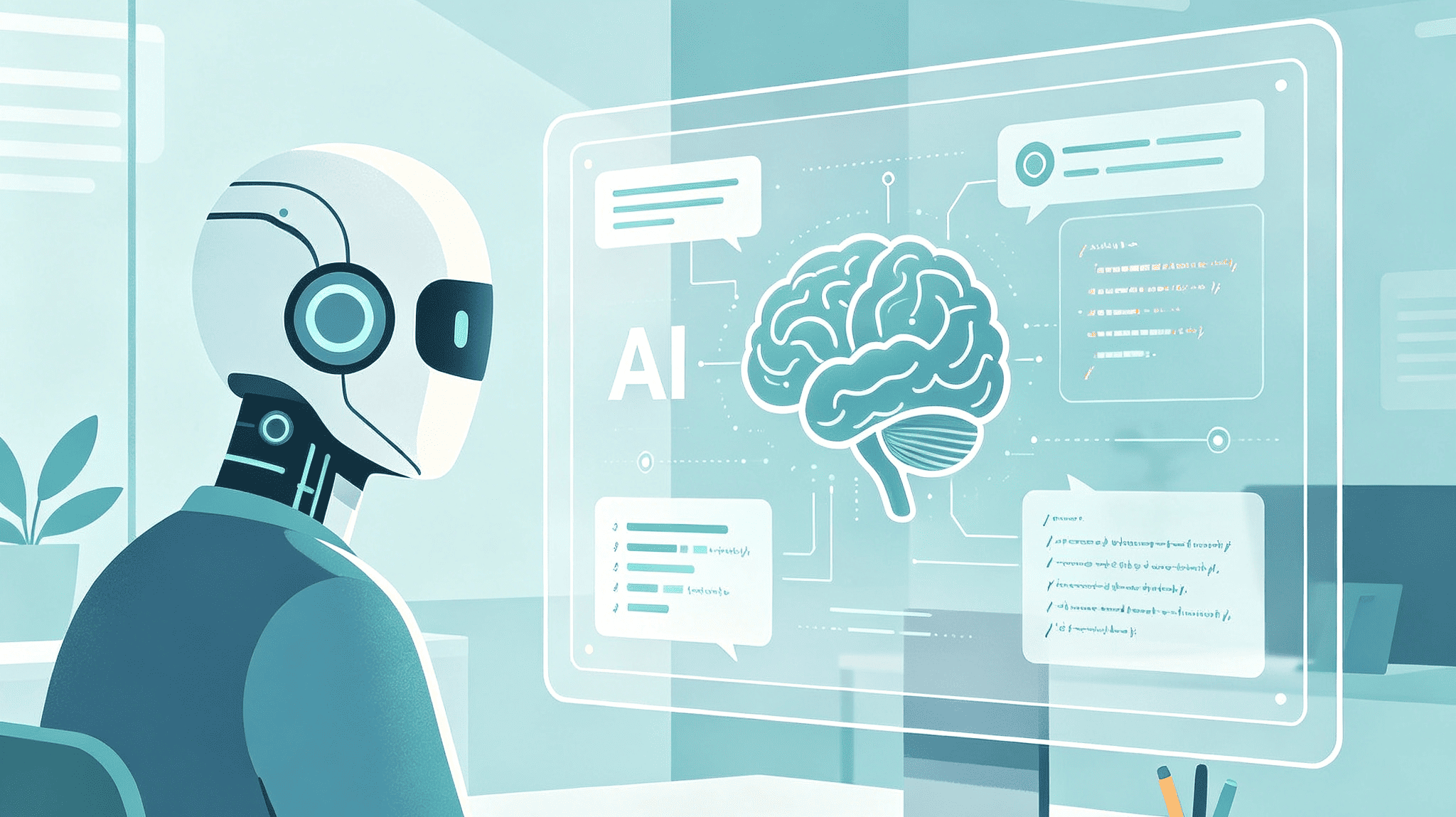
Artificial intelligence has fundamentally altered the landscape of professional communication. The traditional method of flipping through static slides while a disembodied voice speaks is rapidly being replaced by dynamic, AI-generated presentation videos. These tools leverage machine learning to convert text, documents, or raw ideas into polished visual narratives featuring photorealistic avatars, professional-grade voiceovers, and automated design layouts.
AI presentation video makers typically fall into two distinct categories. The first focuses on slide-centric generation, where platforms like Gamma or Canva use generative AI to build structured layouts from a single prompt. The second category prioritizes video output, utilizing digital twins or AI avatars—such as those found in Synthesia or HeyGen—to act as presenters, synchronizing their speech and facial movements to a provided script. This technological shift allows businesses to produce high-quality training, marketing, and internal communication videos at a fraction of the cost and time required for traditional video production.
The Evolution from Static Decks to Dynamic Narratives
For decades, Microsoft PowerPoint was the undisputed standard for professional presentations. However, the rise of short-form video content and the decrease in average attention spans have made static decks less effective. The primary challenge with traditional slides is engagement; audiences often struggle to stay focused on bullet points.
AI presentation video makers solve this by introducing motion, human-like presence, and narrative flow. Instead of a passive reading experience, viewers are treated to a multi-sensory presentation. Research into instructional design suggests that video-based learning, especially when featuring a visible instructor, can lead to higher knowledge retention and better emotional connection compared to text alone. By automating the production of these videos, AI removes the barriers of expensive camera equipment, professional lighting, and video editing expertise.
Core Features Defining Modern AI Presentation Tools
To understand the value of these tools, it is essential to look at the underlying features that differentiate an AI-powered platform from a simple screen recording software.
Prompt to Video Generation
The most powerful feature of modern AI tools is the ability to generate a full presentation from a simple text prompt or a URL. Advanced algorithms analyze the provided context, identify key themes, and structure them into a coherent sequence. For instance, inputting a company's new quarterly goals can result in a five-minute video that includes an introduction, detailed metric breakdowns, and a motivational closing, complete with relevant background visuals and transitions.
AI Avatars and Realistic Lip Syncing
Avatar technology has progressed to a point where the movements of a digital presenter are nearly indistinguishable from a human actor. These avatars utilize deep learning models trained on hours of human performance to mimic micro-expressions and natural gestures. When a script is uploaded, the AI calculates the precise mouth movements required for each phoneme, ensuring the audio and visual elements are perfectly synchronized.
Multilingual Voice Synthesis and Cloning
Localization used to be a massive hurdle for global teams. AI presentation video makers now offer text-to-speech engines in over 140 languages with localized accents. More impressively, voice cloning technology allows a company executive to record a few minutes of audio, which the AI then uses to generate future presentations in the executive's own voice, even in languages they do not speak fluently.
Automated Design and Brand Integration
Design consistency is a common pain point for large organizations. AI tools now incorporate "Brand Kits" that automatically apply specific color palettes, fonts, and logos across every slide and video scene. The AI acts as a digital designer, ensuring that elements are aligned, high-quality stock footage is selected, and visual hierarchy is maintained without manual intervention.
A Comparative Analysis of Leading AI Presentation Platforms
In our extensive testing across various corporate environments, we have identified that the "best" tool depends entirely on the specific objective of the presentation.
HeyGen: The Leader in Human Realism
In our practical application of HeyGen for internal HR training videos, the realism of the avatars was the standout feature. When testing the platform's ability to handle technical jargon, we found that its lip-syncing remained remarkably accurate even with complex industry terms. The "Photo Avatar" feature allowed us to animate a static professional headshot, which provided a more personalized touch for leadership updates. However, for videos exceeding ten minutes, the processing time can be significant, requiring a stable workflow and realistic deadlines.
Synthesia: The Enterprise Scalability Choice
Synthesia is often favored by large enterprises due to its robust security features and massive library of avatars. During a test run for a global product launch, we utilized Synthesia’s AI video translator. The ability to translate an entire video presentation with a single click—adjusting both the text on screen and the avatar’s speech—saved our team weeks of localization work. The interface is intuitive, but it offers slightly less granular control over avatar gestures compared to some emerging competitors.
Gamma: Revolutionizing Slide-First Content
Gamma represents the bridge between traditional slides and AI video. Instead of focusing on avatars, Gamma excels at "Prompt to Deck" generation. In a test scenario where we had only 30 minutes to prepare a board meeting overview, Gamma generated a visually stunning, responsive presentation from a 200-word brief. While it doesn't feature a human-like presenter by default, its ability to embed interactive elements like live websites or polls makes it a powerful hybrid tool for real-time digital presentations.
Canva: The Creative All-Rounder
Canva has integrated "Magic Design" for presentations, which is ideal for marketing teams who already use the platform for social media. It lacks the advanced digital twin capabilities of HeyGen but offers a vast library of templates and a user-friendly "Magic Media" tool that generates images and short video clips from text descriptions. It is the most cost-effective solution for small businesses that need aesthetic variety over high-end avatar realism.
Navigating the Workflow of Creating an AI Presentation Video
Creating a professional-grade video presentation with AI is a streamlined process, but it still requires human oversight to ensure quality and accuracy. Based on our content production experience, we recommend the following six-step workflow.
Step 1: Script Optimization and Structure
The AI is only as good as the input it receives. Start with a clear outline. Instead of writing for a reader, write for a listener. Use shorter sentences and clear transitions. Many platforms now include built-in AI script assistants (often powered by models like GPT-4 or Gemini) that can help refine your tone—whether you want to be authoritative, empathetic, or energetic.
Step 2: Choosing the Right Visual Identity
Select an avatar or a design template that matches your audience's expectations. For a formal financial report, a professional avatar in business attire is appropriate. For a creative pitch, a more casual avatar or a focus on cinematic background visuals may be better. If using a slide-based tool, ensure the layout doesn't become too cluttered, as video viewers have less time to process text than readers.
Step 3: Input and AI Generation
Upload your script or document. At this stage, you will select the voice and language. It is crucial to listen to a preview of the voiceover. Sometimes, the AI may mispronounce specific brand names or acronyms. Most high-end tools allow you to use "SSML" (Speech Synthesis Markup Language) or simple phonetic spellings to correct these errors.
Step 4: Fine-Tuning the Visual Narrative
Once the AI generates the initial draft, review the synchronization. Does the image on screen match what the avatar is saying? This is where manual editing adds value. Swap out generic stock photos for actual screenshots of your software or photos of your team. Adjust the timing of transitions so they feel natural rather than abrupt.
Step 5: Branding and Final Polish
Apply your Brand Kit. Check that the logo placement is consistent throughout the video. Add background music, but ensure it is at a low enough volume that it doesn't distract from the narration. Most AI video makers provide a library of royalty-free tracks specifically curated for different presentation moods.
Step 6: Rendering and Distribution
After a final review, export the video. Most platforms offer 1080p or 4K resolution. Consider your distribution channel; for an LMS (Learning Management System), you might need an MP4 file, whereas for a live webinar, you might want to present directly from the platform's interactive player.
Academic and Professional Perspectives on AI Lecturers
Reference studies in higher education have begun to evaluate the effectiveness of AI-generated instructional videos (AIIV) versus human instructional videos (HIV). A two-course pilot study recently indicated that learning outcomes were comparable between the two. Students reported high levels of clarity and coherence with AI instructors.
However, a critical nuance found in academic research is that while information transfer is effective, "emotional resonance" remains a challenge. Human instructors naturally use prosody—the patterns of stress and intonation—to emphasize key concepts or express enthusiasm. While AI voices are improving, they can occasionally feel "flat" during long-form content. Therefore, for complex or sensitive topics, a hybrid approach—combining AI efficiency for data-heavy sections with human-led segments for emotional connection—is often the most effective strategy.
Challenges and Considerations for Users
Despite the impressive capabilities of AI presentation video makers, there are several hurdles that users must navigate to maintain a high standard of professional communication.
The Risk of Hallucination
Generative AI can sometimes invent facts or provide incorrect data if the initial prompt is too vague. It is the user's responsibility to fact-check every claim made in an AI-generated script. Never allow an AI tool to go from prompt to final export without a thorough human review.
Maintaining Pedagogical Intent
In educational settings, automated tools sometimes prioritize aesthetics over clarity. A "pretty" slide might not be the most effective way to explain a multi-step engineering process. Users should manually adjust the pacing to ensure that complex visuals stay on screen long enough for the audience to digest them.
Over-Reliance and the "Uncanny Valley"
While AI avatars are realistic, they can sometimes fall into the "uncanny valley"—a point where they look almost human but not quite, which can be distracting or unsettling for some viewers. To mitigate this, choose avatars that have been recently updated with high-definition motion mapping, and avoid overly long segments where the avatar is the only thing on screen.
How to Select the Right AI Video Maker for Your Needs
When choosing a platform, consider these three critical factors:
- Output Volume: If you need hundreds of localized training videos per month, prioritize a platform with a powerful API and robust translation features like Synthesia.
- Creative Freedom: If your presentations need to be highly unique and visually experimental, a tool like Canva or Runway (for cinematic clips) combined with a traditional editor might be better than a template-based AI tool.
- Budget: Subscription costs vary wildly. Some tools offer "pay-per-minute" models which are great for occasional use, while others require high-tier enterprise contracts for access to brand kits and custom avatars.
Frequently Asked Questions (FAQ)
What is an AI presentation video maker?
It is a software tool that uses artificial intelligence to automate the creation of video presentations. This includes generating scripts, designing slides, providing AI avatars as presenters, and synthesizing professional voiceovers from text.
Can I turn my existing PowerPoint slides into an AI video?
Yes, most top-tier platforms like HeyGen and Synthesia allow you to upload PPT or PDF files. The AI then extracts the text and visuals, allowing you to add an avatar and voiceover to the existing content.
Is it difficult to learn how to use these tools?
Most AI presentation tools are designed for business users without video editing skills. They typically feature drag-and-drop interfaces and guided workflows that allow you to create a video in 15 to 30 minutes.
Do AI presentation videos support multiple languages?
Yes, advanced tools support over 140 languages. They can translate the text on the slides and generate a voiceover with a natural-sounding local accent for global distribution.
Are the voices in AI videos robotic?
While early versions of text-to-speech were robotic, modern AI voices use neural networks to mimic human intonation, pacing, and emotion. Many users now find it difficult to distinguish them from human recordings.
Summary
The rise of AI presentation video makers marks the end of the era of boring, static slide decks. By combining the power of generative design with the human-like presence of AI avatars, these tools allow anyone to become a high-end video producer. Whether for scaling corporate training, localizing global marketing campaigns, or enhancing online education, the ability to turn a script into a professional video in minutes is a significant competitive advantage. While human oversight remains essential for factual accuracy and emotional nuance, the efficiency and engagement offered by AI video technology are transforming how we share information in the digital age.
-
Topic: Transforming Higher Education with AI-Powered Video Lectureshttps://arxiv.org/pdf/2511.20660v1
-
Topic: Free AI Video Presentation Makerhttps://www.synthesia.io/tools/video-presentation-maker#:~:text=Creating%20a%20video%20presentation%20is,and%20video%20creation%20for%20you.
-
Topic: AI Video Presentation Maker: Turn Slides into Videos Instantlyhttps://www.heygen.com/tool/ai-video-presentation-maker