Home
Home
How Business Process Management Optimizes Modern Workflow Efficiency and Strategy

Business Process Management (BPM) is a structured management discipline that enables organizations to analyze, design, execute, monitor, and optimize their repeatable business processes. Unlike project management, which deals with unique, one-time endeavors, BPM focuses on the continuous improvement of recurring activities that define how an enterprise delivers value to its customers. By taking a holistic, end-to-end view of organizational workflows, BPM transcends departmental silos, linking people, systems, and data to achieve strategic objectives with unprecedented precision.
In the contemporary landscape of digital transformation, BPM has evolved from a simple workflow tool into a critical strategic framework. It acts as the connective tissue between high-level business goals and the granular execution of daily operations.
The Conceptual Foundation of Business Process Management
At its core, Business Process Management treats processes as vital organizational assets. In the same way a company manages its capital, inventory, or human resources, it must manage its processes to ensure they remain efficient, compliant, and adaptable.
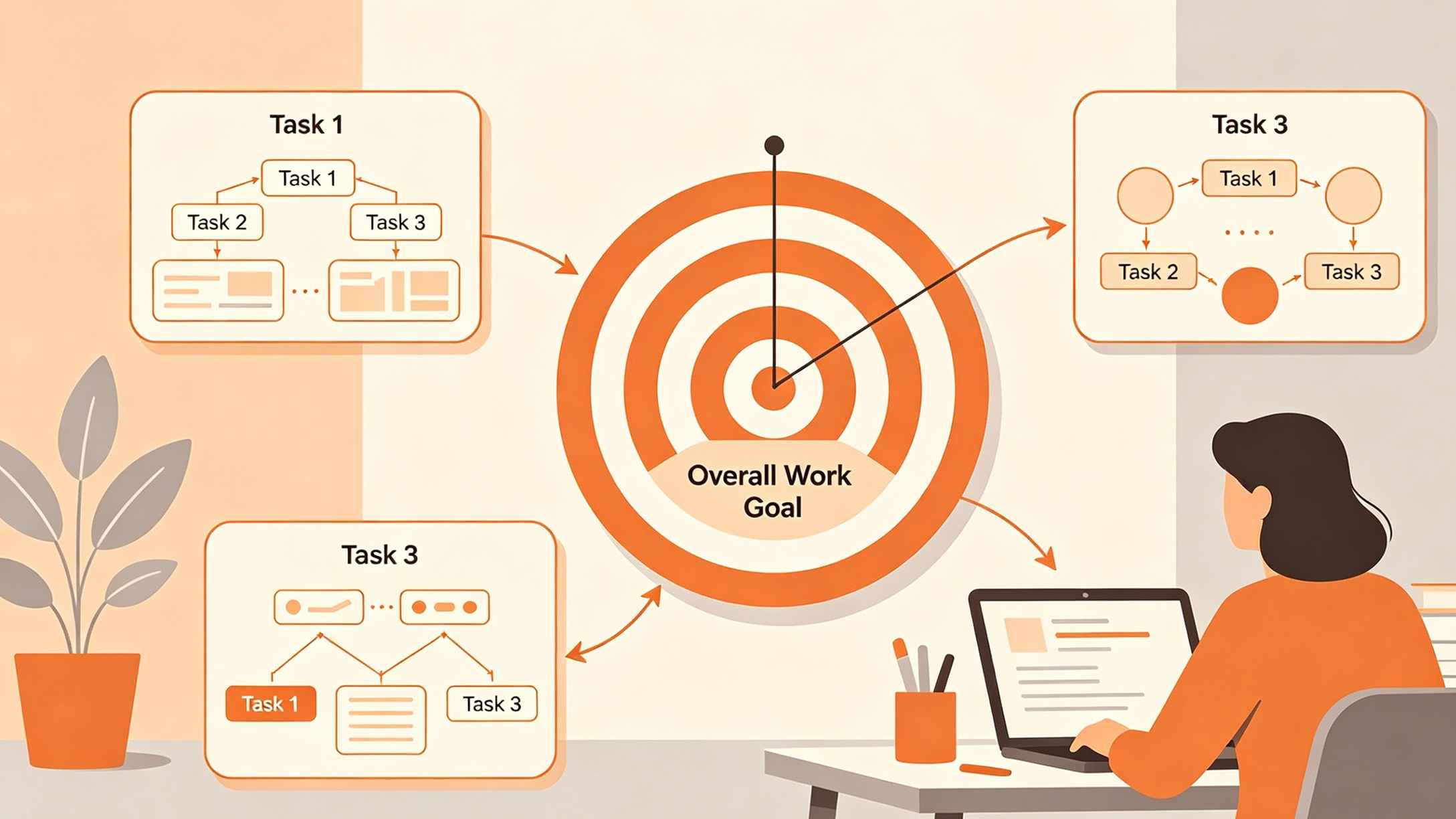
The fundamental distinction of BPM lies in its focus on the "process" rather than the "task." A task is a single unit of work, such as approving an invoice. A process, however, is a series of linked tasks that lead to a specific outcome, such as the entire procure-to-pay cycle. By optimizing the process, organizations ensure that individual tasks are not only performed correctly but are also aligned with the desired final result.
Distinguishing Process from Project
To understand BPM, one must recognize the difference between a process and a project. A project is characterized by a definite beginning and end, aimed at creating a unique product or service. In contrast, a business process is repeatable and predictable. While the path a process takes might vary based on specific conditions—referred to as gateways or business rules—the overall structure remains constant. BPM thrives in environments where predictability is essential for scaling operations and maintaining quality.
The Five Stages of the BPM Lifecycle
Implementing BPM is not a one-off event but a continuous, iterative cycle. This lifecycle ensures that processes do not become stagnant and are constantly refined in response to internal data and external market shifts.
1. Design and Discovery
The lifecycle begins with the identification of existing workflows, often referred to as the "As-Is" state. During the design phase, stakeholders map out the sequence of activities, the actors involved (human or digital), and the data required at each step.
A critical component of this stage is understanding the organizational goals the process is meant to support. Designers must ask: What is the desired outcome? What are the regulatory requirements? What are the key performance indicators (KPIs) that will define success? This phase often involves intensive stakeholder interviews and the use of tools like SIPOC (Suppliers, Inputs, Process, Outputs, Customers) diagrams to establish boundaries.
2. Modeling
Once the current state is understood, the "To-Be" state is visualized. Modeling involves creating a formal representation of the process, typically using Business Process Model and Notation (BPMN 2.0). This standard graphical language allows both business analysts and technical developers to understand the logic of the workflow.
During modeling, teams can perform "what-if" analysis. By simulating different scenarios, such as a sudden 20% increase in volume or the absence of a key approver, organizations can identify potential bottlenecks and test structural changes before they are implemented in a live environment.
3. Execution
In the execution phase, the modeled process is put into action. This is where Business Process Management Suites (BPMS) play a pivotal role. Modern BPM software automates the movement of work between participants, ensuring that the right task reaches the right person or system at the right time.
Execution strategies often include:
- Workflow Automation: Reducing manual hand-offs and paper-based forms.
- Human-in-the-Loop (HITL): Ensuring that complex decisions requiring intuition or judgment are routed to qualified human personnel while routine data entry is automated.
- Integration: Connecting disparate systems like ERP, CRM, and legacy databases to ensure a seamless flow of information.
4. Monitoring
Effective management is impossible without visibility. The monitoring stage involves tracking processes in real-time as they move through the execution phase. Organizations use Business Activity Monitoring (BAM) tools to collect data on cycle times, error rates, and throughput.
Monitoring provides the empirical evidence needed to assess performance against pre-defined KPIs. If a process that should take two hours is consistently taking two days, monitoring alerts managers to the discrepancy, allowing for immediate intervention.
5. Optimization and Refinement
The final stage uses the data gathered during monitoring to identify areas for improvement. Optimization might involve removing redundant steps, re-allocating resources to handle bottlenecks, or further automating manual tasks.
This stage effectively circles back to the design phase, creating a loop of continuous improvement. Methodologies such as Six Sigma and Lean are frequently integrated here to eliminate waste and reduce variability in process outcomes.
Core Types of BPM Categories
BPM initiatives are generally categorized by the primary driver of the workflow. Recognizing which category a process falls into is essential for selecting the right technological approach.
Human-Centric BPM
Human-centric BPM focuses on processes where the primary value is created by human decision-making and collaboration. These workflows often involve frequent approvals, creative input, and complex negotiations. Examples include:
- Employee onboarding and talent acquisition.
- Creative content approval cycles.
- Complex insurance claim investigations.
In these systems, the software serves as a facilitator, providing humans with the context and data they need to make informed decisions and ensuring that tasks do not get lost in email inboxes.
Integration-Centric BPM
Integration-centric BPM deals with processes that primarily involve the exchange of data between different software systems with minimal human intervention. These processes are highly structured and require robust API management. Examples include:
- Synchronizing data between a CRM and an automated marketing platform.
- Processing online payments and updating inventory systems.
- Automated financial reporting across multiple subsidiaries.
The goal here is "straight-through processing," where data moves from input to output without ever being touched by a human hand.
Document-Centric BPM
Document-centric BPM is essential when a document (such as a contract, a legal filing, or a physical form) is the heart of the process. The workflow centers on the creation, routing, review, and signing of these documents. Examples include:
- Contract lifecycle management (CLM).
- Mortgage application processing.
- Regulatory compliance filings.
These systems often integrate Intelligent Document Processing (IDP) and e-signature tools to ensure that physical data is accurately converted into digital formats and legally validated.
The Role of Technology in Modern BPM
While BPM is a discipline, its modern implementation is inseparable from technology. A Business Process Management Suite (BPMS) provides the infrastructure needed to manage the entire lifecycle.
Low-Code Development and Agility
One of the most significant shifts in BPM technology is the rise of low-code platforms. In the past, changing a business process required extensive coding and long development cycles. Today, low-code environments allow business analysts and "citizen developers" to modify workflows using drag-and-drop interfaces. This increases organizational agility, allowing firms to respond to market changes in days rather than months.
AI and Process Intelligence
Artificial Intelligence is transforming BPM through "Process Mining" and "Task Mining." Process mining uses system logs from ERPs and CRMs to reconstruct how processes are actually happening, rather than how managers think they are happening. This often reveals "shadow processes" and hidden inefficiencies that human observation might miss.
Furthermore, AI-driven agents can now handle cognitive tasks within a workflow, such as sentiment analysis on customer feedback or fraud detection in transaction processing, further pushing the boundaries of what can be automated.
The Integration of RPA and BPM
It is important to distinguish between Robotic Process Automation (RPA) and BPM. RPA is designed to automate repetitive, task-level activities by mimicking human interaction with user interfaces (e.g., copying data from a spreadsheet to a web form). BPM, conversely, manages the entire end-to-end orchestration of those tasks.
In a mature digital ecosystem, BPM acts as the conductor of the orchestra, while RPA bots are the individual musicians performing specific, repetitive parts. Together, they provide a comprehensive automation strategy.
Strategic Benefits of a Disciplined BPM Approach
The implementation of BPM yields significant advantages that directly impact the bottom line and competitive positioning.
1. Increased Efficiency and Cost Reduction
By eliminating bottlenecks and reducing manual errors, BPM significantly lowers operational costs. Automation speeds up cycle times, allowing organizations to process more volume with the same or fewer resources.
2. Enhanced Agility and Resilience
In a volatile market, the ability to pivot is a competitive advantage. BPM provides the visibility needed to see where changes are required and the framework to implement those changes systematically. Whether it is a new regulatory requirement or a shift in consumer behavior, BPM-enabled organizations can adapt their internal logic quickly.
3. Regulatory Compliance and Governance
For industries like finance and healthcare, compliance is a constant challenge. BPM ensures that processes are followed exactly as designed, providing a transparent audit trail of who did what and when. This reduces the risk of human error leading to costly legal penalties.
4. Improved Customer Experience
Internal efficiency directly translates to external satisfaction. Faster processing of orders, more accurate responses to inquiries, and consistent service quality are all hallmarks of a process-driven organization. BPM ensures that the customer remains the focus of every workflow.
Challenges in BPM Implementation
Despite its benefits, BPM implementation is not without risks. Organizations often face hurdles that can stall progress:
- Resistance to Change: Employees may feel threatened by automation or reluctant to abandon long-standing (though inefficient) habits.
- Complexity Overload: Trying to model every single edge case in a process can lead to overly complex workflows that are difficult to maintain.
- Siloed Thinking: BPM requires cross-departmental cooperation. If departments refuse to share data or align their goals, the end-to-end process will remain broken.
- Technical Debt: Integrating modern BPMS with ancient legacy systems can be technically challenging and expensive.
Industry Use Cases
Finance and Banking
Banks use BPM to manage the complex, highly regulated process of mortgage lending. By integrating document processing, credit scoring APIs, and human review steps, they can reduce the time from application to approval from weeks to days, while maintaining strict compliance with anti-money laundering (AML) laws.
Healthcare
In hospitals, BPM manages patient flow, from admission to discharge. By optimizing the scheduling of diagnostic tests and coordinating between different specialists, BPM ensures that resources like MRI machines are used efficiently and that patients receive timely care.
Manufacturing
Manufacturers use BPM to manage supply chain logistics. When a raw material delay is detected, the BPM system can automatically trigger a re-evaluation of production schedules and notify sales teams of potential delays, ensuring that the entire organization remains synchronized.
Summary of Key Takeaways
Business Process Management is the bridge between organizational strategy and operational reality. By treating processes as assets and applying a rigorous lifecycle of design, execution, and optimization, companies can achieve a level of efficiency and agility that is impossible through manual management alone. The integration of modern technologies like AI, process mining, and low-code platforms has made BPM more accessible and powerful than ever, positioning it as a cornerstone of the modern digital enterprise.
Frequently Asked Questions
What is the difference between BPM and workflow management?
Workflow management is typically a subset of BPM. While workflow management focuses on the movement of tasks and documents within a specific process, BPM is a broader discipline that includes the strategic alignment, continuous optimization, and cross-functional integration of all organizational processes.
Does BPM always require software?
While the discipline of BPM (analyzing and improving processes) can be practiced manually, achieving scale and real-time visibility in a modern enterprise almost always requires a Business Process Management Suite (BPMS) or similar technological infrastructure.
How does BPM support digital transformation?
Digital transformation is not just about adopting new technology; it is about changing how a business operates. BPM provides the methodology to redesign operations for the digital age, ensuring that new technologies are applied to optimized processes rather than simply automating inefficient ones.
What are the most common KPIs for BPM?
Common metrics include cycle time (the total time to complete a process), throughput (the number of processes completed in a period), error rate, and cost per transaction. The choice of KPIs depends on the specific goals of the organization.
Can small businesses benefit from BPM?
Yes. While large enterprises have more complex needs, small businesses can use BPM principles to standardize their operations, ensure consistency as they scale, and identify the most impactful areas for their first automation investments.
-
Topic: Business process management - Wikipediahttps://en.wikipedia.org/wiki/Business_process_management#:~:text=Business%20process%20management%20(BPM)%20is,company's%20business%20processes%20is%20BPM.
-
Topic: What is Business Process Management? A Guide to BPM | SS& C Blue Prismhttps://www.blueprism.com/guides/business-process/management-bpm/
-
Topic: Business Process Management (BPM) - What is It and Why You Need Ithttps://appian.com/learn/topics/business-process-management/what-is-business-process-management.html