Home
Home
How ChatGPT Transformed From a Chatbot Into an Agentic Operating System

The digital landscape underwent a seismic shift in November 2022, marking the beginning of an era where artificial intelligence moved from theoretical labs to the fingertips of the general public. ChatGPT, developed by OpenAI, has evolved from a simple text-based conversationalist into a sophisticated, multimodal, and agentic ecosystem that powers modern productivity, creative expression, and complex problem-solving. By early 2026, the platform has matured into something far beyond a search engine alternative; it is now an integrated digital assistant capable of navigating the web, managing professional workflows, and reasoning through multi-step tasks with unprecedented autonomy.
Defining ChatGPT and the Architecture of Generative Intelligence
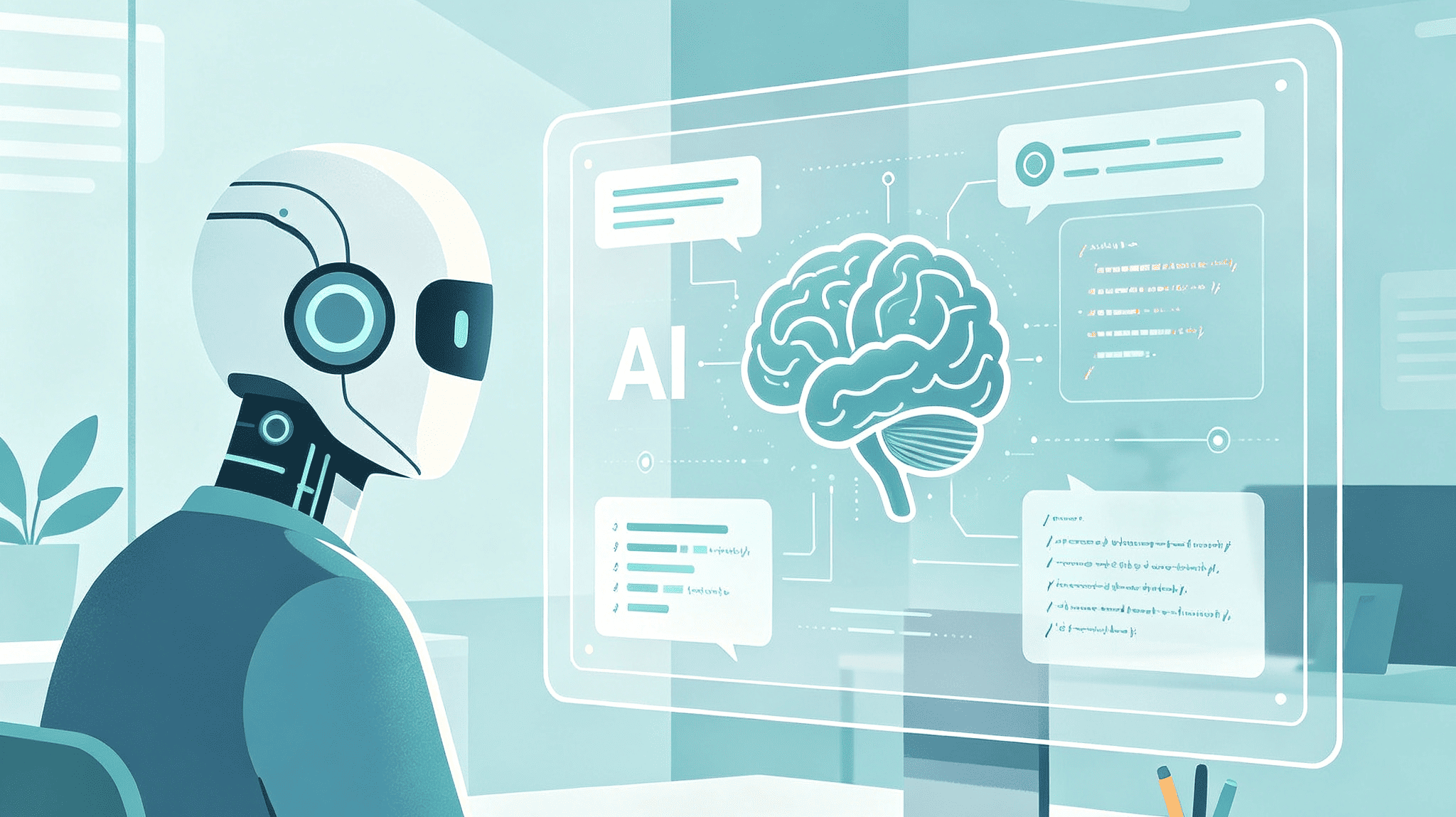
At its fundamental core, ChatGPT is a generative artificial intelligence chatbot. Unlike traditional software that follows rigid "if-then" logic or search engines that retrieve indexed links, ChatGPT operates on the principle of probability and pattern recognition within vast datasets. It is built upon the GPT (Generative Pre-trained Transformer) family of large language models (LLMs). These models are designed to understand and generate human-like text by predicting the next sequence of information, known as tokens, based on the context provided by the user.
The transformation from GPT-3.5 to the latest GPT-5.4 reflects a monumental leap in "reasoning" capabilities. The architecture uses a transformer neural network, which allows the model to weigh the importance of different parts of the input data differently. This "attention mechanism" is what enables ChatGPT to maintain the thread of a long conversation, remember specific details mentioned earlier in a session, and provide answers that feel contextually relevant rather than robotic.
In the current landscape, ChatGPT is no longer restricted to text. It has become a fully multimodal system. This means it can process and synthesize information across multiple formats—text, audio, images, and code—within a single interface. When a user uploads a photo of a broken appliance and asks how to fix it, the system uses its visual processing layer to identify the object and its linguistic layer to retrieve and structure repair instructions.
The Evolution of Large Language Models From GPT-3 to GPT-5.4
The trajectory of ChatGPT is best understood through the iterative versions of the underlying models that have powered it. The initial public release relied on GPT-3.5, which, while impressive, was prone to frequent factual errors and struggled with complex logic. The introduction of GPT-4 marked the first major turning point, introducing true multimodal capabilities and a significant increase in the model's parameter count, which directly translated to better nuance and safer outputs.
By 2025 and early 2026, OpenAI introduced the GPT-5 series, including specialized versions like GPT-5.3 Instant Mini and the flagship GPT-5.4. These models represent a shift from mere "chatting" to "deep thinking." GPT-5.4, in particular, was designed for high-intensity cognitive tasks. It features an expanded context window that allows it to process the equivalent of several thick novels in a single prompt without losing focus.
The "Instant Mini" versions serve as highly efficient, low-latency alternatives. These are utilized as fallbacks when users hit rate limits on the more powerful models or for tasks that require speed over deep reasoning, such as simple translations or quick drafting. The refinement of these models ensures that whether a user is looking for a quick synonym or a structural analysis of a legal contract, there is a specialized engine ready to handle the request.
Core Capabilities That Redefined Modern Productivity
ChatGPT's utility spans across every sector of knowledge work. Its primary functions can be categorized into several pillars of productivity that have fundamentally changed how individuals and enterprises operate.
Advanced Writing and Content Synthesis
The platform serves as a high-level editorial assistant. It can draft emails, technical reports, and creative narratives with a specific tone of voice. Beyond simple drafting, its "Canvas" feature provides an interactive workspace for co-writing. In this mode, the AI and the user work side-by-side on a document, with the AI offering inline suggestions, structural critiques, and real-time edits. This eliminates the "blank page syndrome" and accelerates the drafting process by a factor of ten.
Programming and Codex Integration
For developers, ChatGPT has become an indispensable pair programmer. Utilizing the Codex framework, it can write code in dozens of languages, debug existing scripts, and explain complex algorithmic logic. With the 2026 updates, the Pro plan offers expanded Codex usage, allowing for long-running sessions where the AI can help architect entire software systems rather than just writing isolated functions.
Deep Research and Data Analysis
The "Deep Research" mode is a specialized feature for tasks that require multi-step online investigation. Instead of just answering a question, ChatGPT can now synthesize content across hundreds of online sources, produce cited reports, and perform literature reviews. Coupled with its data analysis tools, it can run Python code in a secure environment to clean spreadsheets, visualize trends through charts, and make predictive projections based on uploaded datasets.
Understanding the Multimodal Breakthrough with ImageGen 2.0 and Voice Mode
The integration of visual and auditory senses has moved ChatGPT from a tool you "type at" to a tool you "live with." The introduction of ImageGen 2.0 has redefined the creative workflow within the app.
Creative Visual Generation
ImageGen 2.0 is not just a text-to-image tool; it is a collaborative artist. Users can generate original illustrations, mockups, or diagrams and then modify them using natural language. For example, a user can generate a concept for a modern living room and then simply tell the AI, "Change the lighting to a sunset hue and replace the coffee table with a glass one." This iterative design process happens within seconds, bypassing the need for complex graphic design software for initial brainstorming.
The New Voice Mode
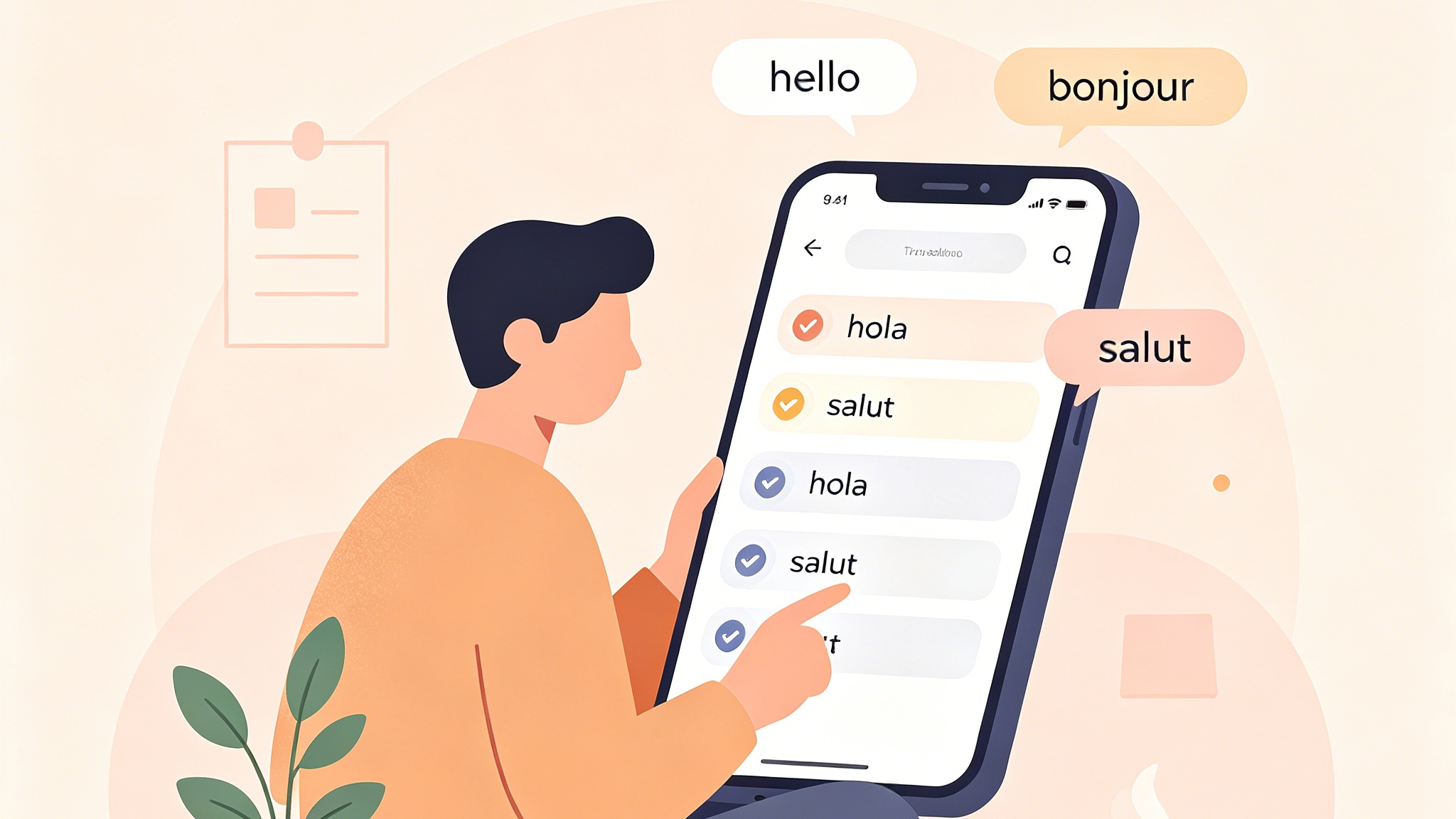
The auditory experience has also seen a radical upgrade. The mobile app’s Voice Mode allows for hands-free, natural conversations. The latency is now low enough that it mimics the rhythm of a human phone call. This feature is particularly useful for language learning, where users can practice speaking in a foreign tongue with an AI that provides instant feedback on pronunciation and grammar.
The Rise of Agentic AI with Atlas Browser and CarPlay Integration
The most significant advancement in the 2025-2026 period is the move toward "Agentic AI." This refers to the AI's ability to not just provide information but to take action on behalf of the user.
ChatGPT Atlas: The AI-Native Browser
OpenAI’s launch of the Atlas browser integrated the assistant directly into the web navigation experience. Unlike traditional browsers where the user does all the clicking, Atlas features an "Agentic Mode." In this mode, ChatGPT can perform multi-step web tasks. For instance, a user can ask, "Find the best-reviewed espresso machine under $500, check if it’s in stock at a local store, and add it to my cart." The AI navigates the websites, compares the data, and prepares the transaction, requiring only a final confirmation from the human.
Integration with Daily Life
The expansion into Apple CarPlay has brought ChatGPT into the automotive space. This allows drivers to resume voice conversations, manage calendars, and send emails while on the road, all hands-free. Furthermore, the introduction of location sharing (optional and privacy-focused) enables ChatGPT to provide hyper-local recommendations. If you are in a new city and ask for "the best quiet place to work near me," the system utilizes your precise GPS coordinates to find a local cafe that fits your specific historical preferences.
Productivity Ecosystems
ChatGPT now integrates directly with professional tools like Notion, Google Drive, Outlook, and Dropbox. It can read shared mailboxes, update calendars, and sync files across platforms. For a project manager, this means ChatGPT can look at an Outlook calendar, see a conflict, and automatically draft a rescheduling email to the participants, all while referencing a project timeline stored in a Google Sheet.
Training Methodology and the Human Feedback Loop
The "magic" of ChatGPT’s conversational ability is the result of a rigorous, multi-stage training process. While the initial pre-training involves exposing the model to a massive volume of internet data (books, code, articles), the refinement comes from RLHF: Reinforcement Learning from Human Feedback.
In this stage, human trainers interact with the model and rank its responses. This feedback loop teaches the AI which answers are helpful, which are factually sound, and which are harmful or biased. This is why the model feels more "human" over time; it is literally being coached by humans to prioritize clarity, politeness, and safety.
OpenAI also employs specialized teams to label toxic content, ensuring the AI develops a robust safety system. This prevents the model from generating dangerous instructions, promoting hate speech, or creating sexually explicit content. While this process has faced scrutiny regarding the emotional labor involved for human labelers, it remains the industry standard for creating "aligned" AI—intelligence that follows human values and intentions.
Analyzing the 2026 Pricing Structure and Subscription Tiers
As ChatGPT has grown in complexity, its pricing model has evolved to accommodate different levels of intensity, from casual users to enterprise-level power users.
- The Free Tier: Remains available for the general public, providing access to the latest "mini" models and limited access to flagship models. It is ad-supported in certain regions as of 2026, helping maintain the service's accessibility.
- ChatGPT Plus ($20/month): Still the most popular choice for individual professionals. It offers steady access to GPT-5.4, higher message caps, and full use of tools like ImageGen 2.0 and Deep Research.
- ChatGPT Pro ($100 - $200/month): Introduced for high-intensity power users, particularly developers and researchers. The $100 tier offers 10x more Codex usage and unlimited access to the most advanced reasoning models. The $200 tier is designed for enterprise-level demands, providing the highest context windows and priority access to "agentic" features.
- ChatGPT Go: A mobile-first, lower-cost plan introduced in markets like India to provide higher limits than the free version without the full cost of the Plus plan.
For most users, the Plus plan remains the sweet spot, but for those whose entire professional workflow revolves around AI—such as software engineers or data scientists—the Pro tiers offer the necessary "compute overhead" to handle complex, all-day sessions.
Ethics, Hallucinations, and the Responsibility of AI Interaction
Despite its brilliance, ChatGPT is not infallible. It is crucial for users to understand its limitations to use it effectively and safely.
The Hallucination Problem
Because the model predicts the "next token" based on patterns rather than a static database of facts, it can sometimes "hallucinate." This means it may generate information that sounds perfectly logical and confident but is factually incorrect. This is why ChatGPT is not a replacement for a search engine when it comes to critical, life-altering facts. It is a synthesizer of information, and its outputs should always be verified by an authoritative source.
Privacy and Data Controls
Privacy remains a central concern. By default, conversations may be used to train future iterations of the model. However, OpenAI has introduced robust data controls. Users can opt-out of training, use "Temporary Chats" that aren't saved to history, and manage "Memory" settings to decide what the AI is allowed to remember about them. For business and enterprise users, data is generally excluded from training by default to protect proprietary information.
The Copyright Debate
The use of copyrighted materials for training AI models continues to be a point of legal and ethical contention. While OpenAI argues that this falls under "fair use," many authors and artists disagree. As a user, it is important to be aware that the AI's "knowledge" is built on the collective output of human culture, and its creative generated content exists in a complex legal grey area regarding ownership and copyright.
Practical Strategies for Maximizing ChatGPT in Professional Workflows
To truly benefit from ChatGPT, one must move beyond simple questions and adopt a "systems-thinking" approach to prompting.
- Iterative Prompting: Never settle for the first answer. If the AI drafts an essay that feels too generic, provide feedback: "This is a good start, but make the tone more professional and focus more on the economic implications mentioned in paragraph two."
- Using the Canvas for Structural Work: When writing complex code or long-form articles, use the Canvas feature to "pin" certain sections. You can ask the AI to rewrite only a specific paragraph or to find a bug in a specific block of code without changing the rest of the document.
- Leveraging Deep Research for Strategy: Instead of spending hours googling, use Deep Research to create a competitive analysis. Ask: "Analyze the top five competitors in the renewable energy sector in Northern Europe and produce a SWOT analysis based on their 2025 financial filings."
- Agentic Automation: Use the Atlas browser's agentic mode for repetitive web tasks. For instance, if you need to find a hotel for a business trip that meets specific criteria (near the conference center, under $300, has a gym), let the AI do the filtering and presenting.
In my own testing of the GPT-5.4 Pro environment, the most impressive feature is the "Pulse" daily analysis. By connecting my calendar and email, ChatGPT provides a morning briefing that summarizes what I missed overnight and suggests a prioritized to-do list based on my actual project deadlines. This level of integration transforms the AI from a tool into a proactive partner.
Summary
ChatGPT has evolved from a novelty chatbot into a comprehensive agentic operating system that bridges the gap between human intent and digital execution. By leveraging the power of GPT-5.4, multimodal inputs, and agentic web navigation through the Atlas browser, it has become the central hub for modern productivity. However, as the tool becomes more powerful, the responsibility of the user increases. Understanding the nuances of model versions, the reality of hallucinations, and the importance of data privacy is essential for anyone looking to navigate the AI-driven future. Whether you are a student, a developer, or a business leader, ChatGPT is no longer just an option; it is the fundamental infrastructure of the new information age.
FAQ
What is the difference between ChatGPT Free and ChatGPT Plus?
The Free tier provides access to standard models with lower usage limits and may include ads. ChatGPT Plus ($20/month) offers access to the flagship GPT-5.4 model, higher message caps, earlier access to new features like ImageGen 2.0, and the ability to use specialized tools like Deep Research and Canvas.
Can ChatGPT browse the live internet?
Yes. Through its "Search" and "Deep Research" capabilities, ChatGPT can access the live web to provide up-to-date information on current events, stock prices, or news. However, for deep dives, the Deep Research mode is recommended as it synthesizes multiple sources for better accuracy.
Is my data safe with ChatGPT?
OpenAI provides several privacy tools. You can turn off chat history, opt-out of your data being used for training, and delete specific "memories" the AI has stored. For sensitive professional work, Enterprise and Team plans provide the highest level of data security and exclude your data from model training.
What are "hallucinations" in AI?
Hallucinations occur when an AI model generates false or nonsensical information that appears credible. This happens because the AI is predicting the most likely next word rather than checking a factual database. Users should always double-check critical information provided by the AI.
How do I use the new Agentic Mode?
Agentic Mode is primarily available through the ChatGPT Atlas browser and certain "Pro" features. It allows the AI to perform multi-step actions on the web, such as searching for products, comparing them, and preparing online forms or carts on your behalf.
What is the new $100 Pro plan for?
The $100 Pro plan is designed for power users who require massive amounts of compute. It is especially useful for developers using Codex for long sessions, researchers needing unlimited Deep Research, and professionals who want the highest priority access to the most advanced reasoning models during peak times.
-
Topic: ChatGPT — Release Notes | OpenAI Help Centerhttps://help.openai.com/pt-pt/articles/6825453-chatgpt-release-notes?utm_source=chatgpt.com
-
Topic: ChatGPT Capabilities Overview | OpenAI Help Centerhttps://help.openai.com/en/articles/9260256-chatgptcapabilities-overview
-
Topic: ChatGPT - Wikipediahttps://en.wikipedia.org/wiki/ChatGPT?_ga=2.177255846.2037330938.1564405482-20438184.1563754408%3F_ga