Home
Home
How Copyleaks AI Detector Works and Why It Is a Top Choice for Content Integrity

Copyleaks AI Detector identifies text generated by artificial intelligence models like ChatGPT, Gemini, and Claude with high precision. By combining linguistic modeling, statistical analysis, and a massive database of human-written text, the platform offers a granular breakdown of content authenticity. It is currently utilized by educational institutions to maintain academic integrity and by businesses to safeguard intellectual property and SEO value.
The Evolution of AI Detection Technology
The rapid rise of large language models (LLMs) has created a significant challenge for digital trust. When AI can produce coherent, grammatically correct text in seconds, the traditional methods of plagiarism detection—which focus on matching exact strings of text—are no longer sufficient. This is where Copyleaks bridges the gap.
Unlike legacy plagiarism checkers that only look for copied sentences, Copyleaks uses a multi-layered approach to analyze the very DNA of the writing. The system doesn't just look for "what" is written, but "how" it is constructed. This transition from simple string matching to complex pattern recognition represents the current frontier in content verification.
Core Mechanisms of the Copyleaks Detection Engine
Understanding how Copyleaks distinguishes human prose from machine output requires a dive into the statistical fingerprints left behind by AI. While humans are prone to creative tangents, emotional nuances, and irregular sentence structures, AI tends to follow mathematical probabilities.
Linguistic Modeling and Pattern Recognition
Copyleaks utilizes proprietary AI logic trained on trillions of pages of content. This training enables the system to recognize the specific "signals" generated by other AI models. The detection engine evaluates several key metrics:
- Frequency Ratios: AI models are optimized to choose the most statistically probable next word. This results in phrase combinations that are highly predictable. Copyleaks identifies these high-probability clusters that a human writer would likely vary.
- Syntactic Analysis: The tool evaluates parts of speech and sentence structure consistency. AI-generated content often maintains a sterile, uniform syntax that lacks the natural flow and occasional structural "errors" or stylistic risks taken by humans.
- Perplexity and Burstiness: These are the two pillars of linguistic analysis. Perplexity measures the unpredictability of the text; lower perplexity often indicates AI. Burstiness measures the variation in sentence length and structure. Humans tend to write with high burstiness (mixing short and long sentences), while AI tends to be more consistent.
The AI Insights Heat Map
One of the most distinctive features of Copyleaks is its granular reporting. Instead of a simple "Yes" or "No," it provides an interactive heat map. In our internal testing for content quality control, this feature proves invaluable. It highlights specific sections—down to individual sentences—that show a high probability of being AI-generated. This allows editors to see if a writer has used AI to draft an entire piece or just to summarize specific paragraphs.
Broad Coverage Across Models and Languages
As the AI landscape expands, a detector is only as good as the models it can recognize. Copyleaks has consistently updated its engine to cover the most relevant LLMs in the market.
Supported AI Models
The platform is designed to identify outputs from:
- OpenAI: Including GPT-3, GPT-3.5, and GPT-4.
- Google: Gemini (formerly Bard).
- Anthropic: The Claude series.
- Open-Source Models: Detection for Llama, Mistral, and others.
- Legacy Models: BERT, T5, and Jasper.
The ability to detect content from these diverse sources is crucial for enterprises that receive content from various freelancers and agencies using different toolstacks.
Global Language Support
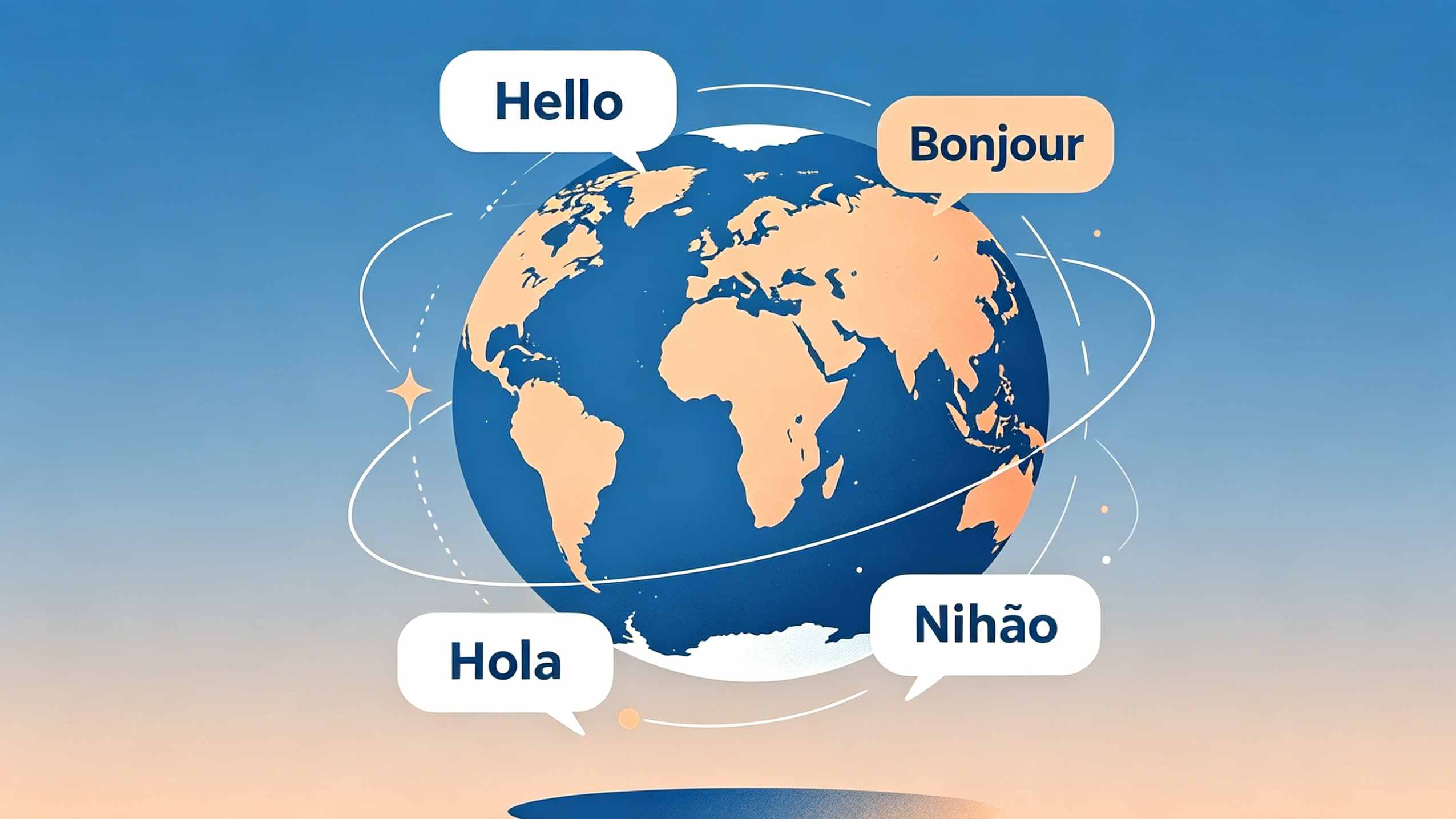
While many AI detectors are limited to English, Copyleaks supports over 30 languages. This includes Spanish, French, German, Chinese, Russian, and Portuguese. In a globalized digital economy, this multi-lingual capability is essential for international brands maintaining content standards across different regional domains. The accuracy for English remains the highest (often cited at over 99%), but the development of models for other languages is catching up rapidly.
Integration into Professional Workflows
A key differentiator for Copyleaks is its seamless integration capabilities. It is not just a standalone website where you paste text; it is an infrastructure component for schools and businesses.
Learning Management Systems (LMS)
For educational institutions, Copyleaks integrates directly with platforms like Canvas, Moodle, Blackboard, and Brightspace. This allows instructors to see AI detection scores alongside traditional plagiarism reports within their native grading environment. The integration helps maintain academic integrity without forcing teachers to switch between multiple tabs and tools.
API and Enterprise Solutions
For large-scale operations, such as SEO agencies or media houses, Copyleaks offers a robust API. This allows for automated scanning of thousands of articles per month. In our experience managing large content hubs, automating the detection process is the only way to ensure that "human-written" contracts are being honored by external contributors. The API can be customized to trigger alerts when a certain threshold of AI probability is met.
The Accuracy Debate: Claims vs. Real-World Performance
Copyleaks officially claims an accuracy rate of over 99.1% with an industry-low false positive rate of roughly 0.2%. However, in the field of AI detection, "accuracy" is a moving target.
Handling Humanized AI Content
One of the biggest challenges for any detector is "humanized" AI—content that has been generated by an LLM and then manually edited or passed through a paraphrasing tool like Quillbot. Our testing shows that while Copyleaks is exceptionally good at catching raw AI output, the detection confidence can drop when a human has significantly restructured the sentences.
However, Copyleaks remains one of the few tools that can still flag "paraphrased AI." Its ability to look at the underlying logical flow rather than just the surface-level words makes it more resilient to simple text spinning than many of its competitors.
Managing False Positives
A false positive occurs when a human-written text is incorrectly flagged as AI. This is a critical concern in academia, where a false accusation can have life-altering consequences for a student. Copyleaks addresses this by:
- Regular Model Updates: Refining the engine to recognize highly formal human writing (which can sometimes mimic AI's structured style).
- Confidence Levels: Providing a probability score rather than a binary verdict, allowing human moderators to make the final judgment call.
- Feedback Loops: Allowing users to report incorrect results, which helps the machine learning model improve over time.
Beyond Text: Multi-modal Detection for the Modern Era
Content integrity is no longer just about text. The rise of deepfakes and AI-generated media has forced a shift toward multi-modal detection. Copyleaks has expanded its ecosystem to address these emerging threats.
AI Image and Video Detection
The platform now offers solutions to detect synthetic media. This is vital for news organizations and social media platforms trying to combat misinformation. By identifying the artifacts left by AI image generators (like DALL-E or Midjourney) and video synthesis tools, Copyleaks provides a comprehensive shield for brand reputation.
Source Code Verification
For software development firms, Copyleaks provides a code plagiarism and AI detector. As more developers use AI assistants to write code, questions of licensing and IP ownership become complex. Copyleaks can scan code repositories to identify sections that may have been generated by AI or copied from open-source libraries without proper attribution.
Security, Privacy, and Compliance
When uploading sensitive documents or proprietary content to a detection platform, security is paramount. Copyleaks stands out for its commitment to enterprise-grade data protection.
- SOC 2 and SOC 3 Compliance: These certifications ensure that the company maintains high standards for security, availability, and processing integrity.
- GDPR Adherence: Crucial for users in the European Union, ensuring that personal data and intellectual property are handled according to strict privacy laws.
- Data Encryption: All scanned data is encrypted, and Copyleaks provides options for users to ensure their data is not used for future model training, which is a common concern with free AI tools.
Comparing Copyleaks to Alternatives
In the competitive landscape of AI detection, Copyleaks is often compared to tools like GPTZero, Originality.ai, and Turnitin.
- Copyleaks vs. GPTZero: While GPTZero is popular in the academic world for its simplicity, Copyleaks offers a more robust enterprise API and broader language support. Copyleaks' "AI Insights" heat map is generally more detailed than GPTZero's highlighting.
- Copyleaks vs. Originality.ai: Originality.ai focuses heavily on SEO and web publishers. Copyleaks, however, has a deeper footprint in the institutional and corporate sectors, with more certifications (like SOC 2) that appeal to IT departments.
- Copyleaks vs. Turnitin: Turnitin is the giant of the education industry. Copyleaks offers a similar level of LMS integration but is often seen as more agile in updating its models for newer LLMs.
Practical Strategies for Using Copyleaks in Content Management
For content managers and SEO professionals, the goal isn't necessarily to ban AI, but to ensure transparency and quality. Here is how to effectively deploy Copyleaks:
- Establish a Baseline: Before rejecting content, understand that a "20% AI" score might just mean the writer used AI for an outline or research. Establish internal thresholds for what constitutes "acceptable" AI usage.
- Use the Heat Map for Editing: Instead of asking a writer to "rewrite everything," use the heat map to point out the specific sections that feel mechanical. This leads to better feedback and higher-quality revisions.
- Combine with Plagiarism Checks: Always run the dual scan. Content that is "100% human" can still be plagiarized from another source. Copyleaks allows you to do both simultaneously, saving time and credit costs.
- Verify Source Code: If your business involves technical writing or documentation, use the code detector to ensure that snippets provided in the content are original or properly licensed.
The Future of Content Authenticity
As AI continues to evolve, the line between human and machine writing will continue to blur. Detection tools like Copyleaks are in a constant "arms race" with LLM developers. The future of the platform likely involves even deeper integration with web browsers and content creation tools, providing real-time verification as content is being written and consumed.
For now, Copyleaks remains one of the most reliable and feature-rich options for anyone serious about content integrity. Whether you are a teacher checking essays or a CEO protecting your brand's voice, the data-driven insights provided by this tool offer a necessary layer of verification in an increasingly synthetic world.
Summary of Key Features and Benefits
| Feature | Description |
|---|---|
| Accuracy | 99.1% claimed accuracy with a low false positive rate (0.2%). |
| Language Support | 30+ languages including major European and Asian languages. |
| Model Coverage | GPT-4, Gemini, Claude, Llama, and more. |
| Integrations | API, Canvas, Moodle, Blackboard, and Browser Extension. |
| Security | SOC 2, SOC 3, and GDPR compliant. |
| Multi-modal | Supports text, code, image, and video detection. |
Conclusion
Copyleaks AI Detector provides a sophisticated, multi-layered solution for identifying AI-generated content across various languages and models. Its strengths lie in its linguistic analysis (perplexity and burstiness), its ability to detect paraphrased AI content, and its enterprise-grade security certifications. While no detector is infallible, especially against heavily edited AI text, Copyleaks offers the most comprehensive set of tools for businesses and educators to verify content authenticity and maintain digital trust.
Frequently Asked Questions
What is a good score on Copyleaks AI Detector?
A "good" score depends on the context. For academic work, most institutions look for a very low AI probability (often below 10-20%). For SEO content, many managers accept higher scores if the content is high-quality and provides value, but a score of 80% or higher usually suggests the text lacks original human insight and could be flagged by search engine algorithms.
Can Copyleaks detect ChatGPT-4?
Yes, Copyleaks is specifically trained to recognize the patterns and statistical signatures of GPT-4, as well as its predecessor GPT-3.5 and other competitors like Claude 3 and Gemini.
Does Copyleaks store my data?
Copyleaks provides privacy settings that allow users to control how their data is used. Enterprise users can ensure that their scanned documents are not used to train the detection models, and the platform is SOC 2 and GDPR compliant to protect sensitive information.
How does Copyleaks handle paraphrased text?
Copyleaks is more effective than many other tools at identifying paraphrased AI content. Because it analyzes the underlying structure and linguistic flow (patterns) rather than just looking for specific word sequences, it can often flag AI content even after it has been passed through a rewriter or "spinner."
Is there a free version of Copyleaks AI Detector?
Copyleaks offers a free version for limited web-based scans and a browser extension. However, for deep analysis, bulk scanning, API access, or LMS integration, a paid subscription is required.
-
Topic: Copyleaks AI Content Detector FAQshttps://copyleaks.com/wp-content/uploads/2023/05/ai-content-detector-faqs.pdf
-
Topic: AI Content & Text Authenticity Detection | Copyleakshttps://copyleaks.com/?site_id=c51l4v
-
Topic: Copyleaks AI Detector Review 2025: Accuracy & Features | AI Wikihttps://artificial-intelligence-wiki.com/best-ai-tools/ai-writing-and-content-tools/copyleaks-ai-detector/