Home
Home
How GPT-Image-1.5 Redefined AI Image Editing in ChatGPT
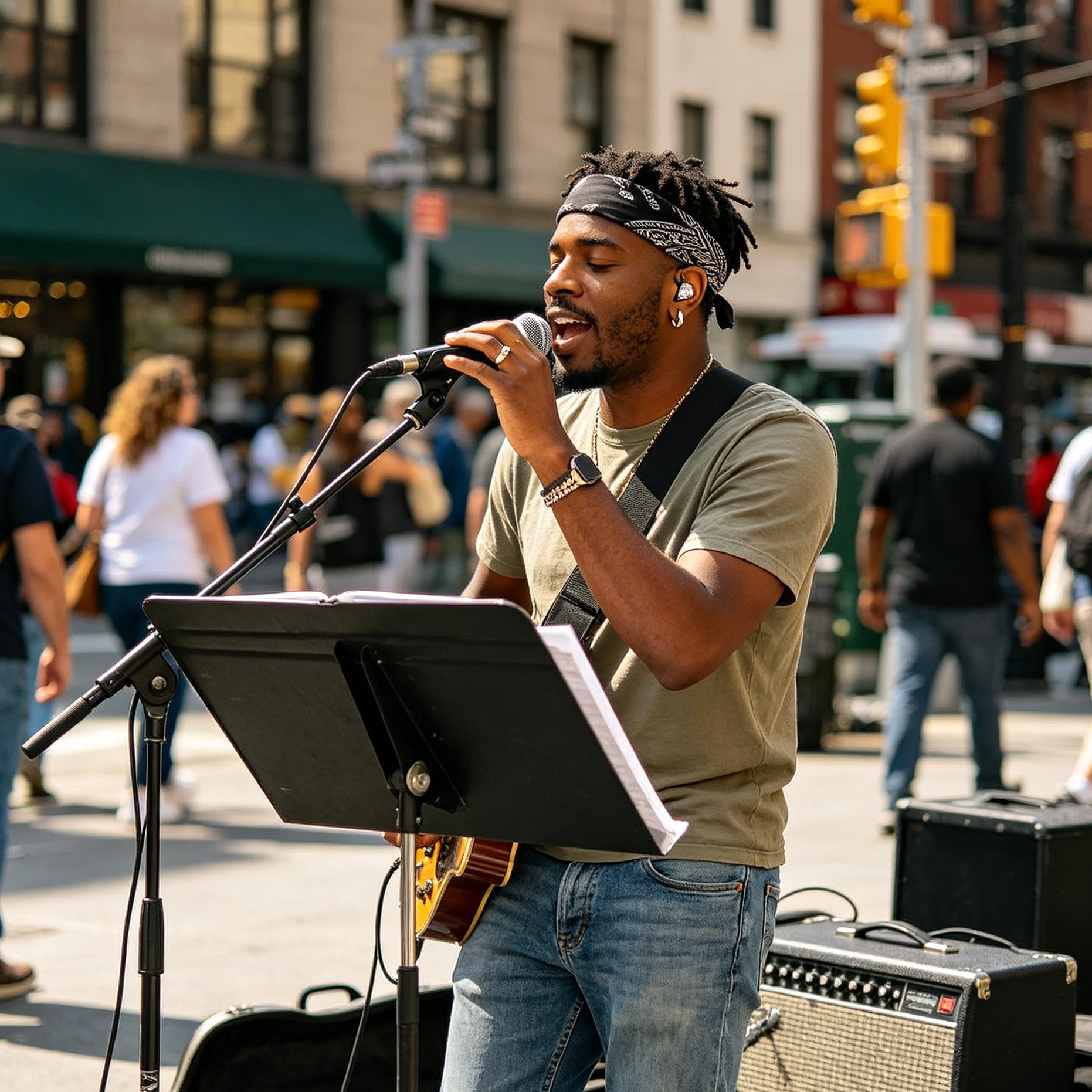
The release of GPT-Image-1.5 marked a pivotal moment in the evolution of generative artificial intelligence, specifically within the ChatGPT ecosystem. Officially integrated in December 2025, this model served as the backbone for the "New ChatGPT Images" experience, introducing a level of control and precision that was previously unattainable with earlier iterations like DALL-E 3. While the industry has since moved forward to newer architectures, understanding the impact of GPT-Image-1.5 is essential for any creative professional or tech enthusiast looking to master the current landscape of AI-driven visual storytelling.
What is GPT-Image-1.5 and Why Does it Matter?
GPT-Image-1.5 is a flagship image generation and editing model developed by OpenAI. Unlike its predecessors, which focused primarily on generating static images from text prompts, GPT-Image-1.5 was engineered with a deep emphasis on "instruction following" and "stateful editing." This means the model does not just start from scratch every time; it understands the context of an existing image and can make surgical modifications while preserving the essence of the original file.
For users, this meant the transition from a "hit-or-miss" generation tool to a professional-grade "creative studio in your pocket." The model introduced significant leaps in three primary areas: editing precision, text rendering, and processing speed. It was also the first model to be offered both as a seamless part of the ChatGPT interface and as a robust tool for developers via the OpenAI API.
The Technological Leap from DALL-E 3 to GPT-Image-1.5
Prior to the 1.5 update, DALL-E 3 was the standard for intuitive, conversational image generation. However, DALL-E 3 often struggled with "spatial reasoning"—understanding where objects should be placed in relation to one another—and "semantic consistency," which is the ability to keep a person's face or a specific object identical across multiple edits.
GPT-Image-1.5 addressed these bottlenecks through a new architectural approach. By integrating better visual-language alignment, the model could interpret complex prompts involving specific layouts, such as grids or layered compositions. Furthermore, the generation speed was optimized to be up to four times faster than previous versions, effectively removing the "wait time" barrier that often stifles creative flow.
Precise Edits and the Power of Consistency
One of the most transformative features of the GPT-Image-1.5 generator is its ability to perform precise edits. In practical testing, this feature functions more like professional photo editing software than a typical AI generator.
Maintaining Lighting and Composition
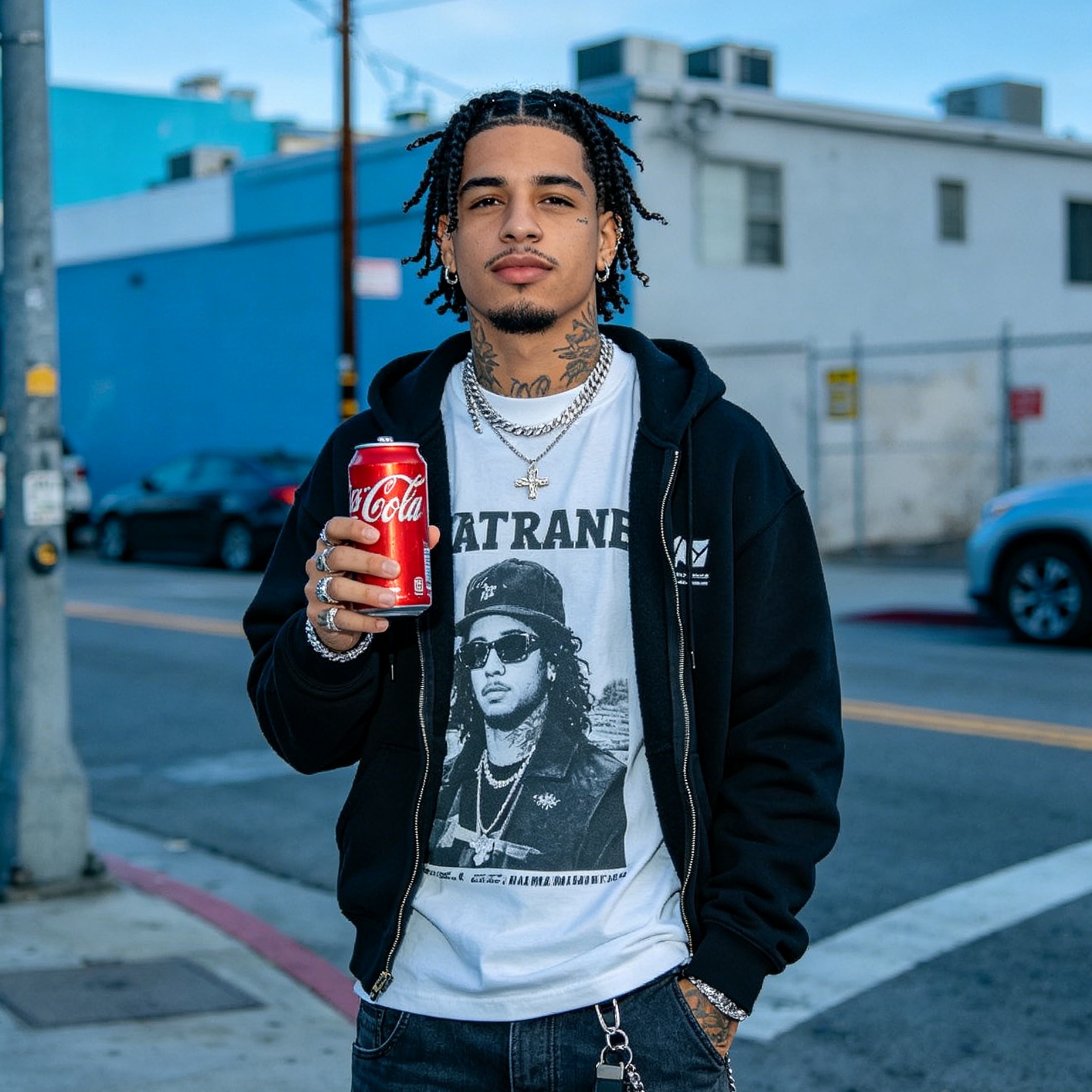
When a user uploads an image and asks to "change the man's shirt to a leather jacket," older models might inadvertently change the lighting of the scene, the color of the background, or even the facial features of the subject. GPT-Image-1.5 maintains the integrity of the unedited parts. The lighting, composition, and core appearance remain consistent, ensuring that the final output looks like a natural photograph rather than a poorly stitched composite.
Creative Transformations
The model excels at blending and transposing elements. For instance, you could take a photo of a modern city street and ask the model to "transform this into a 1980s retro-anime style." The model retains the structural layout of the buildings and the position of the cars but applies a complete stylistic overhaul. This capability is particularly valuable for concept artists who need to explore different aesthetic directions for a single scene layout.
Mastering Text Rendering in AI Visuals
Historically, text has been the "Achilles' heel" of AI image generators. Early models would produce "gibberish" or distorted characters that resembled a fever dream rather than readable language. GPT-Image-1.5 represented a massive breakthrough in this domain.
From Infographics to Movie Posters
In our real-world testing with GPT-Image-1.5, we observed that the model could handle dense, small text with high reliability. This allowed for the creation of:
- Professional Posters: Generating a movie poster with specific actor names and director credits that are perfectly spelled.
- Infographics: Creating calorie charts or data visualizations where the numbers and labels are legible.
- Natural Newspaper Layouts: The model can take a Markdown-formatted article and render it into a visually convincing newspaper page, maintaining headers, columns, and dates exactly as specified.
This capability fundamentally changed the workflow for small business owners and social media managers. Instead of generating a background and then moving to Canva or Photoshop to add text, the entire process could now be completed within a single ChatGPT prompt.
Instruction Following and Spatial Reasoning
"Draw a 6x6 grid where each row contains different specific objects." For years, this was a benchmark test that most AI models failed. They would lose count or misplace items. GPT-Image-1.5 was specifically tuned to follow these types of multi-step, structured instructions.
The 6x6 Grid Test
When instructed to create a grid of 36 distinct items—ranging from a Greek letter beta to a rubik’s cube—GPT-Image-1.5 demonstrates a high success rate in preserving the relationships between elements. This "spatial intelligence" is crucial for UI/UX designers who use ChatGPT to generate mockups for mobile apps or website layouts, where the placement of buttons, icons, and text must follow a logical hierarchy.
Performance and Professional Workflow Integration
Speed is a feature in itself. In a professional environment, waiting 60 seconds for an image to generate is a bottleneck. The 4x speed improvement in GPT-Image-1.5 meant that users could iterate in near real-time.
Using GPT-Image-1.5 in the API
For developers, the availability of GPT-Image-1.5 in the API opened new doors for automation. Companies began integrating the model into:
- E-commerce: Allowing customers to "try on" clothes virtually by editing their uploaded photos.
- Gaming: Generating consistent assets and character variations on the fly.
- Marketing Tech: Automating the creation of personalized ad visuals based on user data.
The API implementation allowed for more granular control over parameters that aren't always accessible in the standard ChatGPT chat interface, making it a favorite for "Agentic" workflows—where AI agents perform complex, multi-step creative tasks without human intervention.
What is the Current Status of GPT-Image-1.5?
As of mid-2026, the AI landscape has evolved further. While GPT-Image-1.5 remains a highly capable model, it has been officially succeeded by GPT-Image-2 (often referred to as ChatGPT Images 2.0).
The Transition to GPT-Image-2
OpenAI’s current flagship model builds upon the foundation of 1.5 but adds a "reasoning" layer. Before the pixels are even generated, the model "thinks" about the layout and constraints. The key differences in the current version compared to 1.5 include:
- Higher Resolution: Support for up to 2K resolution images.
- Thinking Mode: A feature for paid subscribers that allows the model to spend extra compute time to ensure every complex requirement in a prompt is met.
- Global Language Support: Even better handling of text in non-Latin scripts.
Users do not need to manually select these versions. When you use the image generation icon in ChatGPT today, the system automatically routes your request to the most advanced model available, which is currently the successor to the 1.5 version.
Practical Tips for Getting the Most Out of ChatGPT Image Generation
To leverage the full power of the models that originated with the 1.5 architecture, users should adopt specific prompting strategies:
- Be Explicit About What NOT to Change: When editing, use phrases like "Keep the background and the person's face exactly the same, but change only the color of the hat."
- Use Markdown for Text-Heavy Requests: If you need an image with specific text, provide that text in a code block or Markdown format within your prompt. The model interprets structured text better than conversational text.
- Iterate via Conversation: Instead of trying to get the perfect image in one go, start with a base image and use the "Edit" button or follow-up prompts to refine it. The "Stateful" nature of the model makes this highly effective.
- Leverage Preset Styles: The newer interface includes preset styles (e.g., "80s Fitness Instructor," "Glam Doll," "Movie Poster"). Using these as a starting point often produces more aesthetically pleasing results than generic prompts.
Conclusion
GPT-Image-1.5 was the model that turned AI image generation from a novelty into a utility. By solving the persistent problems of text rendering, instruction following, and editing consistency, it paved the way for the sophisticated "reasoning-based" generation we see in the latest versions of ChatGPT. Whether you are using it for professional marketing materials, UI mockups, or personal creative exploration, the legacy of the 1.5 model ensures that your visual intent is translated into reality with unprecedented speed and accuracy.
Summary of Key Capabilities
| Feature | GPT-Image-1.5 Improvement | Impact |
|---|---|---|
| Editing | Precise pixel-level modifications | High consistency for professional work |
| Speed | 4x faster generation | Enables real-time creative iteration |
| Text | Reliable rendering of dense text | Suitable for posters and infographics |
| Logic | Success with complex grids/layouts | Better spatial reasoning for designers |
| Availability | Integrated ChatGPT & API | Flexible for both casual and dev use |
FAQ
How do I enable GPT-Image-1.5 in my ChatGPT settings?
You generally do not need to enable it manually. OpenAI automatically updates the backend model. If you are using the "New ChatGPT Images" features (such as the specialized edit tool), you are using the technology that started with 1.5 or its direct successor, GPT-Image-2.
Is GPT-Image-1.5 better than Midjourney?
In our experience, Midjourney often retains a slight edge in "artistic flair" and complex textures. However, GPT-Image-1.5 and its successors are significantly better at instruction following and text rendering. For tasks requiring specific layouts or legible text, ChatGPT's models are usually the preferred choice.
Can I use GPT-Image-1.5 for commercial purposes?
Yes, images generated through ChatGPT (including those from the 1.5 and 2.0 models) generally belong to the user, though it is always recommended to check the latest OpenAI Terms of Service for specific regional or enterprise-level restrictions.
Why does the model sometimes still fail at small text?
While GPT-Image-1.5 significantly improved text rendering, it is not 100% perfect, especially with extremely long sentences or unusual fonts. If it fails, try shortening the text or specifying a "clean, sans-serif font" in the prompt.
Does the API version differ from the ChatGPT version?
In the API, the model is explicitly labeled as gpt-image-1.5. It allows developers to set specific seeds and parameters that provide more predictable results for app integration compared to the more "creative" and conversational ChatGPT interface.
-
Topic: The new ChatGPT Images is here | OpenAIhttps://openai.com/index/new-chatgpt-images-is-here/?video=1147060742
-
Topic: 全新 chat gpt 图像 现 已 上线 | open aihttps://openai.com/zh-Hans-CN/index/new-chatgpt-images-is-here/
-
Topic: La nueva función de Imágenes de ChatGPT ya está aquí | OpenAIhttps://openai.com/es-ES/index/new-chatgpt-images-is-here/