Home
Home
How Humanly Is Redefining Product Lifecycle Management for Modern Commerce

The term Humanly PLM is increasingly appearing in discussions among e-commerce founders and supply chain directors. However, as of late 2025, there is no single legacy software suite officially branded as "Humanly PLM." Instead, this term represents a critical intersection: the AI-native product development capabilities of the Humanly Ops platform and the broader industry shift toward Human-Centered Product Lifecycle Management.
In the traditional sense, Product Lifecycle Management (PLM) has been the domain of heavy enterprise resource planning (ERP) systems used by automotive and aerospace giants. For modern consumer brands, these legacy tools are often too rigid, too expensive, and fundamentally disconnected from the speed of digital commerce. Humanly is filling this gap by treating the product lifecycle not as a static database, but as a living, breathing operational system.
The Misalignment of Traditional PLM and Modern Growth
For decades, PLM was designed for engineering complexity, not commercial agility. Systems like SAP PLM or Siemens Teamcenter were built to manage millions of parts in a Boeing jet or a BMW chassis. When these frameworks are forced onto a fast-growing apparel brand or a supplement company, the results are often disastrous.
Modern brands operate in a world of rapid iteration, global supply chain volatility, and fragmented data. Most teams today are not actually using their PLM; they are using a "Shadow PLM" composed of:
- Endless Excel spreadsheets for tracking unit costs and margins.
- Slack and WhatsApp threads for communicating with manufacturers.
- PDF tech packs that become outdated the moment they are emailed.
- Manual data entry that bridges the gap between design and the finance ledger.
This "spreadsheet hell" creates a control problem. Growth stops feeling like progress and starts feeling like "flying blind." This is precisely where the concept of Humanly PLM emerges as a solution—a system designed to handle the messy, human reality of product development.
Humanly Ops: The AI-Native Operating System as a PLM
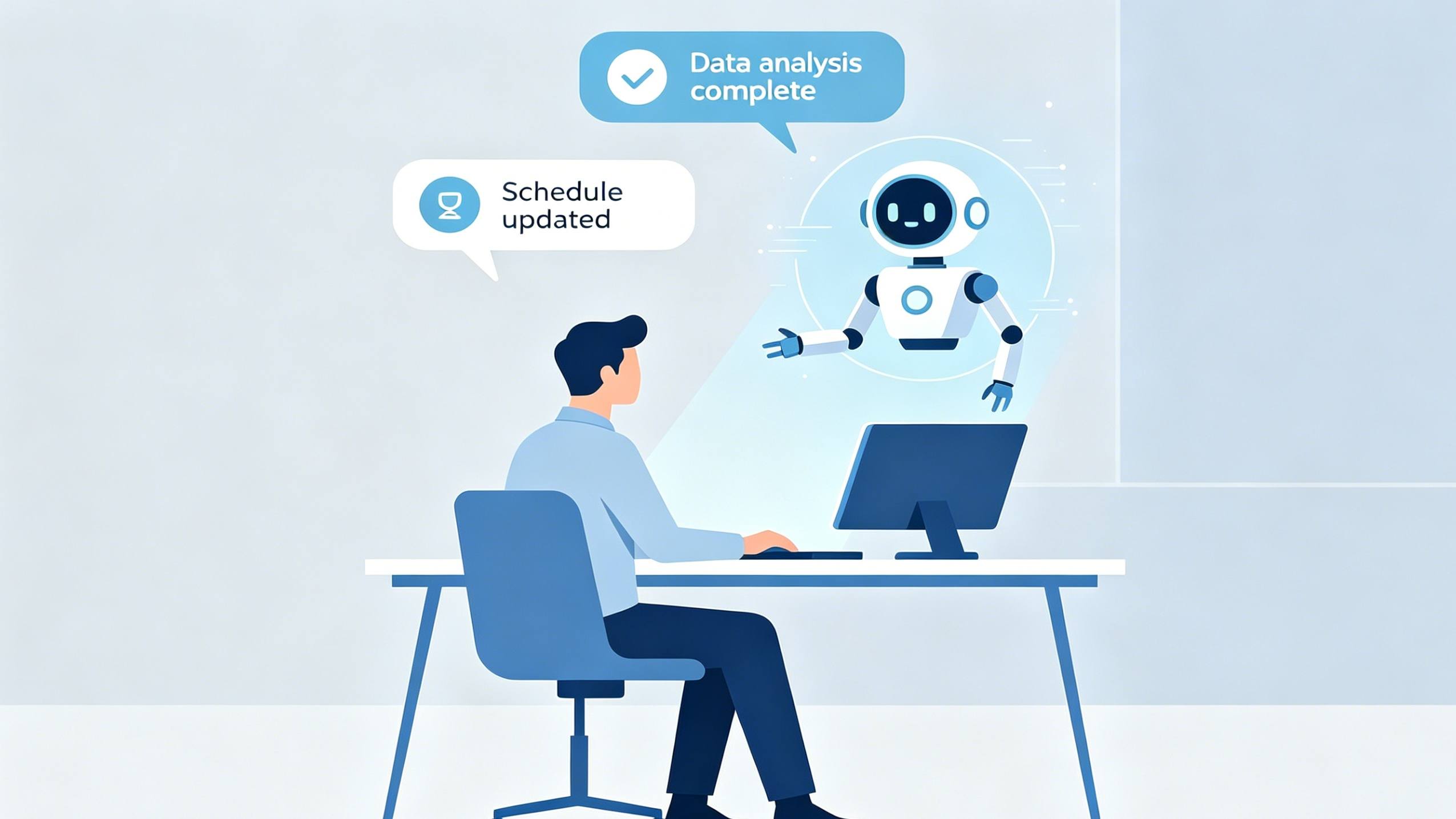
Humanly Ops has positioned itself as an AI-native operating system for modern commerce. While it handles sales and finance, its core strength lies in what it calls "Product Development" and "Operations"—the functional equivalent of a next-generation PLM.
Unlike traditional PLM software that requires manual input at every stage, Humanly functions as a connective tissue. It doesn't just store data; it learns how the business operates.
Centralizing Product Specifications and Tech Packs
One of the primary functions of any PLM is maintaining the "Single Source of Truth" for a product. In the Humanly ecosystem, this means moving beyond the static PDF. When a product moves from development to production, Humanly flags discrepancies in materials and components in real-time.
For a brand manager, this means the system can alert you: "3 product specs are ready for review, with 3 discrepancies flagged in materials compared to the initial quote." This level of proactive intervention is the hallmark of an AI-driven PLM.
Managing Costing Drift and Margins
In modern commerce, a product's lifecycle is defined by its profitability. Legacy PLM tools often ignore the financial implications of supply chain changes until it’s too late.
Humanly tracks "Landed Margin" across every SKU. If vendor negotiations lead to a change in component costs across 14 different products, the system flags the margin impact before the production decision is finalized. This bridges the gap between the design team (who wants quality) and the finance team (who wants profit).
The Philosophy of Human-Centered PLM
The "Humanly" approach to PLM is rooted in the belief that technology should support collaboration, not just enforce compliance. As explored in recent industry analyses, human-centered PLM focuses on the people who actually use the data.
From Control Mechanisms to Support Structures
Traditional PLM was a control mechanism. It forced engineers and designers to follow a rigid path. Human-centered PLM, like the workflows seen in Humanly, treats the lifecycle as a living system. It acknowledges that:
- Processes must adapt: Teams work differently in the brainstorming phase than they do during mass production.
- Tools should surface insights: It is not enough to store a price; the tool should tell you why that price changed and how it affects your cash flow.
- Feedback loops are essential: When a vendor is repeatedly late, the PLM should feed that data back into the product development stage to influence future sourcing decisions.
Reducing Administrative Friction
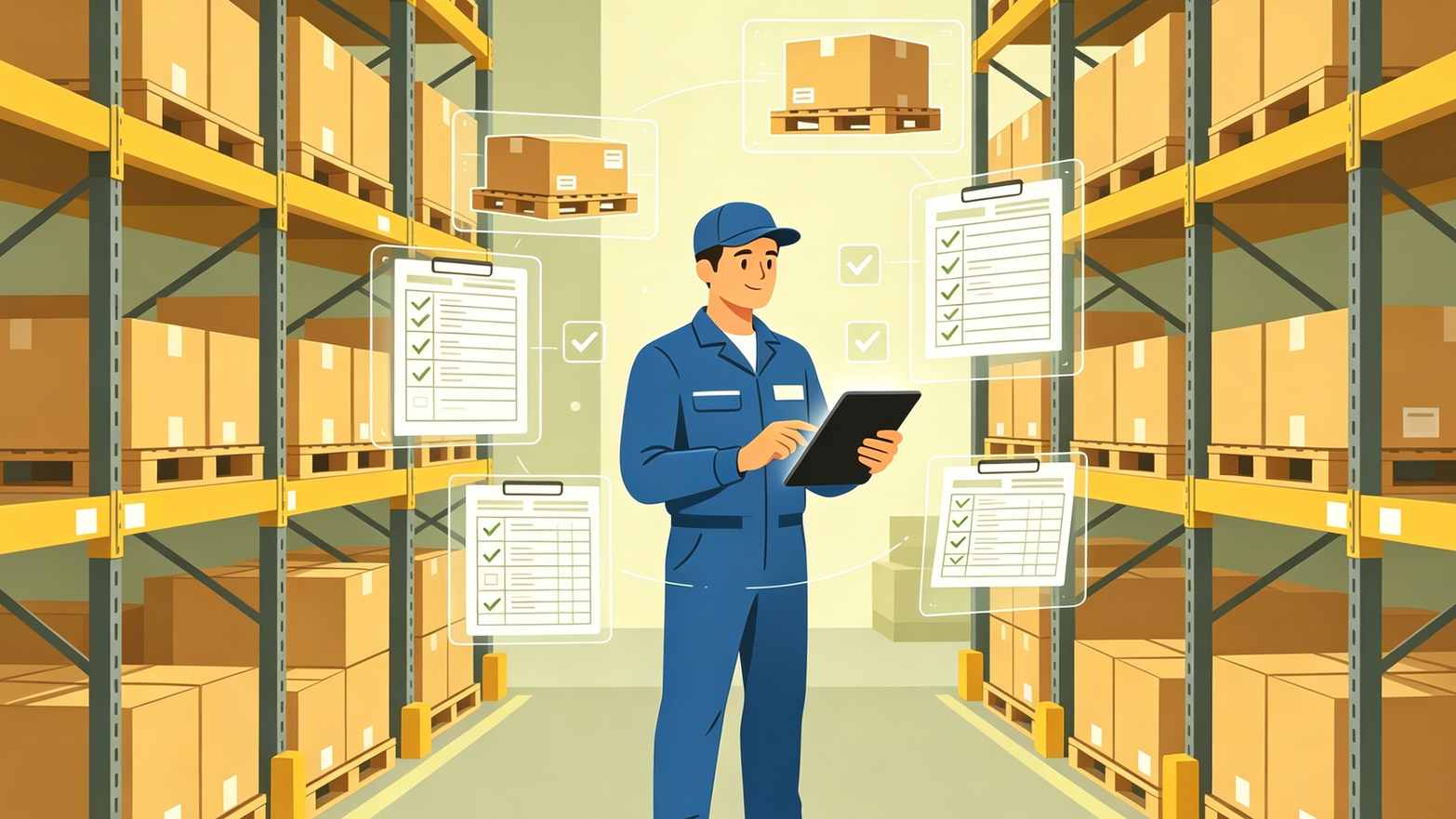
The average operations manager spends 30% of their week on "manual coordination"—chasing updates, reconciling invoices, and re-entering data. An AI-native PLM aims to eliminate this "double-entry loop." By connecting the inbox, the calendar, and the warehouse data, Humanly ensures that when a shipment is delayed, the impact is visible across the entire product lifecycle without anyone having to manually update a status.
Real-World Application: The Experience of Scaling a Brand
To understand the value of a Humanly-style PLM, consider the trajectory of a mid-market lifestyle brand scaling from $10 million to $50 million in annual revenue.
At $10 million, the founder can still hold the product roadmap in their head. They know which factory is struggling with the new recycled nylon fabric. They know that the freight cost from Vietnam just spiked.
But at $50 million, that "operational memory" fails. The brand now has 200 SKUs. A 2% increase in raw material costs across the core collection can wipe out the quarter's profit. This is when the lack of a proper PLM becomes a terminal risk.
The Problem: The Disconnected Ledger
In our experience auditing high-growth brands, the most common failure point is the "data fog" between the design desk and the finance office. The designers approve a new trim that costs $0.15 more per unit. It sounds small, but across a 50,000-unit order, that’s $7,500. Without a connected PLM like Humanly, the finance team doesn't see this until the invoice arrives months later.
The Solution: Proactive Guardrails
Using a platform like Humanly Ops changes the workflow from reactive to proactive. When the costing changes during vendor negotiations, the system generates an alert: "Margin-impacting cost changes are flagged before the next production decision."
This allows the Head of Ops to make a choice:
- Accept the margin hit.
- Negotiate a volume discount.
- Switch to a different material.
This is "Humanly PLM" in action—providing the data clarity needed for human judgment to prevail.
Technical Architecture of an AI-Native PLM
Why can't traditional ERPs do this? The answer lies in the architecture. Legacy systems are built on relational databases that require strict, structured input. Humanly is built as an "AI-native operating system."
The Knowledge Graph vs. The Spreadsheet
Instead of rows and columns, an AI-native system uses a knowledge graph. It understands the relationship between a "Vendor," a "Component," a "Purchase Order," and "Real-time Demand."
When a "Vendor" in China is flagged for repeated delays, the system doesn't just record the delay; it understands that this vendor is tied to your "Hero SKU" which is currently at "Low Stock" and has a "High Sales Velocity." It automatically calculates the risk of a stockout and suggests an outreach to the vendor before the crisis hits.
Autonomous Preparation, Controlled Execution
Humanly’s design philosophy is "Autonomous where it should be, controlled where it matters."
- Autonomous: Routing emails, flagging discrepancies, reconciling purchase orders with packing slips.
- Controlled: Approving final product specs, committing to a production run, or changing retail pricing.
This ensures that the AI handles the "grunt work" of PLM while humans focus on the "architectural work" of brand building.
How to Implement a Humanly Approach to PLM
Transitioning to a modern, human-centered PLM doesn't happen overnight. It requires a shift in both technology and culture.
1. Audit Your "Shadow PLM"
Before buying new software, map out where your data actually lives. How many spreadsheets are being used to track production? How many times is the same SKU information entered into different tools? Identifying these "manual handoff" points will show you exactly where an AI-native system can provide the most ROI.
2. Focus on the "Source of Truth"
The biggest hurdle in PLM implementation is data integrity. Humanly solves this by connecting directly to the tools teams already use (Email, Slack, Calendars). Instead of asking your team to "log into the PLM," the system learns from their existing communication. This reduces the friction of adoption.
3. Move from Static to Dynamic Costing
Stop looking at your margins as a quarterly report. In a Humanly-driven environment, costing is dynamic. Every time a freight bill is paid or a duty rate changes, your landed margin should update. This allows for real-time pricing adjustments and more aggressive (but safe) discounting strategies.
What to Expect: The Benefits of Modern PLM Integration
Brands that successfully move away from legacy systems and embrace an AI-native approach to product management typically see three core benefits:
- Reduced Operational Drag: Less time spent on "chasing" data and more time spent on "using" data.
- Improved Capital Efficiency: By identifying slow-moving products that are tying up cash earlier in the lifecycle, brands can optimize their inventory turn.
- Stronger Vendor Relationships: Clear, data-backed communication with vendors reduces misunderstandings and improves negotiation leverage.
Frequently Asked Questions (FAQ)
What is the difference between Humanly Ops and a traditional PLM?
Traditional PLM software (like Windchill or Teamcenter) focuses on engineering data and CAD integration for complex manufacturing. Humanly Ops is an AI-native operating system designed for modern commerce brands, focusing on the commercial lifecycle: from product specs and costing to inventory, sales, and finance alignment.
Can Humanly replace my existing ERP?
Humanly is designed to be your primary operating system. While it can work alongside existing tools, it often replaces the need for disconnected ERPs, spreadsheets, and manual tracking tools by providing one connected view of the business.
How does the AI in Humanly improve product management?
The AI acts as a "Team Brain." It monitors conversations, emails, and data entries to flag discrepancies (like a price increase or a specification change) before they become costly errors. It automates the "routing" and "preparing" of data so humans only have to perform the "reviewing" and "approving."
Is "Humanly PLM" suitable for small brands?
Yes. In fact, small, fast-growing brands are the most at risk of "operational chaos." Implementing a system like Humanly early allows a brand to scale without exponentially increasing its headcount in the back office.
How does Humanly handle supply chain transparency?
By connecting internal teams, vendors, and designers in one system, Humanly removes the data silos found in long email chains. Everyone works from the same source of truth, providing total visibility into what is delaying production or where cash is stuck.
Conclusion: The Future of Product Management is Humanly
The era of the "dumb database" is ending. Whether you are looking at the specific features of the Humanly Ops platform or adopting the broader philosophy of Human-Centered PLM, the goal is the same: to give humans more control over their business by giving AI control over the data fog.
"Humanly PLM" isn't just about managing a product's lifecycle from inception to disposal; it's about managing the intelligence and the relationships that make that product possible. In a market where margins are thin and consumer attention is fleeting, the ability to see the "truth behind the noise" is the ultimate competitive advantage. By automating the repetitive and flagging the critical, modern brands can finally stop managing steps and start managing growth.
-
Topic: 120 – The Human Side of PLM Part 6: The Future of Human-Centered PLM | Rockwell Consultshttps://rockwellconsults.wordpress.com/2025/11/01/120-the-future-of-human-centered-plm/
-
Topic: Humanly | AI-Native Operating System for Modern Commerce Brandshttps://www.humanlyops.com/
-
Topic: Humanly — AI ops for compounding pharmacies, TRT & HRT clinicshttps://humanly.com