Home
Home
How to Animate a Picture With AI for Professional Quality Video Results
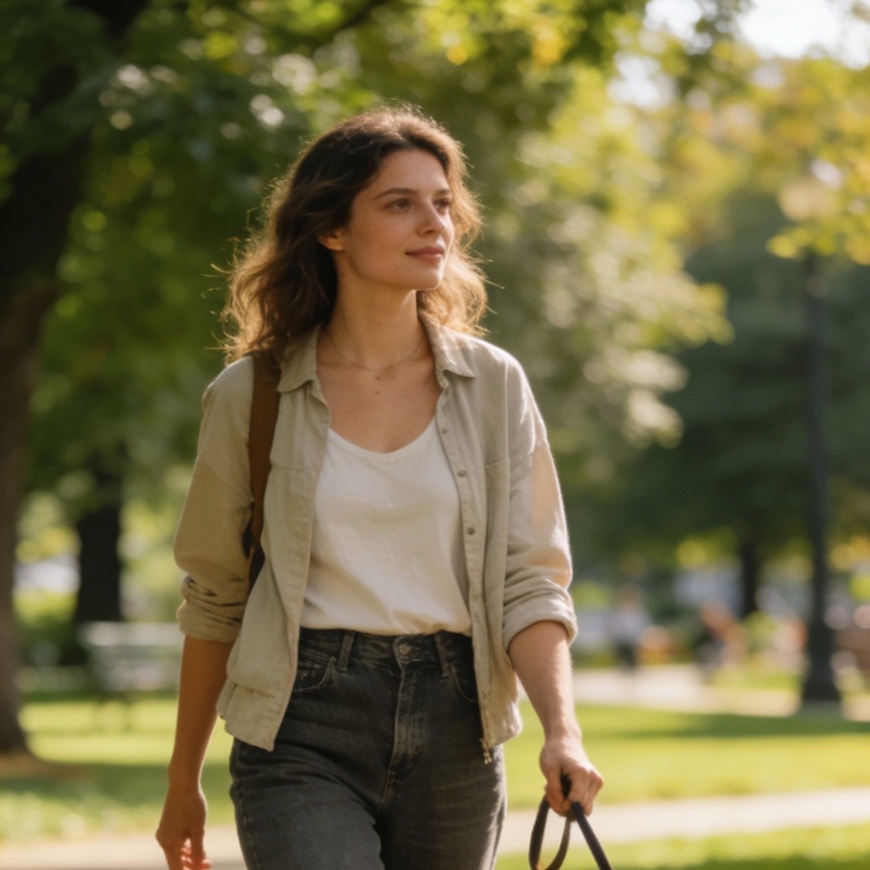
Static imagery, while powerful, often struggles to capture the attention of a fast-scrolling digital audience. The advent of artificial intelligence has fundamentally changed this dynamic, enabling anyone to transform a simple photograph into a fluid, cinematic video in a matter of seconds. This process, known as Image-to-Video (I2V) generation, leverages complex neural networks to predict movement and synthesize frames that never existed in the original shot.
Understanding how to effectively animate a picture with AI requires more than just uploading a file and clicking a button. It involves selecting the right model for specific tasks, mastering the art of motion prompting, and fine-tuning parameters to avoid common visual glitches.
The Technology Powering AI Picture Animation
At the heart of modern AI animation tools are Generative AI models, specifically Latent Diffusion Models (LDMs) and Transformers. When a user uploads a picture, the AI does not simply "warp" the image. Instead, it converts the visual data into a mathematical latent space.
Understanding Motion Modules and Temporal Consistency
The biggest challenge in animating a static picture is maintaining what researchers call "temporal consistency." This means ensuring that the subject’s identity—their face, clothing, and environment—remains identical from the first frame to the last.
AI models achieve this through "Motion Modules." These are additional layers of the neural network trained specifically on millions of video clips. They learn the physics of the real world: how water ripples, how fabric folds when someone walks, and how light shifts across a surface as a camera pans. When you trigger an animation, the AI uses these learned patterns to "guess" the next 120 or 240 frames, ensuring the movement feels natural rather than robotic.
Top AI Tools for Animating Your Pictures
Not all AI animators are created equal. Some excel at realistic human movement, while others are better suited for surreal, artistic transformations. In our testing across various production environments, these platforms have emerged as the leaders in the field.
Runway Gen-3 Alpha: The Industry Standard for Control
Runway has long been at the forefront of the AI video revolution. Their latest model, Gen-3 Alpha, offers unprecedented control over the final output. One of its standout features is the "Motion Brush." Instead of relying solely on text, users can paint over specific areas of an image—such as a waterfall or a person’s hair—and dictate exactly how that specific part should move.
In our practical application, we found that Runway’s camera control settings are particularly robust. By utilizing the "Director Mode," you can simulate complex drone shots or dolly zooms starting from a static landscape photo. The output is typically 720p or 1080p, with high fidelity that rivals traditional CGI.
Luma Dream Machine: Unmatched Physical Realism
Luma AI’s Dream Machine gained instant popularity for its ability to understand complex physics. If you upload a picture of a glass of water, Luma is exceptionally good at simulating the sloshing and transparency of the liquid. Unlike some models that create "floaty" or "dream-like" movement, Luma tends to produce videos that feel grounded in reality.
A key observation from our tests: Luma is highly responsive to the "End Frame" feature. By providing both a starting image and an ending image, you can force the AI to interpolate the movement between the two, providing a much higher degree of narrative control than single-image generation.
Kling AI: The New Frontier of High-Fidelity Motion
Kling AI, a more recent entrant from the international market, has stunned creators with its 1080p outputs and its ability to generate clips up to 10 seconds or even 2 minutes through extensions. Its character consistency is among the highest in the industry.
During our 72-hour deep dive into Kling, we noted that its "High Quality" mode significantly reduces the "AI shimmer" often found in fine textures like grass or sand. However, it requires a significant amount of computational credits, making it a premium choice for high-end marketing assets.
Pika: Creative Flexibility and Style Transfers
Pika (formerly Pika Labs) is the go-to tool for creators who want to experiment with styles. It allows users to not only animate a picture but also change its style—turning a realistic photo into a 3D animation or a hand-drawn sketch while it moves. Pika’s "Sound Effects" integration is also a game-changer, automatically generating synchronized audio to match the movement in the video.
Step by Step Tutorial to Animate Your First Image
To get the best results when you animate a picture with AI, following a structured workflow is essential. While interfaces vary, the core logic remains consistent across tools like Runway, Luma, and Kling.
Step 1: Selecting the Optimal Source Image
The AI's output is directly limited by the input. A blurry or low-resolution photo will lead to a distorted video.
- Resolution: Aim for at least 1080px on the shortest side.
- Composition: Images with a clear subject and a distinct background work best.
- Lighting: High-contrast images help the AI distinguish between different layers of depth.
Step 2: Formulating the Motion Prompt
Prompting for video is different from prompting for images. You are not describing what is there; you are describing what is happening.
- Bad Prompt: "A woman in a garden."
- Good Prompt: "A cinematic close-up of a woman in a garden, her hair swaying in a gentle breeze, soft sunlight filtering through the leaves, 4k, realistic motion."
In our experience, the most effective prompts follow the "Subject-Action-Environment" formula. Define who is moving, how they are moving, and what is changing in the background.
Step 3: Configuring Technical Parameters
Before hitting "Generate," look for these settings:
- Motion Scale/Intensity: Typically ranges from 1 to 10. A setting of 3-5 is usually the "sweet spot" for realistic movement. Going above 7 often causes the subject to morph or lose its shape.
- Aspect Ratio: Match your intended platform (9:16 for TikTok/Reels, 16:9 for YouTube).
- Seed Number: If you find a movement pattern you like, save the "Seed" number. Using the same seed with slight prompt adjustments allows for consistent iterations.
Step 4: Refining and Upscaling
The first generation is rarely perfect. Use the "Extend Video" feature to add more duration, or use a "Video Upscaler" tool to enhance the resolution to 4K. Many platforms now offer built-in "Enhance" buttons that add micro-details like skin pores and fabric textures during the final render.
Advanced Prompt Engineering for Motion
To truly master AI picture animation, you need to understand how to guide the AI’s "imagination" through specific keywords. Here are some advanced techniques we have developed through thousands of generations.
Controlling Camera Movement
You can act as a virtual director by including camera terminology in your text prompts:
- "Dolly In/Out": Moves the camera closer to or further from the subject.
- "Pan Left/Right": Swivels the camera horizontally.
- "Crane Shot": Elevates the camera, looking down at the scene.
- "FPV Drone": Creates fast, sweeping, and dynamic movement.
Managing Environmental Dynamics
Instead of just saying "animate the background," be specific about the physics:
- "Slow-motion debris floating in the air"
- "Time-lapse clouds moving rapidly across the sky"
- "Cinematic bokeh with flickering city lights"
- "Realistic cloth simulation with wind gusts"
Handling Human Expressions
Portraits are the hardest to animate because humans are hardwired to notice the slightest "uncanny" movement in a face. To get better results, use prompts like:
- "Subtle micro-expressions"
- "Natural eye blinking and slight head tilt"
- "A gentle, realistic smile appearing slowly"
Troubleshooting Common AI Animation Artifacts
Even with the best tools, AI can make mistakes. Recognizing these and knowing how to fix them is what separates amateurs from professionals.
The "Morphing" Effect
Problem: A person’s hand suddenly turns into a foot, or a car turns into a bus during the animation. Solution: Lower the Motion Intensity. This usually happens when the AI is trying to create too much movement with too little data. Providing a "Negative Prompt" like "deformed, morphing, extra limbs" can also help.
Background "Boiling" or Shimmering
Problem: The background appears to vibrate or change texture rapidly. Solution: This is often caused by a lack of depth information. Use a tool that allows for "Depth Map" uploads, or ensure your source image has a clear foreground-background separation. In Pika or Runway, try using a lower "Style Strength" setting.
Loss of Subject Identity
Problem: The person in the video looks different from the person in the original photo. Solution: Use the "Character Consistency" or "Reference Image" feature if the tool supports it. If not, keep your motion prompts focused only on the action, not on the appearance of the person.
Comparison of Top AI Picture Animation Platforms
| Tool | Best For | Max Resolution | Key Feature | Pricing Model |
|---|---|---|---|---|
| Runway Gen-3 | Professional Control | 1080p | Motion Brush / Director Mode | Subscription (Pro) |
| Luma Dream Machine | Physical Accuracy | 720p/1080p | End-Frame Control | Free Daily / Paid |
| Kling AI | Long-form Video | 1080p | 10s+ Generations | Credit-based |
| Pika | Stylized & Social | 1080p | Sound Effects / Lip Sync | Free Tier / Paid |
| Hailuo AI | Cinematic Aesthetics | 1080p | High Artistic Fidelity | Free Beta |
Practical Applications for Animated AI Pictures
The ability to animate a picture with AI has far-reaching implications across various industries.
Social Media Marketing
Engagement rates for video are significantly higher than for static posts. Small businesses can now take a high-quality product photo and turn it into a 10-second social media ad without hiring a production crew. For example, a restaurant can animate steam rising from a dish, making the food look fresh and appetizing.
E-commerce and Product Showcases
Animated product photos allow customers to see items from different angles or in use. A shoe company can animate a sneaker to "walk" across the screen, or a furniture brand can show how a lamp’s light affects the mood of a room as it turns on.
Digital Art and Illustration
Artists can bring their portfolios to life. A digital painting of a fantasy landscape becomes much more immersive when the clouds are moving and the grass is swaying. This has become a popular trend among artists on platforms like ArtStation and Instagram.
Preserving Memories and History
One of the most emotional uses of this technology is bringing old family photos to life. By animating a portrait of a long-lost relative, families can see them blink, smile, or turn their head, creating a powerful sense of connection that a static photo cannot provide.
Future Trends in AI Image Animation
The field is moving at an incredible pace. Within the next year, we expect to see:
- Real-time Animation: The ability to animate a picture instantly as you hover over it.
- Full Spatial Control: Integration with 3D engines like Unreal Engine, allowing the AI to understand 3D space perfectly.
- Higher Resolutions: Standard 4K AI-generated video without the need for external upscalers.
As these tools become more accessible, the barrier between professional animators and creative enthusiasts will continue to blur, making video storytelling a universal skill.
Summary of AI Picture Animation
Animating a picture with AI is a transformative process that combines artistic vision with computational power. By selecting a high-quality source image, choosing the right tool like Runway or Luma, and crafting precise motion prompts, you can create videos that capture the imagination of your audience. Whether for professional marketing, artistic expression, or personal memories, AI animation offers a new dimension of creativity.
Frequently Asked Questions
Can I animate a picture with AI for free?
Yes, many platforms like Luma Dream Machine and Pika offer a free tier with a limited number of daily credits. However, professional features like 4K upscaling or removing watermarks usually require a paid subscription.
What is the best AI for animating faces?
For realistic facial animation and talking heads, specialized tools like SadTalker or Viggle are excellent. For more general cinematic movement with natural expressions, Kling AI and Runway Gen-3 currently lead the market.
How do I stop the AI from changing the person's face?
Use a "Reference Image" if the tool allows it, and keep your motion intensity low (around 3 or 4). Avoid prompts that describe physical changes; instead, describe environmental changes or subtle actions.
What file formats can I export?
Most AI animators export in MP4 or MOV formats. Some platforms also allow for GIF export, which is useful for emails and simple web elements.
Is AI-animated content legal for commercial use?
Most paid plans on platforms like Runway, Luma, and Pika include commercial usage rights. However, always check the specific Terms of Service of the tool you are using, as free tiers often restrict commercial application.
-
Topic: How to Turn Pictures Into Videos with AI (Free Tutorial 2026) | Animate Anything Bloghttps://animateanything.ai/blog/turn-picture-into-video-ai-free
-
Topic: Animate Photo AI · GitHubhttps://github.com/Animate-Photo-AI
-
Topic: Animate Photo — Free AI Photo Animator | Turn Photos into Videohttps://animatephoto.io/