Home
Home
How to Build the Ultimate Playlist for Your Original Character
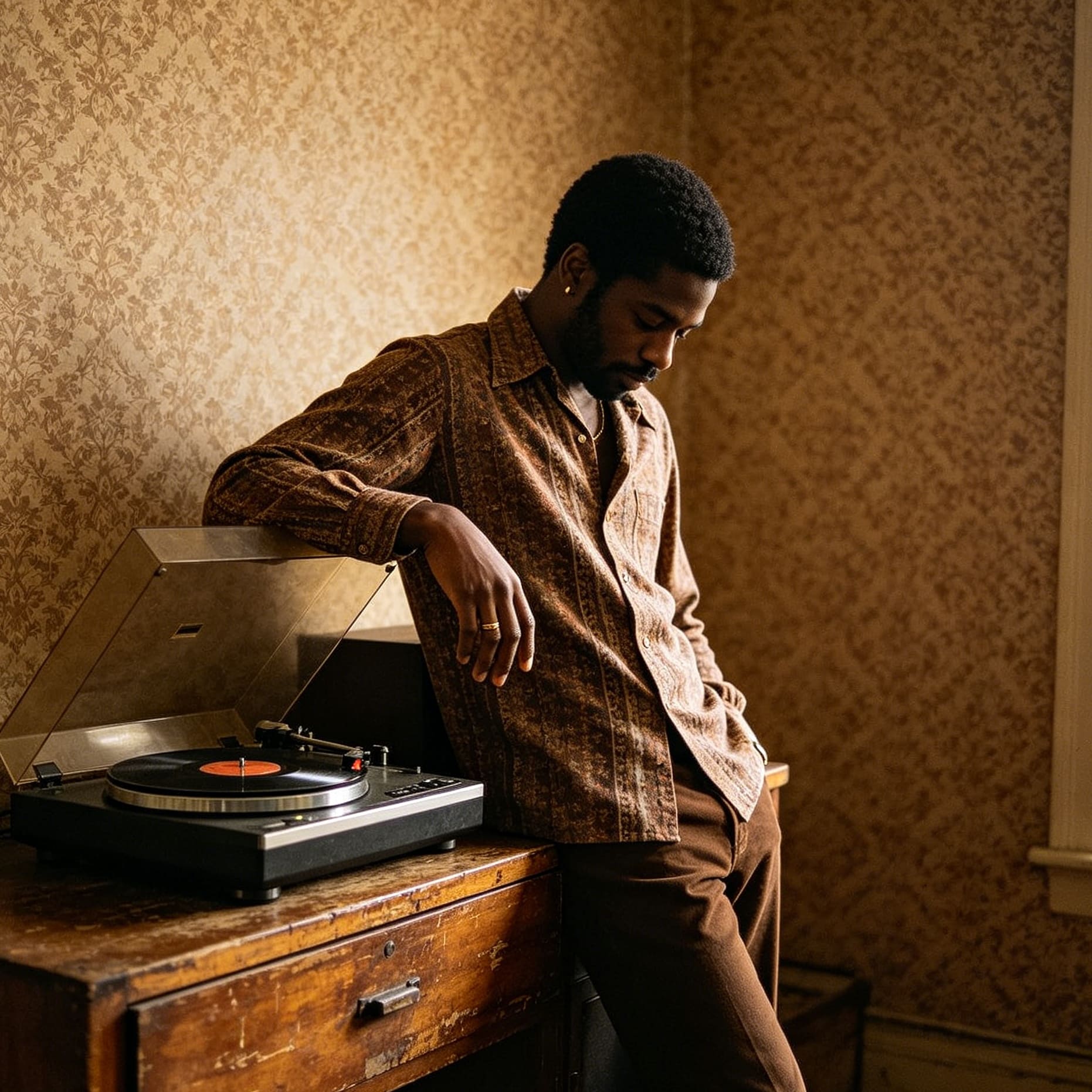
Creating a playlist for an Original Character (OC) is far more than just a collection of songs you enjoy. It is a vital tool for character development, a sonic blueprint that helps writers, artists, and roleplayers step into the headspace of their creations. A well-curated OC playlist acts as a mood board for the ears, capturing the nuances of a character's internal conflict, their aesthetic, and their evolution throughout a story.
To make a playlist for your OC, start by identifying their "Musical DNA": their core personality traits, their personal aesthetic (e.g., Cyberpunk, Gothic, Sunshine), and the specific genre of music that matches their emotional frequency. Use specific prompts like "What song plays during their greatest defeat?" or "What would they listen to on a rainy midnight?" to flesh out the tracklist.
Defining the Core: The Musical DNA of Your OC
Before adding tracks to a streaming queue, you must understand the foundation of your character. A "stoic knight in a futuristic ruin" will require a vastly different soundscape than a "chaotic magical girl in a high-school setting."
The Basics and Aesthetic
What is the visual language of your character? If your OC is a gritty hacker, your playlist might lean into heavy industrial synths or aggressive phonk. If they are a Victorian ghost, you might look toward melancholic cello arrangements or dark ambient tracks. The aesthetic dictates the "texture" of the music—distorted and sharp versus smooth and ethereal.
Personality Traits and Emotional Frequency
Music is the language of emotion. To choose the right songs, map your character’s traits to musical elements:
- Rebellious/Chaotic: Look for high BPM, irregular rhythms, and distorted vocals (Punk, Grunge, Experimental Noise).
- Melancholic/Introverted: Seek out minor keys, slower tempos, and acoustic instruments (Indie Folk, Slowcore, Classical).
- Confident/Powerful: Focus on heavy bass, anthemic choruses, and steady, driving beats (Power Metal, Cinematic Rock, Hip-Hop).
Representation vs. Preference: Two Types of OC Tracks
When building your list, it is essential to distinguish between songs that represent the character and songs the character would actually listen to.
Songs That Represent the Character
These are meta-commentary tracks. The lyrics might describe their backstory, their internal struggle, or their ultimate fate. The character may not even like this music, but it fits the narrative theme. For example, a character who is a cold-blooded assassin might be represented by a haunting, operatic track that highlights the tragedy of their lost humanity.
Songs the Character Listens To
This is about immersion. What does your character put on their headphones to escape reality? A stressed-out office worker OC might listen to lo-fi hip-hop to stay focused, or perhaps they secretly blast 80s disco to feel alive. In our testing during character workshops, we found that identifying a character’s "guilty pleasure" song often reveals more about them than their "theme song."
The Scenario-Based Playlist Template
To move beyond a random shuffle, use specific scenarios to test your character's reaction to music. Borrowing from popular creative communities, here is a structured template to build a multi-dimensional playlist:
| Scenario Prompt | Musical Direction |
|---|---|
| The Intro Theme | A song that captures their first impression on the reader/viewer. |
| The Internal Monologue | What plays when they are alone with their thoughts? |
| The Boss Battle | The high-energy track for their moment of peak conflict. |
| The Breaking Point | A song for when everything goes wrong and they lose control. |
| The Romantic Subtext | How they feel about their significant other (or their longing). |
| The Daily Routine | The mundane "background noise" of their life. |
| The Redemption/Ending | The final note of their story arc. |
Matching Genres to Character Archetypes
Based on years of narrative analysis, certain musical genres tend to resonate with specific character tropes. While you should always strive for uniqueness, these pairings serve as excellent starting points:
The Morally Grey Antagonist
- Genre: Dark Jazz or Neo-Classical.
- Why: These genres offer a sophisticated but unsettling atmosphere. The use of dissonant chords in Dark Jazz reflects a character who is intelligent and composed on the surface but deeply fractured underneath. In my experience, tracks with a slow, creeping double bass line work best for characters who manipulate others from the shadows.
The Cyberpunk Outsider
- Genre: Synthwave, Glitch-hop, or Industrial.
- Why: The "high tech, low life" mantra is perfectly captured by electronic distortion. If your OC lives in a neon-drenched dystopia, look for tracks with heavy 80s-style synthesizers mixed with modern, aggressive percussion.
The Ethereal/Supernatural Being
- Genre: Ethereal Wave, Dreampop, or Dark Ambient.
- Why: For ghosts, fae, or cosmic entities, you want music that feels "placeless." Reverb-heavy vocals and shimmering guitar textures create a sense of otherworldly presence.
How to Curate a Narrative Arc in Your Playlist
A truly great OC playlist tells a story from track 1 to track 20. Instead of shuffling, arrange the songs to reflect the character's journey.
- The Inciting Incident: Start with tracks that feel like a "call to adventure." These should have a sense of movement and rising energy.
- The Rising Tension: Mid-playlist tracks should become more complex, perhaps incorporating heavier instruments or more frantic lyrics as the character faces challenges.
- The Climax: This is the peak. It should be the most intense song on the list—whether that means the loudest or the most emotionally devastating.
- The Resolution: The final tracks should offer a sense of closure, whether it’s a peaceful acoustic melody or a haunting silence that signifies a tragic end.
Practical Tips for Curation
Use "Sound Scaping"
Don't limit yourself to songs with lyrics. Sometimes, the most effective part of an OC playlist is a 10-minute ambient track of "rain on a tin roof" or "distant battlefield sounds." Mixing these with music creates a "soundscape" that feels like a lived-in world.
The "Shuffle Test"
Once you have 15-20 songs, put them on shuffle. If a song comes on and it feels "out of character," remove it immediately. The playlist should feel cohesive even when randomized.
Experimenting with AI Tools
If you are stuck, AI-powered playlist makers can provide a jumping-off point. By inputting keywords like "melancholy," "space exploration," and "loneliness," you can discover hidden gems or indie artists that you might have otherwise overlooked. However, always manually vet these suggestions to ensure they align with your OC’s specific nuances.
What should be included in an OC playlist?
An effective OC playlist should include a mix of the character’s "theme song," music they would listen to in their daily life, and tracks that represent their relationships with other characters. Aim for 10-25 songs to ensure variety without becoming bloated.
How do I find songs for a character I haven't finished writing yet?
Focus on the vibe first. Even if you don't know your character's full backstory, you likely know how they make you feel. Start with instrumental tracks (soundtracks, lo-fi, classical) to establish the atmospheric foundation before moving into lyrical content.
Summary of the OC Playlist Building Process
Building a playlist for your Original Character is a transformative exercise in character building. By defining their aesthetic, distinguishing between their personal tastes and their narrative themes, and using scenario-based prompts, you create a powerful tool for immersion. Whether you are writing a novel or preparing for a tabletop campaign, the right music can be the key to unlocking your character’s soul.
FAQ
Can I have multiple playlists for one OC? Yes. Many creators have a "Main Theme" playlist, a "Backstory" playlist for their past, and even an "Angst" playlist specifically for sad scenes.
What if my OC is from a historical period with no modern music? You have two choices: use period-accurate music (like Baroque or Folk) to stay grounded, or use modern music that captures the spirit of the era (like using heavy metal to represent the intensity of a Viking battle).
How long should an OC playlist be? There is no hard rule, but 12-15 tracks are usually enough to cover the major emotional beats of a character without losing focus.
Should I include songs with lyrics that don't perfectly fit? Lyrics don't have to be a 100% match. Sometimes a single line or even just the "mood" of the singer's voice is enough to justify a song's place in the list.
-
Topic: OC Playlist meme on Tumblrhttps://www.tumblr.com/tagged/OC%20Playlist%20meme
-
Topic: Come up with playlists for your OCs - Questions - Tapas Forumhttps://forums.tapas.io/t/come-up-with-playlists-for-your-ocs/74721
-
Topic: Best Oc Playlist Maker | Vondyhttps://vondy.com/oc-playlist-maker--4xaR39Ol