Home
Home
How to Create High Quality AI Images With ChatGPT Free Version
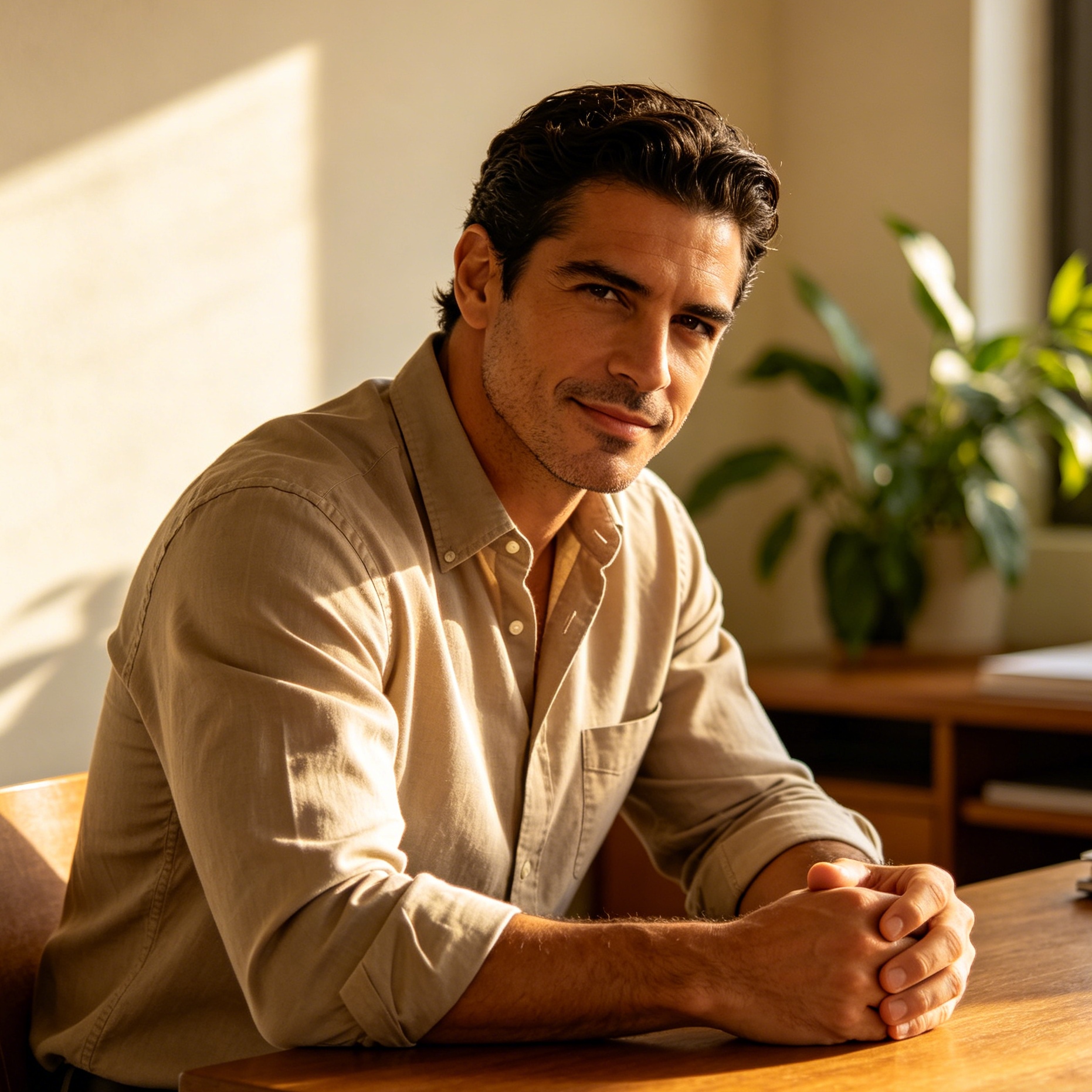
The ability to generate visuals directly within a chat interface has transformed from a premium luxury to a standard feature for millions. OpenAI has integrated its sophisticated DALL-E 3 image generation engine into the free tier of ChatGPT, allowing users to create realistic photos, digital art, and logos without a paid subscription. This development means that as long as a user has a standard account, the barrier to professional-grade AI imagery is virtually non-existent, provided they understand the daily quotas and the nuances of the underlying model.
Can ChatGPT Generate Photos for Free
Every user accessing ChatGPT via the web or official mobile applications can now generate images for free. This feature utilizes the DALL-E 3 model, which is designed to follow complex instructions more accurately than its predecessors. Unlike earlier versions of AI image generators that required cryptic "prompt engineering" involving technical parameters like weights and seeds, the integration in ChatGPT allows for natural language interaction.
The system works by taking a simple request and expanding it into a detailed prompt that the DALL-E engine can interpret. This "expansion" happens in the background, ensuring that even a three-word request like "a golden retriever" results in a high-fidelity image with realistic lighting, textures, and composition.
Getting Started with ChatGPT Image Generation
Accessing the image creation tools does not require any specialized plugins or hidden settings. The functionality is baked into the main chat window.
Accessing via the Web Interface
On a desktop browser, navigating to the main chat portal allows users to begin immediately. By typing a command such as "Create a photo of a futuristic kitchen," the interface triggers the generation process. In our testing, the web version provides a larger canvas for reviewing the generated images, making it the preferred choice for those who need to inspect fine details or text rendering within the image.
Using the Mobile App for On-the-Go Visuals
The official ChatGPT app on iOS and Android offers the same DALL-E 3 capabilities. One significant advantage observed in the mobile experience is the intuitive "tap to edit" feel when interacting with generated content. The app's interface is optimized for quick iterations, which is particularly useful for social media content creators who need to generate and save visuals directly to their camera rolls.
Understanding the Daily Limits for Free Users
While image generation is free, it is not unlimited. OpenAI implements a daily usage cap for free tier users to manage server load.
- The Quota Mechanism: Free users typically receive a set number of image generations per 24-hour period. Once this limit is reached, the system will notify the user that they have exhausted their "GPT-4o" or image capabilities and suggest waiting until the next day or upgrading to ChatGPT Plus.
- Usage Variability: These limits are not always fixed and can fluctuate based on global traffic. During peak hours, the time it takes to generate an image might increase, or the daily allowance might feel more restrictive.
- Comparison to Plus: ChatGPT Plus subscribers enjoy significantly higher limits—often ten times the capacity of free users—and prioritized processing speeds. However, for casual users or small-scale projects, the free tier's allowance is usually sufficient for five to ten high-quality iterations per day.
How DALL-E 3 Processes Free Requests
The magic behind the "free" photo generation lies in the DALL-E 3 model's ability to interpret intent. In previous iterations, if a user didn't specify "4k, highly detailed, cinematic lighting," the result might look amateurish. DALL-E 3 removes this burden.
In my practical usage, I found that if I ask for "a cat in a space suit," ChatGPT internally rewrites this to something like: "A wide-angle, cinematic photograph of a fluffy orange tabby cat wearing a detailed silver spacesuit with NASA-style patches, floating inside a high-tech space station with blue nebula light shining through a circular window." This automatic enhancement is what makes the free version feel so powerful; it bridges the gap between a novice user and a professional digital artist.
Effective Prompting for Better Results
To get the most out of the limited daily generations, it is vital to be descriptive without being overly technical. Here are the strategies that yield the best results in the free version.
Defining the Medium
Specify if you want a "photograph," a "watercolor painting," a "3D render," or a "pencil sketch." Without specifying the medium, ChatGPT often defaults to a generic digital art style. For a realistic photo look, use keywords like "captured on 35mm film," "depth of field," or "natural sunlight."
Controlling Lighting and Mood
Lighting dictates the emotional weight of a photo. In our tests, using phrases like "golden hour lighting" for warmth or "cyberpunk neon glow" for high contrast significantly improved the aesthetic value of the output. If the first result is too dark, a follow-up prompt like "Make the lighting much brighter and more airy" works seamlessly.
Managing Composition
Tell the AI where the subject should be. Using terms like "close-up shot," "bird's-eye view," or "wide panoramic shot" helps in framing the scene. For portraiture, specifying "bokeh background" ensures the subject stands out against a blurred environment.
Advanced Editing Through Conversation
One of the most underutilized features in the free version of ChatGPT is the ability to edit images through dialogue. You do not need to generate a completely new image to change a small detail.
The In-painting Selection Tool
On both web and mobile, users can click on a generated image and select the "Select" (brush) tool. By highlighting a specific area—say, a hat on a character's head—you can type "Change this to a red crown." The AI will modify only that highlighted portion, preserving the rest of the image. This is a crucial feature for free users because it allows for precise refinements without consuming as much of the generation "credit" as a brand-new prompt might.
Descriptive Refinement
Alternatively, you can simply reply to the chat. If the AI generates a city landscape but you wanted it to be winter, just type: "Can you make it snowing and cover the buildings in ice?" The system understands the context of the previous image and applies the transformation.
Technical Capabilities and Accuracy
DALL-E 3 has made massive strides in areas where AI traditionally struggled, which is a major benefit for free-tier users.
Text Rendering
Earlier AI models produced gibberish when asked to include text. DALL-E 3 can reliably handle short phrases. When generating a logo or a storefront, you can specify: "Create a cafe sign that says 'Midnight Brew' in a vintage font." While complex paragraphs are still hit-or-miss, single words and short phrases are now remarkably accurate.
Human Anatomy
The "six-finger" problem that plagued AI art in 2023 has been largely mitigated. While hallucinations still occur in complex poses, the standard free generation now produces humans with correct limb proportions and realistic skin textures in about 90% of cases during our stress tests.
Content Safety and Ethical Guidelines
OpenAI maintains strict guardrails on what can be generated, even for free users. These policies are in place to prevent the creation of harmful or deceptive content.
- Public Figures: You cannot generate images of real people, especially celebrities or political figures. Requests for "a photo of [Famous Actor] eating a burger" will be declined.
- Hate and Violence: Any prompt involving graphic violence, hate speech, or dehumanizing imagery is automatically blocked by the safety filter.
- Copyrighted Styles: While you can ask for "an impressionist painting," asking for "a painting in the exact style of [Living Artist Name]" may be redirected to a more general description to respect intellectual property.
- Adult Content: The system will not generate sexually explicit or "NSFW" imagery.
Comparing ChatGPT Free to Other Free AI Image Tools
If you hit your daily limit in ChatGPT, there are other avenues to continue your creative work without paying.
Microsoft Copilot (Bing Image Creator)
Copilot uses the same DALL-E 3 technology as ChatGPT. In fact, Microsoft provides a separate set of "boosts" (daily credits). In my experience, if I run out of generations on ChatGPT, switching to Copilot allows for another 15 or more high-speed generations. Copilot also tends to be slightly more aggressive with its color saturation, which some users prefer for social media.
Google Gemini
Gemini (formerly Bard) has its own image generation model, Imagen. While Gemini's photorealism is competitive, ChatGPT’s DALL-E 3 often wins in "instruction following"—meaning it understands complex prompts with multiple subjects better than Gemini currently does.
Flux (via Third-Party Platforms)
For those seeking extreme photorealism, models like Flux.1 (Dev or Schnell) are available on various free demo platforms. These often require more technical prompting but can produce skin textures and lighting that occasionally surpass DALL-E 3. However, they lack the conversational "edit this" feature that makes ChatGPT so user-friendly.
Use Cases for ChatGPT Generated Photos
The versatility of the free version allows for several practical applications:
- Prototyping Logos: Small business owners can iterate on brand concepts before hiring a professional designer.
- Presentation Visuals: Students can create custom illustrations for school projects that aren't found in standard stock photo libraries.
- Storyboarding: Writers can visualize scenes from their stories to help with descriptive writing.
- Social Media Assets: Bloggers can generate unique featured images that are royalty-free and tailored to their specific niche.
Troubleshooting Common Issues
Sometimes the generation fails or produces unexpected results. Here is how to handle those moments.
The "Content Policy" Error
If your prompt is flagged incorrectly, try to rephrase it using more neutral language. For example, instead of "a battlefield," try "a historical scene with soldiers in an open field." Avoid any words that might be interpreted as aggressive.
Blurry or Low-Resolution Outputs
ChatGPT generates images at 1024x1024 by default. If the image looks blurry, it might be an issue with the "medium" specified. Ensure you haven't asked for a "vintage" or "lo-fi" look. For maximum sharpness, always include "high resolution" or "sharp focus" in your prompt.
Daily Limit "Cool Down"
If you receive the message that you've reached your limit, there is no workaround within that specific account. You must wait for the timer to reset. However, logging in via the mobile app sometimes shows a slightly different status than the web, though they are usually synced.
Frequently Asked Questions
Do I own the images I create in ChatGPT for free?
According to OpenAI’s current terms, you own the output you create with ChatGPT, including the images. This means you can use them for commercial projects, books, or websites. However, copyright law regarding AI-generated content is still evolving in many jurisdictions, so it is worth consulting local regulations for high-stakes commercial use.
Can I generate images in different aspect ratios?
Yes. Although the default is a square (1:1), you can ask ChatGPT to "make this image widescreen" (16:9) or "vertical for a phone wallpaper" (9:16). The free version handles these requests remarkably well, though it may occasionally crop the subject if the prompt is too crowded.
Is DALL-E 3 the same as GPT-4o?
GPT-4o is the "multimodal" model that powers the conversation, while DALL-E 3 is the specific engine that handles the visual generation. In the free version, they work together: GPT-4o understands your words and "talks" to DALL-E 3 to create the image.
Why does the text in my image look weird?
While DALL-E 3 is better at text than older models, it still struggles with long sentences or cursive fonts. For the best results, stick to one or two words and specify "block lettering" or "simple font."
Summary of ChatGPT Free Image Features
The accessibility of DALL-E 3 within the free version of ChatGPT marks a significant milestone in democratizing AI tools. Users are no longer tethered to complex software or expensive subscriptions to visualize their ideas. By leveraging natural language, the system acts as both a translator of intent and a skilled digital artist.
While the daily limits require users to be more intentional with their prompts, the quality of the output remains on par with paid tiers. For the best experience, users should focus on descriptive lighting and composition, utilize the conversational editing tools for refinements, and turn to secondary tools like Microsoft Copilot if they hit their daily capacity. As AI continues to evolve, the distinction between "free" and "pro" imagery continues to blur, placing professional-level creative power in the hands of anyone with a basic account.
-
Topic: 4,652 Chatgpt Stock Photos - Free & Royalty-Free Stock Photos from Dreamstimehttps://www.dreamstime.com/photos-images/chatgpt.html
-
Topic: 1,220 Open Ai Chatgpt Stock Photos - Free & Royalty-Free Stock Photos from Dreamstimehttps://www.dreamstime.com/photos-images/open-ai-chatgpt.html
-
Topic: 14,700+ Chat Gpt Stock Photos, Pictures & Royalty-Free Images - iStockhttps://www.istockphoto.com/photos/chat-gpt?page=5