Home
Home
How to Create High Quality AI Videos From Simple Text Prompts
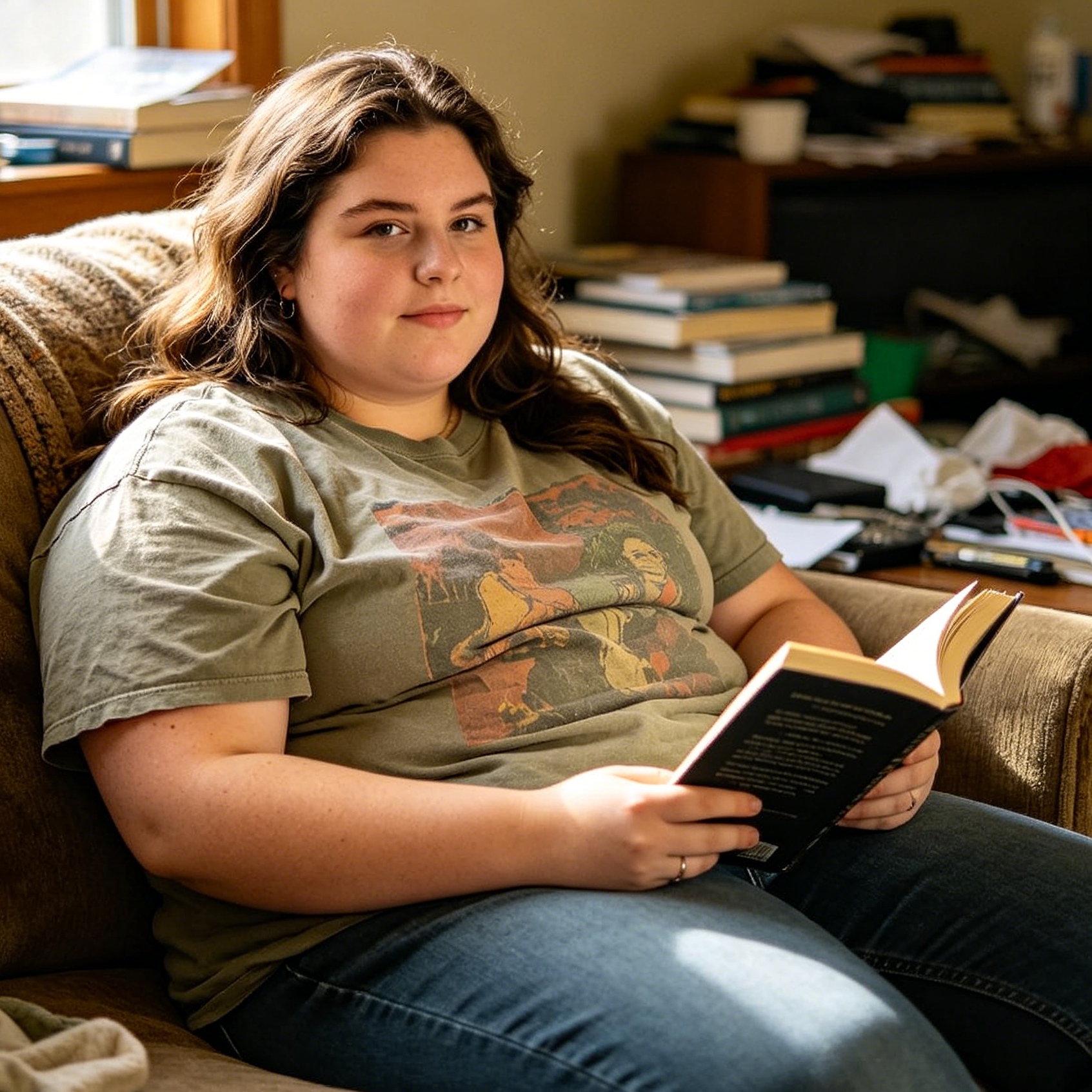
Video production has undergone a fundamental shift with the maturation of generative artificial intelligence. The traditional barriers to entry—expensive camera gear, complex editing software, and professional lighting setups—are no longer the only path to creating compelling visual content. Modern AI video models can now interpret complex natural language and transform it into cinematic sequences that rival professional b-roll.
The process of creating an AI video involves more than just typing a sentence and hitting a generate button. To achieve high-quality results that avoid the common "uncanny valley" or logical glitches associated with early AI attempts, a structured approach to prompting, tool selection, and post-production is required.
Understanding the Landscape of AI Video Generation
Before starting a project, it is essential to distinguish between the different technologies available. AI video is not a monolithic category; rather, it is a collection of distinct models optimized for different outputs.
Cinematic Diffusion Models (Text-to-Video)
These models are designed for creative storytelling. They generate pixels from scratch based on a text prompt or an image. Tools like Runway Gen-3 Alpha, Luma Dream Machine, and Kling AI fall into this category. They excel at creating realistic textures, atmospheric lighting, and dynamic camera movements. These are best used for movie trailers, social media ads, and artistic visuals.
AI Avatar and Talking Head Platforms
If the goal is corporate training or an educational explainer, diffusion models are often too unpredictable. Instead, specialized avatar platforms like HeyGen or Synthesia are used. These systems map a script onto a digital human, synchronizing lip movements and micro-expressions with a voiceover. The focus here is on communication efficiency rather than cinematic flair.
Automated Video Editors and Curators
Platforms such as InVideo AI or CapCut's AI features operate by assembling existing stock footage or generated clips based on a script. They handle the "heavy lifting" of editing, such as adding subtitles, background music, and transitions, making them ideal for rapid social media content creation.
A Step-by-Step Workflow for Professional AI Video Creation
Creating a video that looks intentional and professional requires a disciplined workflow. Following a structured path ensures that the final output aligns with the initial vision.
Phase 1: Conceptualization and Scripting
The strength of a video starts with its concept. AI can assist in the brainstorming phase. By inputting a basic idea into a language model, creators can develop a scene-by-scene script. For a 10-second AI clip, the script should focus on a single, clear action. For longer videos, the narrative must be broken down into individual prompts, as most current AI models generate video in increments of 5 to 10 seconds.
Phase 2: Mastering the Prompt Engineering
The prompt is the bridge between the creator's imagination and the AI's output. In our testing of Gen-3 and Luma models, we found that vague prompts like "a futuristic city" result in generic, low-quality outputs. A professional-grade prompt requires specific components:
- Subject: Detailed description of the main focus (e.g., "A weathered astronaut in a white suit with gold reflections on the visor").
- Action: What is happening? (e.g., "Walking slowly through a neon-lit rain-slicked alleyway").
- Setting: The environment and time of day (e.g., "Tokyo at night, cyberpunk aesthetic").
- Lighting: The source and quality of light (e.g., "Volumetric blue and pink neon lights, cinematic rim lighting").
- Camera Work: The perspective (e.g., "Low-angle tracking shot, shallow depth of field, 35mm lens style").
Phase 3: Selection of the Generation Tool
Choosing the right tool depends on the desired level of control. In our practical application, Luma Dream Machine is often preferred for its "Keyframe" feature, which allows users to upload a start and end image, forcing the AI to animate the transition between them. Kling AI is currently a top choice for realistic human movement, while Runway offers the most robust suite of editing tools like "Motion Brush" to pinpoint exactly which part of an image should move.
Phase 4: The Generation Process and Iteration
Once the prompt is entered, the generation usually takes between 60 seconds to 5 minutes depending on server load. It is rare to get the perfect clip on the first attempt. Successful creators often generate 4 to 5 variations of the same prompt, selecting only the one with the fewest artifacts (such as extra limbs or morphing backgrounds).
Phase 5: Post-Production and Upscaling
AI-generated videos are often exported at 720p or 1080p with some visible compression. To make them truly professional, using an AI Upscaler (like those found in Topaz Video AI or within the CapCut desktop editor) is a standard practice. This process sharpens details and adds a level of polish that makes the video suitable for 4K displays.
Deep Dive into Prompt Engineering for Cinematic Results
To create high-quality AI video, one must speak the language of cinematography. The AI has been trained on millions of frames of film, so using technical filmmaking terminology significantly improves the output.
The Power of Camera Directives
Specific camera movements can transform a static-looking AI generation into something dynamic. In our experience, including these terms in the prompt produces consistent results:
- Dolly Zoom: Creates a sense of unease or realization as the background moves at a different speed than the subject.
- Handheld Shaky Cam: Adds a sense of realism or "found footage" urgency to the scene.
- Crane Shot High Angle: Gives a sense of scale and overview, perfect for establishing settings.
- Slow Pan Left/Right: Ideal for showing off a detailed environment without distracting motion.
Managing Motion Intensity
Most high-end tools now include a "Motion Slider." Setting this to a high value (e.g., 8 out of 10) is great for fast-paced action like a car chase but often leads to "melting" visuals in a calm scene. For a professional portrait or a talking scene, keeping motion intensity between 3 and 5 ensures that the facial features remain stable while still allowing for natural movements like hair blowing in the wind.
Negative Prompting Strategy
While not all video models support a dedicated negative prompt box, creators can achieve similar effects by being specific about what they don't want through positive reinforcement. Instead of saying "no glitches," emphasize "clean edges, high-resolution textures, consistent lighting." If a model supports negative prompts, common terms to include are: "distorted faces, extra fingers, morphing, low resolution, watermark, blurry, signature."
Image-to-Video: The Secret to Consistency
One of the biggest challenges in AI video is "character consistency"—making sure the person in the second shot looks like the person in the first shot. Text-to-video often fails here because each prompt is a fresh start.
The solution is the Image-to-Video (I2V) workflow. By first generating a high-quality, consistent character using an AI image generator (like Midjourney or Flux.1), you can use that image as the foundational frame for your video.
How to Execute a Successful I2V Generation
- Generate a Reference Image: Create the exact character and setting in an image generator. Ensure the lighting is perfect.
- Upload to Video Tool: Use the "Image" input in a tool like Runway or Luma.
- Prompt for Movement only: Since the image already defines the "Subject" and "Setting," your text prompt should focus almost entirely on "Action" and "Camera Movement." For example: "The woman smiles subtly and looks toward the camera, her hair gently swaying."
- Use Keyframes for Complex Actions: If you need a character to move from point A to point B, provide both a start image and an end image. This "brackets" the AI's creativity, resulting in a much more logical motion sequence.
Comparing Top AI Video Tools for 2025
The industry moves fast, but as of late 2024 and early 2025, a few platforms stand out as the standard for high-quality creation.
Runway Gen-3 Alpha: The Professional Choice
Runway remains the leader for creators who need granular control. Its "Motion Brush" feature is a game-changer; you can literally paint over a specific area of a photo (like a waterfall) and tell the AI that only that part should move. In our testing, Gen-3 Alpha provides the most "film-like" grain and color science.
Luma Dream Machine: The Consistency King
Luma gained massive popularity for its ability to handle complex physical interactions. If you need a video of someone eating or a liquid being poured, Luma tends to handle these physics-heavy tasks better than its competitors. Its ability to extend a video clip by another 5 seconds while maintaining the scene is also highly reliable.
Kling AI: Realistic Human Movement
Emerging as a strong competitor, Kling AI is noted for its ability to generate videos up to 2 minutes long (in certain modes) and its startlingly realistic human anatomy. While other models often struggle with walking cycles, Kling produces fluid, natural gaits.
HeyGen: The Best for Marketing and Sales
For business use cases, HeyGen is the undisputed leader for AI avatars. Its "Instant Avatar" feature allows users to record a 2-minute video of themselves and create a digital clone that can speak any script in over 40 languages. The lip-syncing is so accurate that it is often difficult to distinguish from real footage.
Optimizing AI Videos for Different Platforms
A video created for a YouTube documentary needs a different approach than one meant for a TikTok "brainrot" or "aesthetic" feed.
Creating for TikTok and Instagram Reels (Vertical 9:16)
Attention spans are short here. Use high motion intensity and vibrant colors. Since viewers often watch on mute, it is vital to use an AI tool that generates auto-captions. Tools like CapCut or Submagic use AI to sync animated text with the audio, which is essential for engagement. When generating, ensure the subject is centered, as AI models sometimes lose detail at the edges of a vertical frame.
Creating for YouTube (Horizontal 16:9)
YouTube viewers expect higher production value. Focus on cinematic wide shots and slow, steady camera movements. Consistency is key here. If you are creating an AI-narrated video, ensure the voiceover tone matches the visual style. Use "cinematic" and "documentary style" in your prompts to avoid the overly saturated "AI look" that many viewers find off-putting.
Common Challenges and How to Solve Them
Even with the best tools, AI video creation is prone to specific issues. Understanding how to troubleshoot these is what separates a beginner from a pro.
The "Melting" Effect
This occurs when the AI doesn't understand the physical structure of an object, causing it to morph into something else.
- Solution: Lower the motion intensity and use a more detailed image-to-video prompt. If the subject is too complex, break the scene into two shorter clips.
Flickering Lighting
Sometimes the brightness levels of the video pulse unnaturally.
- Solution: In your prompt, specify a single light source, such as "stable studio lighting" or "consistent sunlight." During editing, using a "de-flicker" filter in professional software can also help.
Blurred Faces in Wide Shots
AI models often prioritize the overall scene over small facial details in wide angles.
- Solution: Generate the wide shot for the environment, then generate a separate "close-up" of the character. Stitch them together in your editor to create a traditional "Master Shot / Close-Up" sequence.
Future Trends: The Convergence of Video and Real-Time Interaction
We are moving toward a world where AI video is not just pre-generated but can be rendered in real-time. This will have massive implications for gaming and virtual reality. For now, the focus for most creators should be on mastering the "hybrid workflow"—using AI to generate the raw footage and human intuition to edit, color grade, and pace the final story.
Conclusion on Creating AI Videos
Creating a high-quality AI video is an iterative process that blends technical prompt engineering with classical filmmaking principles. By selecting the right model for the task—whether it is the cinematic power of Runway or the communicative clarity of HeyGen—and utilizing an image-to-video workflow for consistency, anyone can produce professional-grade visuals. The key is to treat the AI as a highly capable but literal-minded cinematographer; the more specific and professional your instructions, the better the final frame will be.
Frequently Asked Questions (FAQ)
What is the best free AI video generator for beginners?
Many platforms like Luma Dream Machine and Kling AI offer free daily credits or a set number of free generations upon sign-up. CapCut also offers excellent free AI tools for basic video generation and editing.
Can I create AI videos from just a script?
Yes. Platforms like InVideo AI or HeyGen can take a text-based script and automatically generate a full video with visuals, voiceovers, and subtitles.
How do I make my AI video look less "fake"?
Avoid over-saturated colors by using prompts like "muted tones," "filmic grain," and "natural lighting." Additionally, using an image as a starting point (I2V) instead of just text (T2V) significantly increases the realism and stability of the video.
Is AI-generated video copyrighted?
Copyright laws for AI-generated content are still evolving and vary by country. In many jurisdictions, purely AI-generated content without significant human creative input may not be eligible for traditional copyright protection. Always check the terms of service of the tool you are using for commercial rights.
How long does it take to generate an AI video?
Most 5-second clips take between 1 and 3 minutes to generate. However, creating a full 1-minute video can take several hours when you account for prompting, multiple iterations, upscaling, and final editing.
Can AI generate videos with sound?
Some tools like Kling AI and Luma are starting to integrate "Sound Effects" (SFX) generation. However, for the best results, it is currently recommended to add music and voiceovers separately using specialized AI audio tools or traditional editing software.
-
Topic: Creating AI videos made easy: Tools, prompts, and tips for beginnershttps://elements.envato.com/learn/how-to-create-ai-videos
-
Topic: How to make an AI video in 3 steps | Renderforest | Renderforesthttps://www.renderforest.com/blog/how-to-make-ai-video
-
Topic: How To Create AI Videos: 3 Must-Use Tools for Any Devicehttps://www.capcut.com/resource/how-to-create-ai-videos