 Home
Home
How to Generate High-Quality Images With AI Tools and Better Prompts
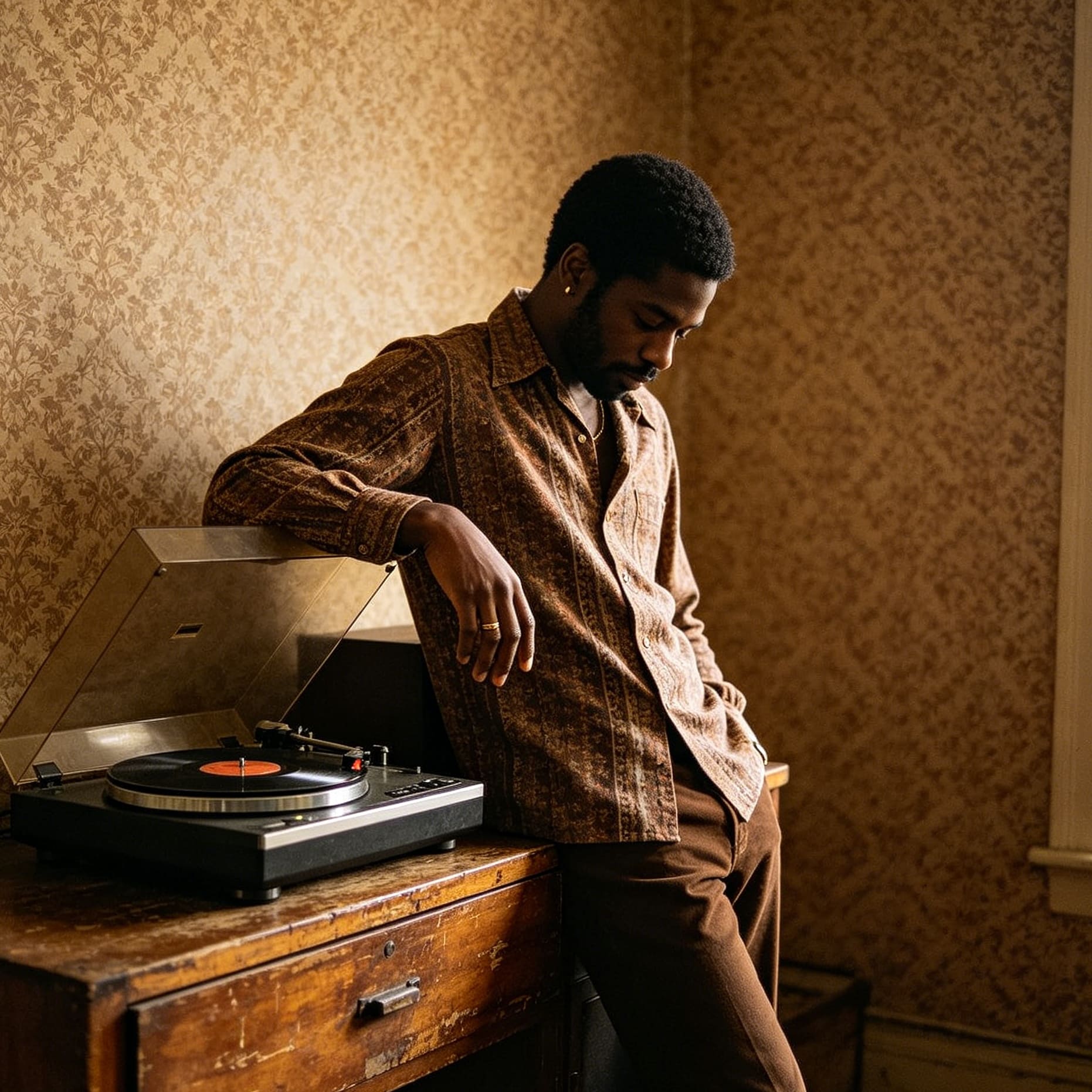
Artificial intelligence has fundamentally altered the landscape of digital creation, transforming the process of image generation from a high-barrier technical skill into an accessible form of linguistic expression. Today, creating a professional-grade visual requires no mastery of brushes or complex software layers; instead, it demands the ability to communicate concepts effectively to a machine. This shift relies on generative models—primarily diffusion models—that interpret text prompts and synthesize pixels into coherent, often breathtaking, visuals.
To generate an image with AI, the process typically follows three fundamental steps: selecting a generative platform (such as Midjourney, DALL-E, or Stable Diffusion), crafting a descriptive text prompt that details the subject and style, and iteratively refining the output through parameter adjustments. While the entry point is simple, achieving "photorealistic" or "studio-quality" results requires a deeper understanding of prompt engineering and the specific nuances of different AI models.
Understanding the Mechanics of AI Image Synthesis
Before diving into the creative process, it is essential to understand what happens behind the interface. Modern AI image generators do not "search" the internet for existing images to collage together. Instead, they utilize a process known as Diffusion.
During training, these models are exposed to billions of image-text pairs. They learn to associate specific words with visual patterns. The "diffusion" process involves starting with a field of pure digital noise—similar to television static—and gradually removing that noise to reveal an image that matches the provided text description. This iterative denoising is why users often see a blurry shape evolve into a sharp figure during the generation process.
For professional creators, this means that the AI is not just a tool but a collaborator that interprets intent. The quality of the "intent" (the prompt) directly dictates the fidelity of the output.
The Five Core Elements of a Perfect AI Image Prompt
The most common reason for suboptimal AI art is a vague prompt. A prompt like "a dog in a forest" gives the AI too much creative freedom, often leading to generic results. To gain control over the output, creators must structure their descriptions using five specific pillars of information.
1. The Subject: Defining the Focal Point
The subject is the "what" of your image. Be as specific as possible. Instead of "a person," describe their ethnicity, clothing, age, and action.
- Weak Subject: "A robot."
- Strong Subject: "A weathered, vintage steampunk robot with exposed copper gears, sitting on a rusted park bench, reading a newspaper."
2. Style: Determining the Artistic Medium
AI models are trained on various artistic movements, mediums, and the specific aesthetics of famous photographers or painters. Defining the style prevents the AI from defaulting to a generic "CG" look.
- Photorealistic: Use keywords like "National Geographic photography," "8k resolution," "35mm lens," or "raw photo."
- Digital Art: Specify "Cyberpunk," "Synthwave," "Low poly," or "Unreal Engine 5 render."
- Traditional Media: Mention "Oil painting on canvas," "Watercolor splash," "Charcoal sketch," or "Ukiyo-e woodblock print."
3. Lighting and Mood: Setting the Atmosphere
Lighting is the most powerful tool for creating emotion and depth. Without specified lighting, images often look flat.
- Cinematic Lighting: "Volumetric fog," "Golden hour," "Rim lighting," or "Noir high-contrast shadows."
- Studio Lighting: "Softbox lighting," "Backlit," or "Neon glow."
- Mood: Descriptions like "Ethereal," "Melancholic," "Vibrant and energetic," or "Post-apocalyptic" help the AI choose a color palette and contrast level.
4. Composition: Controlling the Camera
Think like a cinematographer. Where is the camera? What is the angle?
- Shot Type: "Extreme close-up," "Wide-angle landscape," "Birds-eye view," or "Macro photography."
- Framing: "Symmetrical composition," "Rule of thirds," or "Framed through a window."
5. Colors and Textures: Fine-Tuning the Details
Specific color themes can harmonize an image. Mentioning textures adds a tactile quality that makes the image feel real.
- Colors: "Monochromatic blue," "Pastel palette," "Earth tones," or "Vibrant complementary colors."
- Textures: "Polished chrome," "Rough burlap," "Soft velvet," or "Tactile weathered stone."
Comparing Top AI Image Generators in 2025
Choosing the right tool depends on whether you prioritize artistic flair, ease of use, or commercial reliability.
Midjourney v6.1: The Artist’s Choice
In our extensive testing, Midjourney remains the leader in aesthetic quality. It excels at creating textures and lighting that feel "intentional" rather than procedurally generated.
- Strengths: Unrivaled artistic variety, excellent skin textures, and a powerful "Style Reference" feature that allows users to maintain a consistent look across multiple images.
- Weaknesses: Operates primarily through Discord, which can be a barrier for some users. It also struggles with very specific, long-form text within the image compared to newer models.
- Pro Tip: Use the
--ar 16:9parameter for cinematic shots or--stylize 250to balance AI creativity with your prompt's literal meaning.
DALL-E 3: The Semantic King
Developed by OpenAI, DALL-E 3 is integrated directly into ChatGPT. Its greatest strength is its ability to follow complex, multi-layered instructions.
- Strengths: Superior prompt adherence. If you ask for "a man wearing a red hat, holding a blue umbrella, standing next to a green mailbox," DALL-E 3 rarely misses a single detail.
- Weaknesses: The images can sometimes feel overly "smooth" or "plastic," lacking the grit and organic feel of Midjourney or Flux.
- Pro Tip: Since DALL-E 3 rewrites your prompts via ChatGPT, you can provide a simple idea and ask the AI to "expand this into a highly detailed prompt for a 1920s noir aesthetic."
Adobe Firefly: The Commercial Standard
Adobe Firefly is built for professionals who require legal safety and integration with the Creative Cloud ecosystem.
- Strengths: Trained exclusively on Adobe Stock and public domain content, making it "commercially safe." It integrates seamlessly with Photoshop’s Generative Fill.
- Weaknesses: Historically less "creative" than Midjourney, often erring on the side of conservative, stock-photo-style outputs.
- Pro Tip: Use the "Structure Reference" feature in the web app to upload a sketch and have the AI turn it into a high-fidelity render while keeping the layout identical.
Flux.1: The New Frontier of Realism
Flux.1 has recently disrupted the market by offering incredible realism and the best text-in-image rendering currently available.
- Strengths: It can render legible, complex text (like a full restaurant menu) inside an image. It handles human anatomy—especially hands and feet—with higher accuracy than most competitors.
- Weaknesses: Requires significant hardware (VRAM) if running locally; otherwise, requires third-party API subscriptions.
Step-by-Step Workflow for Professional AI Image Creation
Generating a high-quality image is rarely a one-click event. It is an iterative process.
- Drafting the Core Concept: Start with a basic prompt focusing on the subject.
- Prompt: "A futuristic car in a desert."
- Adding the Stylistic Layer: Layer in the medium and lighting.
- Revised Prompt: "A sleek, silver futuristic supercar in the Sahara desert during golden hour, photorealistic, cinematic lighting, 8k."
- Refining with Technical Parameters: Add camera and rendering specifics.
- Final Prompt: "A sleek, silver futuristic supercar in the Sahara desert during golden hour, low-angle shot, sand dust kicking up behind the wheels, volumetric lighting, shot on 35mm lens, f/1.8, high-octane render."
- Iterative Editing (Inpainting): Most modern tools allow for "Generative Fill" or "Inpainting." If you love the car but hate the driver, you can mask the driver’s area and re-prompt just that section to "a futuristic pilot in a white suit."
- Upscaling: AI generators often produce images at 1024x1024 or similar resolutions. Use an AI Upscaler (like Topaz Photo AI or the built-in upscalers in Midjourney) to increase the pixel count for print or high-res displays without losing detail.
Troubleshooting Common AI Artifacts
Even the best models make mistakes. Understanding how to fix them is key to a professional workflow.
Solving "AI Hands" and Anatomy Issues
If your subject has too many fingers or distorted limbs:
- Solution: Use "Negative Prompts" (in tools like Stable Diffusion) to exclude terms like "extra fingers, deformed limbs." In Midjourney, try the "Vary Region" tool to regenerate the specific hand area.
Fixing Text Errors
If the AI misspells words in your image:
- Solution: Switch to a model like Flux.1 or DALL-E 3 which are optimized for typography. Alternatively, generate the image without text and use Photoshop or Canva to overlay the text manually.
Avoiding the "Uncanny Valley"
If faces look too perfect and robotic:
- Solution: Add keywords like "skin pores," "imperfections," "slight freckles," or "candid photo." This forces the AI to break the symmetry and add realistic flaws.
The Role of Parameters and Advanced Controls
For those using tools like Stable Diffusion or Midjourney, parameters offer granular control that words cannot.
- Aspect Ratio: Changing from a square (1:1) to a wide format (16:9) or a vertical format (9:16) completely changes the composition and how the AI places subjects.
- Seed Values: Every AI image has a "Seed" number. If you find a style you love, recording the seed allows you to generate new images with different subjects while keeping the exact same stylistic "DNA."
- Prompt Weighting: Some tools allow you to tell the AI that one word is more important than another. For example,
mountain ::2 forest ::1tells the model to focus twice as much on the mountain as it does on the forest.
Ethical and Legal Considerations in AI Art
As you create, it is vital to navigate the ethical landscape of generative AI.
- Copyright Status: Currently, in many jurisdictions (including the US), AI-generated images cannot be copyrighted because they lack "human authorship." This means others might be able to use your generated images without permission.
- Bias and Representation: AI models reflect the biases present in their training data. Users should be mindful that prompts can sometimes default to stereotypes and may require proactive prompting to ensure diversity and accuracy.
- Artist Attribution: While it is possible to prompt "in the style of [living artist]," many in the creative community view this as unethical. A better approach is to describe the elements of the style (e.g., "Impressionist brushstrokes, vibrant blues, heavy impasto") rather than naming a specific individual.
Summary of Best Practices for AI Image Generation
To consistently produce high-value visual content with AI, focus on the following:
- Be Descriptive but Concise: Over-prompting can confuse the model. Stick to the five core elements.
- Choose the Right Tool for the Job: Use DALL-E 3 for complex ideas, Midjourney for artistic mastery, and Flux for realism.
- Iterate and Refine: The first image is the beginning, not the end. Use inpainting and variations to perfect the details.
- Stay Technically Informed: AI models update monthly. Following the changelogs of your preferred tool ensures you are using the latest features like "Style Reference" or "Character Consistency."
FAQ
What is the best free AI image generator? While many high-end tools require subscriptions, Microsoft Designer (using DALL-E 3) and various "Playground" sites offering Stable Diffusion or Flux.1 are excellent free entry points.
Can I use AI-generated images for my business? Yes, but with caution. Adobe Firefly is the safest for commercial use due to its training data. Always check the Terms of Service of the tool you are using regarding commercial rights.
How do I make my AI images look real? Focus on lighting and camera settings in your prompt. Terms like "Depth of field," "f/2.8," "natural lighting," and "highly detailed skin texture" are essential for photorealism.
Why does the AI ignore part of my prompt? Most models have a "token limit." If your prompt is too long, the AI might ignore the words at the end. Keep your most important keywords at the beginning of the prompt.
Can AI create images from my own sketches? Yes. Tools like Adobe Firefly (Structure Reference), Midjourney (Image Prompts), and Stable Diffusion (ControlNet) allow you to upload an image or sketch to guide the AI's composition.
-
Topic: AI-Powered Image Generation System using AIhttps://www.ijarsct.co.in/Paper29529.pdf
-
Topic: Create images with generative AIhttps://helpx.adobe.com/hu/express/web/create-and-edit-images/create-and-modify-with-generative-ai/text-to-image.html
-
Topic: Quickstart: Generate images with Azure OpenAI in Azure AI Foundry Models - Azure OpenAI | Microsoft Learnhttps://learn.microsoft.com/en-us/azure/ai-services/openai/dall-e-quickstart









