Home
Home
How to Prompt Realistic Curvy Women in Modern AI Generators
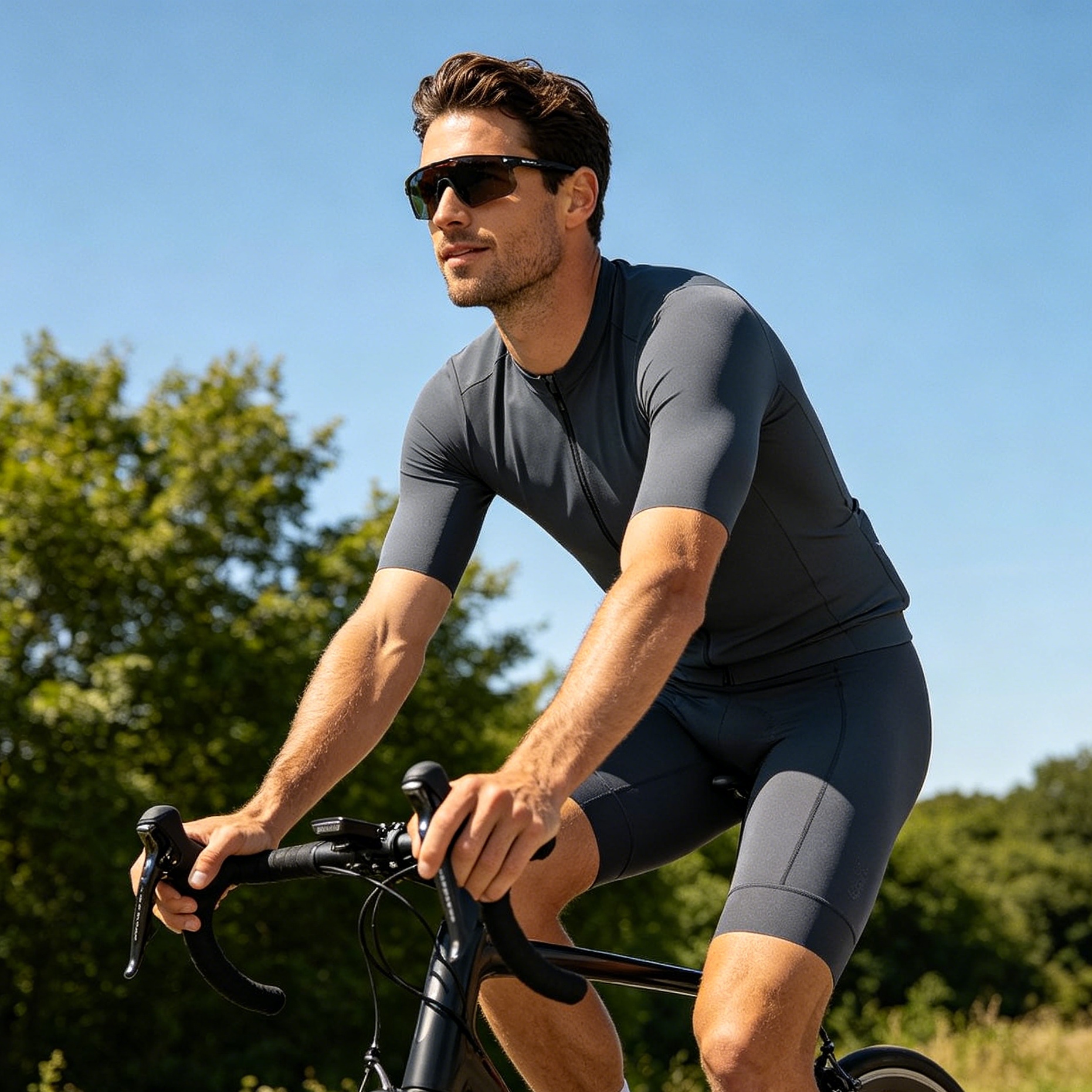
Generating realistic human figures has always been the litmus test for artificial intelligence art models. While early iterations of AI generators often defaulted to a narrow, stereotypical range of body types due to biased training datasets, the current generation of models—specifically Midjourney v6, Flux.1, and Stable Diffusion XL—offers unprecedented control over anatomical diversity. Capturing the nuance of a curvy female silhouette requires more than just generic keywords; it demands an understanding of descriptive terminology, lighting physics, and the specific "vocabulary" each AI model responds to.
The Vocabulary of Body Diversity in AI
The term "curvy" is subjective and broad. To achieve consistent results, it is necessary to use more precise descriptors that AI models can map to their internal latent space. Different models interpret these terms with varying degrees of intensity.
Defining Proportions with Specificity
When crafting a prompt, replacing "curvy woman" with specific anatomical descriptors yields more predictable results.
- Hourglass Figure: This is the most recognized term by DALL-E 3 and Midjourney. It emphasizes a balanced proportion between the bust and hips with a narrower waist.
- Pear-shaped / Voluptuous Hips: In models like Stable Diffusion, these terms shift the weight distribution lower, creating a more grounded and realistic silhouette for many body types.
- Soft-featured / Natural Curves: Adding "natural" helps the AI avoid the "uncanny valley" effect of hyper-stylized or cartoonish proportions, encouraging the rendering of realistic skin textures and weight distribution.
- Statuesque / Tall and Curvy: This combines height with volume, preventing the AI from defaulting to shorter, compressed character models.
The Role of Weight and Density
In our technical testing with Flux.1 Dev, we observed that using terms like "full-figured" or "plus-size" triggers different texture rendering compared to "curvy." The AI often associates "plus-size" with more realistic skin folds and softer lighting, whereas "curvy" is sometimes conflated with high-contrast fashion photography. Choosing the right term depends on whether the goal is an editorial look or a candid, photorealistic portrait.
Advanced Prompt Engineering for Curvy Portraits
A high-quality AI image is the result of a multi-layered prompt. A professional-grade formula follows this sequence: [Subject Anatomy] + [Clothing Material & Fit] + [Environmental Context] + [Lighting Geometry] + [Technical Camera Settings].
Subject Anatomy and Pose
The pose is critical when rendering curves. AI models sometimes struggle with the intersection of limbs and the torso.
- Effective Poses: "Seated on a plush velvet sofa," "leaning against a sunlit wall," or "walking toward the camera." These dynamic movements allow the AI to calculate how weight shifts, resulting in a more lifelike appearance.
- Prompt Example: "A photorealistic portrait of a confident woman with a natural hourglass silhouette, soft features, standing in a relaxed contrapposto pose."
Clothing Material and Fabric Tension
One of the most overlooked aspects of generating curvy figures is how the AI renders fabric. The way cloth stretches over curves—known as fabric tension—is a key visual cue for realism.
- Fabric Suggestions: "Ribbed knit," "draped silk," "stretch denim," or "heavy wool."
- Technical Tip: In Midjourney, adding the phrase "fabric stretching slightly across the hips" forces the model to calculate the physical relationship between the clothes and the body, significantly reducing the "painted-on" look common in lower-quality generations.
The Impact of Lighting Geometry
Curves are defined by shadows. Without proper lighting, the silhouette can look flat or distorted.
- Rim Lighting: This places a light source behind the subject, creating a thin glow along the edges of the silhouette. This is the most effective way to define a curvy shape against a dark background.
- Rembrandt Lighting: Creates a triangle of light on the cheek and emphasizes the contours of the face and upper body.
- Golden Hour / Soft Sunlight: Ideal for skin textures, as it softens the transitions between light and shadow on the body’s curves.
Comparative Analysis: Midjourney vs. Flux.1 vs. DALL-E 3
Choosing the right tool is just as important as the prompt itself. Each engine has a unique "personality" regarding body representation.
Midjourney v6
Midjourney remains the king of aesthetic texture. It excels at "editorial" styles. In our tests, Midjourney handles the term "voluptuous" better than most, providing a cinematic quality. However, it can sometimes lean toward overly stylized proportions unless the --style raw parameter is used to ground the realism.
Flux.1 (Dev/Schnell)
Flux.1 is a newcomer that has set a new standard for anatomical accuracy. It is remarkably responsive to long, descriptive prompts. When prompting for curvy figures in Flux, you can be extremely specific about skin textures—such as "fine pores," "natural skin sheen," or "subtle freckles"—which helps in creating a grounded, humanized portrait of diverse body types.
DALL-E 3
DALL-E 3 is the most "obedient" model but often the most censored or "smoothed over." It is excellent for quick concepts, but the skin textures often lack the grit and realism found in Midjourney or Flux. To get the best curvy portraits here, you must use highly descriptive clothing prompts to prevent the AI from defaulting to a generic Barbie-like frame.
The Technical Execution: Camera and Rendering Settings
To elevate an AI generation from a "graphic" to a "photograph," you must simulate professional photography equipment.
Lens Selection
- 85mm f/1.8: This is the classic portrait lens. It provides a shallow depth of field (bokeh) that isolates the subject. For curvy portraits, the 85mm lens prevents the distortion that wide-angle lenses might cause to the body’s proportions.
- 50mm f/1.2: Provides a more natural field of view, similar to the human eye. Great for full-body shots in an environmental setting.
Negative Prompting in Stable Diffusion
If you are using Stable Diffusion XL (SDXL), negative prompts are essential to avoid common pitfalls.
- Negative Prompt Keywords:
(deformed iris, deformed pupils, semi-realistic, cgi, 3d, render, sketch, cartoon, drawing, anime, mutated hands and fingers:1.4), (unrealistic body proportions:1.2), (malformed limbs:1.2), extra limbs, fused fingers. - Pro Tip: Specifically adding
(skinny:1.3)to the negative prompt can help the model stay focused on the "curvy" or "plus-size" attributes requested in the positive prompt.
Professional Applications: Fashion and E-commerce
The demand for diverse AI models is skyrocketing in the fashion industry. Brands are moving away from stock photography toward custom-generated AI models that reflect their actual customer base.
Catalog Consistency
For e-commerce teams, the challenge is not just generating one image, but maintaining consistency across a whole SKU (Stock Keeping Unit) list. Using tools like "Reference Images" in Midjourney or "IP-Adapter" in Stable Diffusion allows creators to keep the same curvy model face and body type while changing the outfits.
Representational Ethics
AI is a mirror of its training data. By intentionally prompting for curvy, diverse, and realistic women, creators contribute to a more inclusive visual landscape. It is important to avoid "fetishistic" language, which can trigger safety filters or result in exaggerated, unrealistic anatomy. Focus instead on "confidence," "elegance," and "professionalism."
Experience Insights: Testing Fabric Interaction
In our recent workflow involving the creation of a digital lookbook for a sustainable knitwear brand, we encountered a common issue: the AI would often make the curves look rigid.
The Solution: We integrated the term "subsurface scattering" into our prompt. This is a rendering term that describes how light penetrates the surface of a translucent object (like skin). By adding "subsurface scattering on skin, natural skin texture under studio lights," the AI rendered the soft, fleshy parts of the curves with much higher fidelity, making the model look human rather than plastic.
Furthermore, we found that specifying the weight of the garment—e.g., "heavy 400gsm cotton"—influenced how the AI draped the fabric over the waist and hips. The heavier the weight mentioned, the more realistic the "hang" of the clothing appeared on a curvy frame.
Troubleshooting Common AI Body Errors
The Waist-Hip Distortion
AI sometimes creates an impossible "wasp waist" that looks anatomically incorrect.
- Fix: Use the keyword "proportional." For example, "a woman with proportional curves" tells the AI to keep the skeletal structure within the realm of human biology.
Hand-Body Intersection
When a subject has a fuller figure, the hands often rest on the hips or thighs. This is where AI most frequently fails, merging the fingers into the body.
- Fix: Prompt for specific hand actions that keep them away from complex intersections, such as "holding a coffee cup" or "adjusting sunglasses."
Conclusion
Creating realistic, curvy female portraits with AI is a sophisticated blend of linguistic precision and technical photography knowledge. By moving beyond simple adjectives and embracing specific anatomical terms, understanding the physics of fabric tension, and mastering the nuances of different AI engines, creators can produce stunning, lifelike imagery that celebrates body diversity. As models continue to evolve, the ability to generate authentic human representation will remain one of the most valuable skills in the digital artist's toolkit.
FAQ
Which AI generator is best for realistic body types? Currently, Flux.1 and Midjourney v6 are the top performers. Flux.1 offers superior anatomical accuracy and prompt adherence, while Midjourney provides the most aesthetic, "photographic" textures.
How do I avoid "cartoonish" curvy figures? Use negative prompts like "cgi, 3d, cartoon" and focus on positive prompts that emphasize realism, such as "shot on 35mm film," "natural skin texture," and "candid lighting."
Can I generate the same curvy model in different poses?
Yes, by using specific features like Midjourney’s --cref (Character Reference) or Stable Diffusion’s LoRA (Low-Rank Adaptation) models, you can maintain character and body consistency across multiple generated scenes.
What is the best lighting for a curvy silhouette? Side lighting or rim lighting is ideal. It creates a clear boundary between the subject and the background, highlighting the contours and depth of the figure without flattening the image.
Does specifying clothing help with body shape? Absolutely. Specifying "form-fitting" or "tailored" clothing helps the AI define the body's outline, while mentioning the fabric type (e.g., silk vs. denim) dictates how realistically the light interacts with the body's curves.
-
Topic: AI Curvy Female Generator | Rawshot.aihttps://rawshot.ai/best/ai-curvy-female-generator
-
Topic: Best AI Curvy Female Generator | 2026 Editionhttps://gitnux.org/best/ai-curvy-female-generator/
-
Topic: Curves AI Porn: 30 Best AI Generators (My Top-List After Testing)https://ellaparadis.com/blogs/adult-sites/ai-curves-porn-generators