Home
Home
How to Use the Perchance Image Prompt Generator for High Quality AI Art
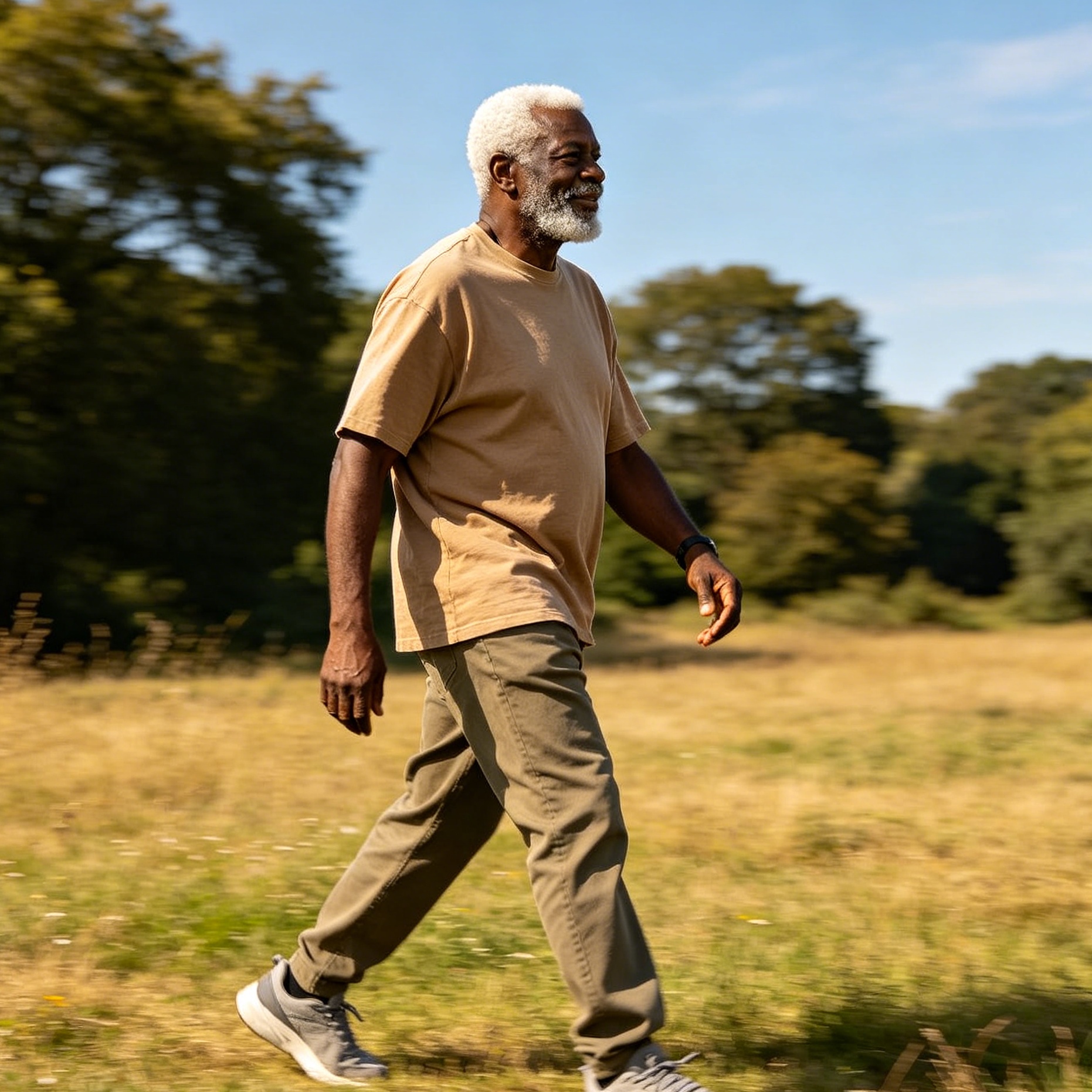
Perchance has emerged as a powerhouse for creators seeking a free, frictionless, and highly customizable environment for AI image generation. Unlike centralized platforms that require subscriptions or complex credit systems, Perchance operates as a community-driven hub hosting hundreds of specialized generators. Whether you are a beginner looking for a "one-click" magic fix or a pro-level prompt engineer, understanding how the Perchance image prompt generator works is the key to unlocking stunning visual results.
The most important thing to realize is that on Perchance, you aren't just using one tool; you are interacting with a community-built interface that leverages Stable Diffusion under the hood. To get the best results, you need to master the art of combining simple descriptions with specific stylistic "tags" and technical parameters.
The Quick Way to Generate Prompts with the Brain Icon
For many users, the most daunting part of AI art is a blank text box. Perchance solves this through its "Brain" (or sometimes a magic wand) icon, located near the description field in most popular image generators.
When you enter a basic idea—such as "a cat in space"—and click the Brain icon, the platform uses an internal LLM (Large Language Model) to expand your phrase into a descriptive paragraph. In our testing, clicking this icon often adds sensory details like "cinematic lighting," "stardust particles," and "highly detailed fur texture."
This is the fastest way to see what the AI is capable of, but for consistent high-quality output, manual control over the prompt structure is superior.
The Anatomy of a High-Quality Perchance Prompt
To move beyond random results, you should structure your input using a modular approach. A professional-grade prompt on Perchance consists of four primary components:
1. The Raw Prompt (The Subject)
This is the core of your image. Be literal and concrete. Instead of "beauty," use "a young woman with freckles and golden hair." The AI struggles with abstract concepts but excels at physical descriptions.
2. Content Type Tags
Specify the medium. Without this, the AI might default to a generic "digital art" look. Useful tags include:
- Photograph: For realism.
- Oil Painting: For texture and brushwork.
- 3D Render: For a modern, Unreal Engine 5 look.
- Sketch: For charcoal or pencil aesthetics.
3. Descriptive Adjectives
These fine-tune the subject. Use terms like "ethereal," "rugged," "vibrant," "dimly lit," or "hyper-detailed." In Perchance's specific plugin environment, these are often separated by commas.
4. Composition and Camera Tags
This dictates how the "camera" sees the subject.
- Close-up: Focuses on the face or a specific detail.
- Wide shot: Captures the environment.
- Low angle: Makes the subject look heroic or imposing.
- Bokeh: Blurs the background to make the subject pop.
Exploring the Style Library to Transform Your Images
One of the greatest strengths of Perchance is its built-in library of over 70 art styles. Each style acts as a powerful prompt modifier that changes the entire aesthetic of the generation. Here is a breakdown of how to use the most effective styles found in the Perchance ecosystem:
Photorealistic and Cinematic Styles
If you want images that look like they were captured on film, these styles are essential:
- Professional Photo: Adds studio-quality lighting and perfect focus. Best for portraits.
- Cinematic: Increases the dramatic contrast and uses anamorphic lens flares.
- 1980s/1990s Photo: Introduces realistic film grain, slight color shifting, and the specific "softness" associated with vintage cameras. In our experience, using the "1990s photo" tag is excellent for creating "liminal space" or "nostalgic" aesthetics.
Illustrative and Artistic Styles
For those moving away from realism, these styles offer incredible creative freedom:
- Studio Ghibli: This is a fan favorite on Perchance. It applies a hand-painted look with lush greens, soft blue skies, and whimsical character designs reminiscent of Hayao Miyazaki’s films.
- Oil Painting (Realism vs. Old): "Realism" keeps the proportions accurate while adding texture, whereas "Old" introduces craquelure (cracks in the paint) and a yellowed varnish effect.
- Watercolor: This style is particularly good at handling "negative space," creating fluid blends and translucent layers that look authentic.
Niche and Pop Culture Aesthetics
Perchance creators have integrated specific sub-cultures into the generator:
- Pixel Art: Perfect for game assets. It forces the AI to align colors to a grid.
- Cyberpunk: Automatically adds neon lights, rain-slicked streets, and high-tech ornaments.
- Cursed Photo: A unique Perchance specialty. It generates eerie, low-quality, flash-photography images that mimic "creepypasta" or found-footage aesthetics.
Mastering Technical Parameters for Total Control
Beyond the words you type, Perchance allows you to manipulate the underlying AI engine through several technical toggles.
Guidance Scale (CFG Scale)
The Guidance Scale determines how strictly the AI follows your prompt.
- Lower Values (1–5): The AI has more "creative freedom," often resulting in more artistic but less accurate images.
- Default (7): The "sweet spot" for most generations.
- Higher Values (15–30): The AI tries to follow every single word literally. Warning: Setting this too high can cause "fried" images with over-saturated colors and artifacts.
The Power of the Seed
Every image has a "Seed" number. If you generate an image you like but want to change one small detail (like the color of a character's shirt), you must copy the seed number. By keeping the seed the same and slightly modifying the prompt, you maintain the composition while iterating on details.
Negative Prompts: What Not to See
Negative prompts are just as important as positive ones. To improve quality across the board, always include a standard "quality stack" in your negative prompt box: "blurry, distorted hands, extra fingers, low resolution, text, watermark, grainy, deformed face, bad anatomy." This tells the AI to actively avoid common mistakes associated with early-stage generative models.
How to Optimize Resolution and Aspect Ratio
Perchance typically offers three main aspect ratios. Choosing the right one is vital for your prompt's composition:
- 512x512 (Square): The most stable resolution. Best for portraits or single objects.
- 512x768 (Portrait): Ideal for full-body character designs or tall architecture like skyscrapers.
- 768x512 (Landscape): Essential for cinematic vistas, sprawling nature scenes, or group photos.
Be aware that generating at higher resolutions directly can sometimes cause "double-headed" characters because the model was originally trained on 512x512 data. It is often better to generate at standard sizes and then use an external upscaler.
Practical Examples of Effective Prompts
To help you get started, here are three "formulaic" prompts you can copy and modify:
The Cinematic Portrait
Prompt: Professional photo, a rugged Viking warrior standing in a snowstorm, close-up shot, fur textures, intense eyes, cinematic lighting, 8k resolution, highly detailed.
Why it works: It combines a clear subject with lighting and texture markers.
The Fantasy Landscape
Prompt: Fantasy painting, Studio Ghibli style, a floating castle above a sea of clouds, golden hour, soft brushstrokes, whimsical atmosphere, vibrant colors.
Why it works: It uses a high-authority style (Ghibli) combined with a specific lighting condition (golden hour) to set the mood.
The Retro Tech Aesthetic
Prompt: 1980s photo, a futuristic computer terminal in a messy room, neon glowing screens, VHS glitch effect, film grain, nostalgic, dimly lit.
Why it works: It leverages the specific "era" styles of Perchance to create a cohesive retro-future look.
Common Mistakes to Avoid in Perchance Prompts
Through extensive use of the platform, we have identified several pitfalls that can ruin your generations:
- Over-Prompting: Writing a three-paragraph story. The AI has a token limit. If you write too much, it will ignore the later parts of your prompt. Keep your core description to 15–20 words and use tags for the rest.
- Conflicting Styles: Using "Photorealistic" and "Cartoon" in the same prompt. This confuses the model and usually results in a blurry, muddy mess.
- Ignoring the "Edit" Feature: Perchance is open-source. If a specific generator isn't giving you what you want, you can often click the "Edit" button to see the underlying code. For advanced users, this allows you to see the hidden "prefix" or "suffix" prompts the creator might have added.
Why Perchance is Great for Privacy and Speed
Unlike many "AI-as-a-Service" companies, Perchance does not require an account. This means you can experiment with prompts without fear of your data being tied to a personal profile. The speed is also a major factor; because many generators use optimized plugins, you can often see a 4-image grid in under 15 seconds.
However, remember that Perchance is a "stateless" platform. It does not have a "history" tab unless you are logged in or manually save your URLs. Always save your prompts and seeds in a separate document if you plan on working on a long-term project.
Summary
The Perchance image prompt generator is a versatile tool that bridges the gap between simple fun and professional AI artistry. By using the Brain icon for inspiration, structuring your prompts with modular tags, and fine-tuning with technical parameters like Seed and CFG, you can produce images that rival paid alternatives. Experiment with the massive library of over 70 styles, and never forget the power of a strong negative prompt to clean up your results.
FAQ
What is the "Brain" icon on Perchance?
The Brain icon is an AI-powered prompt expander. When clicked, it takes your simple keywords and generates a more descriptive, high-quality prompt designed to work well with the Stable Diffusion model.
Is Perchance AI free to use?
Yes, Perchance is completely free. It is supported by ads for non-logged-in users, but there are no paywalls or credit limits for image generation.
How do I get consistent characters on Perchance?
The best way to maintain consistency is to use a specific "Seed" number and a very detailed physical description (e.g., "a man with a jagged scar over his left eye and a green velvet coat"). Keeping the seed the same ensures the base geometry of the image remains stable across different generations.
Can I use the images I generate for commercial purposes?
According to the Perchance text-to-image plugin license, the platform claims no rights to the output you generate. You are accountable for your own use of the images, but generally, you own the output under the terms of the Stable Diffusion license.
Why do the hands in my AI images look weird?
This is a common limitation of many AI models. To minimize this, use negative prompts such as "distorted hands," "extra fingers," or "fused fingers." You can also try prompts that hide hands, such as "hands in pockets" or "holding a shield."
What is the best resolution for Perchance images?
The "sweet spot" is 512x512. It provides the most consistent results. If you need a different shape, 512x768 (Portrait) or 768x512 (Landscape) are supported, but they may occasionally produce anatomical errors.
-
Topic: TEST Unlocking Creativity with an AI Image Generatorhttps://opcug.ca/presentations/2024-04-Perchance.pdf
-
Topic: #Text to Image Prompt Guide ― Perchance Generatorhttps://perchance.org/learn-perchance-plugins-text-to-image
-
Topic: perchance-ai-prompt-library CDN by jsDelivr - A CDN for npm and GitHubhttps://www.jsdelivr.com/package/npm/perchance-ai-prompt-library