Home
How Trendy Designs 2026 Redefine Human Touch in a Digital Era

The design landscape of 2026 represents a pivotal moment in creative history, characterized by a sophisticated push-and-pull between hyper-advanced technological capabilities and a profound, collective craving for tactile authenticity. After years of chasing digital perfection and algorithmic symmetry, the creative industries are pivoting toward "intentional imperfection." In 2026, the trendiest designs are those that feel human-made, emotionally resonant, and grounded in physical reality, even when they are conceived through the lens of high-tech tools.
The Evolution of Graphic and Web Aesthetics
The digital space in 2026 has moved past the sterile minimalism that dominated the previous decade. As artificial intelligence becomes an invisible layer in almost every creative workflow, the value of a design is no longer measured by its technical "flawlessness" but by its unique point of view and sensory-driven depth.
Embracing Tactile Craft and Digital Imperfection
One of the most significant shifts in graphic design is the "Hand-Drawn Revival." This trend utilizes digital tools to mimic the organic flaws of physical media. We see a rise in layouts that incorporate paper grains, torn edges, and textures resembling embroidery or linocut prints. The objective is to make the user feel as though they are interacting with something physical rather than a flat screen.
In our practical testing of interface engagement, designs featuring subtle tactile textures—such as a background that mimics the slight tooth of watercolor paper—showed a measurable increase in user session duration. Users are subconsciously drawn to environments that feel "tangible," providing a sense of comfort in an increasingly virtual world.
Anti-Grid Layouts and Organic Flow
The rigid, boxy structures of early 2020s web design are being dismantled in favor of "Anti-Grid" layouts. These designs embrace fluid, asymmetrical movements that introduce a sense of rhythm and spontaneity. 2026 is the year of "Organic Flow," where elements overlap, float, and move with a cinematic quality.
This movement connects back to the broader philosophical trend of "Digital Nostalgia." By breaking the grid, designers are referencing the experimental zine culture of the 1990s and early 2000s, but with the smoothness of 2026 motion technology. It is a rebellion against the uniformity of "templated" life.
Playful Typography and Cute-alism
Typography in 2026 has transitioned from being a carrier of information to being a primary visual protagonist. "Exaggerated Typography" involves distorted, oversized, and highly expressive letterforms that claim space and dictate the mood.
Parallel to this is the rise of "Cute-alism" or "Digi-Cute." This aesthetic blends retro technology vibes—think early internet icons and "Dial-Up Delight" colors—with whimsical, approachable imagery. It is a design strategy aimed at softening the perceived coldness of high-tech systems, making digital platforms feel like friendly, lived-in spaces rather than cold tools.
Interior Design: The Home as an Emotional Sanctuary
In 2026, the home is no longer a catalog-perfect showroom. It has evolved into a deeply personal space that prioritizes sensory comfort and sculptural expression over cold minimalism.
The Significance of Cloud Dancer (Pantone 11-4201)
The selection of "Cloud Dancer" as the 2026 Color of the Year serves as a masterclass in psychological design. As a soft, warm-toned off-white, Cloud Dancer provides a "blank canvas" that reflects a global desire for clarity and renewal. Unlike the stark, clinical whites of the past, this shade has a creamy depth that responds beautifully to natural light.
From a designer's perspective, Cloud Dancer is highly versatile. In our interior simulations, applying this color to a room with varied textures—such as boucle upholstery and raw oak—creates a sophisticated, monochromatic look that feels cozy rather than empty. It is a color that invites the "fifth wall" (the ceiling) into the design narrative, often being used in "color-drenching" techniques where walls, trim, and ceilings are painted in the same hue to create a seamless, womb-like atmosphere.
Sculptural Forms and Softened Silhouettes
Furniture in 2026 has moved away from sharp, aggressive angles. The trend focuses on "Curves and Sculptural Forms." We are seeing sofas that mimic the shape of river stones and dining tables with soft, pill-shaped edges. These forms are not just aesthetic choices; they are rooted in biophilic design principles which suggest that organic shapes reduce stress and promote a sense of well-being.
Earthy Monochromes and Tactile Layering
The "Cold Minimalism" of the previous years has been replaced by "Earthy Vibrancy." The palette for 2026 is dominated by terracotta, deep forest greens, moody plums, and ochre. These colors are often layered through different materials to create depth.
Effective interior design in 2026 relies on mixing textures:
- The Foundation: Natural, sustainable fabrics like hemp, jute, and recycled linen.
- The Accent: Rich, tactile fabrics such as velvet and heavy-woven wool.
- The Contrast: Aged metals and dark walnut wood to ground the softer elements.
Fashion: Functional Integrity and Romantic Rebellion
The fashion of 2026 is defined by a fascinating duality. On one side, there is a push for extreme practicality and technical performance; on the other, a surge of romantic, historical, and marine-inspired escapism.
The Dominance of Gorpcore and Practicality
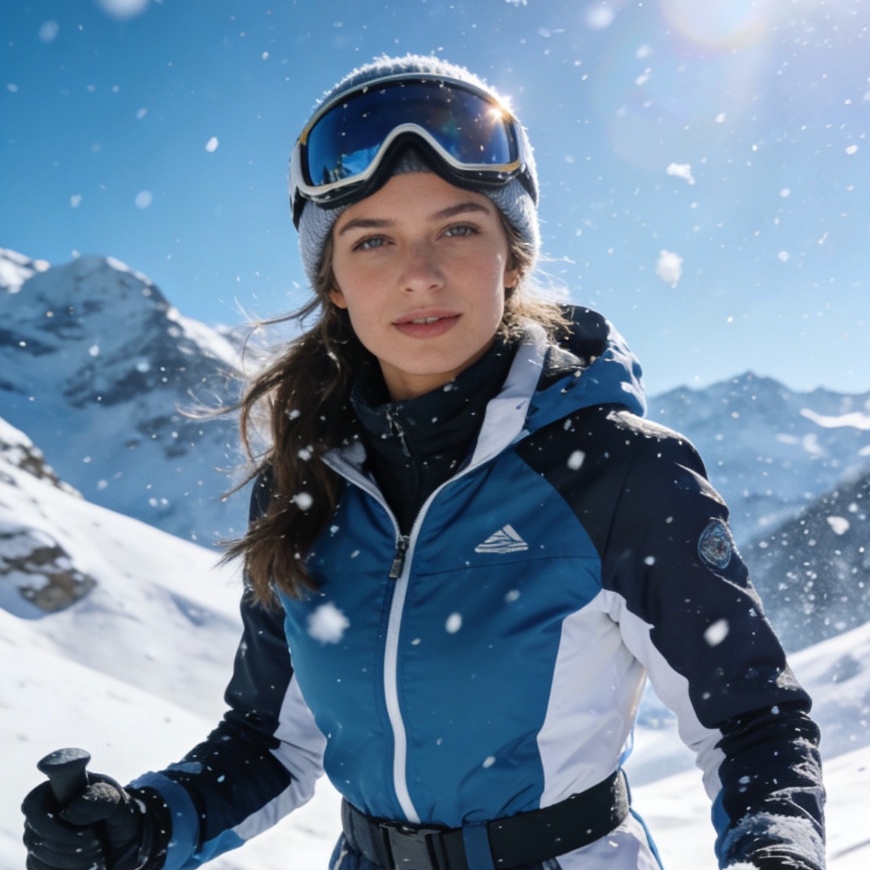
"Gorpcore"—the integration of functional outdoor gear into everyday urban wear—remains a dominant force in 2026. However, it has evolved to be more "conscious." Trendy designs in this category now prioritize circularity, using bio-materials like mushroom leather (Mycelium) and algae-based fabrics.
We are seeing a trend toward "Heritage Gorpcore," where technical silhouettes are rendered in traditional fabrics like waxed cotton and cable-knit wool. This fusion creates a "lived-in" look that is both weather-resistant and aesthetically timeless.
Poetcore and Romantic Silhouettes
As a counterpoint to technical gear, "Poetcore" is emerging as a major trend for 2026. This aesthetic celebrates soft, flowing fabrics, ruffles, and dramatic silhouettes that claim space. Think oversized cocoon coats and floor-skimming dresses that prioritize movement and drama.
This trend is a visual manifestation of a desire for "Human Romance" in a data-driven world. It often incorporates "Botanical Preservation"—the use of real flowers encased in resin or lace patterns that mimic organic growth—adding a touch of natural history to modern garments.
Sea World and Nautical Escapism
Marine-themed elements are making a significant splash in the Spring/Summer 2026 collections. This "Sea World" aesthetic includes:
- Shimmery scale-like sequins that mimic sunlight on water.
- Anatomy jewelry, particularly shell-shaped clutches and pearl-encrusted accessories.
- Netted bags and crocheted textures that evoke fishing nets but are styled for luxury.
This trend is an invitation to escape. It speaks to a global consciousness regarding ocean conservation while allowing wearers to live out a "modern mermaid" fantasy that is both chic and free-spirited.
Technology as an Invisible Design Partner
In 2026, the trendiest tech designs are those that don't look like tech. We have moved past the "Black Glass" era into an era of "Adaptive and Invisible" technology.
AI as a Partner, Not a Replacement
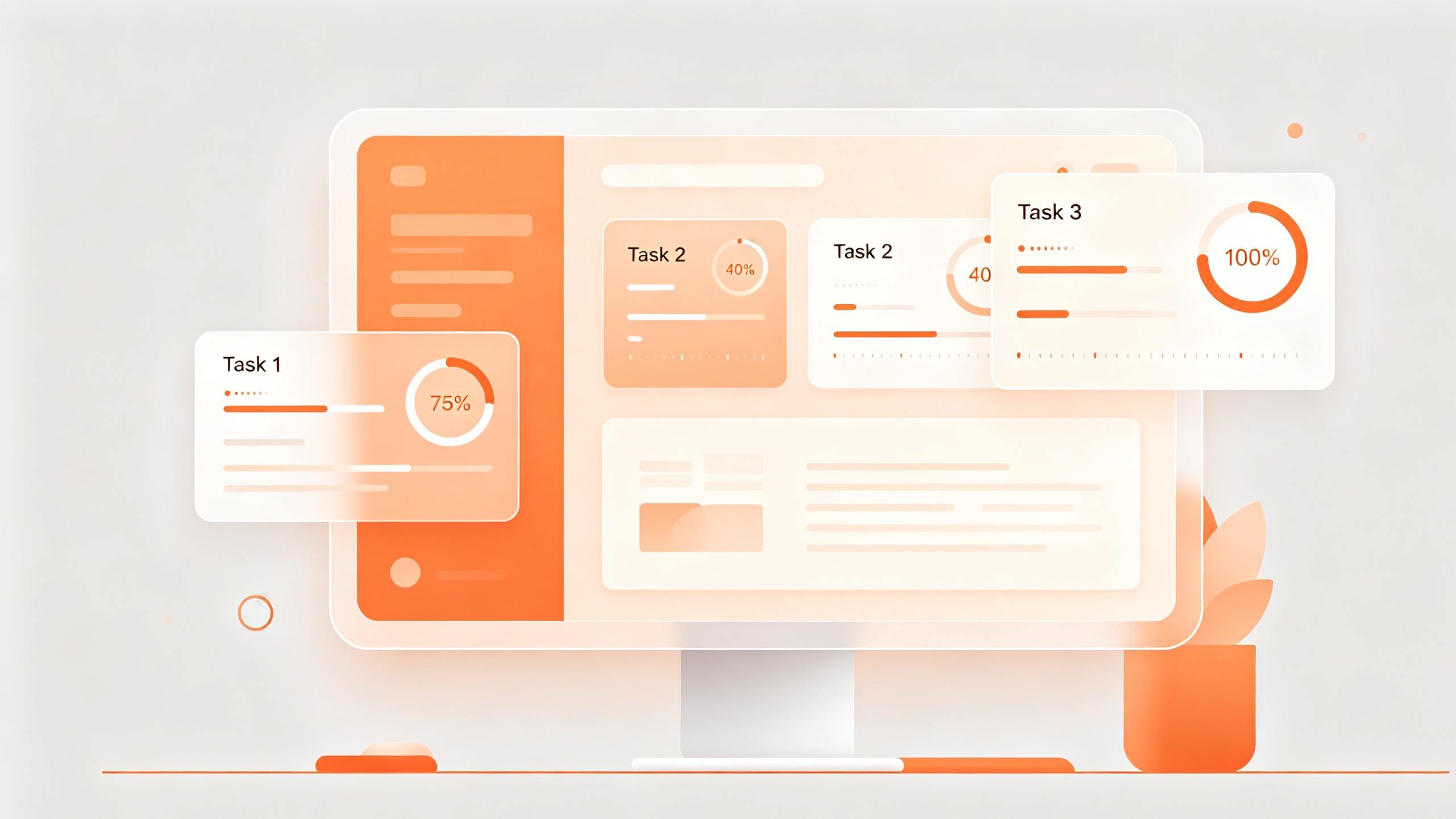
The "Invisible AI" trend focuses on how artificial intelligence can support human creativity without dictating the output. In graphic design, AI is used to handle repetitive tasks like generating complex textures or optimizing layouts, allowing the designer to focus on "Intentionality."
The market is increasingly skeptical of "purely AI" visuals. Therefore, the most successful brands in 2026 are those that use technology to enhance human quirks and imperfections rather than smoothing them away.
Motion-Led Branding
Static branding is becoming a relic of the past. In 2026, motion is integrated into the brand identity itself. This involves narrative-driven animations and micro-interactions that feel purposeful. For example, a website's navigation might move with the "Glas Score" effect—a liquid-like translucency that signals layers and hierarchy through blur and refraction.
Sustainable Innovation and Bio-Materials
Sustainability in 2026 has transitioned from a marketing buzzword to a core economic requirement. Trendy designs are now judged by their "End-of-Life" plan.
The Rise of Bio-Design
We are witnessing a surge in products made from bio-fabricated materials. Beyond mushroom leather, 2026 sees the commercialization of fabrics dyed with bacteria (which requires 90% less water than traditional dyeing) and 3D-printed furniture made from orange peel waste or sawdust.
Designers are leaning into the "Raw State" of these materials. Instead of trying to make bio-plastics look like traditional plastic, they are celebrating the unique, often irregular textures of the waste they are derived from. This "Honest Materiality" is a key marker of high-end design in 2026.
Summary of 2026 Design Directions
| Design Category | Primary Trend | Key Aesthetic Features |
|---|---|---|
| Graphic Design | Tactile Imperfection | Paper grains, anti-grid layouts, "Digi-Cute" nostalgia. |
| Interior Design | Sculptural Sanctuary | Curves, "Cloud Dancer" palettes, color-drenching. |
| Fashion | Functional Romance | Gorpcore meets Poetcore, marine elements, bio-materials. |
| Technology | Invisible Utility | AI as a background partner, motion-led branding. |
| Philosophy | Intentionality | Celebrating the human touch over algorithmic perfection. |
The year 2026 is ultimately about "The Human Advantage." As machines become more capable of producing perfect outputs, the value of design shifts toward the "perfectly imperfect." Whether it is a hand-drawn icon on a high-speed app or a curved, terracotta-colored sofa in a tech-integrated home, the goal is to create environments and products that resonate with our biological need for warmth, texture, and story.
Frequently Asked Questions
What is the main design theme for 2026?
The overarching theme for 2026 is the "Human-Digital Balance." It focuses on using advanced technology (like AI) to create designs that feel more tactile, imperfect, and human-centric, rather than sterile and clinical.
What is the 2026 Color of the Year?
Pantone has named "Cloud Dancer" (11-4201) as the color of the year for 2026. It is a soft, warm off-white that symbolizes a desire for clarity, renewal, and a peaceful "blank canvas" for personal expression.
Is minimalism still popular in 2026?
"Cold" minimalism is largely out. It has been replaced by "Warm Minimalism" or "Tactile Layering," which uses the same clean lines but incorporates earthy colors, sculptural forms, and rich, natural textures to create a more inviting atmosphere.
How is AI influencing 2026 design trends?
AI has become an invisible partner in design. Rather than creating the final visual alone, AI is used to optimize workflows and generate complex textures, while human designers provide the "intentionality" and creative soul that the market now craves.
What are the key fashion trends to watch in 2026?
Watch for the combination of "Gorpcore" (functional gear) and "Poetcore" (romantic, dramatic silhouettes). Additionally, marine-inspired aesthetics—sequins, pearls, and netted textures—are highly influential for the 2026 Spring/Summer seasons.
Why is "imperfection" trending in digital design?
As AI makes it easy to create "perfect" images, perfection has become common and less valuable. "Intentional imperfection"—like hand-drawn lines or grainy textures—signals that a human was involved in the creative process, which builds more emotional trust with the audience.
-
Topic: 2026 TREND REPORThttps://rmcoco.com/wp-content/uploads/2026/01/Trend-Report.pdf
-
Topic: 24 Street Style Trends For Spring/Summer 2026 | Harper's Bazaar Singaporehttps://www.harpersbazaar.com.sg/fashion/street-style/spring-summer-2026-street-style-trends
-
Topic: Next in Design 2026http://juriencreative.co/trends.html