Home
Home
How Video Express Transforms Artistly AI Creations Into Cinematic Motion
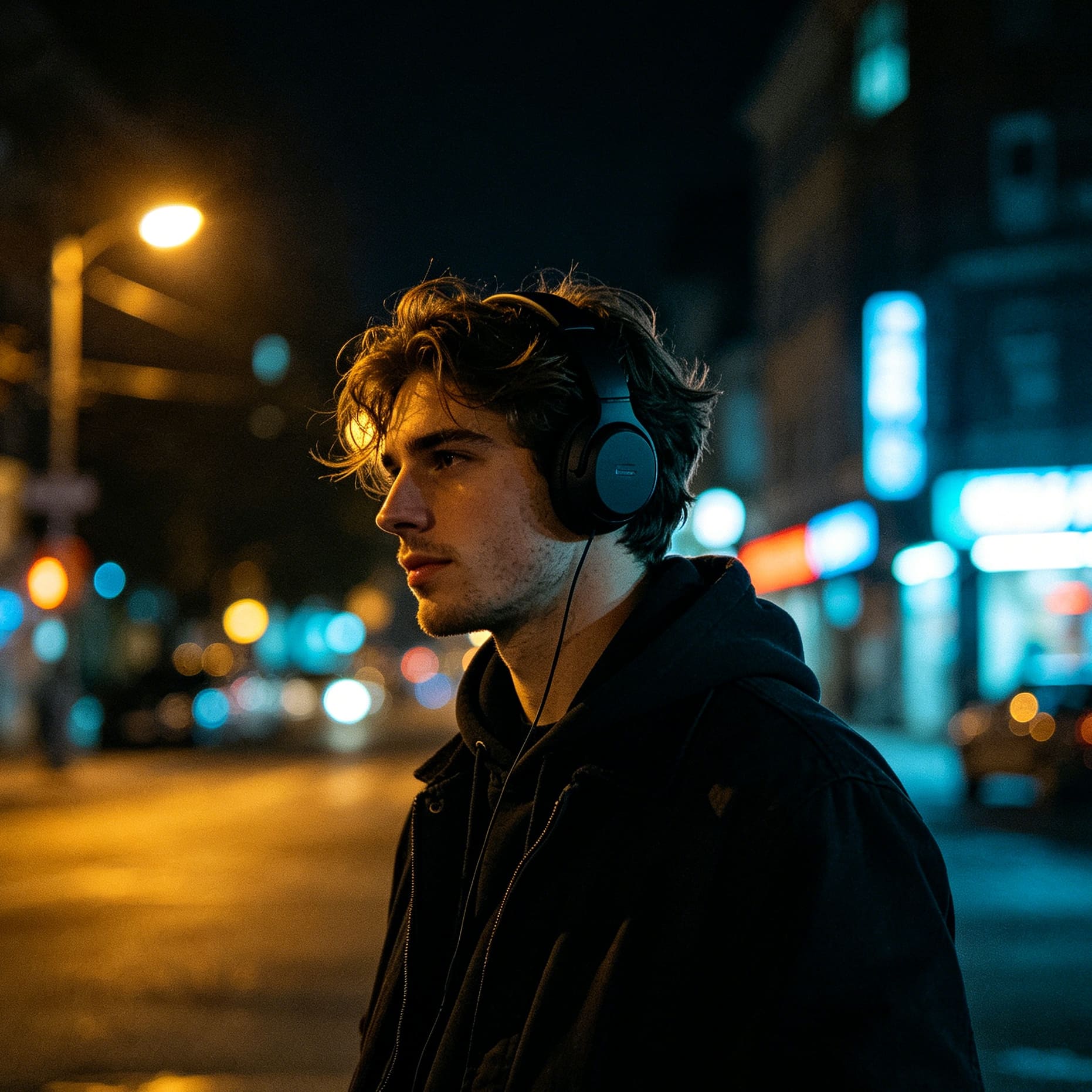
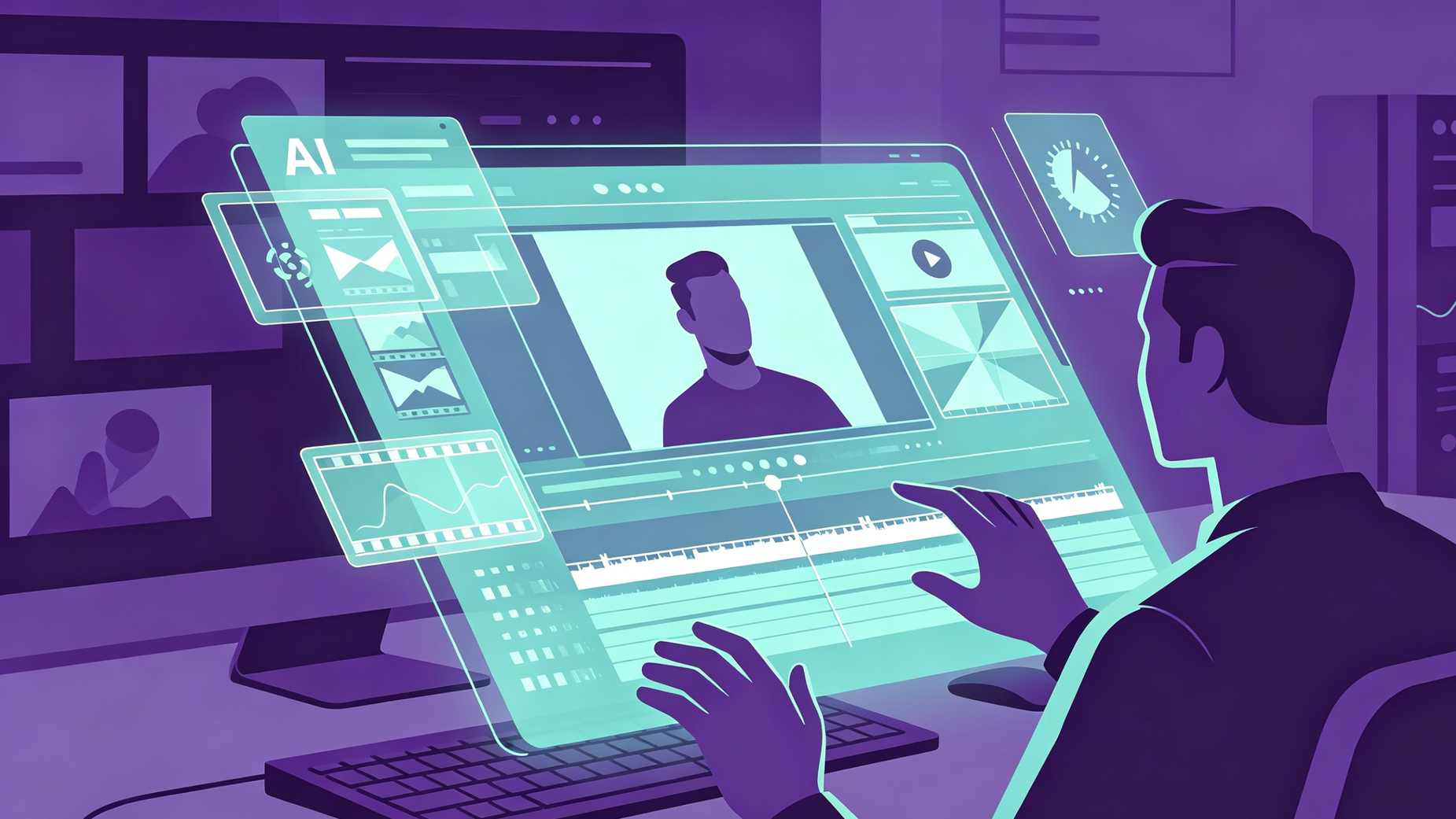
The search for "X-Artistry" frequently leads digital creators to the sophisticated ecosystem developed around Artistly AI. It is essential to clarify from the outset that while "X-Artistry" is a common search term, the actual implementation of turning static pixels into fluid movement resides within the synergy between Artistly and its specialized companion, Video Express. This creative suite represents a modern approach to generative media, where image generation and temporal animation are treated as distinct yet interconnected disciplines.
To convert an image to video within this framework, the process begins in Artistly, where high-fidelity source material is rendered. Subsequently, Video Express takes these static assets and applies temporal layers, motion vectors, and cinematic controls to breathe life into the composition. Understanding the technical nuances of this transition is the key to producing professional-grade AI video that avoids the common pitfalls of distortion and uncanny valley artifacts.
The Integrated Ecosystem of Artistly and Video Express
In the rapidly evolving landscape of generative artificial intelligence, the distinction between a "model" and an "ecosystem" is critical. Artistly AI serves as the powerhouse for static visual conceptualization. Utilizing advanced diffusion architectures, it allows creators to establish characters, environments, and lighting with extreme precision. However, turning these images into video requires a different set of computational instructions—this is where Video Express functions as the temporal engine.
Unlike all-in-one tools that often sacrifice image quality for video stability, this modular approach ensures that the initial "keyframe" (the static image) retains its structural integrity. When an asset is moved from Artistly to Video Express, the AI does not simply "guess" the next frame; it analyzes the existing geometry, texture maps, and lighting gradients to ensure that motion feels earned rather than randomized.
For professionals, this separation of concerns is a feature, not a limitation. It mimics the traditional Hollywood pipeline where concept art is finalized before the animation department begins its work. By mastering the handoff between these two tools, creators can produce content that ranges from subtle cinemagraphs to complex narrative sequences.
Fundamentals of Preparing High-Quality Source Images
The success of any image-to-video conversion is determined 70% by the quality of the source image. An AI video generator is only as capable as the data it is provided. When using Artistly to generate the initial asset, specific technical criteria must be met to ensure Video Express can interpret the scene effectively.
Spatial Clarity and Subject Separation
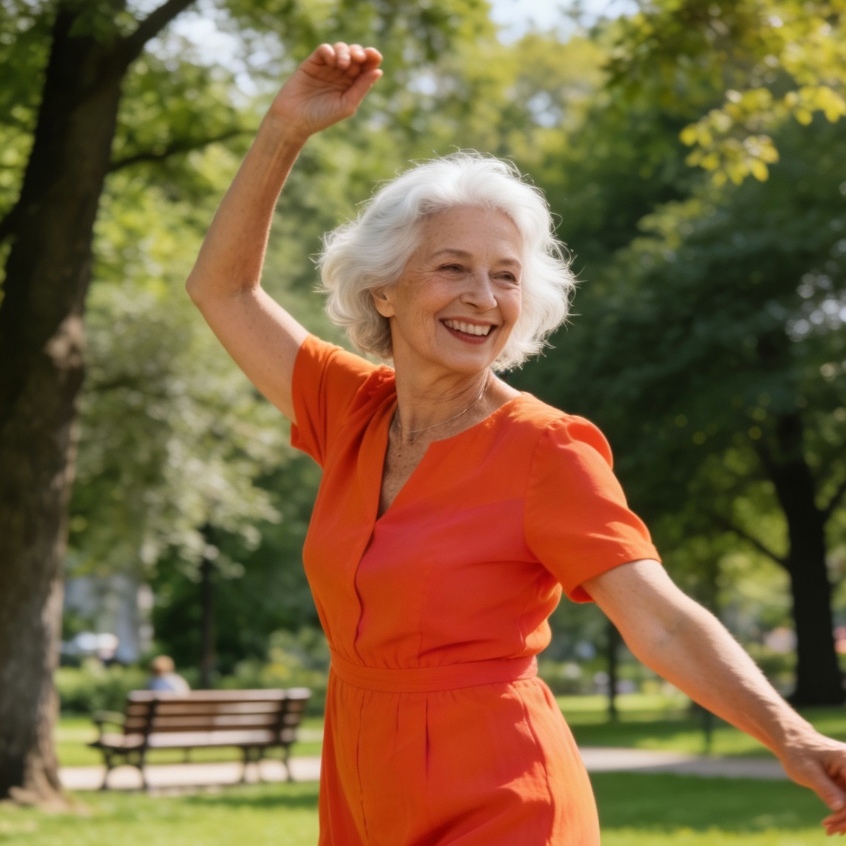
The AI must be able to distinguish between the foreground subject and the background environment. In professional testing, images with a clear depth of field—where the background is slightly out of focus (bokeh)—yield significantly better motion results. This separation allows the Video Express engine to apply parallax effects, where the background moves at a different speed than the subject, creating a convincing 3D sensation.
Avoid cluttered compositions where the subject’s limbs or edges blend into environmental textures. If a character is wearing a dress that matches the color of the curtains behind them, the AI may inadvertently animate the fabric of the dress as part of the wall, leading to structural melting during the video generation phase.
Lighting Consistency and Texture Density
Video Express relies on lighting cues to determine the shape of objects. Images with high contrast or dramatic chiaroscuro lighting provide the AI with clear "landmarks" to track across frames. Conversely, flat lighting can lead to "jitter," where the AI struggles to maintain the object's form because there are no distinct shadows to serve as anchors.
Texture density is equally important. High-resolution textures in Artistly—such as the weave of a sweater or the grain of a wooden table—provide the temporal engine with micro-details to track. This tracking is what prevents the video from looking "blurry" or "soupy" as the motion progresses.
The Workflow of Converting Images to Video
Once a high-quality asset is exported from Artistly, the conversion process in Video Express follows a structured path. This workflow is designed to give the user control over the intensity and direction of the animation.
Asset Import and Scene Analysis
Upon uploading the image, the system performs a preliminary scan. It identifies focal points and potential motion paths. At this stage, the user must define the aspect ratio. It is a common mistake to change aspect ratios between the image and video phase; for the best results, the aspect ratio in Video Express should perfectly match the source image from Artistly to avoid forced cropping or stretching that distorts the AI’s spatial understanding.
Setting the Motion Intensity
One of the most powerful features in the Video Express interface is the motion scale or intensity slider. This parameter dictates how much "freedom" the AI has to deviate from the original pixels.
- Low Intensity (1-3): Ideal for portraits, landscapes with drifting clouds, or subtle atmospheric effects. This setting preserves the highest level of facial identity.
- Medium Intensity (4-7): Suitable for walking cycles, hand gestures, or significant camera movements like dollies and pans.
- High Intensity (8-10): Reserved for highly dynamic scenes like explosions, fast dancing, or abstract morphing. High intensity carries a greater risk of "hallucination," where the AI creates new, nonsensical objects.
Temporal Duration and Frame Rate
The standard output for most AI image-to-video tasks is a 4-to-6 second clip. While this may seem short, it is the industry standard for maintaining coherence. In professional workflows, these short clips are later stitched together in a non-linear editor (NLE) to create longer stories. Pushing the AI to generate longer initial clips often results in the "melting" effect where the subject loses its original shape over time.
Mastering Motion Prompts for Precise Control
The "image-to-video" process is not entirely automated; it requires a descriptive bridge between the static visual and the desired movement. This is known as the motion prompt. Unlike image prompts, which describe what is in the scene, motion prompts describe how things move.
Directional Language and Camera Dynamics
To achieve professional cinematography, the motion prompt should utilize industry-standard terminology. Instead of saying "the camera moves," use specific instructions:
- "Cinematic slow zoom in": Directs the AI to scale the central pixels while expanding the peripheral view.
- "Lateral pan right": Encourages a horizontal shift in perspective, revealing more of the background.
- "Low angle tracking shot": Informs the AI of the camera’s height and its forward momentum.
Subject-Specific Animation
When animating characters, the prompt should focus on natural biological rhythms. Phrases such as "gentle breathing," "natural eye blinking," or "subtle head tilt" are highly effective. For environmental shots, focusing on elemental movement works best: "water rippling in the sunlight" or "wind blowing through autumn leaves."
The Negative Motion Prompt
Advanced users often utilize negative prompts to restrict unwanted movement. If you want a character to stay still while only the background moves, you might include "static subject, no facial distortion, no limb morphing" in the negative constraints. This ensures the AI doesn't get overly creative with parts of the image that should remain anchored.
Advanced Features: Talking Photos and Character Consistency
A significant subset of the "x-artistry" query involves the creation of talking avatars. This specialized branch of image-to-video technology combines temporal animation with lip-synchronization.
The Lip-Sync Workflow
In Video Express, creating a talking photo involves three inputs:
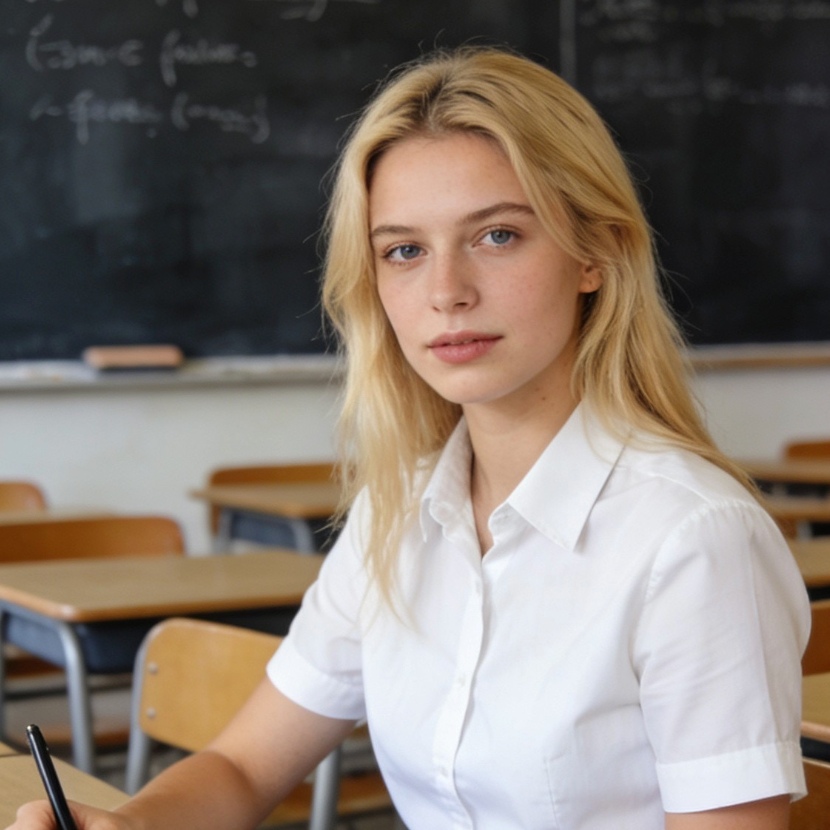
- The Source Image: Usually a high-detail portrait from Artistly.
- The Audio File: A voiceover or speech clip.
- The Script (Optional): Used to help the AI better understand the phonemes.
The engine maps the audio frequencies to the visual structure of the mouth. The technical challenge here is maintaining "Character Consistency." When the mouth moves, the jawline, cheeks, and eyes must react in a way that is anatomically plausible. Professional creators often use a "Face Lock" feature if available, which pins the upper half of the face to prevent it from warping while the lower half animates the speech.
Maintaining Identity Across Multiple Clips
For narrative projects, the biggest hurdle is making sure the character in "Video A" looks exactly like the character in "Video B." This is achieved by using the same "Seed" and "Character Reference" from the original Artistly generation. By feeding the same base image into every Video Express task, you ensure that the facial features, hair color, and clothing remain stable across an entire sequence.
Comparative Analysis with Alternative AI Video Tools
While the Artistly and Video Express ecosystem is robust, understanding how it compares to other market offerings helps in selecting the right tool for specific projects.
xAI Grok Imagine Video vs. Video Express
The recently emerged Grok Imagine Video model by xAI focuses on multimodal generation, often producing video directly from text or images within a single API environment. While Grok is excellent for rapid, short-form clips with synchronized audio, Video Express offers more granular control for artists who want to tweak the specific parameters of an existing image. Grok is built for speed and integration; Artistly/Video Express is built for the creative "auteur" who demands high-fidelity output.
Mobile Apps (X Art) vs. Desktop Ecosystems
Apps like "X Art" (Boby AI) are designed for the casual social media user. They excel at "Studio Mode" blends and quick filters that are optimized for iPhone viewing. However, they lack the high-bitrate export options and complex motion prompting found in the Video Express environment. For a professional creator, the mobile experience is often a "lite" version that cannot handle the depth of field and temporal consistency required for high-end production.
General Purpose Generators (Runway, Pika, Luma)
Tools like Runway Gen-2 or Luma Dream Machine are the primary competitors in this space. These platforms are incredibly powerful but can sometimes be "unpredictable" because they are generalists. The advantage of the Artistly ecosystem is the tight integration between the image creator and the video animator, which often leads to fewer "hallucinations" because the two tools are optimized to understand each other’s data formats.
Troubleshooting Common Artifacts in AI Animation
Even with the best tools, AI video is prone to specific types of errors. Recognizing these early can save hours of rendering time.
The "Melting" Effect
This occurs when the AI loses track of the object's boundaries, causing it to blend into the background.
- Solution: Reduce motion intensity or increase the "Prompt Adherence" setting. Ensure the source image has higher contrast between the subject and the surroundings.
Temporal Flickering
Flickering usually happens when the lighting or textures change drastically from one frame to the next.
- Solution: In the source Artistly image, avoid "noisy" textures like fine sand or complex glitter, which are difficult for the AI to track consistently. Use a "Temporal Consistency" filter if the software provides one.
Unnatural Limb Movement
AI often struggles with hands and feet during animation, sometimes adding extra fingers or creating impossible joints.
- Solution: If a video shows limb distortion, try cropping the source image to a "Medium Close Up" (from the chest up). By removing the complex joints of the hands and knees from the frame, you eliminate the possibility of the AI miscalculating their movement.
Optimizing Video Quality for Professional Distribution
Generating the video is only the penultimate step. To make AI-generated clips look "real," they must undergo post-production refinement.
Upscaling and Frame Interpolation
Most AI video tools export at 720p or 1080p. For professional use, these clips should be run through a dedicated AI upscaler to reach 4K resolution. Additionally, if the AI generates video at 24 frames per second (fps) but you need a slow-motion effect, using a frame interpolation tool can smooth out the motion by creating "in-between" frames, making the 24fps clip look like it was shot at 60fps or 120fps.
Color Grading and Film Grain
AI video can sometimes look "too clean" or "plastic." Adding a subtle layer of digital film grain and performing professional color grading in a suite like DaVinci Resolve can help ground the AI footage, making it blend seamlessly with traditional cinematography. This step is crucial for anyone using Artistly and Video Express for commercial advertisements or indie filmmaking.
Summary of the Image-to-Video Workflow
Transforming a static vision into a dynamic reality is a multi-stage process that rewards patience and technical precision. By leveraging the Artistly AI engine for high-fidelity visuals and the Video Express engine for temporal animation, creators can transcend the limitations of traditional video production.
The journey from a prompt to a cinematic masterpiece involves:
- Clarifying the Tools: Recognizing that "X-Artistry" refers to the Artistly/Video Express ecosystem.
- Strategic Generation: Creating source images in Artistly with clear depth, lighting, and texture.
- Calibrated Animation: Using Video Express to set specific motion intensities and temporal durations.
- Prompt Engineering: Utilizing cinematic language to guide the AI's motion vectors.
- Refinement: Troubleshooting artifacts and performing post-production upscaling.
As generative AI continues to mature, the barriers between static art and motion film will continue to dissolve, allowing a single creator to perform the roles of concept artist, cinematographer, and animator simultaneously.
Frequently Asked Questions
What is the difference between X-Artistry and Artistly AI?
"X-Artistry" is a common misspelling or misremembered name for the Artistly AI platform. Artistly is the actual software suite used for high-end AI image generation. To turn these images into video, users typically pair Artistly with its sister tool, Video Express.
Can I turn any photo into a video using Video Express?
Yes, Video Express is capable of animating almost any static image, whether it was generated in Artistly, captured on a smartphone, or designed in Photoshop. However, the best results come from images with clear subjects and distinct lighting.
How do I stop my AI videos from looking "blurry"?
Blurriness is often caused by low-resolution source images or a motion intensity setting that is too high. Ensure your Artistly images are exported at high quality and try lowering the motion scale in Video Express to maintain sharper details.
Is there a free version of X-Artistry (Artistly) for video?
Most professional-grade AI tools operate on a credit-based or subscription model due to the high computational costs of video rendering. While some apps like "X Art" offer free trials or ad-supported versions, the full Artistly/Video Express ecosystem usually requires a paid plan for high-resolution, watermark-free exports.
Can Video Express create talking videos from a portrait?
Yes, Video Express includes specialized lip-syncing features. By uploading a portrait (ideally a clear, front-facing shot from Artistly) and an audio file, the AI can animate the mouth and facial expressions to match the speech perfectly.
How long does it take to generate an AI video from an image?
The generation process typically takes between 1 to 3 minutes, depending on the complexity of the motion and the current load on the AI servers. Factors like video length and output resolution also impact the processing time.
-
Topic: X Art: AI Image & Video Maker on the App Storehttps://apps.apple.com/uy/app/x-art-ai-image-video-maker/id6458732330
-
Topic:https://runware.ai/docs/models/xai-grok-imagine-video/schema.json
-
Topic: A Complete Guide to Creating AI Videos from Images in Simple Steps - PC Tech Magazinehttps://pctechmag.com/2026/07/a-complete-guide-to-creating-ai-videos-from-images-in-simple-steps/