Home
Home
How Voicemaker AI Is Redefining Realistic Text to Speech Narrations

Voicemaker AI is a leading online text-to-speech (TTS) platform that utilizes advanced artificial intelligence and neural network technology to transform written text into natural-sounding audio. With a massive library of over 1,000 voices spanning 130 languages and various accents, it has become a go-to solution for YouTubers, educators, marketers, and businesses globally. The platform simplifies the process of creating professional-grade voiceovers, eliminating the need for expensive studio equipment or professional voice actors while maintaining a high level of vocal realism and emotional depth.
The Evolution of Neural Text to Speech Technology
The core of Voicemaker AI lies in its sophisticated neural TTS engines. Unlike traditional concatenative synthesis, which stitches together fragments of recorded speech, neural TTS uses deep learning models to predict the pitch, duration, and volume of speech based on the surrounding context. This results in audio that flows naturally, mimicking human intonation and rhythm.
Voicemaker offers several generations of AI engines, each designed for specific performance and quality requirements:
- Standard Engines (AI 1, AI 2, AI 3): These are the foundational models. They provide clear, intelligible speech suitable for basic narrations, simple announcements, or internal communications. They are highly efficient and often available under the free tier.
- Pro & Pro 2.0 Engines: These next-generation multilingual neural models offer higher clarity and better handling of complex sentence structures. They are designed for professional content creators who need a more polished sound for high-traffic videos.
- Pro Plus & Expressive Models: Representing the pinnacle of current AI voice technology, these models include emotional intelligence. They can convey specific moods such as joy, sadness, excitement, or a formal professional tone, making them indistinguishable from human speakers in many scenarios.
Exploring the Vast AI Voice Library
One of the most impressive aspects of Voicemaker AI is its diverse voice portfolio. The platform does not just offer generic "Male" or "Female" options; it provides specialized personas tailored for different content styles.
Specialized Voice Personas for Content Creators
The expressive v.1 model introduces unique characters that bring scripts to life. For instance:
- Buck: A rugged, cowboy-style voice perfect for Western-themed content or outdoor adventure narrations.
- Zoey: A pop-culture celebrity newsreader style, ideal for entertainment channels and viral social media updates.
- Zack: Specifically optimized for YouTube Shorts and TikTok, featuring high energy and a fast-paced delivery that captures attention in the first three seconds.
- Maximilian: A deep, authoritative voice reminiscent of nature and ecology documentary narrators, providing a sense of gravitas and wisdom.
- Nina and Benny: Playful, bubbly, and cartoon-like voices designed for children's stories, educational games, and animated content.
Global Language Support and Localization
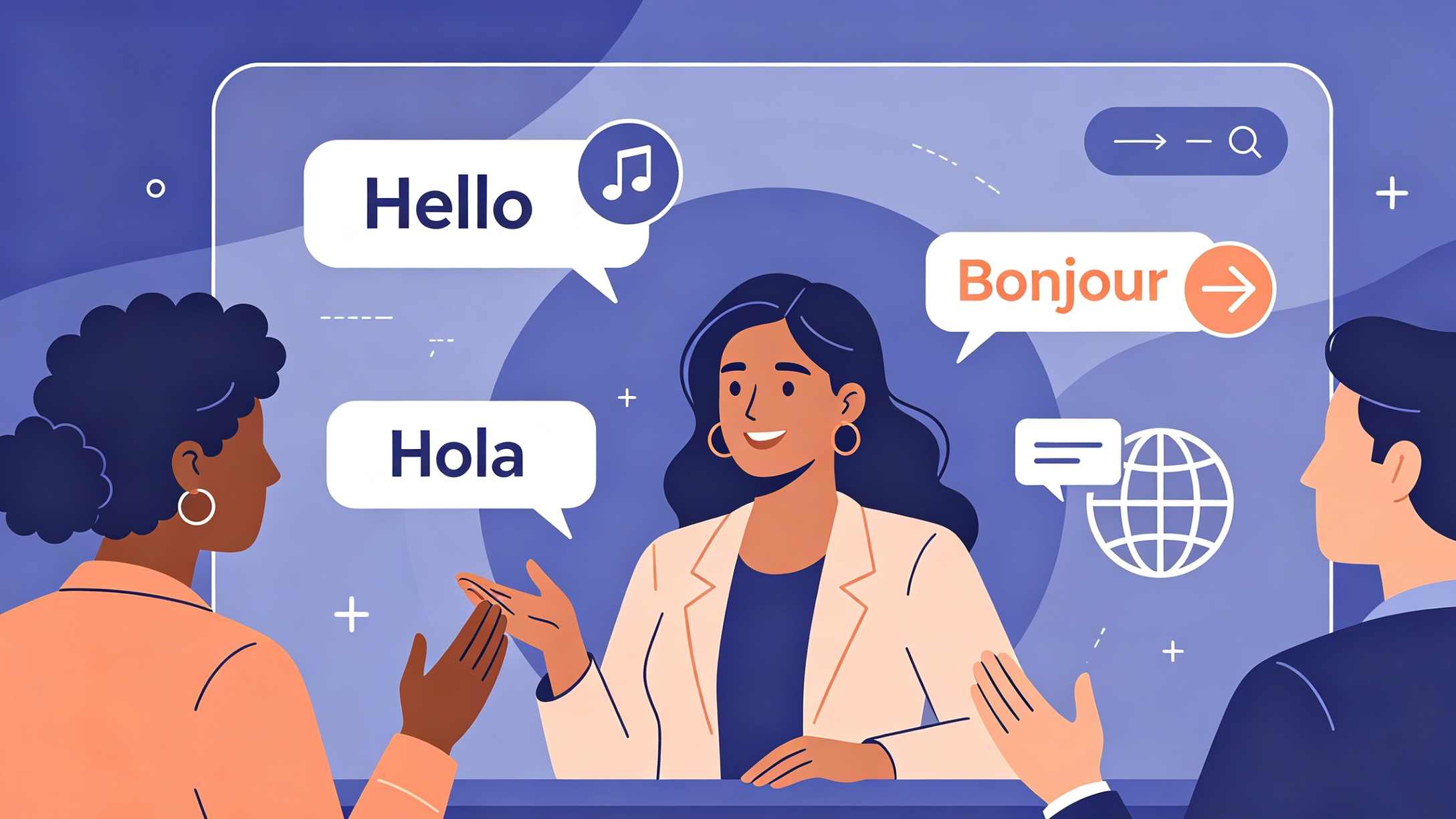
With support for over 130 languages, Voicemaker AI facilitates global reach. Beyond standard English (US, UK, Australia, India), it covers major languages like Spanish (Castilian, Mexican, US), Mandarin Chinese, Hindi, German, French, Arabic, and Japanese. Crucially, the platform captures regional accents and dialects, ensuring that localized content sounds authentic to native ears. This is vital for international marketing campaigns where trust is built through linguistic nuance.
Precision Control with Voice Customization Features
To achieve a truly professional result, a voiceover needs more than just a good voice; it needs precise timing and emphasis. Voicemaker provides a comprehensive suite of tools for fine-tuning the audio output.
Speed, Pitch, and Volume Adjustments
Users have granular control over the tempo and tone of the voice. Speed can be adjusted to fit specific video lengths, while pitch adjustments can make a voice sound more youthful or more mature. Volume control ensures the narration sits perfectly above background music.
The Power of SSML (Speech Synthesis Markup Language)
For advanced users, Voicemaker supports SSML, a standard markup language for voice synthesis. This allows for:
- Adding Pauses: Inserting specific durations of silence (e.g.,
<break time="500ms"/>) between sentences or for dramatic effect. - Emphasis and Strength: Highlighting specific words to change the meaning of a sentence, such as emphasizing "never" in "I would never do that."
- Pronunciation Correction: Using phonetic spellings or the
aliasattribute to ensure technical terms or brand names are pronounced correctly every time. - Changing Speaking Styles: Swapping between styles like "cheerful," "empathetic," or "shouting" within a single paragraph.
Pronunciation Editor
The built-in Pronunciation Editor is a massive productivity booster for recurring projects. If the AI consistently mispronounces a niche industry term or a unique name, you can "lock in" the correct pronunciation across all your future converts, maintaining brand consistency.
Advanced AI Features Beyond Text to Speech
Voicemaker has expanded its ecosystem to include tools that handle various audio-related challenges, making it an all-in-one audio production suite.
Custom Voice Cloning
Voice cloning is a game-changer for personalization. By providing about 30 minutes of high-quality voice data, users can create a professional AI clone of their own voice or a specific brand ambassador's voice. This allows companies to scale their content production without requiring the original speaker to be in the studio for every new script. It preserves the unique timbre and cadence of the original speaker while offering the flexibility of AI generation.
Voice Isolator and AI Dubbing
The Voice Isolator tool allows users to take noisy, raw recordings and transform them into studio-grade audio by stripping away background hiss and environmental noise. Complementing this is the AI Dubbing feature, which can translate and dub content into multiple languages while preserving the original tone and style, significantly reducing the cost of global video distribution.
Vox FX and Creative Effects
For those working on creative projects like gaming or sci-fi stories, Vox FX offers over 100 effects. These can transform a standard voice into a walkie-talkie signal, a stadium echo, an alien tone, or the voice of someone speaking from the depths of a cave. This reinvents how sound design is approached in low-budget indie productions.
Practical Use Cases for Voicemaker AI
The versatility of the platform makes it applicable across various sectors.
YouTube and Social Media
For many "faceless" YouTube channels, Voicemaker is the backbone of production. Creators use voices like "Zack" for high-engagement shorts or "Maximilian" for historical essays. The ability to generate high-resolution (48kHz) WAV files ensures that the audio quality matches the high-definition visuals of modern platforms.
E-Learning and Corporate Training
Educational institutions use Voicemaker to convert textbooks into audiobooks or to provide narration for instructional videos. The "Friendly" and "Empathetic" voice styles are particularly effective here, as they make the learning experience more engaging and less robotic. Corporate HR departments use it for onboarding videos, ensuring a consistent tone across global offices.
IVR and Customer Service
Interactive Voice Response (IVR) systems often sound cold and frustrating. By using Voicemaker’s "Customer Care" styled voices, businesses can create a more welcoming and professional first point of contact for their customers.
Accessibility
Voicemaker plays a critical role in digital accessibility. By converting web articles and documents into audio, it helps individuals with visual impairments or reading difficulties consume content more easily.
Understanding Pricing and Character Limits
Voicemaker employs a tiered pricing model that caters to everyone from hobbyists to large enterprises.
- Free Plan: Ideal for testing. It provides access to 750+ default voices and supports basic conversions of up to 250 characters. It is a "forever free" tier, which is great for small personal projects.
- Starter Plan ($5/month): Designed for beginners and hobbyists. It offers 150,000 characters per month and introduces "Pro" voices. It is a highly affordable entry point for those starting a YouTube channel.
- Premium Plan ($10/month): The most popular choice for professionals. It includes 400,000 characters per month, Voice Cloning, Speech-to-Text, and the Vox Studio platform for mixing multiple voices and background music.
- Business Plan ($25/month): Aimed at teams. It offers 800,000 characters per month, broadcasting rights (essential for TV and radio ads), and team workspace seats.
Character Multipliers and Credit Usage
It is important to note that the high-end "Pro Plus" and "Cloned" voices often consume character credits at a 2x or 4x rate. This is because these models require significantly more computational power to generate their expressive, high-resolution output. Users should plan their budgets according to the level of realism required for their specific project.
Why Voicemaker AI Is a Strategic Choice
In a market crowded with TTS tools, Voicemaker stands out due to its balance of technical depth and user accessibility. It doesn't require a steep learning curve; the interface is a simple dialogue box. However, for those who want to "under the hood," the SSML support and API integration provide all the tools necessary for complex automation.
Speed and Latency
For developers using the Voicemaker API, speed is a critical factor. The platform boasts a real-time generation latency of under 75ms with global geolocation, making it suitable for real-time applications, such as AI-driven customer assistants or live gaming interactions.
Audio Format Flexibility
Unlike many basic tools that only offer MP3, Voicemaker supports WAV (16-bit PCM), OGG, AAC, and Opus. This flexibility allows users to choose between high-fidelity uncompressed audio for professional editing and highly compressed formats for mobile apps or web usage.
Conclusion
Voicemaker AI has successfully bridged the gap between robotic synthesized speech and human-like narration. By offering an extensive library of voices, deep customization via SSML, and advanced features like voice cloning and AI dubbing, it empowers creators to produce world-class audio content at a fraction of the traditional cost. Whether you are a solo content creator looking to launch a YouTube channel or a multinational corporation localizing training materials, Voicemaker provides the tools to speak to your audience in a voice that resonates.
Frequently Asked Questions (FAQ)
What is the difference between standard and pro voices in Voicemaker?
Standard voices use traditional neural TTS models that are clear but may have limited emotional range. Pro and Pro Plus voices use advanced generative models that offer higher resolution (up to 48kHz) and "expressive" qualities, allowing them to sound more human with better intonation and emotional variety.
Can I use Voicemaker audio for commercial purposes?
Yes, but usage rights depend on your plan. The Free plan is for personal use only. The Starter, Premium, and Business plans include commercial usage rights, which allow you to monetize audio on platforms like YouTube. For radio, TV, or paid advertising, the Business plan with broadcasting rights is generally required.
How does voice cloning work on Voicemaker?
Voice cloning requires you to upload or record a dataset of the target voice (usually around 30 minutes of high-quality audio). Voicemaker's Pro Plus or Neural AI3 engines then analyze the unique vocal characteristics to create a digital replica that can speak any text you input while maintaining the original speaker's tone.
Which languages are supported by Voicemaker?
Voicemaker supports over 130 languages, including English, Spanish, French, German, Hindi, Arabic, Mandarin, Japanese, and many regional dialects and accents.
Does Voicemaker support SSML?
Yes, Voicemaker fully supports Speech Synthesis Markup Language (SSML), allowing users to insert pauses, adjust emphasis, specify pronunciations, and change speaking styles within their scripts for a more dynamic and controlled audio output.