Home
Home
How Zora AI Is Transforming the Enterprise Digital Workforce

Deloitte Zora AI is an enterprise-grade digital workforce platform that utilizes autonomous AI agents to automate complex business processes. Unlike previous generations of automation software, Zora AI is designed to perceive environment data, reason through multi-step logic, and act independently within enterprise systems. Built on NVIDIA AI technologies, it serves as a bridge between high-level business strategy and the granular execution required in finance, tax, human resources, and supply chain management.
Defining the Agentic Revolution in Business Operations
For decades, enterprises relied on Robotic Process Automation (RPA) to handle repetitive tasks. While effective for simple "if-this-then-that" scenarios, RPA lacked the cognitive flexibility to handle exceptions or nuanced decision-making. This is where Zora AI marks a fundamental shift.
The platform is built on an "Agentic AI" framework. An agent in this context is not just a chatbot but a digital worker capable of executing end-to-end workflows. By leveraging NVIDIA’s advanced reasoning models, including the Llama Nemotron series, Zora AI agents can interpret unstructured data, identify patterns that humans might overlook, and execute transactions across disparate software stacks like SAP and Oracle.
The primary objective of Zora AI is not to replace the human element but to augment it. By offloading the "heavy lifting" of data reconciliation and transactional auditing to digital workers, organizations can redirect their human talent toward advisory roles and strategic growth initiatives.
The Technical Backbone Powered by NVIDIA AI
The performance of an AI agent is only as good as its underlying reasoning capabilities. Zora AI is engineered using NVIDIA’s AI enterprise software (NVAIE), which provides the computational power necessary for deep reasoning. This partnership allows Zora AI to process petabytes of enterprise data while maintaining low latency in decision-making.
Perceive, Reason, and Act: The Core Loop
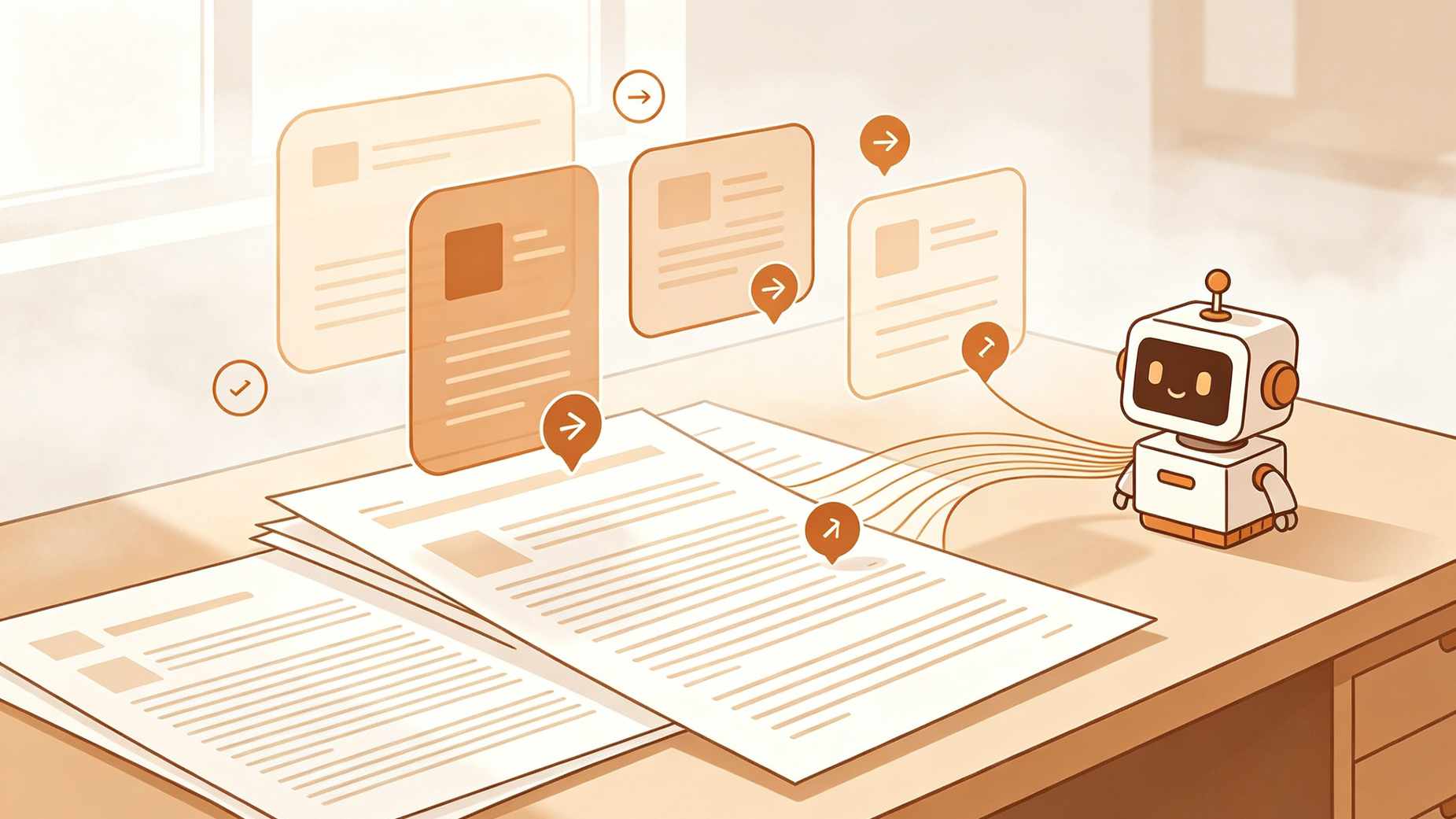
Every Zora AI digital worker operates on a continuous feedback loop that mirrors human cognitive processes:
- Perceive: The agent monitors internal and external data streams. It doesn't just "see" data; it understands context. For instance, a procurement agent can distinguish between a standard shipping delay and a systemic supply chain disruption by analyzing news feeds alongside internal inventory logs.
- Reason: This is where the platform surpasses traditional AI. Using probabilistic and deterministic functions, the agent evaluates multiple paths. It considers corporate policy, historical outcomes, and real-time constraints to determine the most efficient course of action.
- Act: Once a decision is made, the agent executes the task within the enterprise's existing software environment. Whether it’s updating an ERP record, generating a tax filing, or initiating a purchase order, the action is performed autonomously.
Integration with Modern Engineering
Deloitte has utilized its vast experience in systems integration to ensure Zora AI is not another siloed tool. The platform is often deployed as a SaaS solution but can also reside within a client’s private cloud or on-premise environment. By using modern frameworks like NestJS and TypeScript for its architecture, the platform remains scalable and maintainable for global organizations.
Why Agentic AI is Different from Traditional Automation
Many business leaders ask why they need Zora AI if they already have invested in RPA and basic Generative AI (GenAI). The answer lies in the level of autonomy and the ability to handle complexity.
Traditional automation is rigid. If a vendor changes their invoice format, an RPA bot often breaks. In contrast, a Zora AI agent uses computer vision and natural language processing to adapt to format changes. It understands that a "Total Amount" field is the same regardless of where it is placed on a page.
Furthermore, while standard GenAI can draft an email or summarize a document, it rarely "does" the work. Zora AI closes the gap between insight and execution. It doesn't just tell you that you have an outstanding invoice; it communicates with the vendor, verifies the delivery status, and prepares the payment for approval.
Deep Dive into Industry-Specific Agents
Zora AI is not a one-size-fits-all solution. It is organized into specialized digital workers with deep domain intelligence. Deloitte’s decades of consulting expertise are baked into these agents, ensuring they understand the specific regulations and best practices of each field.
Zora AI for Finance and Tax
Finance departments are currently under immense pressure to deliver real-time insights while maintaining perfect compliance. Zora AI for Finance addresses these challenges through several specialized modules:
- Autonomous Cash Application: One of the most labor-intensive tasks in finance is matching incoming payments to outstanding invoices. In real-world applications, Zora AI has demonstrated the ability to improve automation hit rates from a typical 25% to over 90% by using machine learning to resolve discrepancies.
- CFO Insights Advisor: This agent acts as a digital assistant to the CFO. It can model different financial scenarios—such as the impact of a 2% interest rate hike—and provide actionable recommendations within minutes.
- Tax Compliance Agent: Tax laws change constantly. Zora AI monitors global tax regulations and automatically flags potential compliance issues in real-time, reducing the risk of penalties and overpayments.
Zora AI for Human Resources
The "Human Capital" aspect of business often involves mountains of administrative work that distracts HR professionals from employee engagement. Zora AI agents help by:
- Onboarding Orchestration: Managing the logistics of a new hire—from IT provisioning to benefits enrollment—involves multiple departments. Zora AI coordinates these tasks autonomously, ensuring a seamless experience for the employee.
- Talent Analytics: By analyzing internal performance data and external market trends, Zora AI can identify flight risks or skill gaps within a department before they become critical issues.
Zora AI for IT and Cybersecurity
In the IT domain, speed is everything. Zora AI for IT service management can handle high-volume tickets that previously required human intervention. It can diagnose server anomalies, suggest patches, and even automate the deployment of software updates across a global network.
Crucially, in cybersecurity, Zora AI agents monitor network traffic for patterns indicative of sophisticated threats. Because they operate at machine speed, they can neutralize potential breaches far faster than a human SOC (Security Operations Center) team.
Strengthening the Enterprise Ecosystem: SAP and Oracle Integration
A major strength of Zora AI is its ability to "play well with others." Deloitte has strategically integrated Zora AI with the world’s leading enterprise platforms.
Integration with SAP Joule
Deloitte has integrated Zora AI with SAP’s Joule agents to create a multi-agent system. In this environment, Zora AI agents and SAP agents work together, sharing data and reasoning logs to solve complex workflows. This is particularly valuable for companies undergoing a S/4HANA transformation, as it allows them to automate legacy processes without waiting for a full system overhaul.
Running on Oracle Cloud Infrastructure (OCI)
For Oracle users, Zora AI can run directly on OCI, leveraging its high-performance computing capabilities. It integrates seamlessly with Oracle Fusion Cloud Applications, helping organizations gain sharper insights into their supply chain and customer relationship management (CRM) data. This integration ensures that the digital workforce has the same level of access and reliability as the core business applications it supports.
Trustworthy AI: Security, Transparency, and Ethics
One of the biggest hurdles to AI adoption is the "black box" problem—the fear that an AI will make a decision without a clear reason or, worse, compromise sensitive data. Deloitte addresses this through its Trustworthy AI™ Framework.
Data Sovereignty and Privacy
A common concern for global enterprises is whether their data will be used to train public models. With Zora AI, the data remains within the client’s infrastructure. Whether deployed on-premise or in a private cloud, the information never leaves the secure perimeter. The platform is compliant with major global regulations, including GDPR, CCPA, and HIPAA.
Human-Readable Reasoning
Zora AI provides a "human-in-the-loop" mechanism. For every action taken, the agent generates a reasoning log. A human supervisor can see exactly why an agent chose a specific vendor or flagged a certain transaction. This transparency is critical for audit purposes and for building trust between the human workforce and their digital counterparts.
Probabilistic vs. Deterministic Guardrails
The platform uses a hybrid approach to ensure accuracy. While the AI uses probabilistic models to understand language and context, it applies deterministic guardrails for execution. For example, an agent might use probabilistic reasoning to understand a complex contract, but it follows a rigid, deterministic set of rules when it comes to the final financial disbursement.
Real-World Impact and Case Studies
The value of Zora AI is best demonstrated through its implementation in large-scale enterprises.
Transforming CFO Insights at HPE
Hewlett Packard Enterprise (HPE) faced challenges with the manual reporting required for its operational performance reviews. The process was time-consuming and prone to human error. Working with Deloitte, HPE co-developed CFO Insights powered by Zora AI. The result was a more dynamic, reliable reporting process that allowed the finance team to spend more time on analysis and less on data collection.
Revolutionizing Sales Order Management
A Fortune 500 beverage company struggled with a manual sales order entry process that was both slow and inaccurate. By implementing Zora AI’s autonomous sales order management, the company achieved a 95% accuracy rate in order entry and reduced the total time spent on orders by 90%. This allowed the company to handle higher volumes during peak seasons without increasing headcount.
Streamlining Invoices in Healthcare
A leading healthcare company processing over 2 million invoices annually used Zora AI to tackle its labor-intensive manual steps. Using computer vision and agentic reasoning, the company sped up its invoice cycle time significantly, reducing late payment fees and improving vendor relationships.
The Future of Work: Scaling the Digital Workforce
As we move toward 2030, the concept of a "workforce" is evolving to include both biological and digital entities. Deloitte’s investment of $3 billion in GenAI through FY 2030 underscores the importance of this shift.
The newly launched Deloitte Global Agentic Network aims to provide a connected ecosystem of agentic offerings. This network will allow companies to "hire" digital workers as easily as they hire human employees. As these agents become more sophisticated, we can expect them to handle even more complex tasks, such as autonomous negotiation, strategic M&A analysis, and real-time sustainability auditing.
However, the most successful companies will be those that view Zora AI as a tool for empowerment. By removing the friction of mundane tasks, Zora AI allows humans to focus on what they do best: creative problem solving, relationship building, and ethical decision-making.
Summary: Key Takeaways of Zora AI by Deloitte
Zora AI represents the next frontier of enterprise efficiency. By combining the reasoning power of NVIDIA AI with Deloitte’s functional expertise, the platform offers a scalable, secure, and intelligent way to manage a global business.
- Autonomy: Moves beyond RPA to provide agents that can perceive, reason, and act.
- Domain Expertise: Pre-trained agents for Finance, Tax, HR, Procurement, and IT.
- Trust: Built on a framework of transparency and data sovereignty.
- Scalability: Integrates with major ecosystems like SAP and Oracle.
- Proven Results: Early adopters report massive gains in speed and accuracy.
Frequently Asked Questions (FAQ)
What is the difference between Zora AI and a regular chatbot?
A regular chatbot is typically designed for information retrieval and simple conversation. Zora AI consists of autonomous agents that can execute tasks. While you can talk to Zora AI, its primary function is to "do" work—like processing an invoice or updating a database—rather than just talking about it.
Do I need to replace my existing ERP system to use Zora AI?
No. Zora AI is designed to work on top of your existing systems. It interacts with software like SAP, Oracle, and Salesforce much like a human employee would. This "augmentation" model means you can see results in weeks or months rather than waiting for a multi-year system replacement.
Is Zora AI secure for sensitive financial data?
Yes. Zora AI is built on Deloitte's Trustworthy AI™ framework. It ensures that your data never leaves your infrastructure and complies with global standards such as GDPR and HIPAA. Furthermore, it provides transparent reasoning logs so every action can be audited.
How long does it take to deploy a Zora AI digital worker?
Implementation times vary depending on the complexity of the process and the state of your data. However, many organizations begin seeing value within a few weeks. Because the agents are pre-trained in specific domains (like Finance or HR), they don't have to learn the basics of your industry from scratch.
Can Zora AI handle "unstructured" data like PDFs and emails?
Yes. This is one of its core strengths. Using advanced computer vision and natural language processing, Zora AI can extract meaning from unstructured documents, such as handwritten notes, complex contracts, and varying invoice formats, and then convert that information into structured data for your ERP system.
-
Topic: Deloitte 2025年营收报告https://uploads4.craft.co/uploads/unified_record/source/document/2156666/a4358f2f87be199f.pdf
-
Topic: Introducing Zora AI™ | Deloitte UShttps://www.deloitte.com/us/en/services/consulting/services/zora-generative-ai-agent.html?categoryid=2849312
-
Topic: Deloitte Zora AI Platform: Transforming Business with AI | ReelMindhttps://reelmind.ai/blog/deloitte-zora-ai-platform-transforming-business-with-ai