Home
Home
How Zorq AI Motion Control Animates Characters Without Professional Mocap Rigs
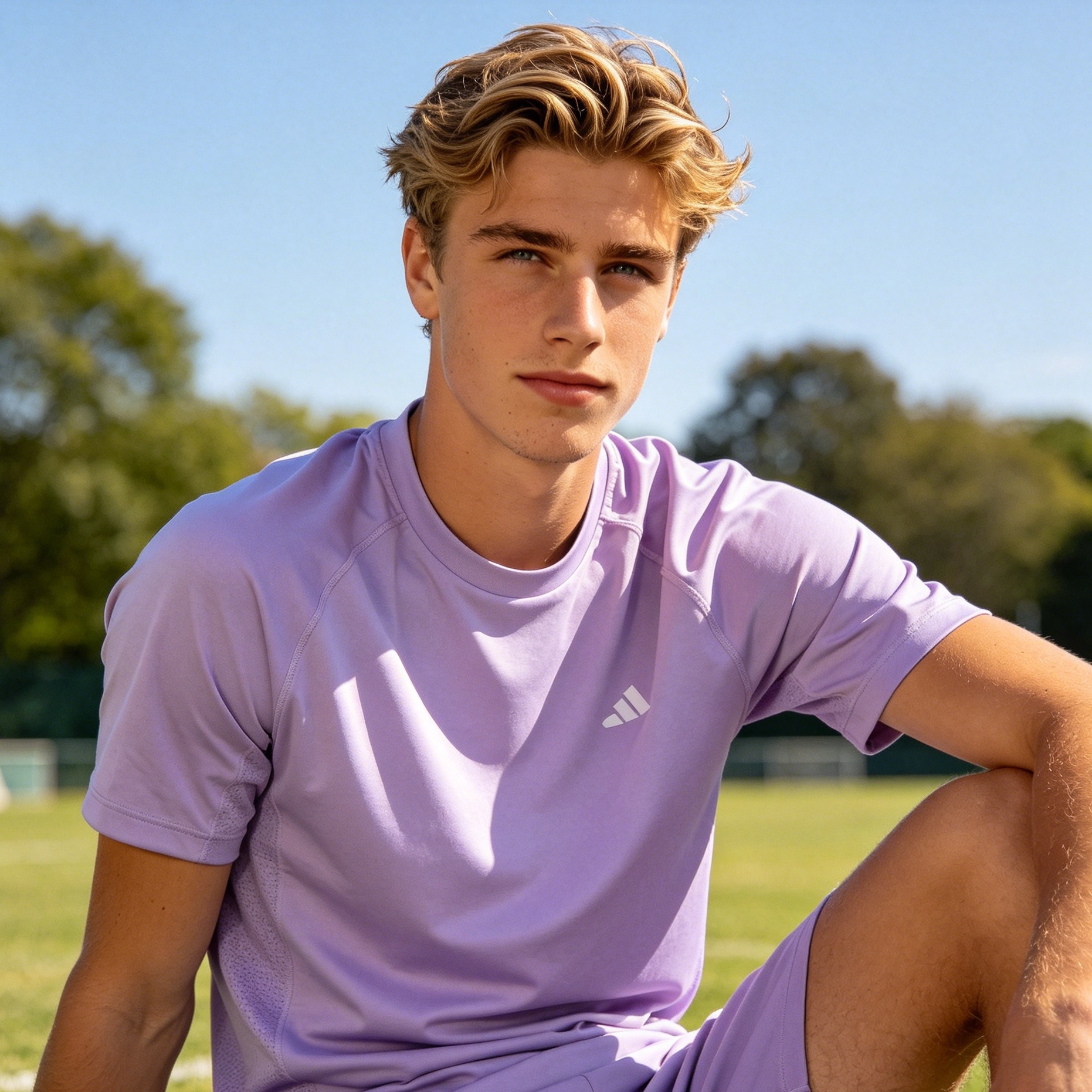
Zorq AI Motion Control is a feature within a multi-model creative dashboard that allows creators to animate static images by extracting movement data from reference videos. By leveraging advanced skeletal mapping and identity-preservation algorithms, this tool bridges the gap between static art and dynamic performance. In an era where high-quality animation typically requires expensive motion capture (mocap) suits, specialized studios, and weeks of post-production, this technology enables "studio-quality" results in under 60 seconds directly from a web browser.
The platform integrates several leading AI models, most notably the Kling series (v2.6 and v3.0), to process complex human movements—ranging from intricate dance choreography to subtle facial micro-expressions—and map them onto a target subject. Whether the subject is a 3D render, a hand-drawn illustration, or a realistic portrait, the AI ensures that the visual identity remains consistent while the motion follows the reference clip with frame-level precision.
The Technical Mechanics Behind AI-Powered Motion Control
To understand the value of Zorq AI Motion Control, one must look at the underlying process of skeletal pose extraction. Traditional animation relies on keyframing, where an animator manually moves a character’s joints frame by frame, or motion capture, where a performer wears sensors that record data. Zorq AI automates this by utilizing a "video-to-video" motion transfer architecture.
Skeletal Pose Extraction and Mapping
When a user uploads a reference video, the AI performs a frame-by-frame analysis of the actor's body. It identifies key joints—shoulders, elbows, wrists, hips, knees, and ankles—along with the torso's orientation. This data is converted into a digital skeleton. Unlike simpler filters, this system tracks joint angles and limb trajectories in three-dimensional space, even when the input is a 2D video.
The real magic happens during the mapping phase. The Kling 2.6/3.0 models take this skeletal data and "re-skin" it using the uploaded character image. This requires the AI to understand the geometry of the character. For example, if the reference actor performs a spin, the AI must hallucinate the back of the character’s clothing or hair based on the frontal image provided, maintaining stylistic consistency throughout the rotation.
Identity Preservation and Identity Lock
A common failure in early AI video generators was "morphing"—where a character’s face or clothing would change mid-video. Zorq AI addresses this through an "Identity Lock" mechanism. By analyzing the unique features of the source image—such as the texture of a jacket, the specific shade of eye color, or the style of an illustration—the model prioritizes these pixels during the motion synthesis. In our testing, this results in a character that looks like the same person from start to finish, even during high-velocity movements like jumping or dancing.
The Creative Workflow: From Static Image to Finished Clip
The accessibility of Zorq AI Motion Control lies in its streamlined workflow. While the underlying technology is complex, the user interface focuses on three primary inputs: the subject, the motion, and the technical parameters.
Step 1: Preparing the Character Source
The quality of the animation is heavily dependent on the initial image. For optimal results, the character should be presented in a clear, front-facing pose.
- Resolution and Format: The platform accepts JPEG and PNG files with a minimum width of 300px.
- Composition: A "Full Upper Body" shot (head, shoulders, and torso) is the standard requirement. Obstructions, such as a character holding a large object in front of their chest, can confuse the skeletal mapping, leading to artifacts or limb distortions.
- Style Versatility: One of the platform's greatest strengths is its ability to handle diverse art styles. It performs equally well on hyper-realistic photos, anime characters, and corporate mascots.
Step 2: Selecting the Motion Reference
Users have two options for providing motion:
- Custom Uploads: Creators can upload their own 3–30 second MP4 or MOV clips. This is ideal for specific brand gestures or unique choreography.
- Preset Library: For those without a camera or specific footage, the dashboard provides presets for common actions like fitness moves, expressive talking, or trending dances.
A critical observation from production data shows that the lighting and background of the reference video do not need to be professional. As long as the actor’s limbs are clearly visible against a contrasting background, the AI can extract the skeletal data accurately. However, wearing baggy clothing in the reference video can sometimes lead to "noisy" motion data.
Step 3: Configuring Output and Quality
Before generating, users must decide between 720p and 1080p output. While 720p is cost-effective for rapid prototyping and A/B testing, 1080p is necessary for final social media posts or commercial ads. The platform also allows for a text prompt to guide the animation style or camera movement, providing an extra layer of creative control beyond the reference video itself.
Why Motion Control is Outperforming Traditional Mocap
The shift toward AI-driven motion transfer is not just about novelty; it is about the fundamental economics of content production. Traditionally, getting a character to dance or perform a specific gesture required a massive investment.
Cost Comparison: $15,000 vs. $49
A professional motion capture session often starts at $10,000 to $15,000 when accounting for studio rental, equipment, and the technical staff required to clean up the data. Even high-end consumer mocap suits (like those from Rokoko or Xsens) cost thousands of dollars and require significant space and calibration.
In contrast, Zorq AI operates on a credit-based subscription model. A content creator can generate a 10-second high-definition animation for approximately 90 credits. Under the Pro plan ($35/month), which offers 3,300 credits, a user could theoretically produce dozens of finished animations for the price of a single lunch. For indie filmmakers and small marketing teams, this represents a democratization of high-fidelity animation.
Speed and Iteration
In traditional pipelines, rendering a character animation can take hours or even days depending on the complexity of the lighting and textures. Zorq AI renders most clips in under 60 seconds. This allows for a "fail fast" workflow. If a specific dance move doesn't look right on a particular character, the creator can swap the image or the reference video and try again immediately, rather than waiting for an overnight render farm.
Industry Applications: Who is Using Zorq AI Motion Control?
The versatility of the Kling-powered motion engine has led to adoption across several high-growth sectors.
Social Media and the Rise of AI Influencers
The most visible use of motion control is on platforms like TikTok, Instagram Reels, and YouTube Shorts. Creators are using the tool to build "digital personas"—AI influencers who post daily content without the need for a human actor to be on camera for every take.
- Case Study: One brand reported growing a digital persona to 50,000 followers in just 90 days. By using motion control to apply trending choreography to their mascot, they were able to post 3-5 high-quality videos daily with zero traditional filming costs.
- Viral Challenges: Users can take a viral dance challenge video, upload it as a reference, and have their original character perform the same moves, ensuring they stay relevant to current trends.
Marketing and E-Commerce Advertising
In the competitive landscape of digital advertising, movement grabs attention. Statistics show that animated character ads can drive up to a 35% higher click-through rate (CTR) compared to static images.
- Product Demos: Marketing teams use Zorq AI to animate brand mascots explaining product features.
- A/B Testing: Because the process is so fast, an agency can generate 15 different variations of an ad—using different characters or different motions—to see which resonates best with the target audience.
Film and Animation Production
Independent filmmakers are using motion control for pre-visualization (pre-viz). Instead of sketching storyboards, they shoot rough footage on their smartphones and transfer the motion to their concept art. This gives them a clear sense of timing and framing before moving into expensive VFX or live-action production.
Education and Training
E-learning platforms have seen a 40% increase in course completion rates when static presenters are replaced with animated AI avatars. By using the lip-sync and motion control features in tandem, educators can create engaging video lessons where the character gestures naturally, mimicking the pedagogical style of a real-world teacher.
Technical Nuances: Understanding the Kling v3 vs. v2.6 Models
Zorq AI provides access to different versions of the Kling model, each with its own strengths:
- Kling v2.6: Known for its stability and lower credit cost. It is excellent for standard body movements and has been the workhorse for creators focusing on volume.
- Kling v3.0: The latest iteration, which offers superior finger tracking and facial nuance. One of the biggest hurdles in AI video has been "spaghetti fingers"—distorted hands during complex gestures. Kling v3 significantly reduces these artifacts, making it the preferred choice for close-up shots or videos involving intricate hand movements (like playing an instrument or sign language).
Maximizing Results: Tips for High-Quality Output
To get the most out of Zorq AI Motion Control, experienced users follow a set of "golden rules" for asset preparation:
Match the Aspect Ratio
Always ensure your character image and reference video share the same aspect ratio. If you are creating content for TikTok, use a 9:16 vertical image and a 9:16 video. Mixing a square image with a vertical video can lead to stretching or awkward cropping of the character’s limbs.
Lighting Consistency
While the AI can adapt to many conditions, providing a character image with neutral, even lighting allows the model to apply its own shadows and highlights based on the movement. Harsh shadows in the source image can sometimes "bake" into the texture, making the character look unnatural when they turn away from the light source in the animation.
The "Empty Space" Rule
Give your character some "breathing room" in the source image. If the character’s head is touching the very top edge of the frame, the AI may struggle to animate a jump or a tall hat, as there is no pixel data to work with in that area. A slightly wider shot that includes the full upper body with a bit of margin is ideal.
Troubleshooting Common Issues
Even with advanced models like Kling v3, AI generation can occasionally produce unexpected results.
What to do about "Limb Glitching"?
Limb glitching usually occurs when the reference video has "self-occlusion"—for example, when an actor crosses their arms tightly or hides their hands behind their back. To fix this, choose a reference video where the limbs remain clearly visible to the camera at all times.
Improving Facial Accuracy
If the character's face looks slightly "off" during a smile or a shout, try using the "Prompt" field to explicitly state the emotion. For example, adding "a wide, joyful smile with natural eye squinting" can help guide the AI's facial mapping when the reference video's lighting is poor.
Managing Credit Consumption
Since motion control is credit-intensive, especially at 1080p, it is advisable to run a "Standard" mode test at 720p first. Once the movement and character identity are confirmed to be working well, the user can then re-run the generation in "Quality" mode for the final render.
Summary of the Zorq AI Advantage
Zorq AI Motion Control represents a significant leap forward in the accessibility of professional-grade animation. By combining a user-friendly dashboard with the raw power of the Kling model family, it eliminates the traditional barriers to entry for high-quality character movement.
- Speed: Under 60 seconds per clip.
- Accuracy: Frame-level skeletal mapping and improved finger tracking in v3.0.
- Efficiency: Replaces $10,000+ mocap rigs with a smartphone reference.
- Versatility: Works with photos, 3D renders, and illustrations.
As AI video technology continues to evolve, tools like Zorq AI are likely to become standard in the creative professional's toolkit, allowing for a level of iteration and creativity that was previously reserved for the world's largest animation studios.
FAQ: Zorq AI Motion Control
What is the difference between Image-to-Video and Motion Control?
Image-to-Video allows the AI to "invent" the motion based on a text prompt (e.g., "the character walks in the rain"). Motion Control gives you precise command by requiring a reference video to dictate exactly how the character moves. If the specific movement is crucial—like a dance or a specific gesture—Motion Control is the superior choice.
Can I use Zorq AI Motion Control for free?
Zorq AI typically offers a set of free one-time credits upon signup (currently around 10-30 credits). This allows new users to test the motion control feature (720p) and see the results before committing to a subscription plan.
Are the generated videos cleared for commercial use?
Commercial rights depend on the subscription tier. Generally, the "Business" or "Pro" plans include commercial licenses, whereas the free or basic tiers may have restrictions or watermarks. Always check the current terms of service on the Zorq AI pricing page.
What happens if my reference video is longer than 30 seconds?
The platform currently supports clips between 3 and 30 seconds. For longer sequences, creators typically generate multiple shorter clips and stitch them together in a traditional video editor.
Does Zorq AI require a powerful computer?
No. Zorq AI is a cloud-based platform. All the heavy lifting—the skeletal extraction and the Kling model rendering—happens on their servers. You only need a standard web browser and a stable internet connection.
How does the lip-sync feature work with motion control?
While Motion Control handles body and facial expressions, Zorq AI also offers a dedicated Lip Sync tool. For a full "talking head" animation, users often use Motion Control for the body language and then run the resulting video through the Lip Sync tool to match the mouth movements to a specific audio file.
Which file formats are best for the character source?
High-resolution PNGs are generally best as they preserve more detail than compressed JPEGs, leading to a sharper final video. Ensure the file size is under 10MB to avoid upload errors.
-
Topic: Zorq AI — Free AI Video & Image Generator | Kling + Veohttps://zorq-ai.net/
-
Topic: Zorq AI Motion Control — Transfer Movement to Charactershttps://zorq-ai.net/zorq-ai-motion-control
-
Topic: Image to Video AI: Turn a Photo Into a Video (2026) | Bloghttps://www.zorqai.io/blog/ai-image-to-video-guide