 Home
Home
Mastering Nano Banana Prompts for High Fidelity AI Image Generation
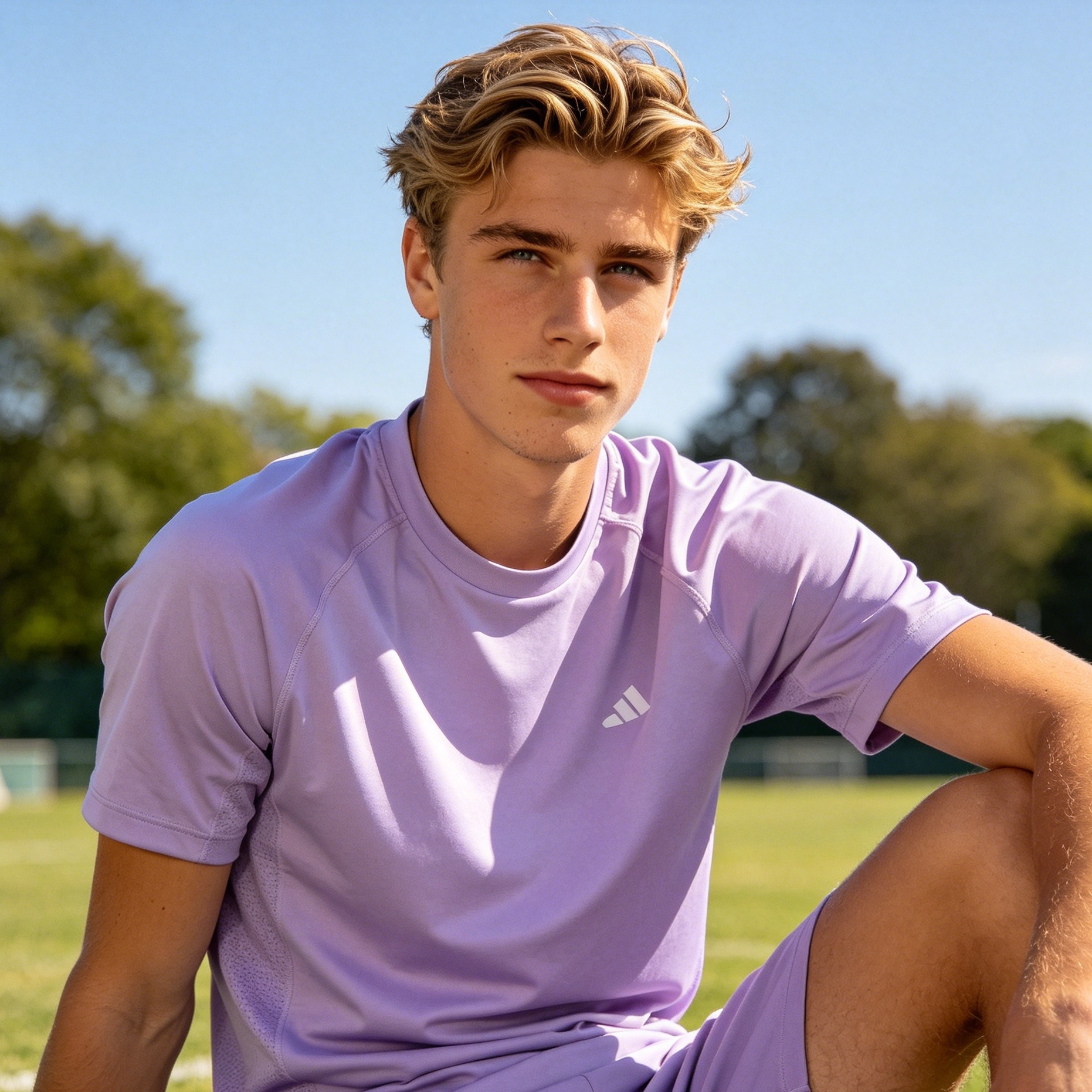
Banana prompts represent a specialized methodology of structured, descriptive instructions tailored for the Nano Banana and Nano Banana Pro AI image generation models. Unlike traditional AI models that often rely on a chaotic "tag-stacking" approach—where users simply dump keywords separated by commas—Nano Banana thrives on a narrative-driven structure known as the Visual Path. This approach provides the AI with a logical progression of visual information, leading to significantly higher fidelity, better spatial awareness, and consistent style execution.
What Are Banana Prompts and Why Are They Different?
At its core, a banana prompt is a blueprint. The Nano Banana architecture is designed to interpret natural language with a high degree of sensitivity to descriptive adjectives and technical photographic terms. While older generative models might ignore the subtle difference between "soft lighting" and "diffused 4 PM sunlight through a frosted window," Nano Banana uses these specificities to calculate ray-tracing simulations and texture densities within the generated image.
The difference lies in logic. Nano Banana, particularly the Pro variant, possesses advanced reasoning capabilities. This means it doesn't just match patterns; it understands the relationship between objects in a scene. If you prompt for "a barista pouring latte art," the model understands the fluid dynamics of milk, the height of the pitcher relative to the cup, and the focused expression required for such a task.
The Anatomy of a High-Performance Banana Prompt
To achieve professional-grade results, every prompt should follow a specific structural hierarchy. This ensures the model prioritizes the most important elements while maintaining environmental coherence.
1. The Subject: Beyond the Basics
The subject is the focal point. Instead of "a dog," define the breed, the age, the condition of the fur, and the specific breed traits.
- Basic: A cat.
- Banana Style: A regal Maine Coon cat with thick, matted smoke-grey fur and tufted ears.
2. The Action and Interaction
What is the subject doing? This defines the energy of the image. Nano Banana excels at capturing kinetic energy if the verbs are precise. Use words like "cascading," "sprinting," "carefully adjusting," or "gazing intensely."
3. Setting and Environmental Context
The background should never be an afterthought. It provides the "ambient bounce light" for your subject. Describe the clutter, the architecture, the weather, and the era. A "cluttered alchemist's library in the late 17th century" creates a vastly different color palette and shadow profile than a "modern minimalist office."
4. Composition and Framing
This is where you act as the cinematographer. You must tell the AI where to place the camera.
- Close-up portrait: Focuses on skin texture and eye detail.
- Wide-angle view: Emphasizes the relationship between the subject and the landscape.
- Low-angle shot: Makes the subject appear heroic or imposing.
- Eye-level perspective: Creates a sense of intimacy and realism.
5. Aesthetic Style and Art Direction
Clearly specify the medium. Whether it is "8k realistic photography," "oil painting with heavy impasto," "minimalist 3D illustration," or "cyberpunk digital art," the style dictates the post-processing filter the model applies to the final render.
6. Technical Parameters and Lighting
Lighting is the single most important factor in AI realism. For Banana prompts, steer away from "ultra-detailed" and instead use:
- Golden Hour: For warm, long shadows.
- Volumetric Lighting: For visible light beams and atmosphere.
- Rim Lighting: To separate the subject from a dark background.
- Lens Specifications: Mentioning "85mm f/1.8 lens" tells the model to create a shallow depth of field (bokeh).
Nano Banana vs. Nano Banana Pro: Which One Should You Prompt For?
Understanding the underlying engine is crucial for prompt length and complexity.
| Feature | Nano Banana (Flash) | Nano Banana Pro |
|---|---|---|
| Primary Use Case | Quick iterations, style transfers, basic edits. | Complex compositions, text rendering, logical scenes. |
| Prompt Style | Conversational and iterative. | Highly structured and technically dense. |
| Text Handling | Basic recognition. | High-fidelity text rendering and placement. |
| Best For | Social media posts and concept sketches. | Professional marketing, architecture, and e-commerce. |
If you are using the Flash version, keep your prompts under 70 words and focus on the "vibe." If you are using the Pro version, you can expand to 200+ words, detailing everything from the material of a button to the specific reflection in a character's sunglasses.
Advanced Prompting Techniques: The Visual Path
To move from an amateur creator to a pro, you must master "Narrative Grounding." This involves describing the textures and imperfections that make an image feel real.
Avoiding AI-isms
Generic terms like "hyper-realistic" often lead the model to create plastic-looking skin or unnaturally sharp edges. Instead, describe the physical reality:
- Instead of "realistic skin," use "visible skin pores, fine peach fuzz, and slight natural skin oil reflections."
- Instead of "high quality," use "captured on 35mm film with slight grain and authentic color grading."
Logic-Based Instructions
When using Nano Banana Pro, you can use instructional commands to refine an image. This is particularly useful for character consistency.
- Prompt: "Change the subject's blazer to a deep crimson velvet texture while maintaining the exact lighting and background from the previous generation."
Real-World Use Cases for Banana Prompts
E-commerce and Product Photography
Agencies are increasingly using Nano Banana to create studio-quality product shots without the cost of a physical shoot.
- Prompt Example: "A high-end product shot of a minimalist frosted glass perfume bottle. The bottle is placed on a wet black marble slab with a single water ripple. Sharp directional lighting from the right creating a long shadow. 100mm macro lens, soft caustic reflections through the glass, 4k resolution, editorial style."
Social Media and AI Influencers
For creators on platforms like Instagram or TikTok, consistency is key.
- Prompt Example: "A 9:16 vertical smartphone selfie of a young woman with a messy bun. She is standing in a crowded Tokyo street at night. Neon signs reflecting in her eyes, slight motion blur in the background, authentic iPhone front-camera distortion, natural skin texture, casual streetwear style."
Architecture and Interior Design
Visualizing spaces requires an understanding of structural geometry.
- Prompt Example: "An interior shot of a minimalist Scandinavian living room during a rainy afternoon. Large floor-to-ceiling windows with visible raindrops. Soft grey fabric sofa, light oak wood flooring, a single designer lamp casting a warm glow. Highly detailed textures, 24mm wide-angle lens, photorealistic architectural visualization."
Copy-Paste Examples for Instant Success
1. The Cinematic Urban Vision
"A young man in a clean side-profile pose, facing right. He wears bold orange reflective sunglasses as the focal point. The lenses reflect a detailed modern cityscape with skyscrapers. Muted grayscale tones for the face and clothing, contrasting with expressive abstract paint splashes in neon green in the background. Cinematic lighting, 4:5 aspect ratio, high-contrast premium look."
2. The Cyberpunk Partner
"An anthropomorphic panther leaning against a sleek metal balcony railing in a rain-slicked futuristic city. Beside it stands a human partner in matching tech-wear. Both wear glowing LED-lined waterproof trench coats. Heavy rain falling, droplets glistening on fur and fabric. Background of neon-lit skyscrapers and hovering vehicles. Moody teal and magenta lighting, 8k realistic rendering."
3. The Dreamy Y2K Portrait
"A dreamy Y2K style portrait of a woman laying on shiny pink satin bedding. She holds a large 90s style corded phone in a daydreaming pose. Long black hair with pink clips. The room is decorated with 90s posters. Grainy film style, light source from a bedside lamp in a dimly lit room, nostalgic and moody atmosphere."
How to Iterate and Tweak Your Results
Rarely is the first generation perfect. The "Banana Method" for iteration involves three steps:
- Isolate the Error: Is the lighting wrong, or is the subject's pose off?
- Adjust the Weight: If the background is too busy, add more descriptive words to the subject to "pull" the AI's attention forward.
- Command the Change: Use specific instruction-style commands like "Remove the extra object in the foreground" or "Make the lighting more dramatic."
Summary
Mastering Banana prompts requires a shift in mindset from simple keyword input to complex scene description. By understanding the anatomy of a prompt—focusing on subject, action, setting, and technical specs—users can unlock the full potential of the Nano Banana and Nano Banana Pro models. Whether for commercial use in e-commerce or creative exploration in digital art, the key lies in providing a clear, logical Visual Path for the AI to follow.
FAQ
What is the best aspect ratio for Nano Banana prompts?
It depends on the destination. Use 9:16 for TikTok and Instagram Stories, 4:5 for Instagram Feed posts, and 16:9 for cinematic or architectural landscapes.
Does Nano Banana support multiple languages?
Yes, the model can interpret prompts in over 16 languages, including Chinese, Spanish, and French. However, for the most precise technical control (especially with camera settings), English is recommended.
How do I get more consistent faces in Nano Banana Pro?
Use the "Face Match" technique. Provide a high-quality reference image and use a prompt that explicitly states: "Maintain 100% exact facial structure, proportions, and skin texture from the reference. Do not stylize or alter features."
Can I use Banana prompts for commercial projects?
Generally, prompts are just instructions and do not have copyright, but the images generated depend on the service provider's terms of service. Most professional users leverage these prompts for commercial marketing and design drafts.
What is 'Magic Enhance' in prompt generators?
Magic Enhance is an AI-driven tool that takes a simple idea like "a dog" and automatically adds the necessary visual details, lighting, and composition parameters to create a professional-grade Banana prompt.









