Home
Home
Pastel Colour Trends: Why Soft Colour Palettes Dominate Modern Design

Pastel Colour Trends: Why Soft Colour Palettes Dominate Modern Design
Pastel colour has transcended its historical associations with nurseries and springtime ephemera to become a cornerstone of contemporary visual culture. In 2026, these soft, muted hues are being redefined through the lens of digital wellness, sustainable living, and a global shift toward emotional interiority. Unlike the high-intensity neon trends of previous decades, the current preference for pastel colour represents a collective desire for tranquility and clarity in an increasingly complex world.
Understanding the mechanics and psychological underpinnings of pastel colour is essential for anyone involved in creative industries, from interior architecture to user interface design. This exploration covers the technical composition, psychological impact, and practical applications of these ethereal shades.
Defining the Pastel Colour Spectrum
From a technical standpoint, a pastel colour is a tint—a pure hue mixed with a significant amount of white. This process reduces the saturation (the intensity of the colour) while increasing the value (the lightness). In the HSL (Hue, Saturation, Lightness) model, pastels typically occupy the upper reaches of the lightness scale while maintaining low to moderate saturation levels.
While vibrant primary colours demand immediate attention, pastel colour works through subtlety. The addition of white scatters light more effectively across the surface, giving these shades a luminous, almost translucent quality. This luminosity is why pastel colour often feels "airy" or "breathable" compared to the heavy, grounded feeling of deep jewel tones or earth colours.
On a standard colour wheel, pastels are the outer rings of the primary and secondary colours. For example, a pastel red manifests as various shades of pink or blush, while a pastel blue moves toward powder or sky blue. The absence of heavy grey or black undertones distinguishes pastels from "muted" or "dusty" tones, which are technically tones or shades rather than pure tints.
The Psychology of Softness: Emotional Responses to Pastel Colour
Colour psychology suggests that the visual frequency of pastel colour has a direct impact on the parasympathetic nervous system. Because these colours have low chromatic intensity, they do not overstimulate the optic nerve, allowing the brain to process the visual field with less effort. This reduction in cognitive load translates into feelings of calmness and serenity.
In 2026, several key emotional themes are driving the popularity of pastel colour:
- Optimism and Renewal: Light yellow and peach tones evoke the feeling of dawn and new beginnings. In a post-digital era, these colours suggest a hopeful outlook without the aggressive energy of bright oranges or reds.
- Nostalgia and Comfort: Many pastel shades are reminiscent of mid-century modern aesthetics or vintage film photography. This connection to the past provides a sense of security and familiarity.
- Gender Neutrality: The rigid binary of "blue for boys, pink for girls" has largely dissolved. Modern pastel palettes use lilac, mint, and lemon as inclusive, gender-neutral options that appeal to a broader demographic.
- Digital Serenity: As we spend more time in virtual environments, "digital pastels"—hues that look particularly vibrant on OLED screens—are used to reduce eye strain and create inviting digital interfaces.
Essential Pastel Colour Palette for 2026
To effectively implement these colours, precise technical data is required. Below are five key pastel colour shades that are defining the aesthetic landscape of 2026.
Digital Lavender
Digital Lavender remains a powerful force in design. It represents stability, serenity, and the bridge between the physical and digital worlds. It is particularly effective in healthcare and wellness branding.
- HEX: #D6B8FF
- RGB: 214, 184, 255
- CMYK: 16, 28, 0, 0
Neo-Mint
This is a refreshing, tech-forward green that aligns with the growing intersection of nature and technology. It suggests oxygen, fresh air, and biological innovation.
- HEX: #BDFC C9
- RGB: 189, 252, 201
- CMYK: 25, 0, 20, 1
Quiet Rose
Moving away from the saturated pinks of the past, Quiet Rose is a sophisticated, dusty pink that functions almost as a neutral. It brings warmth without being overtly sweet.
- HEX: #FDC1C5
- RGB: 253, 193, 197
- CMYK: 0, 24, 22, 1
Sun-Bleached Yellow
This is a pale, creamy yellow that mimics natural sunlight. It is highly effective for brightening dark spaces and evoking a sense of gentle energy.
- HEX: #FFFAE6
- RGB: 255, 250, 230
- CMYK: 0, 2, 10, 0
Aero Blue
A soft, icy blue with a hint of green. It is the ultimate colour for minimalism and cleanliness, often used in sustainable product packaging.
- HEX: #C9FFE5
- RGB: 201, 255, 229
- CMYK: 21, 0, 10, 0
Advanced Strategies for Designing with Pastel Colour
Using pastel colour effectively requires more than just picking a light shade. Balance, contrast, and texture play critical roles in ensuring the design feels intentional rather than washed out.
The Anchor Technique
One common pitfall in pastel design is the "marshmallow effect," where the lack of contrast makes a space or design feel amorphous. To prevent this, use a "dark anchor." Pairing a pastel colour like baby blue with a deep navy or a charcoal grey provides a visual weight that grounds the lighter hues. For example, a pastel pink room with black metal accents feels contemporary and high-end, whereas the same room without the dark accents might feel immature.
Monochromatic Layering
Creating a palette using different tints and tones of a single pastel colour can produce a sophisticated, high-fashion look. The key is to vary the textures. A matte pastel wall paired with a silk pastel throw and a gloss-finish pastel ceramic lamp creates depth through light reflection rather than colour contrast.
Complementary Pastel Pairings
On the colour wheel, opposites attract. However, when working with pastels, complementary pairings should be handled with care to avoid a jarring effect. Classic pairings include:
- Pastel Peach and Pale Aqua: A balance of warm and cool that evokes a coastal, Mediterranean vibe.
- Lavender and Pale Lemon: A high-contrast pairing in terms of hue, but balanced by their shared lightness. This is often seen in high-end confectionery and fragrance branding.
- Mint Green and Soft Coral: A vibrant, tropical pairing that feels energetic and youthful.
Pastel Colour in Interior Design: Transforming Spaces
In residential and commercial interiors, pastel colour serves as a powerful tool for manipulating the perception of space and light. As urban living spaces become more compact, the ability of pastels to make a room feel larger is invaluable.
Enhancing Natural Light
Pastel colours have a high Light Reflectance Value (LRV). In rooms with limited windows, painting walls in a pale yellow or a soft off-white pastel can maximize the available light, bouncing it into the corners of the room. This reduces the need for artificial lighting during the day and creates a more pleasant environment for work or relaxation.
Zoning with Colour
In open-plan living, different pastel shades can be used to define functional zones without the need for physical barriers. A soft mint green area might designate a home office (promoting focus and vitality), while a pale lavender zone indicates a relaxation or reading area (promoting calm).
The Role of Finish
The appearance of pastel colour changes dramatically based on the finish of the material:
- Matte: Softens the colour further, creating a chalky, sophisticated look that hides wall imperfections.
- Satin/Eggshell: Provides a gentle glow, ideal for kitchens and bathrooms where cleanliness is a priority.
- High Gloss: Transforms a pastel into a bold, plastic-like statement, popular in retro-futuristic furniture design.
Digital Applications: UI and UX Design
In the digital realm, pastel colour has moved from being a "decorative" choice to a "functional" one. The shift toward dark mode was a response to screen fatigue, but "pastel mode" is emerging as a compelling alternative for daytime use.
Accessibility and Contrast
When using pastel colour in web design, accessibility is a primary concern. Many pastels do not provide enough contrast against white backgrounds for text to be readable. Designers must ensure that text elements meet WCAG (Web Content Accessibility Guidelines) by using darker versions of the pastel hue for typography while keeping the background soft. This maintains the aesthetic while ensuring inclusivity for users with visual impairments.
Micro-interactions and Feedback
Pastels are excellent for subtle feedback in user interfaces. A button that changes from a pale grey to a soft green upon a successful action provides a gentle confirmation that feels less intrusive than a bright, jarring primary green.
Fashion and Branding: Breaking the Mold
The fashion industry in 2026 has embraced pastel colour as a symbol of "Quiet Luxury." Brands are moving away from loud logos and towards distinctive colour identities. A brand that adopts a unique shade of pistachio or apricot can create a recognizable presence that feels premium and curated.
Sustainable Dyes and Natural Pastels
There is a growing trend toward "botanical pastels." As consumers demand more sustainable fashion, manufacturers are using natural dyes derived from food waste and plants. These dyes naturally produce soft, slightly irregular pastel colours that have a unique depth. These colours are not just an aesthetic choice; they are a signal of the garment’s eco-friendly origins.
Gender-Fluid Palettes
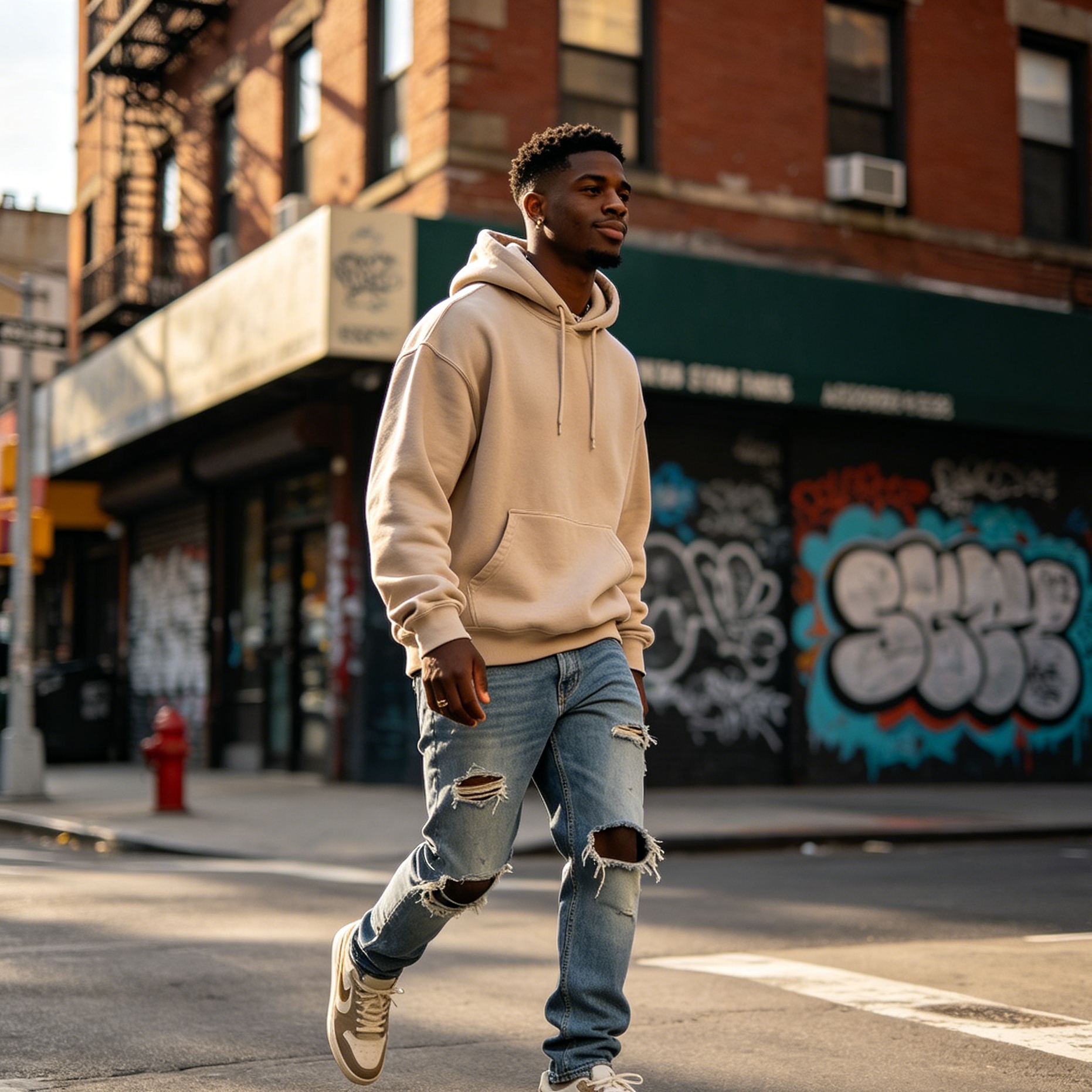
Male-targeted brands are increasingly adopting pastel colour, particularly in tailoring and sportswear. A pale pink linen suit or a mint green tech-fleece jacket is no longer seen as unconventional. This shift represents a broader cultural movement toward a more nuanced and expressive version of masculinity.
Lighting Impacts on Pastel Perception
The most critical factor in the success of a pastel colour scheme is lighting. Because pastels are so close to white, they are highly sensitive to the colour temperature of the light source.
- Natural North Light: Tends to be cool and bluish. It can make pastel blues and greens look crisp but may make pastel pinks and yellows look dull or grey.
- Natural South Light: Warm and golden. It enhances the warmth in peach and cream tones but can wash out very pale blues.
- Artificial Warm Light (2700K): Accentuates yellow and orange undertones, making pastels feel cozy but potentially "muddy."
- Artificial Cool Light (4000K-5000K): Ideal for digital workspaces, it keeps pastels looking clean and true to their intended hue.
Maintenance and Longevity of Pastel Surfaces
One practical consideration for pastel colour is its susceptibility to visible wear and tear. On physical surfaces like upholstery and walls, light colours show dirt, scuffs, and fading more readily than darker tones.
In 2026, advancements in material science have led to "performance pastels." These are fabrics and paints treated with nanotech coatings that repel liquids and resist UV fading. When choosing pastel colour for high-traffic areas, it is advisable to look for these performance ratings to ensure the longevity of the aesthetic.
Furthermore, when repairing or repainting, it is essential to keep a record of the exact colour formula. Because pastels have such a high percentage of white, even a tiny variation in the pigment can result in a visible patch when doing touch-ups.
Conclusion: The Future of the Pastel Aesthetic
As we look beyond 2026, the trajectory of pastel colour suggests a continued integration into the core of design philosophy. It is no longer a seasonal trend but a fundamental response to the human need for soft, manageable environments. Whether it is through the bioluminescent greens of sustainable tech or the comforting blushes of our living spaces, pastel colour provides a canvas for a more thoughtful and balanced way of living.
By mastering the technical balance of these hues and understanding their psychological power, designers can create experiences that are not only visually stunning but also emotionally resonant. The power of pastel colour lies in its ability to be both present and unobtrusive, providing a backdrop for life that is as elegant as it is enduring.
-
Topic: Exploring the Charm of Pastel Colors: Definitions and Design Tipshttps://blog.depositphotos.com/pastel-colors.html
-
Topic: What are the pastel shades Colours?https://www.colorwithleo.com/what-are-the-pastel-shades-colours/
-
Topic: Pastel Colors: Creative Color Palettes and When to Use Themhttps://www.shutterstock.com/blog/use-pastel-colors-designs?amp=1