Home
Sample Eulogies for a Daughter to Honor Her Mother
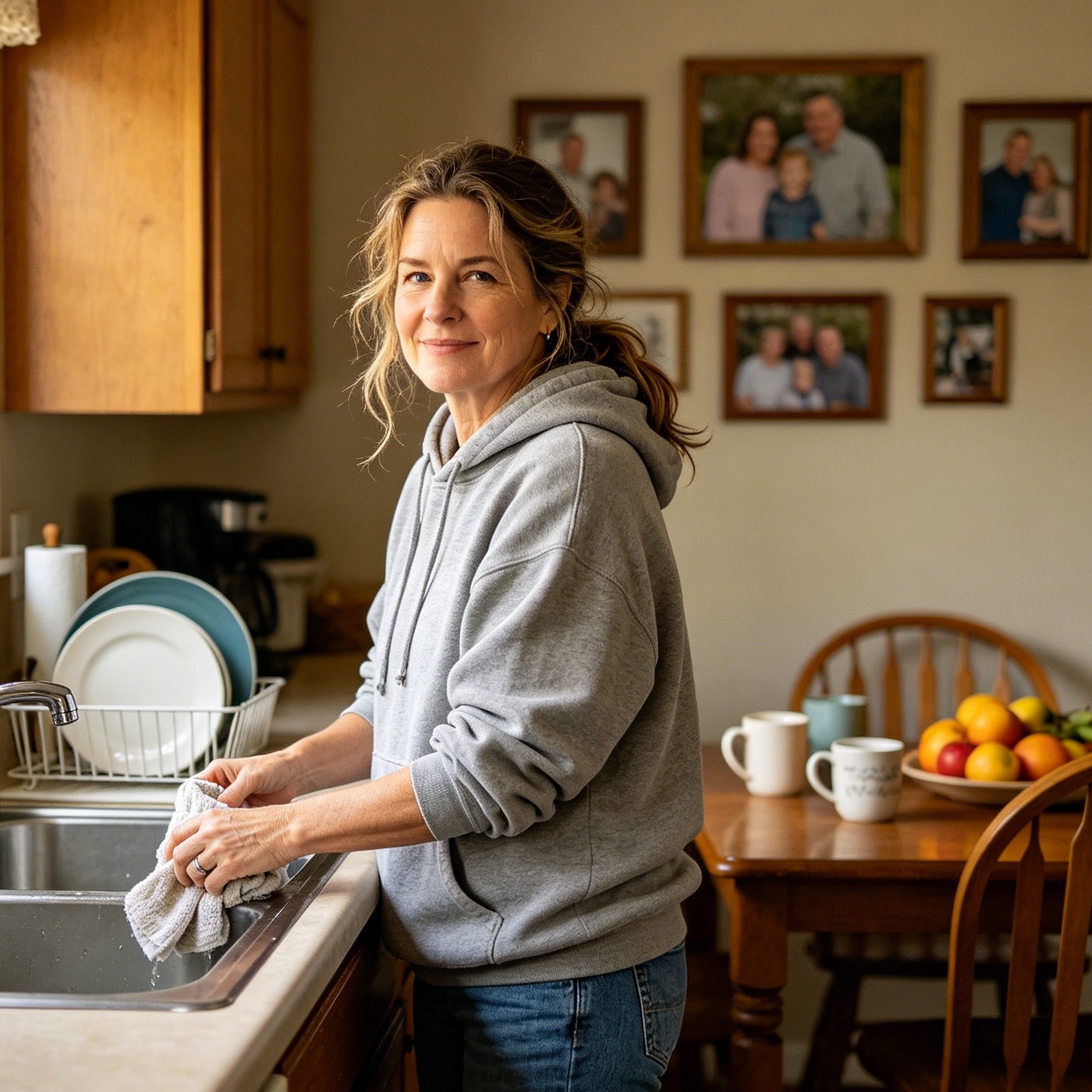
A eulogy is one of the most significant speeches a person will ever deliver. When that speech is for a mother, delivered by her daughter, it carries a unique weight of shared history, unspoken understanding, and a legacy that literally lives on through the speaker. The most effective eulogies avoid being a dry list of biographical dates. Instead, they focus on the "dash"—the period between the birth date and the passing date—where the real life, laughter, and character resided.
This resource provides specific, heartfelt samples and a structured framework to help you navigate the process of writing a tribute that captures your mother’s unique spirit.
Understanding the Structure of a Powerful Eulogy
Before looking at specific samples, it is essential to understand the emotional architecture of a eulogy. Most successful tributes follow a five-part structure that guides the audience through the journey of grief toward a celebration of life.
- The Opening and Acknowledgment: State your name and your relationship to your mother. Acknowledge those who have traveled to be there. This section grounds the room and establishes your perspective.
- The Essence of Character: Define her in a few descriptive words. Was she a force of nature? A quiet harbor? A pragmatic problem-solver?
- The "Show, Don't Tell" Anecdote: This is the heart of the speech. Instead of saying she was "kind," tell a story about a time her kindness changed a situation.
- The Legacy and Impact: Describe how she shaped you and what she leaves behind in the world.
- The Final Farewell: A direct address to your mother, offering peace and a final word of love.
Sample Eulogy for a Traditionally Loving Matriarch
This sample is designed for a mother who was the cornerstone of the family—someone whose life revolved around nurturing, tradition, and the home.
The Speech
"Good morning, everyone. For those who don’t know me, I am Sarah, Elena’s youngest daughter. I want to thank you all for being here. Looking out at this room, I see faces from every chapter of my mother’s life—neighbors from twenty years ago, colleagues, and family who have traveled across the country. Your presence here is the greatest testament to the love she gave so freely.
If I had to describe my mother in one word, it would be 'warmth.' Not just the warmth of her kitchen, which always smelled like cinnamon and roasted coffee, but the warmth of her spirit. She had this incredible ability to make a complete stranger feel like the most important person in the room within five minutes of meeting them.
I remember one Saturday when I was about ten years old. It was raining, and she was supposed to be resting because she was coming down with a cold. But our neighbor’s dog had gotten out, and Mrs. Gable was distraught. My mom didn’t hesitate. She put on her yellow raincoat, grabbed a bag of bacon treats, and spent three hours in the mud until that dog was safely back home. She didn’t do it for praise; she did it because, in her world, if someone was in trouble, you moved. That was her 'dash'—the space between self and service.
She taught me that strength isn't always loud. It’s the quiet resilience of showing up every single day. She showed me how to be a woman who is both soft and unbreakable. As I look at my own daughters today, I see her eyes, her stubborn chin, and her habit of humming while she works. She isn't gone; she has simply moved into the hearts of the people she molded.
Mom, thank you for being my first home. We will keep the coffee pot on for you. Rest now, we have it from here. I love you."
Why This Sample Works
This eulogy succeeds because it uses a sensory anchor (the smell of cinnamon and coffee) to immediately bring the audience into a shared memory. The anecdote about the neighbor’s dog "shows" her character rather than just "telling" us she was helpful. It also bridges the past to the future by mentioning the grandchildren, illustrating the concept of a living legacy.
Short and Meaningful Eulogy Under Three Minutes
Sometimes, the weight of grief makes a long speech impossible. A short, focused tribute can be just as impactful—if not more so—than a long one.
The Speech
"Hi everyone, I’m Maya, Clara’s daughter. My mom always said that if you can’t say it in three minutes, you’re talking too much, so I’ll try to honor her wishes.
My mother was a woman of few words but enormous action. She believed that love was a verb. You saw her love in the way she meticulously mended our clothes, in the way she never missed a single soccer game in fifteen years, and in the way she kept a notebook of every friend's birthday.
The greatest lesson she taught me was the value of 'showing up.' Whether life was easy or incredibly hard, she was there. She was my steady north star. I will miss our Sunday morning phone calls and her unsolicited, but usually right, advice.
Mom, you were my best friend and my greatest hero. Thank you for the life you gave me. I will carry your courage with me every day. Rest in peace."
Analysis of Brevity
In this version, the speaker uses directness to reflect the mother's own personality ("a woman of few words"). This creates an authentic connection between the subject and the speech style. By focusing on a single theme—"showing up"—the speech feels complete despite its short length.
Addressing a Complicated Mother-Daughter Relationship
Not all relationships are perfect. When a bond was strained or complex, writing a eulogy requires honesty tempered with dignity. You do not have to pretend things were perfect to honor a life.
The Speech
"Hello, I am Jessica, Linda’s daughter. Writing this has been a journey through many different emotions. As many of you know, my mother and I didn't always see eye to eye. We were both stubborn, both fiercely independent, and we often clashed because we were, perhaps, too much alike.
But today, I want to speak about the truth of who she was. My mother was a survivor. She faced challenges in her early life that would have broken many people, yet she forged ahead with a grit that I have come to deeply admire. She wasn't always able to express love in the ways I expected, but as I’ve grown older, I’ve recognized the love in the practical things she did—ensuring I had a good education, pushing me to be self-sufficient, and never letting me settle for less than my worth.
She taught me how to stand my ground. She taught me that you can be difficult and still be deserving of respect. In our later years, we found a quieter place, a place of understanding that didn't need a lot of words. I am grateful for that peace.
Mom, I recognize the fire you carried, and I thank you for passing a spark of it to me. I hope you have found the stillness you searched for. Goodbye."
Navigating Complexity
This sample handles a difficult relationship by focusing on shared traits and respect. It acknowledges the friction ("we often clashed") without airing private grievances. It finds the "virtue in the flaw"—viewing stubbornness as "grit" and "independence." This provides a path for the daughter to be honest while still being respectful of the occasion.
A Humorous Celebration of Life Tribute
If your mother was the "life of the party" or had a sharp wit, a somber, weeping eulogy might feel out of place. Humor can be a powerful tool for healing.
The Speech
"My name is Chloe, and I am the proud daughter of the woman who once tried to return a half-eaten cake to the bakery because it 'didn't spark enough joy.' That was my mom, Diane.
She was vibrant, she was loud, and she was almost always late. If she were here today, she’d probably be critiquing my outfit and wondering why we aren't serving better appetizers. But that was her charm. She lived life at full volume.
One time, we were driving to a wedding and got hopelessly lost in a rural area with no cell service. Instead of panicking, she turned up the radio, started a sing-along to 80s pop, and convinced a local farmer to give us a tour of his barn while we waited for a tow truck. She turned a disaster into a highlight reel.
She taught me that life is too short to worry about the small stuff, and that a good laugh is better than any medicine. She was a whirlwind of energy, and the world feels a little too quiet today without her.
Mom, I hope they have a great dance floor wherever you are. I’ll try to be at least five minutes early to things from now on, just for you. We love you."
The Role of Humor
This speech works because the humor is affectionate. It highlights "endearing quirks" (the cake, being late) that everyone in the room likely recognizes. Humor creates a "relief valve" for the tension of a funeral, allowing people to remember the joy the person brought into their lives.
How to Gather Memories for Your Eulogy
If you are staring at a blank page, the following prompts can help trigger the specific memories that make a eulogy special. In our experience, the best details are often the smallest ones.
- The "Everyday" Image: What was she doing when she was most at peace? (e.g., weeding the garden, reading with a cat on her lap, organizing her spice rack).
- The "Safe" Memory: Where did you go when you were sad or scared as a child? How did she react?
- The "Saying": Was there a phrase she repeated constantly? Even if it was something annoying like "Close the door, we aren't heating the whole neighborhood," these phrases are the fingerprints of her personality.
- The "Lesson": What is one thing you do today—a way you cook, a way you handle stress—that you know you learned specifically from her?
Essential Tips for Delivering a Heartfelt Eulogy
Writing the speech is only half the battle. Delivering it requires a different set of skills. Based on feedback from many who have stood at that podium, here are the most effective ways to manage the moment:
1. The 5-Minute Rule
Aim for 500 to 1,000 words. This typically takes 3 to 7 minutes to speak. Any longer, and you risk losing the audience's focus during a very emotional time. Any shorter, and it may feel abrupt.
2. Print It Large
Do not read from a phone screen. Notifications can pop up, or the screen could dim. Print your speech in 14 or 16-point font with double spacing. This allows you to look up at the audience and easily find your place again.
3. The "Glass of Water" Trick
If you feel yourself starting to cry uncontrollably, take a sip of water. This gives you a physical pause, allows your throat to relax, and gives the audience a moment to process their own emotions. It is a natural "reset" button.
4. Focus on a Friendly Face
If looking at the whole crowd is overwhelming, pick one or two supportive friends or family members in the front rows and speak directly to them.
5. It is Okay to Break Down
The most important thing to remember is that you are not giving a performance. You are sharing your heart. If your voice cracks or you have to stop for a moment, it only highlights the depth of your love. The audience is entirely on your side.
How to Customize a Template for Your Mother
To make these samples truly yours, you must swap out the generalities for specifics. Use the "Search and Replace" method for your memories:
- Instead of "She was a good cook": Say, "She made a lasagna that could settle any family argument."
- Instead of "She loved nature": Say, "She spent every April morning watching the bluebirds return to the feeder she built herself."
- Instead of "She was hard-working": Say, "I remember seeing the light under her office door at 2 AM as she studied for her nursing degree while we were all asleep."
Common Mistakes to Avoid When Writing About Your Mother
- Listing a Resume: Avoid reading a list of her jobs and awards. People want to know who she was, not just what she did.
- Ignoring the Audience: While the speech is about her, remember to acknowledge the collective loss of everyone in the room.
- Too Many Inside Jokes: One or two are fine, but if the audience doesn't understand the context, they will feel excluded from the tribute.
- Over-Idealization: No one is a saint. Adding one or two gentle "flaws" or quirks makes the portrait much more realistic and touching.
Summary of Crafting the Perfect Tribute
Writing a eulogy for your mother as her daughter is an act of love and a significant part of the healing process. By focusing on the "dash"—the lived experience between the dates—you can create a tribute that feels authentic. Whether you choose a traditional, short, or humorous approach, the key is to include specific anecdotes that "show" her character. Remember to keep the delivery manageable by printing the text in a large font and allowing yourself the grace to be imperfect during the service.
Frequently Asked Questions
How long should a daughter's eulogy for her mother be?
Ideally, it should be between 3 and 5 minutes. In terms of word count, this is approximately 500 to 750 words. This is enough time to share two meaningful stories and a closing thought without overwhelming the service schedule.
Can I mention my mother’s struggles or illness in the eulogy?
Yes, but it should not be the focus. Acknowledging a brave battle with illness can be a powerful way to show her strength. However, the eulogy should primarily celebrate her life and who she was before the illness, rather than detailing the clinical aspects of her passing.
What if I am too emotional to finish the speech?
It is highly recommended to have a "backup reader." This can be a sibling, a cousin, or a close friend who has a copy of your speech. If you find you cannot continue, they can step up and finish the reading for you. Just knowing they are there often provides enough comfort to help you finish it yourself.
Should I include a poem or a religious scripture?
If your mother had a favorite poem, song lyric, or Bible verse, including it at the end of the eulogy can be a beautiful way to close. It provides a familiar anchor for the audience and honors her specific beliefs or tastes.
Is it appropriate to be funny in a eulogy for a mother?
Absolutely. If humor was a part of your relationship, it should be a part of her eulogy. Laughter is a significant part of how we bond, and sharing a funny story can help celebrate her personality and bring comfort to the mourners.
-
Topic: How to Write a Eulogy for Your Mother - Eulogy Examples & Tips - Eulogy Assistanthttps://eulogyassistant.com/how-to-write-a-eulogy-for-your-mother-eulogy-examples-tips/
-
Topic: 8 Heartfelt Mother Eulogy Examples (2025)https://www.eulogywriters.co/examples/mother
-
Topic: Eulogy for a mother from her daughter - 5 short loving exampleshttps://www.write-out-loud.com/eulogy-for-mother-from-daughter.html