Home
Home
Stop Over-Editing: How I Actually Edit the Pic for a Clean Look
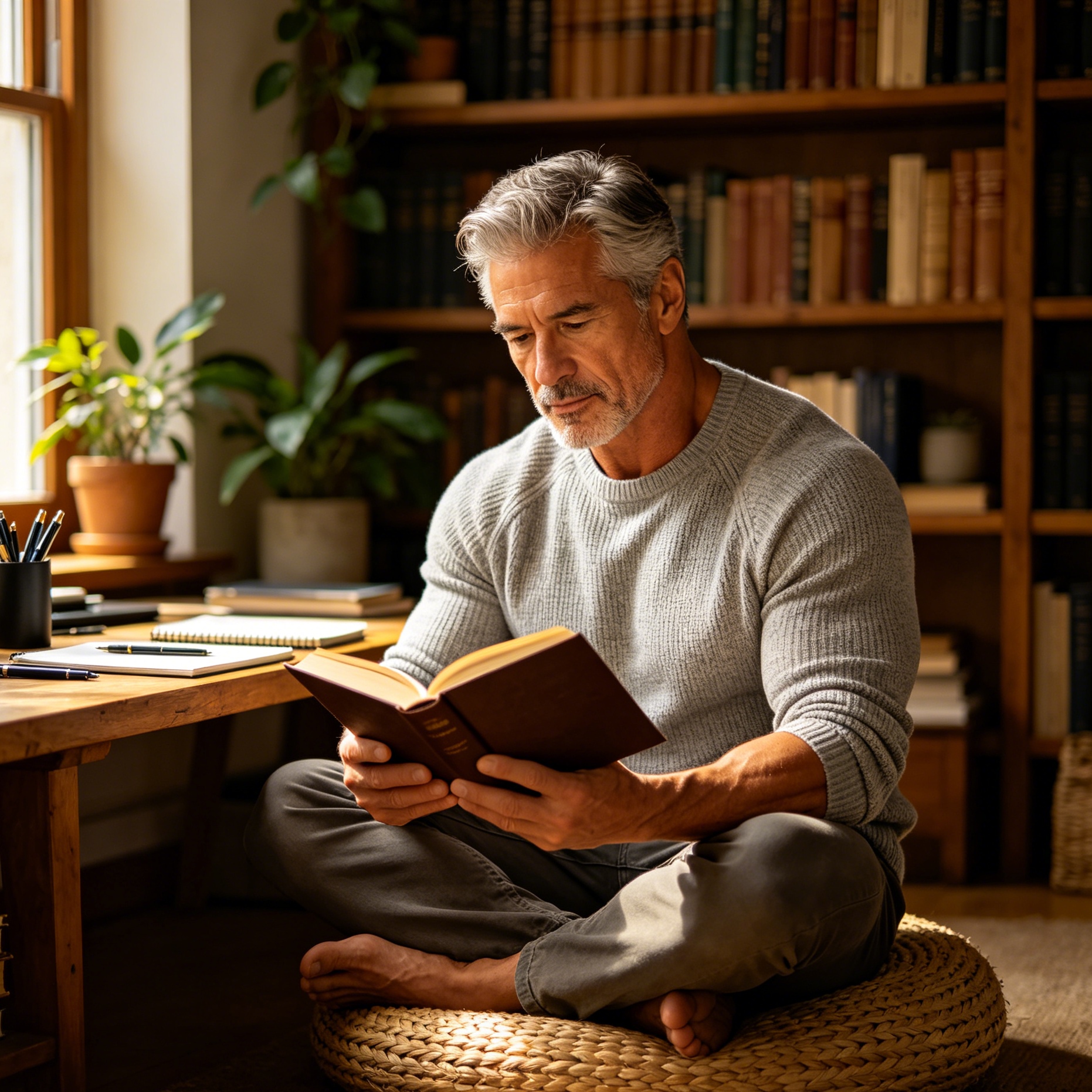
Most images today suffer from a common terminal illness: they look "processed." We’ve all seen them—sky gradients that look like plastic, skin so smooth it belongs in a wax museum, and colors that scream for attention but say nothing. By 2026, the novelty of aggressive AI filters has worn off. The trend has shifted back to the "clean look," where the hand of the editor is invisible, yet the image feels undeniably premium.
When I sit down to edit the pic, whether it’s for a high-traffic blog post or a quick social update, I follow a specific mental model. It isn’t about using every tool in the tray; it’s about knowing which three will make the other twenty redundant. Here is the exact workflow I use to transform raw captures into polished, professional visuals without losing the soul of the original shot.
The Foundations: Light and Logic
Before touching a single slider, look at the histogram. Most people ignore this little graph, but it’s the only objective truth you have. If your highlights are clipped (hitting the right edge), no amount of AI can perfectly recover that data.
The "Subtlety First" Exposure Fix
In my typical workflow, I don’t touch the Global Exposure slider first. Instead, I go straight to the Highlights and Shadows. In the current version of mobile editors like Lightroom or even high-end web tools like Pixlr E, the dynamic range recovery algorithms are incredibly sophisticated.
- Highlights: I usually pull these back to around -25 to -40. This brings detail back into the clouds or the bright side of a face.
- Shadows: I bump these up to +15. Any higher and you risk introducing digital noise in the dark areas, making the photo look muddy.
- The Secret Sauce (Blacks & Whites): Hold your finger on the screen (or Alt/Option on a desktop) while moving the Blacks slider. Pull it left until you just start to see black dots appear. This sets your true black point, giving the image "bite" without making it look like a high-contrast mess.
AI Integration in 2026: The Generative Leap
Editing the pic in 2026 is fundamentally different than it was two years ago because of how we handle distractions. We no longer spend twenty minutes with a Clone Stamp tool trying to hide a trash can or a stray power line.
Generative Object Removal
Whether you’re using Adobe’s latest Firefly-powered engine or the open-source Stable Diffusion plugins, the rule is the same: Context is King. When I need to remove an object, I don’t just brush over the object itself. I brush slightly outside its borders. This allows the AI to understand the texture of the surrounding pavement or wall, ensuring the light fall-off remains consistent.
In a recent test on a street photography project, I used a new "Awareness Fill" tool to remove a car from the background. Older tools would leave a blurry smudge. The current tech actually "imagines" the storefront behind the car based on the architectural style of the rest of the street. It’s terrifyingly efficient, but you must check the edges. AI often struggles with where an object meets the ground, sometimes creating "floating" shadows that scream "fake."
Generative Expand: The Composition Savior
We’ve all been there: you have a great vertical shot but need a horizontal header for a website. In the past, you’d crop it and lose half the subject. Now, I use Generative Expand. When I edit the pic to fit a 16:9 ratio, I let the AI build out the sides.
Pro Tip: Don’t try to expand into complex patterns. AI handles grass, sky, and simple brickwork flawlessly. It struggles with text on signs or specific human anatomy in the periphery. If the expansion looks wonky, apply a slight Gaussian blur (approx. 2-3 pixels) to the expanded areas to simulate natural lens bokeh.
Color Grading: Beyond the Filter
Filters are the fast food of the editing world—fine in a pinch, but they all taste the same. If you want a signature look, you need to understand the HSL (Hue, Saturation, Luminance) panel.
The "Clean" Color Palette
To get that high-end, editorial feel, I focus on three specific color adjustments:
- Skin Tones (Oranges/Reds): I rarely touch the saturation of oranges. Instead, I increase the Luminance. This makes skin look like it’s glowing from within rather than being tanned by a machine.
- The "Green" Problem: Digital cameras often produce a very neon, artificial green in foliage. I shift the Green Hue toward Yellow (making it warmer) or toward Cyan (making it forest-like), and then I drop the Saturation of Greens by at least -30. This instantly makes an outdoor shot look more expensive.
- Blue Neutralization: Unless the sky is the subject, overly blue skies distract the eye. I shift Blue Hues slightly toward Aqua and drop the Saturation. This prevents the "cheap polaroid" look.
Advanced Relighting: The New Frontier
As of 2026, "Neural Relighting" is the biggest game-changer. We can now effectively move the light source after the photo is taken.
When I edit the pic and find the subject's face is too flat, I use a radial gradient coupled with an AI Light Map. I place the light source at a 45-degree angle to the subject. This doesn't just brighten pixels; it calculates how shadows would fall across the nose and jawline.
- Intensity: Keep it at 20-30%.
- Fall-off: Keep it soft.
If you overdo this, the subject will look like a 3D render. The goal is to simulate the look of a $2,000 strobe light when you only had natural sunlight.
The Workflow for Portraits: Experience-Driven Retouching
I’ve spent thousands of hours staring at pores. Here’s the truth: nobody wants a blurry face. The "Skin Smoothing" slider is your enemy if used globally.
Localized Texture Management
Instead of a global blur, I use a "Texture" slider with a negative value, but only applied via a mask to the cheeks and forehead.
- Texture: -15 (Softens skin without losing the pores).
- Clarity: +5 (Adds definition to the eyes and hair).
- Dehaze: Use this sparingly on the eyes to make them "pop." Just a +10 on the iris can change the entire mood of a portrait.
Technical Specifics: Exporting for the Modern Web
Everything you’ve done is useless if you export the file incorrectly. In 2026, the battle between JPEG and newer formats like WebP or AVIF is mostly over for professional creators.
- Format: I always export in AVIF for web use. It maintains the highest detail at the smallest file size, which is crucial for SEO and user experience.
- Color Space: Stick to sRGB. While Display P3 is beautiful on high-end monitors, sRGB ensures that the guy looking at your pic on a five-year-old budget phone sees the same colors you do.
- Bit Depth: If your original was a RAW file, stay in 16-bit as long as possible during the edit. Only downsample to 8-bit during the final export. This prevents "banding" in the sky.
Common Mistakes to Avoid
In my years of reviewing content, these are the three things that immediately flag an amateur edit:
- Over-Sharpening: High-frequency noise is often mistaken for "detail." If you see white halos around dark objects (like tree branches against a sky), you’ve sharpened too much. Dial it back.
- Vignette Abuse: A subtle vignette draws the eye to the center. A heavy black border looks like a 2012 Instagram throwback. If you use a vignette, increase the "Feather" to 100.
- Ignoring White Balance: Auto-white balance is usually "fine," but "fine" isn't "great." Warm up your indoor shots by 200-300 Kelvin to make them feel more inviting. Cool down your tech or product shots to make them feel more "precise."
Summary: The Final Check
Before you hit "Save," there is one final step I always take: the Toggle Test.
Turn all your edits off and then back on. Does the image still look like the scene you remember? Does it feel better, or just different? If it feels "heavy," I go back and reduce the opacity of my entire edit stack by 20%.
Editing the pic is not about fixing a bad photo; it’s about revealing the best version of the good photo you already have. With the AI tools of 2026 at our disposal, the limitation is no longer technical skill—it is aesthetic restraint. Use the AI to do the heavy lifting of cleaning the frame, but use your own eyes to decide the mood.
Now, open your favorite editor, grab that raw file, and remember: if it looks like you edited it, you aren't finished yet.
-
Topic: Photo Editing with Pixlr Ehttps://www.midlibrary.org/portals/0/pixlr_handout.pdf
-
Topic: Adjust a specific part of an imagehttps://helpx.adobe.com/photoshop/mobile/edit-images/transform-and-crop/adjust-a-specific-part-of-an-image.html
-
Topic: How can I edit an image?https://trucoteca.com/en/como-puedo-editar-una-imagen/