Home
Home
The Cultural Shift Behind AI Lesbian Content Trends on Instagram
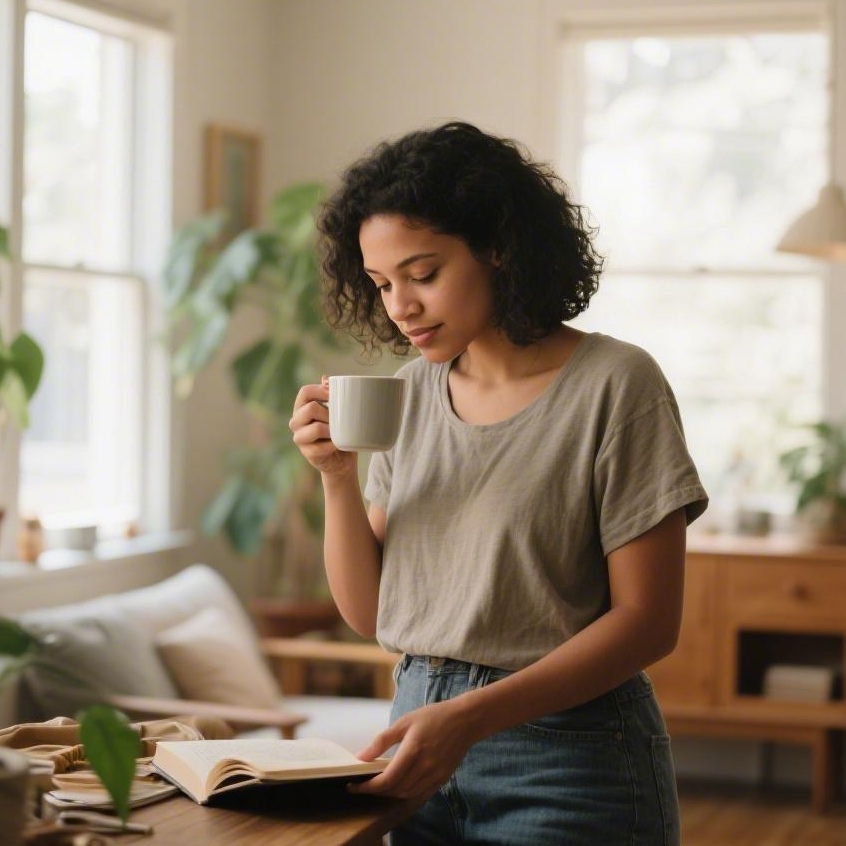
The digital landscape of Instagram is currently experiencing a surge in AI-generated imagery and video content centered on queer identities, specifically under the umbrella of "AI lesbians." This trend is not a singular movement but a multifaceted convergence of generative technology, niche aesthetic marketing, and a growing demand for idealized digital representation. From hyper-realistic virtual influencers to cinematic romantic narratives, AI-generated content is reshaping how the LGBTQ+ community interacts with social media visuals.
The phenomenon typically presents itself in three distinct forms. First, as highly curated virtual personas that mimic the lifestyle of human influencers. Second, as "slice-of-life" digital storytelling that uses AI video tools to create short, atmospheric films of fictional couples. Third, as artistic exploration where creators use tools like Midjourney or Stable Diffusion to visualize queer experiences that have historically been underrepresented in mainstream media.
The Three Pillars of AI Generated Queer Media on Instagram
To understand the scope of this trend, one must categorize the types of accounts populating the platform. These accounts leverage different aspects of artificial intelligence to capture user attention and drive engagement.
1. Virtual Influencers and Lifestyle Personas
Virtual influencers are fictional characters created through AI that post content mimicking a real human's daily life. In the context of "AI lesbians," these accounts often feature a consistent pair of characters or a single queer-identified digital persona. They post gym selfies, travel photos, and "candid" shots of domestic life.
The social engineering behind these accounts is sophisticated. By using techniques like LoRA (Low-Rank Adaptation) to maintain character consistency across different images, creators can build a "personality" that followers feel they know. These personas often participate in trending challenges or use popular audio, further blurring the line between synthetic and organic content.
2. Cinematic Romantic Storytelling
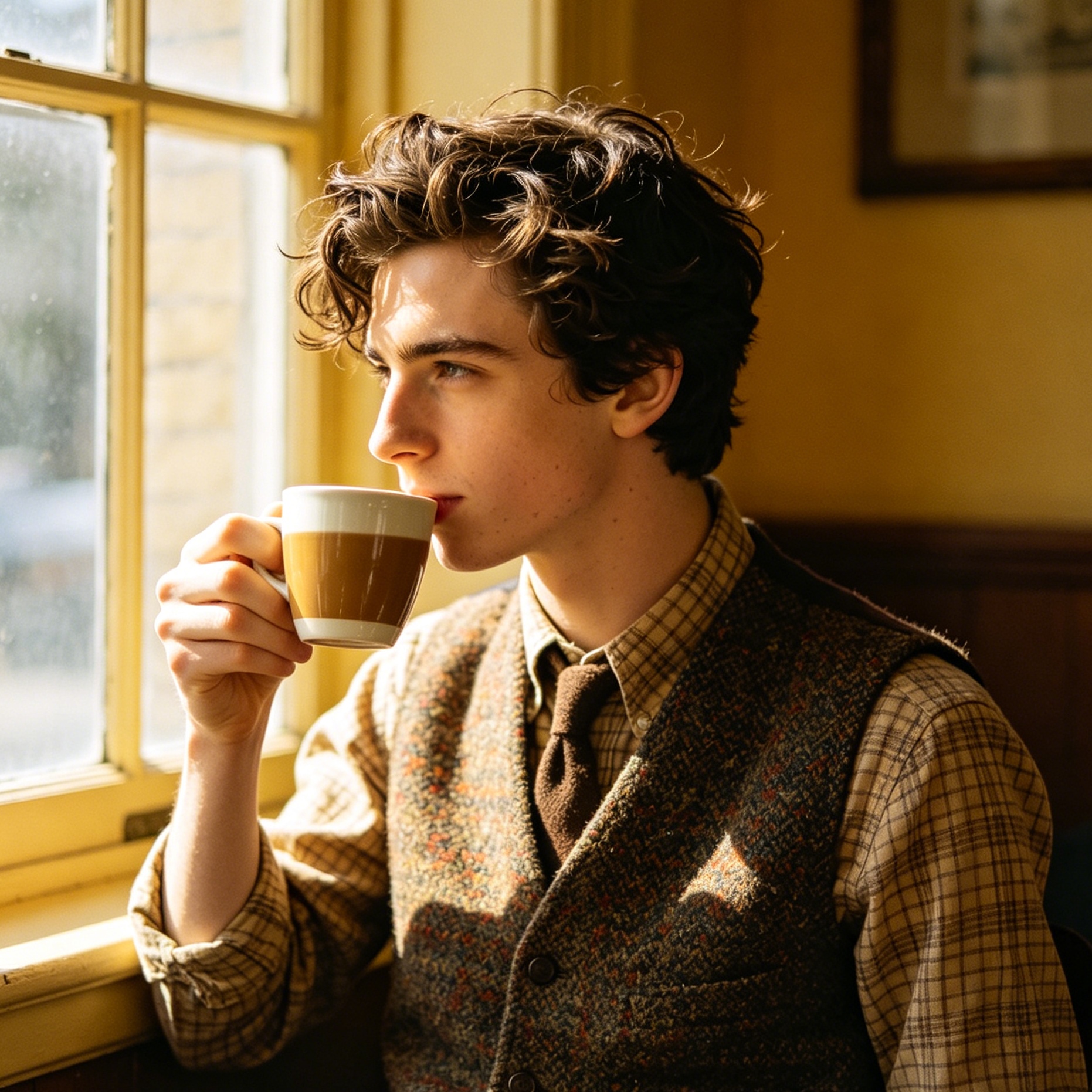
This category focuses less on the individual "influencer" and more on the emotional atmosphere. These creators use AI video generators to produce short, high-fidelity clips of lesbian couples in romantic or melancholic settings. The aesthetic is often characterized by "soft focus," "golden hour lighting," and "film grain," drawing heavily from cinematic tropes found in queer cinema.
The primary goal here is mood-setting. These posts often function as digital "mood boards" or fan-fiction-style visualizers, attracting audiences who seek a specific, idealized version of romantic representation.
3. Digital Art and Representational Exploration
For many LGBTQ+ artists, AI serves as a tool to bypass the high costs of professional photography and film production. This trend involves using generative AI to create high-concept art that depicts lesbian joy, history, or futuristic themes. Unlike "AI slop"—a term used for low-quality, generic AI images—this pillar focuses on intentionality, where prompts are meticulously crafted to produce specific cultural and emotional nuances.
Why This Trend Is Gaining Momentum
The popularity of AI lesbian content on Instagram is driven by several technological and sociological factors. It is not merely a novelty; it is a response to the current state of social media algorithms and the human desire for aesthetic perfection.
The Algorithm’s Affinity for High-Contrast Aesthetics
Instagram’s recommendation engine prioritizes high-quality, visually striking imagery. AI generators are inherently designed to produce "perfect" images—vibrant colors, flawless skin, and ideal lighting. Because AI can generate thousands of these images in the time it takes a human to edit one photograph, AI-led accounts can maintain a high posting frequency, which is rewarded by the platform’s algorithm.
Filling the Representation Gap
Historically, queer media has faced barriers in traditional publishing and entertainment industries. AI lowers the barrier to entry. A creator without a camera, a studio, or models can now "direct" a photo shoot involving diverse queer characters. This democratization of visual production allows for the creation of content that reflects specific sub-cultures within the lesbian community that are often ignored by mainstream advertisers.
The Appeal of the "Uncanny Valley" and Digital Escapism
There is a unique psychological draw to hyper-realistic AI. While the "uncanny valley" (the feeling of unease caused by things that look almost human but not quite) exists, many users find a form of escapism in the flawless, dreamlike quality of AI-generated couples. It provides a visual perfection that real life rarely matches, functioning similarly to high-fashion magazines or fantasy films.
The Technical Foundations of AI Content Generation
Creating high-quality AI lesbian content on Instagram requires more than just a simple text prompt. Professional-grade creators utilize a complex stack of technologies to ensure their content stands out.
Prompt Engineering and Aesthetic Control
The quality of an AI image is dictated by the prompt. Creators often use "weighted prompts" to emphasize certain characteristics. For example, to achieve a specific "Sapphic" aesthetic, a creator might use terms like "tender gaze," "muted earth tones," "natural linen textures," and "cinematic backlighting."
The use of "negative prompts" is equally important. These tell the AI what not to include, such as "extra fingers," "deformed limbs," or "cartoony style," ensuring the result looks like a professional photograph rather than a digital artifact.
Achieving Character Consistency with LoRAs
The biggest challenge in AI social media is keeping the characters looking the same in every post. If a "virtual couple" looks like different people in every photo, the audience cannot form an emotional connection.
Advanced creators solve this by training a LoRA (Low-Rank Adaptation) on a set of generated images. This acts as a "character mask" that can be applied to any new prompt, ensuring the facial structure, hair color, and body type of the AI persona remain consistent across various settings, from a beach in Bali to a cozy coffee shop.
Image-to-Video and Motion Interpolation
The most recent shift on Instagram is the move toward video. Tools that allow for "Image-to-Video" generation enable creators to take a static, hyper-realistic portrait of a lesbian couple and add subtle movements—blinking, wind blowing through hair, or a gentle touch. This adds a layer of "living" reality to the content that static images cannot match.
Ethical Considerations and the Authenticity Debate
As AI content becomes more prevalent, it brings significant ethical questions to the forefront of the queer community’s digital spaces.
The Problem of "Digital Queerbaiting"
Queerbaiting is a term traditionally used when media creators hint at, but do not depict, same-sex romance to attract an LGBTQ+ audience. In the realm of AI, a new form of this emerges. Commercial entities or anonymous creators may use AI to generate "lesbian" content solely to harvest engagement and data from the community, without having any real ties to or investment in LGBTQ+ rights. This leads to a commodification of queer identity by non-queer actors.
Displacing Real Creators
There is a growing concern that AI influencers will take sponsorship opportunities away from real LGBTQ+ creators. If a brand can "hire" an AI persona that never ages, never gets into controversy, and costs nothing to maintain, real human influencers who rely on these partnerships for their livelihood may be pushed out of the market.
The Erosion of Truth in Digital Media
The hyper-realism of AI makes it difficult for the average user to distinguish between a real couple sharing their life and a synthetic creation. This can lead to a sense of betrayal among followers when they realize the "community" they were engaging with is entirely algorithmic. Transparency remains a hot-button issue, with many calling for mandatory "AI-generated" labels on all such content.
How to Spot AI-Generated Accounts on Instagram
For users who want to ensure they are supporting real human creators, there are several visual and behavioral tells that identify AI-generated content.
1. Anatomical Inconsistencies
Despite rapid improvements, AI still struggles with complex human anatomy. Look closely at the hands and feet. Common errors include:
- An incorrect number of fingers or toes.
- Fingers that blend into one another or into objects (like a coffee cup).
- Inconsistent limb lengths or joints that bend in unnatural ways.
2. The "Airbrushed" Texture
AI images often have a specific "sheen." The skin texture may look too perfect, lacking natural pores, fine lines, or asymmetrical features. The hair may also appear as a single, flowing mass rather than individual strands, or it may "melt" into the character’s clothing.
3. Background Anomalies
Check the background of the image. AI often fails to render text correctly (signs or books will have garbled, nonsensical characters). Architecture may also be illogical—stairs that lead to nowhere, windows that are crooked, or patterns on rugs and walls that shift inconsistently.
4. Behavioral Patterns
AI-led accounts often post with a frequency that is impossible for a human team without massive resources. Furthermore, their interactions in the comments are often generic or non-existent. They rarely post "behind-the-scenes" content or raw, unedited video of themselves speaking directly to the camera (unless using deepfake technology, which has its own set of jittery visual artifacts).
The Future of Virtual Identity in Queer Spaces
The trend of AI lesbian content on Instagram is likely just the beginning of a broader shift toward synthetic social media. As technology advances, the distinction between "real" and "virtual" will continue to thin.
Personalization and Interactive Storytelling
We may soon see accounts where followers can influence the "narrative" of an AI couple. Through polls and comments, the audience could decide where the characters go on vacation or how they handle a fictional conflict, creating a new form of interactive, community-driven fiction.
Integration with Augmented Reality (AR)
The next step for AI influencers is moving off the screen and into the real world. Through AR glasses or mobile apps, users might be able to "see" these virtual personas in their own environment, further integrating AI characters into the social fabric of daily life.
Summary of the AI Lesbian Trend
The rise of AI lesbian content on Instagram is a complex intersection of art, technology, and identity. It offers a new venue for representation and creative expression, allowing for the visualization of stories that were previously difficult to tell. However, it also poses risks regarding authenticity, the displacement of real creators, and the potential for commercial exploitation. As users navigate this new digital frontier, a balance of appreciation for the technology and a critical eye for authenticity will be essential.
Frequently Asked Questions
What does "AI lesbians" mean on Instagram?
It refers to several trends, including virtual influencers who identify as queer, AI-generated romantic short films, and digital art depicting lesbian couples and lifestyles created using generative AI tools.
Are these accounts run by real people?
While the images are generated by AI, there is always a human (or a team) behind the account who writes the prompts, manages the posting schedule, and handles the branding. However, the people shown in the images are not real.
Why do people create AI influencers instead of using real models?
AI is more cost-effective, allows for total creative control over the aesthetic, and can produce a high volume of content quickly. It also allows creators to remain anonymous while still building a large following.
Is AI art harmful to the LGBTQ+ community?
It is a double-edged sword. It provides representation and a creative outlet for many, but it can also be used for "queerbaiting" or to displace real queer creators from the market. Transparency about the use of AI is usually the key factor in how the community receives these accounts.
How can I tell if a lesbian couple on Instagram is AI-generated?
Look for anatomical errors like extra fingers, "perfect" skin without pores, nonsensical text in the background, and a lack of authentic, unedited video content or direct-to-camera speaking.
What tools are used to create this content?
Most professional-grade AI content on Instagram is created using Midjourney for high-quality stills, Stable Diffusion for character consistency (via LoRAs), and tools like Runway or Luma for adding motion to images.
Can I create my own AI lesbian art?
Yes, anyone can use AI generative tools. Success usually depends on "prompt engineering"—learning how to describe a scene, lighting, and camera style to the AI to get a specific aesthetic result.
-
Topic: AI Lesbian Photo: Romantic Lesbian Couple Photos & Prompts | Media.iohttps://www.media.io/ai/explore/zone/ai-lesbian-photo
-
Topic: Exploring the World of AI Lesbian Arthttps://craveu.ai/tags/ai-lesbian-art
-
Topic: AI Lesbian Porn Generator — Free, Uncensored | XChat AIhttps://xchatai.io/ai-lesbian-porn