Home
Home
The Evolution of Outpainting and How to Expand Your Images With AI Without Quality Loss
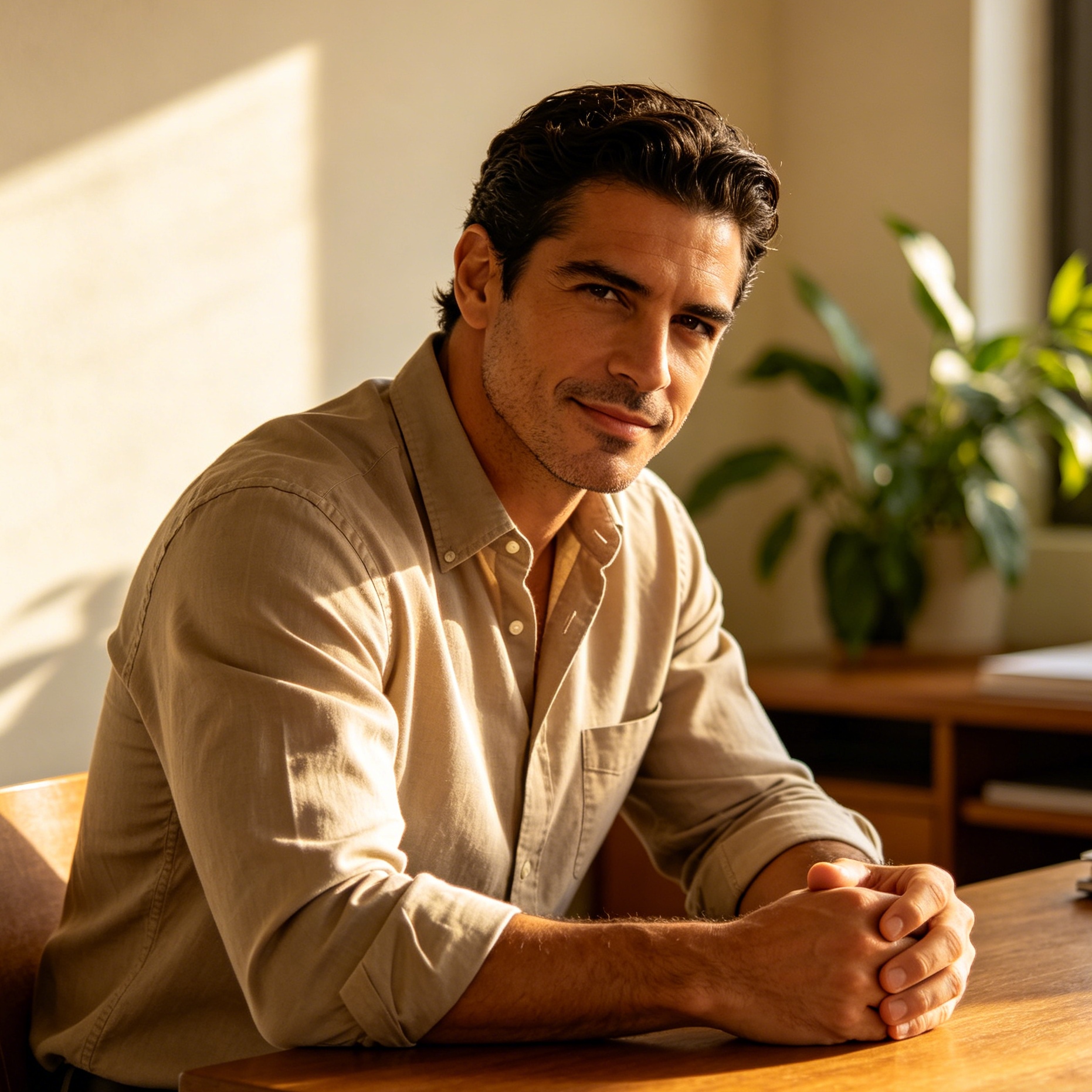
AI image expansion, technically known as outpainting, has transformed the landscape of digital photography and graphic design. Unlike traditional resizing methods that stretch pixels or crop essential details, AI-driven expansion intelligently generates new visual data that blends seamlessly with the original source. By analyzing textures, lighting, and composition, modern generative models can "imagine" what exists beyond the original frame of a photograph, allowing creators to change aspect ratios, fix poor framing, and build immersive environments from a single tight shot.
The demand for this technology has surged as creators need to adapt a single piece of content for multiple platforms—turning a vertical TikTok frame into a horizontal YouTube thumbnail or a square Instagram post into a cinematic website banner.
What is AI Image Expansion and How Does Outpainting Work?
At its core, AI image expansion is a generative process that utilizes deep learning architectures, most notably Diffusion Models and Generative Adversarial Networks (GANs). To understand how to expand your images with AI effectively, it is essential to recognize the stages the software goes through during the generation process.
Contextual Pixel Analysis
When an image is uploaded to an AI expander, the model first performs a high-resolution scan of the existing pixels. It identifies patterns in the environment, such as the direction of sunlight, the grain of wooden surfaces, or the specific blur of a shallow depth of field. This analysis ensures that the "new" pixels generated will not look like a disconnected patch but an organic extension of the original scene.
Predictive Synthesis
Once the context is established, the AI begins predictive synthesis. If you are expanding a photo of a beach, the AI predicts where the tide would naturally flow or how the clouds would continue across the sky. In 2025, advanced models have moved beyond simple pattern matching to understanding spatial geometry, allowing them to maintain correct perspective lines in architectural or street photography.
Seamless Blending and Inpainting
The final stage involves blending the transition zone between the original photo and the generated area. High-quality AI tools use a technique called "inpainting" at the borders to ensure there are no visible seams or color shifts, resulting in a cohesive high-resolution output.
Essential Use Cases for AI Generative Expand
The practical applications of expanding pictures with AI go far beyond mere novelty. Professional workflows now integrate outpainting to solve common creative roadblocks.
- Platform Adaptation: A common struggle for social media managers is having a stunning vertical portrait that needs to serve as a horizontal Facebook cover. AI expansion allows the background to fill the empty space without distorting the subject.
- Correcting Tight Crops: Sometimes a photographer captures the perfect expression but crops the subject too closely at the top or sides. Outpainting can reconstruct a bit of the hair, hat, or background to give the subject "room to breathe."
- Creating "Safe Zones" for Text: Marketers often need negative space in an image to overlay copy. By expanding a busy photo into a wider format, the AI can generate a clean, blurred background extension that is perfect for typography.
- Artistic World-Building: Concept artists use outpainting to expand a small sketch into a sprawling landscape, adding mountains, forests, or futuristic cities based on the style of the initial drawing.
Top AI Tools to Expand Pictures in 2025: A Practical Review
The market is currently split between professional-grade creative suites and accessible, browser-based tools. Here is an analysis of the most effective platforms available for expanding images.
Adobe Firefly and Photoshop: The Professional Standard
Adobe’s "Generative Expand" feature, powered by the Firefly model, remains the industry leader for precision. In our practical testing, Photoshop excels in maintaining stylistic consistency. For instance, when expanding a vintage film photograph, Firefly correctly replicates the specific film grain and chromatic aberration of the original lens.
The integration within the Crop Tool makes it incredibly intuitive. By simply dragging the handles outward and leaving the prompt box empty, the AI makes its own intelligent decisions. However, for those who want more control, Photoshop allows for specific prompts to guide the expansion—such as "add a mountain range in the distance."
- Experience Note: We observed that Photoshop handles complex lighting transitions (like shadows cast across a floor) significantly better than browser-based alternatives, though it requires a Creative Cloud subscription.
Canva Magic Expand: The Social Media Shortcut
Canva has democratized AI expansion for non-designers through its "Magic Expand" tool. It is specifically optimized for speed and standard social media aspect ratios (1:1, 16:9, 9:16).
In our workflow tests, Canva is the superior choice for "clean" backgrounds like skies, studios, or gradients. It is less effective at complex architectural reconstructions than Adobe, but for a quick Instagram Story fix, it is nearly unbeatable due to its one-click interface.
CapCut: The Best Free Option for Multi-Platform Content
CapCut has evolved into a powerhouse for both video and still image editing. Its AI Expand tool is particularly useful for creators who are already using the platform for video editing. It provides multiple versions of an expansion, allowing the user to pick the most realistic result.
One standout feature in CapCut is the "AI Design" panel, which allows for image-to-image transformations alongside expansion. While the free version is robust, the processing speed can be slower during peak usage times compared to paid enterprise tools.
Specialized Web Tools: Magnific and Getimg.ai
For those seeking the highest possible resolution, tools like Magnific have gained a reputation for "hallucinating" incredible detail. While traditional expanders might slightly blur the new edges, Magnific can upscale and expand simultaneously, adding intricate textures that weren't even in the original. This is particularly popular in the AI art community for creating ultra-high-definition wallpapers.
Step-by-Step Guide to Expanding Photos Using AI
While every software has a unique interface, the general workflow for expanding a picture with AI remains consistent across platforms.
Step 1: Prepare the Source Image
For the best results, start with a high-resolution, uncompressed file (PNG or TIFF). The AI needs a clear "seed" to understand the textures. If the original image is heavily pixelated, the AI will likely generate pixelated extensions to match.
Step 2: Define the New Canvas Size
In your chosen tool, use the "Crop" or "Resize" function to drag the boundaries of your canvas to the desired size. This creates a "blank" area around your photo that the AI will fill.
Step 3: Input Optional Prompts
If the tool provides a prompt box, you have two choices:
- Leave it empty: The AI will use its own logic to continue the scene. This is usually best for natural landscapes or simple backgrounds.
- Provide a description: Use descriptive language like "a cozy cafe interior with warm lighting" if you want to change the context of the photo during expansion.
Step 4: Generate and Iterate
Click the "Generate" or "Expand" button. Most tools will provide 2 to 4 variations. It is crucial to inspect the "seams"—the area where the old photo meets the new generation—to ensure there are no artifacts or weird repetitions.
Step 5: Post-Processing
Even the best AI expansion might need a quick touch-up. Use a healing brush or a blur tool to soften any edges that look too sharp or "generated."
Advanced Prompt Engineering for Better Outpainting Results
To get the most out of an AI image expander, you must learn how to talk to the model. Effective prompting can prevent the AI from making logical errors, such as placing a tree in the middle of a sidewalk.
Use Descriptive Adjectives
Instead of just saying "forest," try "dense coniferous forest with morning mist and soft sunbeams." The more adjectives you provide, the more the AI understands the mood and lighting it needs to match.
Specify Perspective and Lens Metadata
If you are an advanced user, mentioning the "focal length" can help the AI maintain the correct depth of field. For example, "expand with a shallow depth of field, 85mm lens style, bokeh background" tells the AI to keep the new areas blurred rather than sharp.
Avoid Contradictory Prompts
Ensure your prompt doesn't conflict with the existing image. If the original photo was taken at night, prompting for "bright sunny day" in the expansion will result in a jarring, unrealistic composite.
Comparing Free vs. Paid AI Image Expanders
Choosing the right tool often depends on your budget and how often you need to expand pictures.
| Feature | Free Tools (CapCut, Fotor Free) | Paid Tools (Photoshop, Canva Pro) |
|---|---|---|
| Resolution | Usually capped at 720p or 1080p | Up to 4K or 8K support |
| Processing Speed | Slower; often uses a queue system | Instant, high-priority GPU access |
| Customization | Limited prompt control | Full generative control and layers |
| Commercial Rights | Often restricted | Usually included for professional use |
| Batch Processing | Rarely available | Available in professional versions |
In our experience, if you are a casual user looking to fix a family photo, the free versions of tools like CapCut or specific web-based expanders are more than sufficient. However, for professional branding or high-stakes marketing, the consistency of Adobe Firefly is worth the investment.
Common Challenges and Pitfalls in AI Expansion
While the technology is impressive, it is not without its flaws. Understanding these limitations will help you manage your expectations and improve your results.
The "Hallucination" Effect
AI doesn't "know" facts; it predicts pixels. Sometimes, it may generate strange objects in the background—like a person with three arms or a car with five wheels. Always zoom in to 100% to check for these "AI hallucinations" before publishing.
Textual Inconsistency
AI is notoriously bad at generating legible text. If you expand an image that includes street signs or storefronts, the AI will likely create "gibberish" text on the new signs. It is best to avoid expanding areas where specific, readable text is required.
Repetitive Patterns
On very large expansions, some models fall into a "loop" where they repeat the same cluster of leaves or the same cloud pattern multiple times. To fix this, you may need to run a second generation over the repeated area with a new prompt to "break" the pattern.
Resolution Mismatch
Some basic AI expanders generate new content at a lower resolution than the original photo. This creates a "sharp center, blurry edges" look. Always ensure your tool supports "HD Upscale" or matches the source resolution.
Summary
AI image expansion has moved from an experimental laboratory feature to an essential tool in the modern creator's kit. By leveraging outpainting, you can rescue poorly framed shots, adapt content for various social media dimensions, and enhance the creative scope of your visual storytelling. Whether you choose the professional precision of Adobe Photoshop or the quick, accessible magic of Canva, the key to success lies in high-quality source images and thoughtful prompt engineering.
As AI models continue to evolve in 2025, we can expect even greater accuracy in perspective and texture matching, eventually making the "boundary" of a photograph a choice rather than a limitation.
FAQ
Is there a truly free AI image expander?
Yes, several tools offer free tiers. CapCut and Fotor provide limited free daily credits for AI expansion. However, most "unlimited" high-resolution tools require a subscription or a pay-per-credit model.
Can I expand a photo of a person's face?
You can expand the background around a person's face, but you should avoid using outpainting to "finish" a partially cropped face. AI is still developing the ability to reconstruct specific human features with 100% accuracy, and the results can often look "uncanny" or unnatural.
Does AI expansion work on low-quality photos?
It works, but the result will also be low quality. The AI mimics the noise and pixelation of the source. For best results, use an AI upscaler on your photo before attempting to expand it.
What is the difference between outpainting and inpainting?
Outpainting adds content outside the original borders of the image to make it larger. Inpainting replaces or fills in missing parts inside the existing image borders, such as removing a person from the background.
Can I use AI expansion for commercial projects?
This depends on the tool's Terms of Service. Adobe Firefly is specifically designed to be "commercially safe," whereas some free tools may have restrictions on how the generated images can be used. Always check the licensing agreement of the specific software you are using.
-
Topic: AI Image Expander Tool – Extend Images Instantly – Adobe Fireflyhttps://www.adobe.com/products/firefly/features/ai-image-expander.html
-
Topic: Expand Image AI | AI Image Expander to Extend Your Photoshttps://expandimage.app/
-
Topic: Powerful Online Tools that Use AI to Expand Images for Freehttps://www.capcut.com/resource/ai-image-extender-online-free