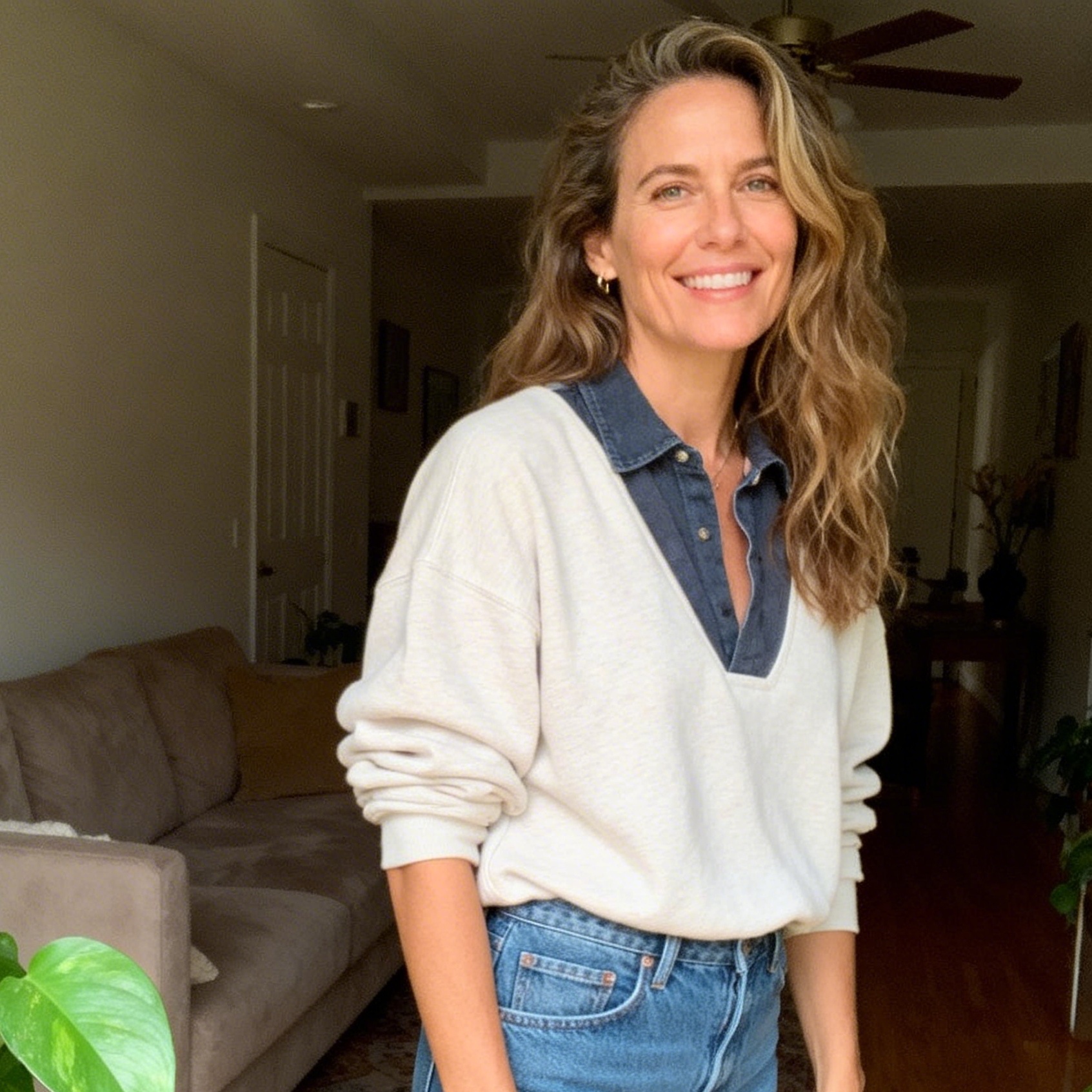
Home
Home
The Evolving Spectrum of Nude Color in Modern Fashion and Design
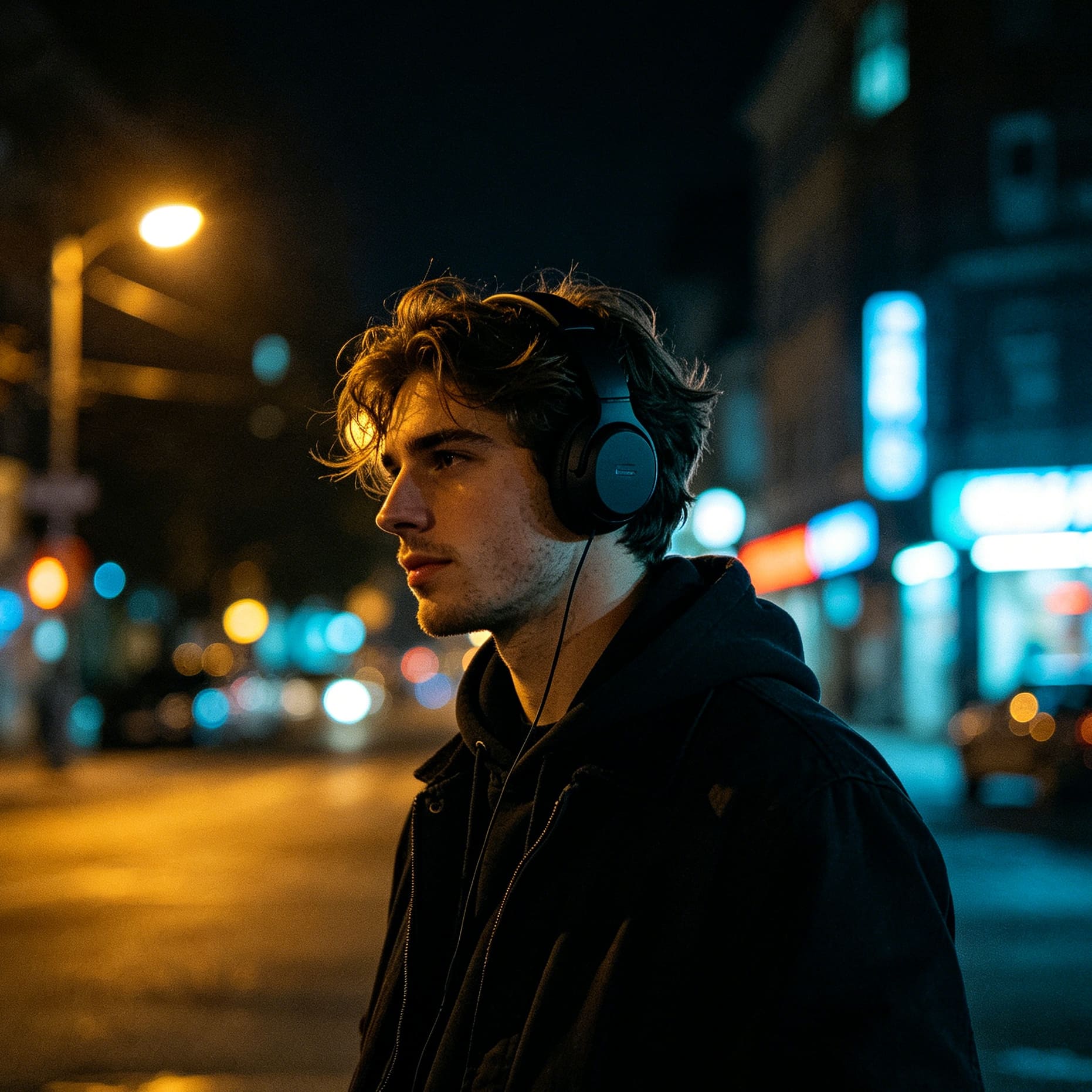
Nude color is not a single, static shade defined by a hex code; it is a dynamic spectrum of neutral tones inspired by the diverse range of human skin. Historically associated with pale beige or light pink, the concept of "nude" has undergone a profound cultural and aesthetic transformation. Today, it represents a global standard of inclusivity, ranging from the lightest porcelain and cream to deep ebony, rich chocolate, and warm terracotta.
In the realms of fashion, beauty, and digital design, nude functions as a "functional neutral." It provides a sophisticated, understated foundation that allows other elements to shine while conveying a sense of organic elegance and timelessness. Understanding how to navigate this spectrum requires a grasp of color theory, lighting physics, and an appreciation for human diversity.
The Technical Identity of Nude: Codes and Values
For designers and creators, the term "nude" is often translated into specific digital coordinates. While there is no universal "nude," several shades are frequently cited as the standard for specific design contexts.
Common Digital Interpretations
- Classic Naked Brown: Hex #E3BC9A. This shade is a warm, balanced neutral. In the RGB model, it consists of 89% Red, 73.7% Green, and 60.4% Blue. It is widely used in interior design to create a calming, approachable atmosphere.
- Soft Peachy Nude: Hex #F7D9BC. Often used in UI/UX design, this shade leans slightly toward orange, providing a warmer feel than traditional beige.
- Deep Nude (Rich Cocoa): Hex #56300A. A darker representation of skin tones, essential for inclusive design palettes.
- Light Sand Nude: Hex #F2D2BD. A pale, airy shade with a light reflectance value (LRV) that makes it ideal for making small rooms appear larger.
Color Models and Print Considerations
When moving from screen to print, the CMYK values become critical. A standard medium nude (#E3BC9A) typically translates to 0% Cyan, 17% Magenta, 32% Yellow, and 11% Black. The absence of heavy cyan and black components gives the color its "clean" and "natural" appearance.
The Historical Evolution of "Flesh Tones"
The term "nude" entered the English language in the 16th century, originally as a legal term meaning "unsupported." It wasn't until the early 20th century that the fashion industry began using it to describe undergarments.
For decades, the industry operated under a narrow definition of nude, primarily catering to Caucasian skin tones of European descent. This limited perspective often excluded billions of people, leading to a "one-size-fits-all" approach that was fundamentally flawed. The 2010s marked a turning point. Public discourse around representation in fashion forced brands to expand their ranges.
Today, the "New Nude" is fluid. It is no longer a color you buy; it is a color you match to your own reality. This shift has redefined not just products, but the very psychology of how we perceive "neutrality."
The Psychology of Nude: Beyond Simplicity
Colors communicate without words, and nude is one of the most psychologically potent shades in the palette. It is often associated with:
- Tranquility and Calm: Because it mimics natural, organic materials and human skin, it reduces visual noise.
- Honesty and Vulnerability: Being "nude" implies a lack of adornment, suggesting transparency and authenticity in branding.
- Sophistication: Unlike high-saturation colors that demand attention, nude colors suggest a quiet confidence. They don't need to shout to be noticed.
- Practicality: As a neutral, it suggests stability, reliability, and a focus on essential qualities rather than fleeting trends.
In business branding, using a nude palette can signal that a company is grounded and transparent. However, if used incorrectly without enough contrast, it can sometimes be perceived as "boring" or "anonymous." The key to mastering nude is in the texture and the layering.
Finding Your Personal Nude: A Practical Guide to Beauty and Fashion
The most common question regarding this color is: "What is my nude?" Whether choosing a lipstick, a pair of heels, or a silk blouse, the answer lies in the intersection of skin depth and skin undertone.
Identifying Your Undertone
Finding the perfect match is impossible without knowing your skin's underlying temperature. Based on professional color consulting experience, there are three primary categories:
- Cool Undertones: Your skin has hints of pink, red, or blue. You likely look better in silver jewelry, and your veins appear bluish.
- Best Nude: Look for "rosy nudes" or "mauve-based" shades. Avoid anything that looks too yellow or orange, as it will make your skin look sallow.
- Warm Undertones: Your skin has hints of yellow, peach, or gold. You likely prefer gold jewelry, and your veins appear greenish.
- Best Nude: Opt for "honey," "caramel," or "peach-toned" nudes. These will harmonize with your natural warmth.
- Neutral Undertones: You have a balance of both. You can typically wear a wide range of nudes, but you might find that "champagne" or "true beige" looks most natural.
The Depth Factor
A frequent mistake is picking a nude that is the exact same depth as your skin. This often leads to the "erased" look, where your features disappear.
- Pro-Tip: For lipstick, choose a nude that is one or two shades darker or more saturated than your natural lip color. This provides definition while maintaining the "no-makeup" aesthetic.
- For Darker Skin Tones: Avoid nudes with high white-pigment content (chalky nudes). Instead, look for rich berries, deep chocolates, or warm coppers that complement the depth of your melanin.
Nude in Interior Design: Creating "Soft Minimalism"
In home decor, nude has become the cornerstone of the "Soft Minimalism" trend. Unlike the cold, stark whites of previous decades, nude provides a "naked" brown base that feels inhabited and warm.
How to Apply Nude in a Space
- As a Primary Base: Painting walls in a light nude (like #F2D2BD) creates a sense of openness. Because these colors have a high Light Reflectance Value (LRV), they bounce natural light around the room effectively.
- Layering Textures: A monochromatic nude room can feel flat. To prevent this, professional designers mix materials: a matte nude wall, a linen nude sofa, a plush wool rug, and light oak wood accents. The variation in texture creates visual "shadows" that provide depth.
- The "Grounding" Effect: Pairing nude with "earthbound" colors like sage green or terracotta creates an organic, outdoorsy feel. This combination is scientifically proven to lower cortisol levels and promote relaxation.
Designing for the Web: Nude in UI and UX
In digital product design, nude shades serve a vital functional purpose. They are excellent for creating "low-contrast" areas that don't distract the user from primary Call-to-Action (CTA) buttons.
Strategic Use Cases
- Backgrounds: A soft nude background is often easier on the eyes than pure #FFFFFF white, especially during long reading sessions.
- Visual Cues: Nude is frequently used for "hover states" or inactive input fields. It signals that an element is present but not currently the focus of the interaction.
- Accessibility (WCAG Standards): This is where designers must be careful. While nude is beautiful, it often fails contrast checks against white text.
- Design Rule: If using #E3BC9A as a background, always use dark text (like #2A2A2A). In our testing, this combination achieves a contrast ratio of over 8:1, easily passing the AAA standard for readability.
Mastering Color Pairings: What Complements Nude?
Nude is a "chameleon" color; its personality changes depending on what it is paired with.
The "High-Contrast" Look
- Nude + Navy Blue: This is a classic, sophisticated pairing. The navy grounds the light nude, making it feel professional and structured.
- Nude + Jet Black: A modern, edgy combination often seen in high-fashion branding. The contrast is sharp and bold.
The "Organic" Look
- Nude + Sage Green: This evokes a sense of nature and sustainability. It is a favorite for eco-friendly product packaging.
- Nude + Terracotta: A warm, Mediterranean-inspired palette that feels earthy and inviting.
The "Ethereal" Look
- Nude + Sky Blue: A complementary pairing that creates a light, airy atmosphere. This is often used in wellness and healthcare branding to promote peace.
- Nude + Lavender: A soft, feminine combination that feels elegant and dreamy.
Frequently Asked Questions (FAQ)
What is the difference between nude and beige?
While often used interchangeably, "beige" is a specific yellowish-gray color. "Nude" is a broader conceptual term that encompasses beige but also includes browns, pinks, and tans that match human skin.
Why does nude lipstick look gray on me?
This usually happens if you have a warm undertone but are wearing a cool-toned (mauve or blue-based) nude. The clashing temperatures cancel each other out, resulting in a "muddy" or gray appearance. Switch to a peach or caramel-based nude.
Is nude considered a "warm" or "cool" color?
Most nude shades are inherently warm because they are derived from browns, oranges, and reds. However, "cool nudes" exist—these usually have a pink or violet base.
What hex code is the "official" nude?
There is no official code, but #E3BC9A (Naked Brown) and #F7D9BC (Peachy Nude) are the most common standards used in design software.
Summary: The Power of Neutrality
The journey of nude color from a limited fashion term to a symbol of global inclusivity reflects our changing world. In design, it offers a sanctuary of calm; in beauty, it celebrates individual identity; and in fashion, it provides a canvas for timeless elegance. Whether you are building a website, decorating a home, or refining your personal style, mastering the nude spectrum is about finding the balance between neutrality and character. By understanding undertones, technical parameters, and the psychological impact of these shades, you can use nude to create designs that are not just beautiful, but deeply resonant and inclusive.
The key takeaway for 2025 and beyond is simple: Nude is not a color to be followed—it is a color to be lived. It is the ultimate expression of the "natural" aesthetic, proving that sometimes, the most powerful statement is the one that whispers.