Home
Home
Top AI Image Makers for Professional Design and Digital Art
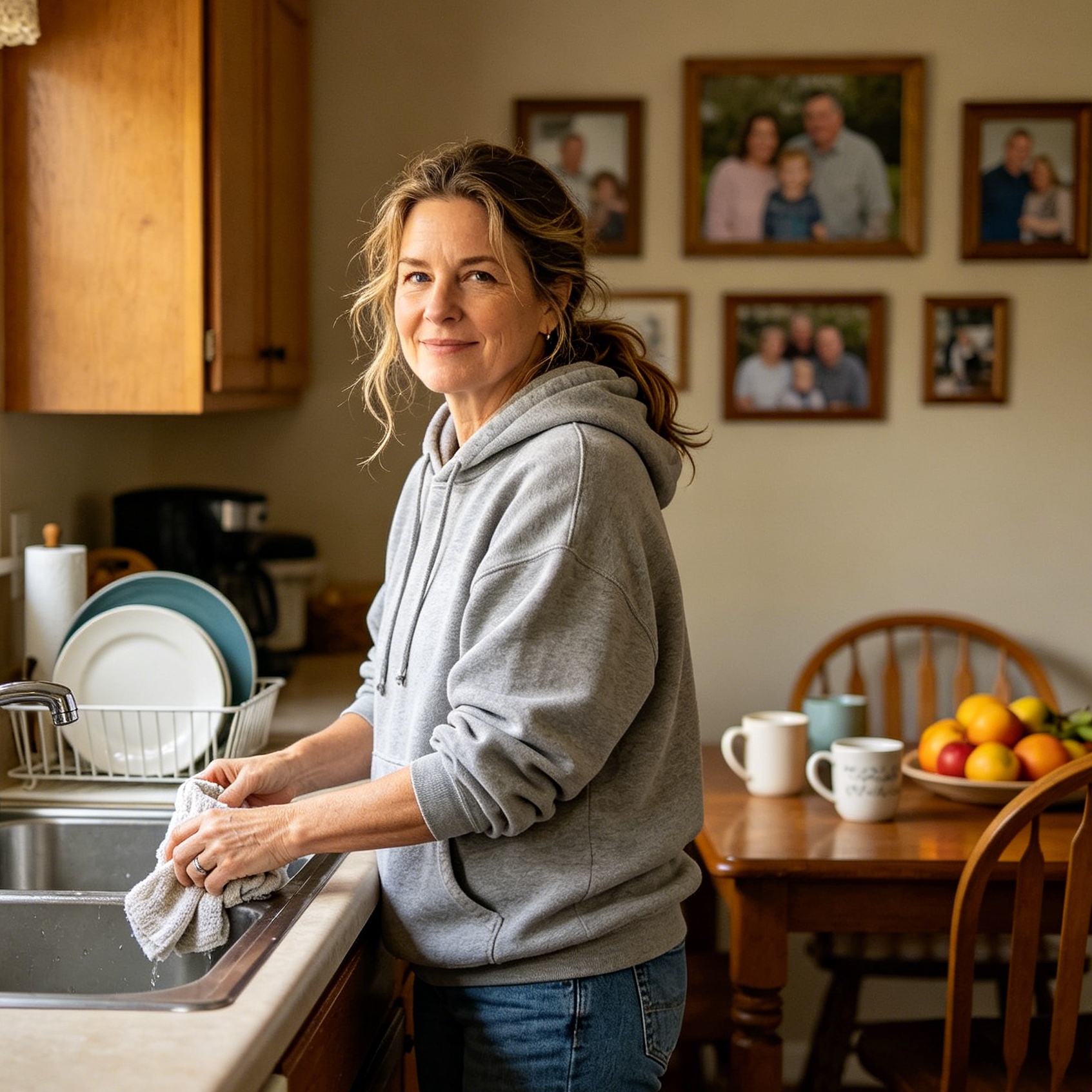
AI image makers represent a fundamental shift in the landscape of visual content creation, moving from experimental curiosities to essential assets for modern designers, marketers, and digital artists. These tools utilize sophisticated machine learning models to synthesize original pixels based on text descriptions or reference images. Rather than simply collating existing internet data, these generators interpret the semantic meaning of a prompt to construct entirely new visual structures, enabling a level of creative flexibility previously limited to high-end CGI and traditional art.
Understanding the Core Technology Behind AI Image Generation
The effectiveness of an AI image maker relies on its underlying architecture. Most contemporary industry leaders have transitioned to diffusion-based technology, which has proven more stable and capable than earlier generative models.
How Diffusion Models Refine Digital Noise
The generative process typically begins with a field of random Gaussian noise. During the training phase, the model is exposed to billions of image-text pairs, learning to identify the visual components that constitute specific objects, textures, and lighting conditions. When a user provides a prompt, the model performs "reverse diffusion." It iteratively removes noise over dozens of steps, gradually shaping the static into a coherent image that aligns with the requested parameters. This iterative refinement allows for high-frequency details, such as the shimmer on a wet pavement or the intricate weave of a fabric, to emerge naturally.
The Role of Large Language Models in Interpreting Prompts
A critical bridge between the user's intent and the final image is the text encoder. Modern tools often integrate components of large language models (LLMs) to convert natural language into numerical representations called embeddings. These embeddings map the user's words into a multi-dimensional latent space where the image generator can "understand" relationships between concepts. For instance, a high-quality AI image maker recognizes that "golden hour" implies specific light angles, warm color temperatures, and long shadows, even if those specific technical terms are not explicitly listed in the prompt.
Essential Features of Modern AI Image Creation Tools
A professional-grade AI image maker is defined by more than just its ability to produce a single picture. The utility for creative workflows lies in the granularity of control provided to the user.
Converting Text Descriptions into High-Resolution Pixels
Text-to-image generation is the primary function. Success in this area is measured by prompt adherence—how accurately the model follows complex instructions involving multiple subjects, specific spatial relationships, and atmospheric conditions. Advanced models can now handle nested logic, such as "a red bowl inside a blue box on a wooden table," without confusing the colors of the various objects.
Modifying Existing Assets with Image-to-Image Workflows
For professional designers, the ability to iterate on existing concepts is paramount. Image-to-image (Img2Img) capabilities allow users to upload a sketch, a low-fidelity mockup, or a reference photo to guide the AI. By adjusting the "denoising strength," a creator can decide whether the AI should strictly adhere to the original composition or use it as a loose structural guide for a completely new stylistic interpretation.
Resolution Upscaling and Detail Enhancement
The native output resolution of most generative models is often limited by VRAM constraints during inference. High-end AI image makers solve this through integrated upscalers. These are not traditional bicubic interpolators; they are specialized neural networks that predict and add "missing" details—such as pores on skin or leaves on distant trees—as the image is enlarged, ensuring the final asset is suitable for print or 4k displays.
Performance Analysis of Leading AI Image Makers
The current market offers a diverse array of tools, each optimized for different segments of the creative industry. Choosing the right tool requires an understanding of their specific strengths and output characteristics.
Midjourney for Artistic Depth and Lighting
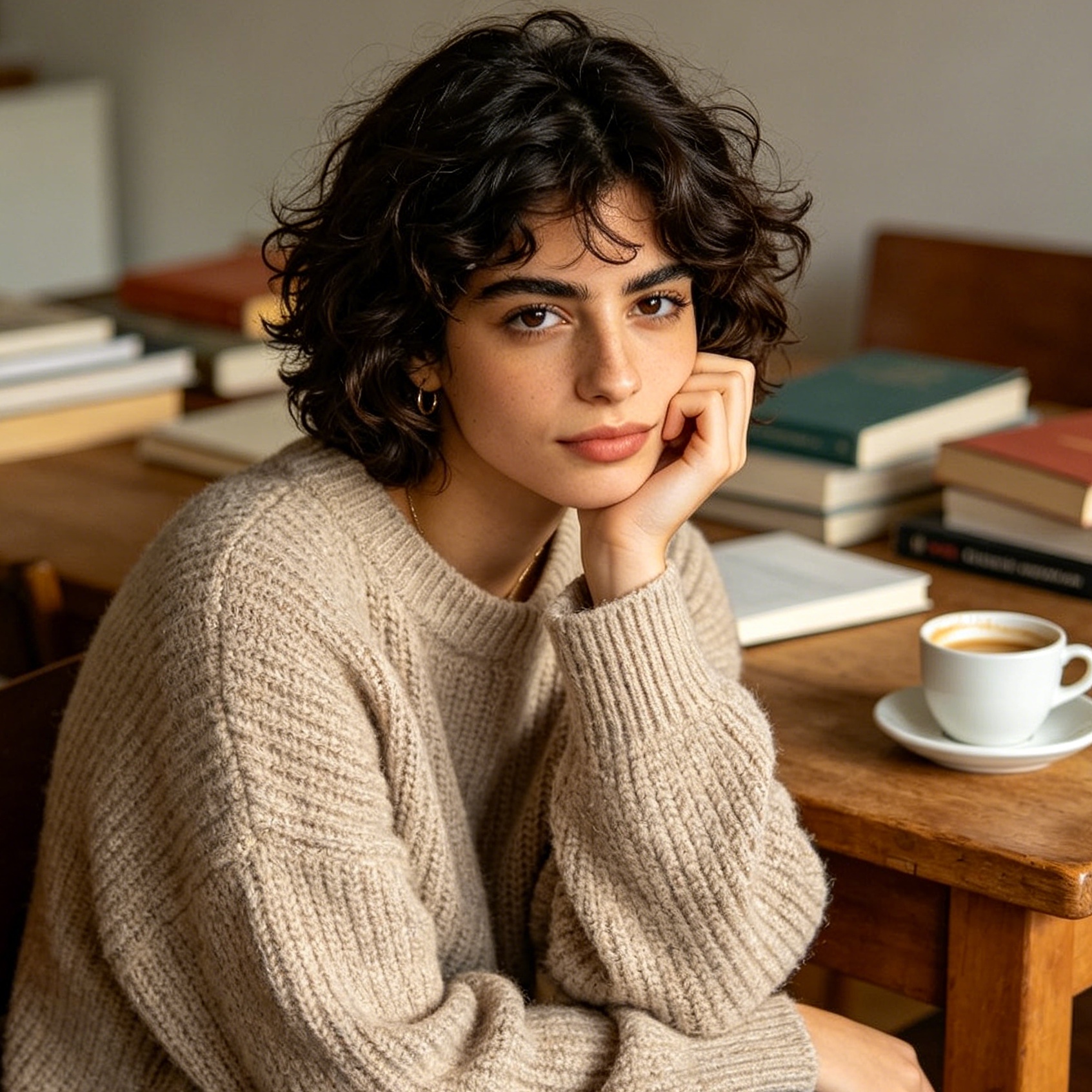
Midjourney consistently leads the industry in terms of aesthetic quality and "cinematic" output. It is characterized by its superior handling of lighting, atmosphere, and complex textures. In professional testing environments, Midjourney v6.1 has shown an uncanny ability to render realistic portraits that avoid the "uncanny valley" effect, often producing results that are indistinguishable from professional photography.
The platform operates primarily through a Discord-based interface, though a dedicated web version has expanded accessibility. One of its most powerful features is the --stylize parameter. Lower values result in images that more strictly follow the prompt, while higher values (up to 1000) allow the model to apply its internal "artistic opinion," often resulting in more visually stunning but less literal interpretations.
FLUX for Unparalleled Photorealism
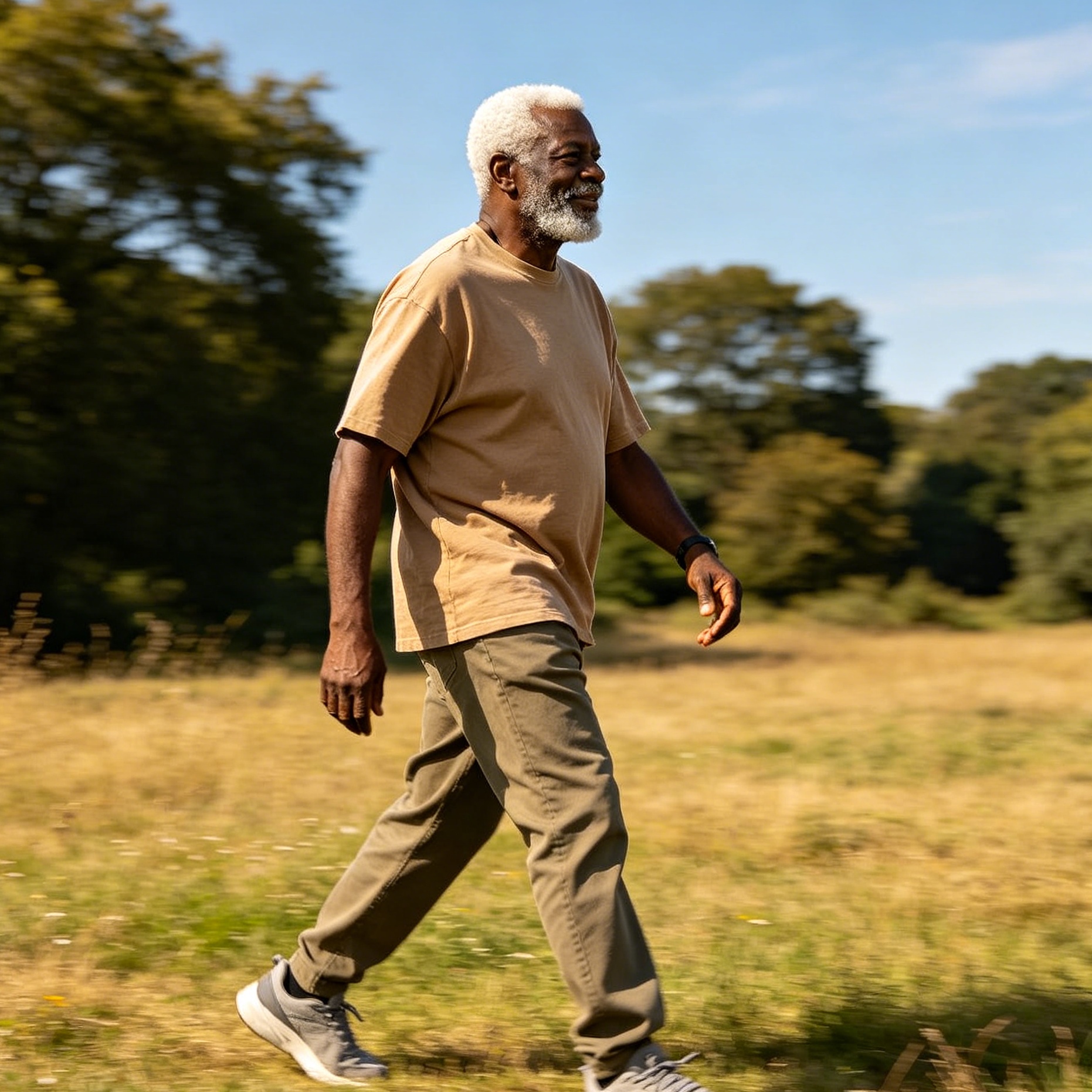
FLUX has recently emerged as a formidable competitor, particularly for users who require extreme realism and the ability to run models locally or via flexible APIs. Based on a hybrid architecture, FLUX excels at rendering human anatomy—traditionally a weak point for AI—and maintaining structural integrity in complex scenes.
Running a model like FLUX.1 [dev] locally requires significant hardware resources, typically a GPU with at least 24GB of VRAM to maintain acceptable generation speeds. However, the trade-off is total privacy and the ability to fine-tune the model using LoRA (Low-Rank Adaptation) for specific art styles or brand-consistent characters.
Adobe Firefly for Commercial Brand Safety
Adobe Firefly distinguishes itself through its legal framework. Unlike many other models trained on broad internet scrapes, Firefly is trained on Adobe Stock images, openly licensed content, and public domain material. This makes it the primary choice for corporate design teams who must ensure their output does not infringe on existing copyrights.
Firefly is deeply integrated into the Creative Cloud ecosystem. Features like "Generative Fill" in Photoshop allow users to extend canvas boundaries or swap out objects within a photo using simple text commands, maintaining the perspective, lighting, and style of the original image seamlessly.
Ideogram for Graphic Design and Accurate Typography
Until recently, AI image makers struggled significantly with rendering readable text. Ideogram has solved this pain point, making it a specialized tool for poster design, logo concepts, and social media graphics. It can accurately place specific words in various fonts and styles within an image, a task that previously required manual post-processing in software like Illustrator.
Advanced Strategies for High-Quality Visual Output
Simply typing a basic prompt rarely yields professional-level results. Mastering an AI image maker requires a strategic approach to prompt engineering and an understanding of the iterative nature of generative art.
Optimizing Prompt Engineering for Specific Aesthetics
Effective prompts follow a structured hierarchy. Starting with the core subject, followed by the medium (e.g., oil painting, 35mm film, vector art), and then adding specific environmental details (e.g., volumetric lighting, macro lens, Bauhaus style) provides the model with the necessary constraints to succeed.
For example, a prompt like "a modern office" is too vague. A professional prompt would be: "A minimalist modern office workspace, floor-to-ceiling windows with a view of a rainy Tokyo skyline at night, soft blue interior lighting, 8k resolution, photorealistic, shot on Sony A7R IV." Including technical specifications like camera models or lighting types (e.g., "Rembrandt lighting," "rim light") signals the AI to adopt a specific photographic or artistic grammar.
Managing the Iterative Design Process
The "one-click" masterpiece is a myth in professional workflows. Power users often employ a "Subscription Stack," utilizing multiple tools for different stages of a project. A designer might start in ChatGPT to brainstorm concepts and generate initial Dall-E 3 images for layout, then move to Midjourney for high-fidelity assets, and finally use Adobe Firefly for commercially safe refinements and finishing touches.
The process often involves:
- Seed Selection: Using a fixed seed number to maintain consistency across variations.
- In-painting: Selecting a specific area of an image (like a hand or a background object) and regenerating only that portion to fix errors.
- Prompt Chaining: Gradually adding descriptors to a prompt based on the strengths and weaknesses observed in the initial generations.
Technical Challenges and Ongoing Limitations
Despite rapid advancement, AI image makers are not without flaws. Understanding these limitations is crucial for managing expectations and planning post-production.
- Anatomical Accuracy: While improved, complex poses and overlapping limbs can still result in "hallucinations," such as extra fingers or distorted joints.
- Small Text and Signs: While Ideogram excels at typography, many general-purpose models still struggle with small, background text, often rendering it as unreadable "gibberish."
- Consistency: Maintaining the exact same character or object across different scenes remains a challenge, though features like "Character Reference" (cref) in Midjourney are beginning to address this.
Ethical Considerations and the Future of AI Assets
The legal landscape surrounding AI-generated images is still evolving. Currently, in many jurisdictions, AI-generated content without significant human creative input cannot be copyrighted. This has profound implications for businesses looking to protect their visual identity. Furthermore, the ethical debate over training data continues to influence platform policies, with some tools moving toward "opt-in" models for artists.
As we look toward the future, the integration of 3D generation and video synthesis into these image makers is the next frontier. The distinction between a static image and a dynamic asset is blurring, promising a future where a single text prompt could generate a complete, multi-modal brand kit.
Summary
The rise of the AI image maker has democratized high-quality visual production, allowing individuals and teams to manifest complex ideas in seconds. By selecting the appropriate tool—whether it be the artistic powerhouse of Midjourney, the commercially safe Adobe Firefly, or the typographic precision of Ideogram—creatives can significantly accelerate their workflows. However, the true value of these tools is unlocked not by the AI itself, but by the human operator’s ability to guide the model through precise prompting, iterative refinement, and a deep understanding of traditional design principles.
Frequently Asked Questions About AI Image Makers
Can I use AI-generated images for commercial projects?
Yes, most paid plans for tools like Midjourney, ChatGPT (Dall-E 3), and Adobe Firefly include commercial usage rights. However, Adobe Firefly is generally considered the safest option for large-scale corporate use due to its training data transparency. Always check the specific Terms of Service of the platform you are using.
Why does my AI image have distorted hands or extra fingers?
AI models predict pixels based on patterns rather than understanding the underlying skeletal structure of a human hand. In complex poses where fingers overlap or are foreshortened, the model may fail to count them correctly. Using "In-painting" tools to specifically regenerate the hand area is the standard fix.
Do I need a powerful computer to run an AI image maker?
Most popular tools like Midjourney, Firefly, and ChatGPT are cloud-based, meaning all the heavy processing happens on their servers. You only need a basic internet connection and a browser. Local models like Stable Diffusion or FLUX, however, require high-end NVIDIA GPUs with significant VRAM.
What is the best way to get consistent results?
To maintain consistency, use "Seed" numbers to keep the starting noise patterns the same. Additionally, using "Reference Images" or specific parameters like Midjourney’s --cref (Character Reference) can help keep characters or styles stable across multiple prompts.
-
Topic: free ai image generator online - pict aihttps://pict.ai/
-
Topic: The 9 Best AI Image Generators of 2025 (Tested Firsthand)https://www.semrush.com/blog/best-ai-image-generators/
-
Topic: Best AI image generators: Top tools and key featureshttps://www.hostinger.com/ca/tutorials/best-ai-image-generators