Home
Home
Top Visual Generation Apps for High-Impact Content in 2025
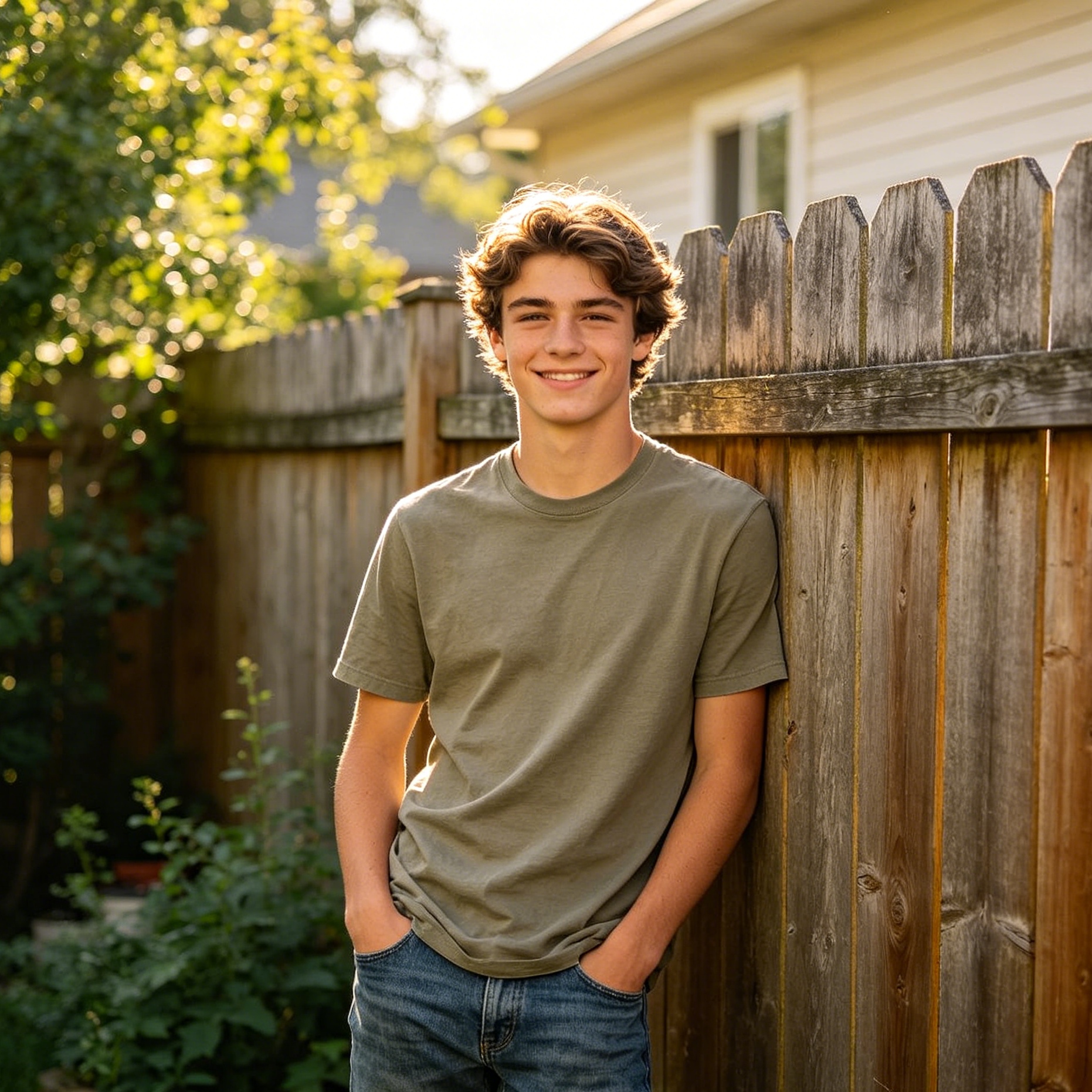
Visual content has evolved from a branding luxury into the primary currency of digital communication. As attention spans shorten and algorithmic competition intensifies, the ability to generate visuals that are not just "good" but "engaging" is a survival skill for creators and enterprises alike. The current landscape of visual generation apps is no longer defined by simple filters; it is powered by generative AI, neural rendering, and automated motion tracking.
The integration of artificial intelligence into creative suites has lowered the technical barrier while simultaneously raising the aesthetic ceiling. Tools that were once considered toys for hobbyists now possess professional-grade capabilities, while industry-standard software has become more accessible through intuitive AI bridges.
The Evolution of All-in-One Design Suites
The "all-in-one" category remains the most critical entry point for most users. These platforms provide a centralized ecosystem where layout, typography, and image generation coexist.
Canva and the democratization of Magic Studio
Canva continues to dominate the non-designer market by prioritizing speed and accessibility. In 2025, its "Magic Studio" has transitioned from an experimental feature to a core utility. The Magic Media tool, which converts text prompts into both static images and short video clips, serves as an essential brainstorming partner.
During our testing of social media campaign assets, the "Magic Resizing" feature showed significant improvement in its ability to maintain visual hierarchy across different aspect ratios—moving from a 9:16 vertical video for TikTok to a 1:1 square post for Instagram without manual repositioning of elements. The platform’s library, now bolstered by AI-curated templates, allows users to maintain a cohesive brand identity even without a dedicated design department.
Adobe Express as a professional bridge
Adobe Express has positioned itself as the high-fidelity alternative to Canva. By leveraging the Firefly GenAI models, it offers a level of precision that professional designers find more palatable for quick edits. One of the most impactful features is the "Generative Fill," which allows users to add or remove objects from an image using simple text commands.
In a practical workflow scenario, using Adobe Express to "uncrop" a tightly framed product photo into a wide landscape shot for a website hero banner takes seconds. Unlike basic upscalers, it intelligently predicts the surrounding environment, matching lighting and depth of field. For teams already invested in the Creative Cloud ecosystem, the seamless asset transfer between Express, Photoshop, and Illustrator makes it a superior choice for maintaining professional standards at scale.
Specialized AI Tools for Photorealistic and Artistic Imagery
When the goal is to create unique, high-aesthetic visuals from scratch, general-purpose suites often fall short. This is where dedicated AI image generators excel.
Midjourney and the pursuit of aesthetic excellence
Midjourney remains the gold standard for artistic direction and high-end conceptual work. While its interface—still primarily centered around Discord and a maturing web app—requires a slight learning curve, the output quality is unmatched.
The introduction of "Style References" (--sref) and "Character References" (--cref) has solved one of the biggest pain points in AI generation: consistency. For a brand looking to create a series of visuals that all look like they were shot on 35mm film with a specific warm color palette, Midjourney allows the user to lock in those parameters. In our benchmarks, Midjourney V6.1 and beyond have significantly reduced the "uncanny valley" effect in human skin textures and eye reflections, making it the preferred tool for editorial-style photography and hyper-realistic concept art.
DALL-E 3 and the power of conversational design
Integrated directly into ChatGPT, DALL-E 3 is the most user-friendly option for those who find "prompt engineering" intimidating. Its biggest strength is its understanding of complex, nuanced instructions. If you ask for "a minimalist poster of a lonely astronaut holding a glowing blue flower on a desert planet under two moons," DALL-E 3 is the most likely to get every element correct on the first try.
While it may not always reach the sheer painterly quality of Midjourney, its ability to render text within images—a feat that was impossible for AI just two years ago—makes it invaluable for quick mockups and conceptual branding where typography matters.
Adobe Firefly for commercial safety
A critical concern for corporate users is the legal provenance of AI-generated images. Adobe Firefly is unique because it is trained on Adobe Stock’s millions of professional-grade, licensed images, along with openly licensed and public domain content. This "commercially safe" guarantee is a decisive factor for legal teams.
Beyond safety, Firefly’s integration as a "Text to Vector" tool in Illustrator is a game-changer for graphic designers. Being able to generate a fully editable vector graphic from a prompt allows for infinite scalability, which is essential for logo design and large-format printing.
What are the best apps for short-form video and motion?
Static images are the foundation, but motion is the engine of engagement. The rise of TikTok, Reels, and YouTube Shorts has necessitated tools that can turn static concepts into dynamic stories.
CapCut and the dominance of mobile-first editing
Owned by ByteDance, CapCut has become the de facto tool for short-form content. Its success lies in its massive library of trending templates and its powerful AI-driven automation. For creators, features like "Auto-Captions" (which boast over 95% accuracy in multiple languages) and "Auto-Cut" save hours of tedious work.
In our production tests, the "Background Removal" tool in CapCut handled complex edges—like curly hair or transparent clothing—better than many high-end desktop editors. The ability to sync music beats automatically to video transitions allows even novice editors to create high-energy, engaging visuals that feel native to social platforms.
Runway and the frontier of AI cinematography
Runway is the tool of choice for those pushing the boundaries of what is possible with AI video. Its Gen-3 Alpha model can generate cinematic clips from text or images that look like they were produced with a million-dollar budget.
The "Motion Brush" is a particularly impressive feature. By simply painting over an area of a static image—such as a waterfall or a person’s hair—the user can direct the AI to animate only that specific part. This allows for the creation of "cinemagraphs" or subtle atmospheric videos that are highly effective for website backgrounds and high-end social ads. Runway is less about "editing" and more about "synthesizing" movement.
Wisecut and the automation of talking-head content
For educators, podcasters, and corporate trainers, the "talking head" video is a staple. However, editing out "umms," "ahhs," and long silences is grueling. Wisecut uses AI and voice recognition to automatically edit long-form videos into concise, punchy clips. It identifies "jump cut" opportunities and automatically balances background music so it doesn't drown out the speaker. This tool is specifically designed to maximize retention by keeping the pace of the visual engagement high.
How can professional designers integrate AI into their workflow?
Professional designers often resist "push-button" AI because it lacks control. However, a new generation of tools is focusing on the "workflow" rather than just the "output."
Figma Weave and node-based creative control
Figma Weave represents a shift toward a more structured, professional AI environment. Instead of a single prompt-and-output loop, it uses a node-based canvas where designers can chain different AI models together. For example, a designer could use one node to generate a base image, another to upscale it, and a third to apply a specific brand-approved color LUT.
This modular approach allows for "reproducible" workflows. If a design team needs to create 50 different assets for a product launch, they can build a "Weave" that ensures every asset follows the same logic, lighting, and style, regardless of the individual prompt. This connects directly into the Figma design environment, where the final layouts are built.
Krea and real-time visual refinement
Krea has gained popularity for its "Real-time Enhancer" and "AI Patterns." Its real-time generation allows designers to move a basic shape or sketch on one side of the screen while seeing a fully rendered AI image update instantly on the other. This tactile, responsive feedback loop makes the AI feel like a digital pencil rather than a black-box generator. It is particularly useful for spatial layout and color exploration during the early "mood boarding" phase of a project.
Niche Tools for Specialized Visual Needs
Not all engaging visuals are artistic; some are functional. E-commerce and data visualization require specific features that general design apps often overlook.
Photoroom for e-commerce excellence
For small business owners selling on platforms like Etsy, eBay, or Amazon, Photoroom is an essential utility. Its core strength is "Batch Background Removal." In our experience, being able to upload 50 raw product photos and have the AI instantly remove the cluttered background, add a soft drop shadow, and place the product on a clean, brand-consistent "studio" background is a massive productivity gain. The AI "Instant Backgrounds" feature can even generate contextual scenes, like placing a skincare bottle on a marble countertop with soft sunlight filtering through a window.
Venngage and PiktoChart for data-driven engagement
Infographics remain one of the most shared types of visual content. Venngage and PiktoChart specialize in turning "dry" data into visually compelling stories. These tools provide pre-built structures for timelines, process maps, and comparison charts.
The "AI Infographic Generator" features now found in these platforms allow users to paste a raw text report or a spreadsheet, and the tool will suggest the most effective visual structure. During a test involving a 20-page whitepaper, Venngage was able to extract the five most critical data points and generate a draft infographic in under two minutes, providing a solid foundation for further customization.
How to Choose the Right Tool for Your Creative Workflow
With so many options, the challenge is not finding an app, but building a stack that doesn't overlap redundantly. The selection should be based on the primary output goal.
| Your Primary Goal | Recommended App Stack | Why? |
|---|---|---|
| Daily Social Media Management | Canva + CapCut | Best for speed, templates, and trending audio/video features. |
| High-End Branding & Art | Midjourney + Photoshop | Unmatched aesthetic quality and pixel-level control for refinement. |
| Corporate/Commercial Design | Adobe Express + Firefly | Focuses on brand safety, vector integration, and team collaboration. |
| E-commerce & Product Sales | Photoroom + Canva | High-volume background removal and quick promotional layout. |
| Data Visualization & Reports | Venngage or PiktoChart | Specialized templates for charts and complex information hierarchy. |
The "Workflow-First" approach
A common mistake is jumping between too many apps, which leads to "visual fragmentation"—where your video looks different from your images, which look different from your site.
To maintain engagement, consistency is as important as quality. A professional workflow often starts in Midjourney for the "hero" visual, moves to Adobe Express for the brand-specific layout and typography, and uses CapCut to bring those static elements into a 15-second motion story. By using the strengths of each app, you ensure the final output is cohesive.
Enhancing Visual Engagement with Advanced Techniques
Simply using an app is not enough; one must understand the principles of engagement that these apps facilitate.
The rule of "High Contrast and Low Cognitive Load"
Engaging visuals often follow a pattern: they catch the eye through high contrast (color or light) but are easy to understand (low cognitive load). AI tools like Magnific AI are becoming popular for "creative upscaling," which adds intricate detail to an image without changing its core composition. This makes the visual feel "expensive" and high-quality, which subconsciously builds trust with the viewer.
Accessibility and the inclusive visual
In 2025, an engaging visual must also be an inclusive one. Apps like Synthesia and Fliki allow for the creation of videos with diverse AI avatars and voiceovers in over 120 languages. This ensures that the content can reach a global audience without the logistical nightmare of hiring 100 different actors. Furthermore, automated subtitling in CapCut and Wisecut ensures that the 80% of social media users who watch videos on mute can still engage with the content.
Why 2025 Visuals Are Looking Beyond the Spec Sheet
We have reached a point where "perfect" images are common. Engagement is shifting away from technical perfection and toward "authenticity" and "storytelling."
The best apps today are those that allow the user to inject their own personality into the AI's output. Whether it is using Krea to refine a specific hand-drawn sketch or using Runway's motion brush to create a unique atmosphere, the human element remains the differentiator. The tool is the brush; the user is still the artist.
Summary
The landscape of visual generation in 2025 is defined by a spectrum of specialized tools. For general design and marketing, Canva and Adobe Express provide the most comprehensive suites. For those seeking the pinnacle of AI art, Midjourney and DALL-E 3 offer divergent paths between aesthetic depth and conversational ease. Video creators are best served by the automation of CapCut and the cinematic power of Runway.
Choosing the "best" app requires an honest assessment of your technical skill level, your budget, and the specific platform where your visuals will live. The most successful creators are those who treat these apps as a "creative pipeline" rather than standalone solutions.
FAQ
Which AI image generator is best for beginners?
DALL-E 3 is generally considered the best for beginners because it is integrated into the ChatGPT interface. It understands natural language much better than other tools, meaning you don't need to learn complex "prompt codes" to get a high-quality result.
Is Canva Pro worth it for a small business?
Yes, for most small businesses, Canva Pro is the most cost-effective tool. It provides access to "Brand Kits," which ensure all your designs use the same colors and fonts, and its AI "Magic Switch" can instantly turn a presentation into a blog post or a series of social media graphics.
Can I use AI-generated images for commercial products?
It depends on the tool. Adobe Firefly is specifically designed to be "commercially safe." Midjourney and DALL-E 3 allow commercial use for paid subscribers, but legal precedents regarding copyright for AI-generated works are still evolving. Always check the specific terms of service for the tool you are using.
How do I make my AI images look less "fake"?
To avoid the "AI look," use specific photographic terms in your prompts, such as "low depth of field," "natural lighting," or "shot on Kodak Portra 400." In tools like Midjourney, using a lower --stylize value can also make the image look more realistic and less digitally over-processed.
What is the best app for creating infographics quickly?
Venngage and PiktoChart are the leaders in this space. They offer specialized AI features that can take a text outline and automatically suggest a layout, chart types, and color schemes tailored for data visualization.
-
Topic: Learnmonade Transform Video Creation With AI 5 Must-Have Appshttps://learnmonade.com/wp-content/uploads/2023/08/Video-AI-Tools-PDF-1.pdf
-
Topic: Top Infograpia Alternatives in 2026https://slashdot.org/software/p/Infograpia/alternatives
-
Topic: 7 of the Best AI Tools for Graphic Design | Figmahttps://www.figma.com/resource-library/ai-tools-for-graphic-design/