Home
Home
Transform Any Picture Into a Winter Wonderland With the Best Snowfall Photo Editors
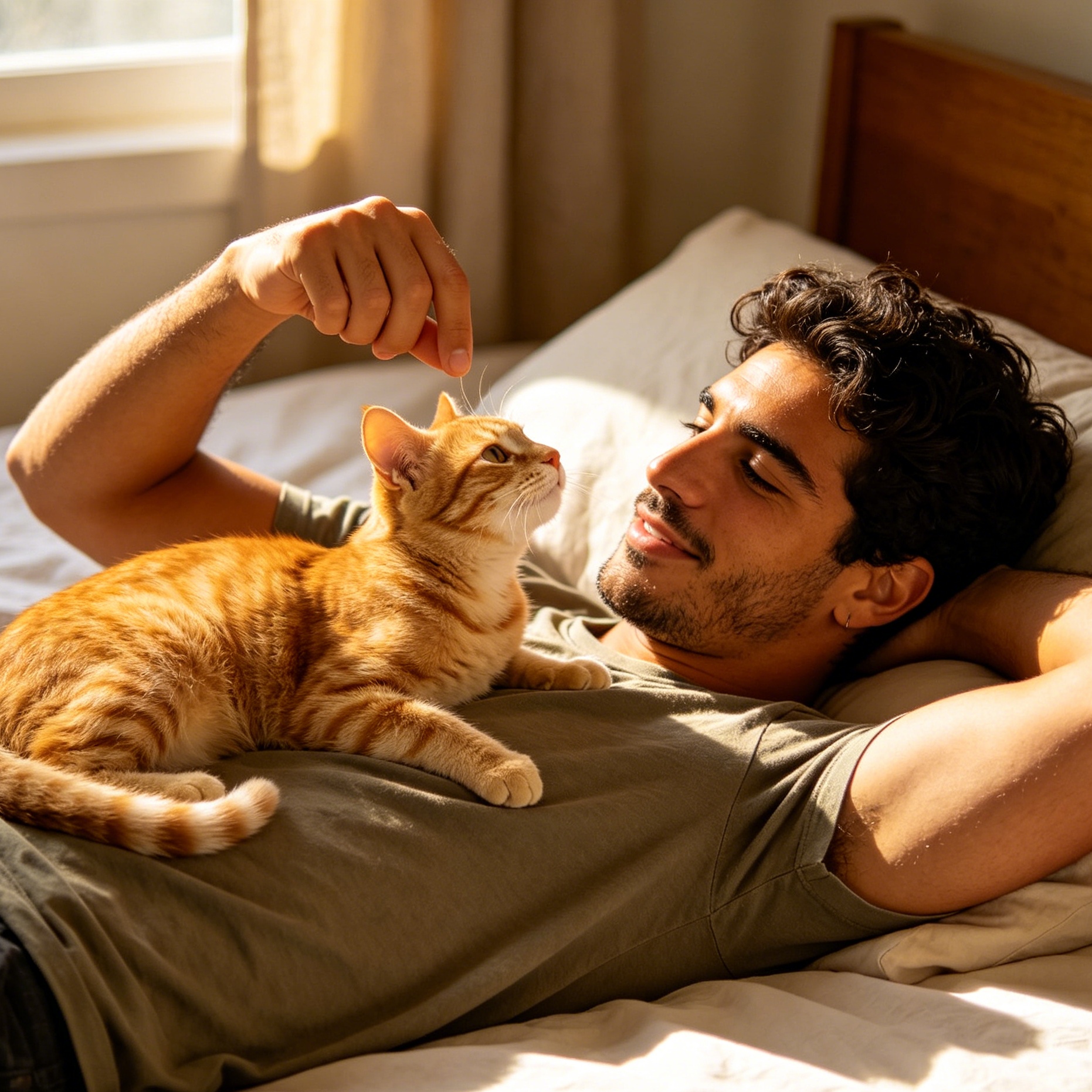
A snowfall photo editor is more than a simple filter tool; it is a gateway to creating atmospheric, seasonal, and emotionally resonant imagery regardless of the climate where a photo was captured. These editors allow users to overlay realistic falling snow, create deep winter landscapes, and adjust the lighting of a scene to match the freezing temperatures of a blizzard. As digital photography evolves, the technology behind these tools has shifted from basic static overlays to sophisticated AI-driven generation that understands the 3D space within a 2D image.
The demand for high-quality winter aesthetics spikes during the holiday season, but for professional photographers, influencers, and hobbyists, the ability to control weather elements digitally is a year-round asset. Whether the goal is to design a personalized Christmas card or to add cinematic depth to a street portrait, choosing the right tool determines the final level of realism.
Understanding the Technology Behind Snowfall Photo Editors
To achieve the best results, it is essential to understand how different editors process the addition of snow. Most modern tools utilize one of three primary technological approaches.
Static Overlay and Blend Modes
The most traditional method involves the use of "Snow Overlays." These are typically high-resolution images of snowflakes captured against a black background. When imported into a snowfall photo editor, the software uses a blend mode—usually "Screen"—to render the black areas transparent while keeping the white snowflakes visible. This method is fast and offers high visual quality but lacks depth; the snow often appears to be "on top" of the lens rather than falling within the scene.
Particle Engine Systems
Some advanced mobile and desktop applications use particle engines. Instead of a flat image, these tools generate individual "particles" that can be randomized in size, opacity, and motion blur. This allows the user to simulate different types of weather, from a light flurry of small, sharp flakes to a heavy, wind-driven blizzard where the snow appears to be moving at an angle.
AI Depth-Sensing Generation
The cutting edge of snowfall editing lies in Artificial Intelligence. Newer AI-powered editors analyze the photograph to create a hidden "depth map." By identifying which objects are in the foreground (like a person's face) and which are in the background (like a distant building), the AI can intelligently place snow. Flakes in the foreground appear larger and more out of focus (bokeh effect), while flakes in the distance are smaller and sharper. This creates a convincing 3D environment that traditional overlays cannot match.
The Best AI-Powered Snowfall Editors Online
Online AI tools have revolutionized the workflow for those who want professional results without the steep learning curve of professional software. These platforms utilize Generative AI to "re-imagine" the scene with snow.
Insmind AI Snow Filter
Insmind has gained traction for its ability to integrate snow into complex environments seamlessly. Unlike simple filters, Insmind’s AI allows for prompt-based editing. After uploading an image, the user can specify the "intensity of the blizzard" or the "time of day."
In our testing, the standout feature of this tool is its ability to handle lighting. When adding snow to a sunny afternoon photo, the AI doesn't just drop white dots; it shifts the color temperature toward a cooler, bluer spectrum and softens the harsh shadows to mimic the overcast lighting typical of a snowy day. To get the best results, we found that using a prompt like "heavy snowfall with soft morning light" produces a more natural blend than simply clicking a generic "snow" button.
Google Gemini and Generative Prompting
Generative AI models like Gemini have introduced a new way to edit images through conversational commands. By uploading a photo to the interface and providing a detailed prompt—such as "generate a realistic falling snow effect with large, out-of-focus flakes in the foreground"—users can receive multiple variations of a snowy scene.
The advantage here is the lack of manual masking. The AI understands the silhouette of the subject and ensures that snow does not awkwardly obscure critical features like eyes or mouths unless specifically instructed. However, the limitation of this method is the lack of granular control; you cannot "brush away" a single snowflake that you dislike.
Top Mobile Apps for Instant Winter Effects
For social media creators, speed is often as important as quality. Mobile apps provide "one-tap" solutions that are optimized for quick sharing.
BeautyPlus: The Brush and Filter Approach
BeautyPlus remains a favorite due to its dual-approach system. Users can choose between AI-generated filters and manual "Snow Brushes."
- Snow Night Filter: This AI-driven filter is particularly effective for low-light photography. It adds a moody, romantic atmosphere by simulating the way snow reflects city lights or street lamps.
- The Custom Brush: For those who want more control, the "Dream" category in the brush menu allows users to manually paint snow onto specific areas. This is a massive advantage when you want to avoid snow on a person's face but want a heavy accumulation on the trees behind them. Our recommendation for a realistic look: use a lower brush opacity and build the layers gradually rather than applying one heavy stroke.
YouCam Perfect and Motionleap
If the goal is to create a dynamic, "living" photo, apps like Motionleap (formerly Pixaloop) allow you to animate the snowfall. By defining the path and speed of the flakes, you can turn a static JPEG into a mesmerizing video loop. This is particularly effective for Instagram Stories or TikTok backgrounds. YouCam Perfect offers similar functionality with its "Live Effects," which include high-definition snow overlays that react to the movement of the camera.
Professional Techniques for Realistic Snow in Photoshop
While AI and mobile apps are convenient, professional photographers often turn to Adobe Photoshop when they need absolute precision for high-resolution prints or commercial work. Creating snow from scratch in Photoshop allows for a level of customization that automated tools cannot replicate.
Step-by-Step Manual Snow Creation
If you don't have a high-quality snow overlay handy, you can create one using the following professional workflow:
- Create a New Layer: Start by creating a blank layer and filling it with solid black using the Paint Bucket tool.
- Add Noise: Go to Filter > Noise > Add Noise. Set the amount to approximately 25%, choose "Gaussian," and ensure "Monochromatic" is checked. This creates the base "particles."
- Refine the Particles: Go to Filter > Blur > Gaussian Blur. A small radius of 1.0 to 2.0 pixels is usually sufficient to soften the harsh noise into something resembling snowflakes.
- Adjust Levels: Press Ctrl+L (Windows) or Cmd+L (Mac) to open Levels. Drag the black slider to the right and the white slider to the left. This hides the smaller noise particles and makes the larger ones stand out, creating a distinct "flake" look.
- Set Blend Mode to Screen: Change the layer's blend mode from "Normal" to "Screen." This makes the black disappear, leaving only the white snow.
- Add Motion: To simulate wind, go to Filter > Blur > Motion Blur. Set the angle to about -45 degrees and the distance to 10-20 pixels. This gives the snow a sense of direction and speed.
By creating multiple layers with different blur settings—one with heavy blur for foreground snow and one with sharp, small flakes for the background—you can manually build a 3D depth of field that looks identical to a real photograph taken in a storm.
Critical Tips for Achieving Realistic Snowfall Results
The biggest mistake people make when using a snowfall photo editor is ignoring the laws of physics and light. Here is how to avoid the "fake" look.
1. Correct the Color Temperature First
Snow rarely falls under a warm, golden sun. Before adding snow, use a "Color Balance" or "Temperature" slider to cool the image down. Increasing the blues and cyans while decreasing the yellows and reds will prepare the "canvas" for the snow. A photo that is too warm will make the white snow look like an unnatural digital artifact.
2. Mind the Subject’s Lighting
In a real snowstorm, the sky is overcast, leading to very soft, diffused shadows. If your original photo has hard, directional shadows (like those from midday sun), use a "Shadows/Highlights" tool to lift the shadows and reduce the contrast. This mimics the "flat" lighting of a winter day.
3. Use Masking to Clear Vital Details
Never let a large snowflake land directly on a subject's eye or the center of their nose. Use a soft eraser or a layer mask to gently remove or fade snow that obscures the most important parts of the composition. A realism-focused editor will always allow for this manual intervention.
4. Vary the Flake Size (The 70/30 Rule)
A convincing snow scene should have a variety of flake sizes. We recommend a "70/30" distribution: 70% of the snow should be small, sharp, and in the mid-ground or background, while 30% should be large, blurry "bokeh" flakes that appear to be right in front of the camera lens. This creates an immediate sense of scale.
Comparison of Top Snowfall Editing Methods
| Method | Best For | Ease of Use | Level of Control | Realistic Result |
|---|---|---|---|---|
| AI Online Tools | Quick, high-quality transformations | High | Moderate | Excellent |
| Mobile Apps | Social media, one-tap filters | Highest | Low | Good |
| Photoshop (Manual) | Commercial work, high-res prints | Low | Highest | Superior |
| Static Overlays | Beginners on desktop | Moderate | Moderate | Fair |
Frequently Asked Questions about Snowfall Editing
What is the best free snowfall photo editor?
For mobile users, BeautyPlus and YouCam Perfect offer excellent free versions with a wide variety of winter filters. For web users, Insmind provides a powerful AI-driven snow filter that produces high-quality results without requiring advanced technical skills.
Can I add snow to a photo without Photoshop?
Yes, absolutely. Most modern users prefer AI-based web tools or mobile applications because they automate the masking and depth-sensing processes that used to take hours in Photoshop. Tools like Gemini or Insmind can add snow in seconds.
How do I make the snow look like it's moving?
To create a sense of motion in a static photo, you must apply a Motion Blur filter to the snow layer. If you want the snow to actually move in a video format, use an app like Motionleap or VIMAGE, which are specifically designed to animate weather effects.
Will adding snow reduce the quality of my photo?
If you use high-quality, high-resolution overlays or advanced AI tools, your photo's quality will remain intact. However, avoid using low-resolution "sticker" apps, as they can pixelate the image when you try to save or export the final result.
How do I add snow to a specific part of a photo?
Most snowfall photo editors include a "Masking" or "Eraser" tool. After applying the snow effect, you can simply "brush away" the snow from areas where you don't want it, such as over a person's face or inside a car window.
Summary
Choosing the right snowfall photo editor depends entirely on your project's needs. If you are looking for an effortless, high-quality transformation, AI-powered online tools are the modern standard, offering realistic depth and lighting adjustments with a single click. For those on the move, mobile apps provide a suite of creative filters and brushes perfect for social media. Finally, for the creative professional, manual techniques in software like Photoshop offer the ultimate level of control over every individual snowflake. By focusing on lighting, depth, and color temperature, you can turn any ordinary photograph into a stunning winter masterpiece that captures the magic of a fresh snowfall.
-
Topic: Snowfall Effects for Android - Download the APK from Uptodownhttps://snowfall-effects.en.uptodown.com/android
-
Topic: Add Snow to Photo with AI Snow Filter Online for Freehttps://www.insmind.com/add-snow-to-photo/
-
Topic: Snow Overlay: How Can I Add Snow to a Photo?https://www.beautyplus.com/academy/add-snow-to-photo