Home
Home
Transforming Photos With X Art and Leading AI Image to Video Tools
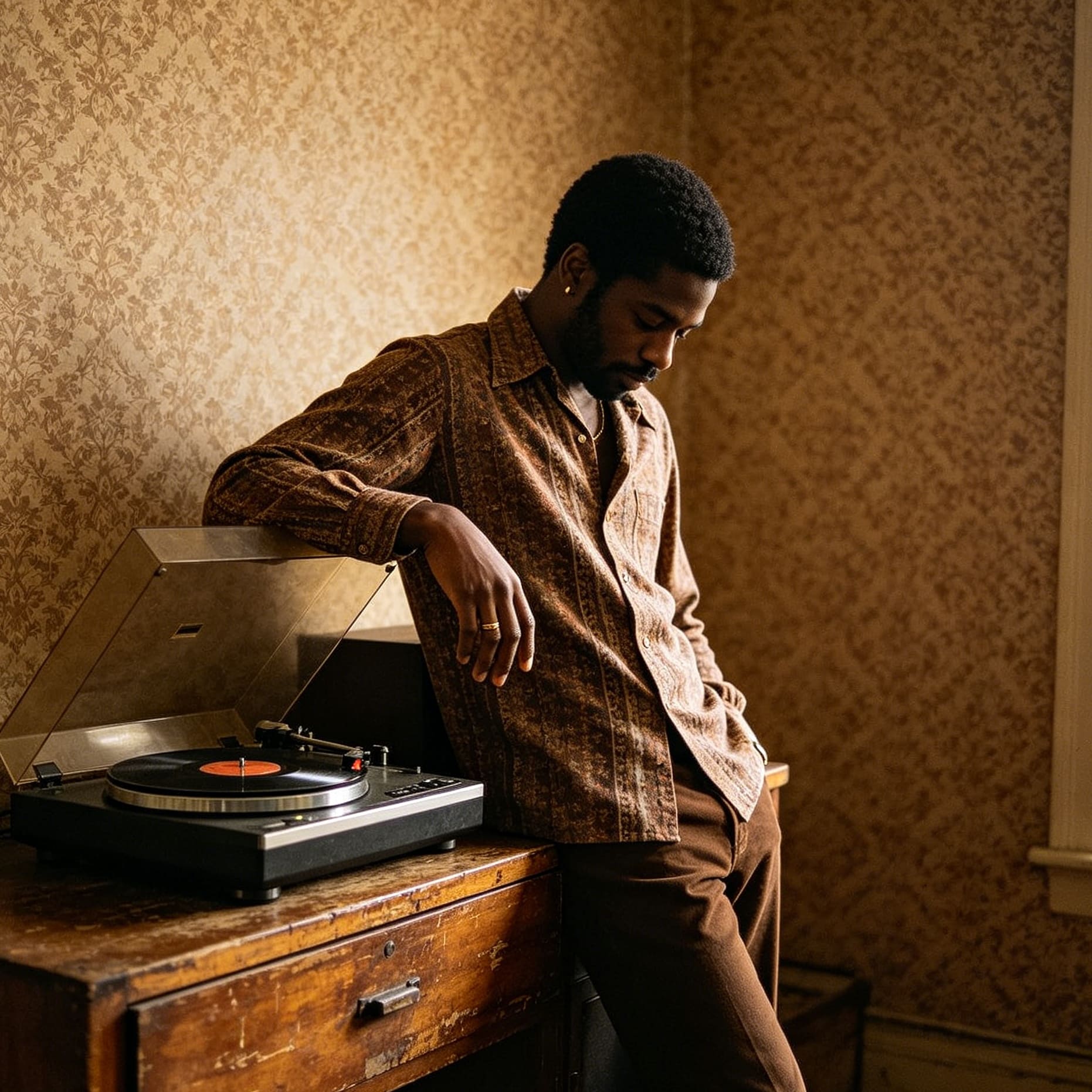
The search for "X-Artistry" in the generative AI space often leads to a common intersection of two distinct categories: mobile-first creativity apps and high-end neural video synthesis models. Specifically, the most prominent tool matching this description is X Art: AI Image & Video Maker, developed by Boby AI. While "AI Artistry" exists as a separate photo enhancement suite, it is X Art that bridges the gap between static portraits and short-form video animations.
For creators looking to turn a single photograph into a cinematic clip, the landscape has shifted from manual keyframing to sophisticated diffusion models. Understanding how X Art fits into the broader ecosystem—which includes giants like Runway, Luma, and Kling—is essential for anyone aiming to leverage AI for visual storytelling.
Clarifying the X Art Identity and Functionality
X Art is primarily an iOS-based application designed for users who want immediate, stylized results without the steep learning curve of professional desktop software. It operates on a credit-based system (coins) and focuses on two primary creative paths: Style Mode and Studio Mode.
The Mechanism of Studio Mode
The "Studio Mode" is the core feature relevant to the image-to-video query. Unlike traditional editors that apply a simple filter, this mode uses a blending algorithm. Users upload two reference photos—typically a subject and a thematic background—and the AI synthesizes them into a short video sequence. The output isn't just a static blend; it involves the AI predicting how the light and texture of the second image should wrap around the geometry of the first.
In our testing of the app, the generated videos are optimized for social media, particularly vertical formats like TikTok and Instagram Reels. The resolution is sufficient for mobile viewing, though it lacks the 4K clarity found in professional-grade web platforms.
The Credit and Subscription Model
X Art follows the prevailing SaaS model for mobile apps. While it offers a "Free" entry point, generating video outputs typically requires a Pro subscription or the expenditure of "coins." This reflects the high computational cost of running inference on video diffusion models. For casual users, the weekly subscription offers a low-barrier way to test the technology before committing to a long-term plan.
How Modern AI Converts Images to Video
To understand why tools like X Art or Runway produce specific results, one must grasp the underlying technology. Current image-to-video (I2V) technology relies on Video Diffusion Models.
When a user uploads an image to an AI generator, the model treats that image as the "anchor frame" (Frame 0). The AI does not actually "animate" the existing pixels in the way a traditional animator would. Instead, it uses a latent diffusion process to "hallucinate" subsequent frames based on a probability distribution of what motion should look like.
The Role of Temporal Consistency
The biggest challenge in AI video is temporal consistency—ensuring that a person's face doesn't change shape between Frame 1 and Frame 24. Professional tools use "Attention Mechanisms" to look back at the original image constantly. X Art simplifies this by using rigid templates, which increases stability but limits the creative freedom to define complex, custom movements.
Depth and Parallax Estimation
High-quality I2V tools perform a hidden step: they estimate the depth map of the 2D image. By understanding which objects are in the foreground and which are in the background, the AI can simulate camera movements like a "Dolly Zoom" or a "Pan." This is what creates the "cinematic" feel that separates a high-end AI video from a simple Ken Burns effect.
Leading Alternatives for Professional Image to Video Synthesis
While X Art serves the mobile "quick-fix" market, serious creators often look toward specialized web-based platforms. These tools offer granular control over motion, duration, and stylistic fidelity.
Runway Gen-3 Alpha: The Cinematic Standard
Runway remains the industry benchmark. Their Gen-3 Alpha model allows for "Motion Brush" features, where a user can literally paint over the area of an image they want to move (e.g., clouds in the sky or water in a river).
- Pros: Incredible realism, precise camera controls, and high resolution.
- Cons: Higher cost and a steeper learning curve for prompt engineering.
Luma Dream Machine: Realistic Physics
Luma Labs released the Dream Machine to compete directly with the aesthetic of film. It excels at maintaining the "weight" of objects. If you upload a photo of a car, Luma understands how tires interact with pavement better than most mobile apps.
- Best For: Realistic human movement and complex environmental interactions.
Kling AI: Long-Duration Mastery
Hailing from Kuaishou's research labs, Kling AI has gained massive traction for its ability to generate clips up to 10 seconds with high consistency. Most mobile tools are limited to 2-4 seconds.
- Key Feature: Superior handling of complex human actions, like eating or walking, which typically cause other AI models to "glitch."
PixVerse and Arting AI: The Multi-Model Aggregators
Platforms like Arting AI act as a hub, allowing users to choose between different models (Vidu, Kling, Runway) within a single interface. This is ideal for creators who want to "A/B test" their images across different neural architectures to see which one interprets the motion prompt most accurately.
Step-by-Step Guide to Creating AI Videos from Photos
Whether using X Art or a professional suite, the workflow for high-quality output follows a specific logic. Following these steps ensures the AI has the best possible "starting data."
Step 1: Image Selection and Optimization
Not every photo is suitable for animation. The AI needs clear visual cues to understand the scene.
- Contrast: High contrast between the subject and the background helps the AI define boundaries.
- Resolution: While AI can upscale, starting with a sharp 1024px+ image prevents the "blurry face" syndrome in the generated video.
- Composition: Images with a clear "vanishing point" or depth layers (foreground, midground, background) result in better parallax effects.
Step 2: Crafting the Motion Prompt
In tools that allow text input alongside the image, the prompt should describe the movement, not the content. The AI already sees what is in the photo.
- Bad Prompt: "A woman standing in a garden."
- Good Prompt: "Slow cinematic zoom into the woman's eyes, gentle wind blowing through her hair, sun flares across the lens."
- Formula: [Subject Action] + [Camera Movement] + [Environmental Effect] + [Atmospheric Style].
Step 3: Setting the Motion Intensity
Most advanced tools have a "Motion Bucket" or "Motion Scale" slider (usually 1-10).
- Low Scale (1-3): Best for portraits where you only want blinking or slight smiles.
- High Scale (7-10): Best for action shots, splashing water, or fast-moving vehicles. Be warned that high values often lead to "hallucinations" where the AI adds extra limbs or distorts the background.
How to Optimize X Art for Social Media Results
If you are specifically using the X Art app, your strategy should focus on its strengths: style blending.
Leveraging the "Dual Photo" Blend
In X Art’s Studio Mode, the choice of the second "theme" image is critical. If your primary image is a portrait, the second image should have a clear texture—such as neon lights, floral patterns, or futuristic architecture. The AI uses the color palette of the second image to "re-light" the first. This creates a more cohesive video than a simple overlay.
Formatting for Platforms
X Art default outputs are usually vertical. If you intend to use the video for YouTube (16:9), you should crop your original photo to a wide aspect ratio before uploading it to the app. This prevents the AI from having to "fill in" the sides, which often leads to mirrored or distorted edges.
Common Challenges and How to Fix Them
AI video generation is still an emerging field, and "glitches" are frequent. Understanding why they happen helps in troubleshooting.
The "Uncanny Valley" in Talking Portraits
When animating a face, the AI sometimes fails to sync the eyes and the mouth, creating an eerie effect.
- Fix: Use a photo where the subject is looking directly at the camera with a neutral expression. Extreme angles make it harder for the AI to map the facial geometry.
Background Warping
Sometimes, as the subject moves, the background appears to "melt" or stretch. This is known as an "Artifact."
- Fix: Reduce the motion intensity. If the background is too complex (e.g., a crowded city street), try a tool like Runway that allows you to "lock" the background while only animating the subject.
Loss of Identity
In some generations, the person in the video might look slightly different from the person in the original photo.
- Fix: This is common in "heavy" style transfers. To maintain identity, use models that support "Image Prompt Strength" settings, keeping the value high to ensure the AI stays loyal to the source pixels.
The Future of Image to Video: Real-Time and Interactive
We are moving toward a phase where the "X-Artistry" experience won't just be a 3-second clip. The next generation of models, such as OpenAI's Sora (currently in limited release) and Google's Veo, aim for minute-long sequences with consistent storytelling.
Furthermore, we are seeing the rise of "Controlled Generation." Instead of just typing a prompt, creators will be able to use "Keyframes"—uploading a start image and an end image—and let the AI fill in the middle. This transforms the technology from a "random generator" into a professional tool for directors.
Summary of Top Tools for Image to Video
| Tool | Platform | Best For | Complexity |
|---|---|---|---|
| X Art | Mobile (iOS) | Social media avatars, stylized blends | Low |
| Runway Gen-3 | Web | Professional cinematography, precise control | High |
| Luma Dream Machine | Web | High-fidelity physics and realism | Medium |
| Kling AI | Web/Mobile | Long-duration clips (10s), human action | Medium |
| Arting AI | Web | Testing multiple models in one place | Low |
Conclusion
The "x-artistry ai image to video" query highlights a growing demand for accessible, high-quality animation tools. While the X Art app provides a convenient, mobile-friendly gateway for stylized social content, it represents just the tip of the iceberg in a rapidly evolving industry. For those looking for simple, aesthetic transitions and photo-blending, X Art is a capable companion. However, for creators who require cinematic depth, 4K resolution, and precise motion control, platforms like Runway and Luma remain the gold standard. As these technologies continue to merge, the boundary between a "still photo" and a "movie" will continue to disappear, allowing anyone with a smartphone to become a visual storyteller.
FAQ
What is the most popular app for turning photos into AI videos?
Currently, X Art is highly popular for mobile users seeking stylized effects. For web-based professional use, Runway and Luma Dream Machine are the most widely used platforms.
Is there a free AI that converts images to video without a watermark?
Most premium tools like Runway and Luma have watermarks on their free tiers. However, platforms like Arting AI or PixVerse occasionally offer daily free credits that allow for watermark-free downloads, depending on their current promotional offers.
How long does it take to generate an AI video from an image?
On mobile apps like X Art, the process takes about 30 to 60 seconds. High-end web models like Kling or Luma may take 2 to 5 minutes depending on the server load and the complexity of the motion requested.
Can I turn my old family photos into videos?
Yes. This is a popular use case. By uploading a high-resolution scan of an old photo to a tool like Luma or Kling and using a prompt like "gentle head tilt and smiling," you can bring historical portraits to life with respectful, subtle motion.
Why does my AI video look glitchy or distorted?
Distortion usually happens because the "Motion Scale" is set too high or the original image is too cluttered. Try simplifying your prompt or using an image with a clearer distinction between the subject and the background.
Does X Art require a subscription?
X Art follows a "Freemium" model. You can download the app for free, but creating high-quality videos usually requires "coins" (which can be purchased) or a weekly/yearly Pro subscription.
-
Topic: X Art: AI Image & Video Maker on the App Storehttps://apps.apple.com/us/app/x-art-ai-image-video-maker/id6458732330?uo=4
-
Topic: A Complete Guide to Creating AI Videos from Images in Simple Steps - PC Tech Magazinehttps://pctechmag.com/2026/07/a-complete-guide-to-creating-ai-videos-from-images-in-simple-steps/
-
Topic: Image to Video AI Free without Watermark - Arting AIhttps://arting.ai/image-to-video