Home
Home
Why AI Generated Pictures of Women Are Changing the Visual Landscape
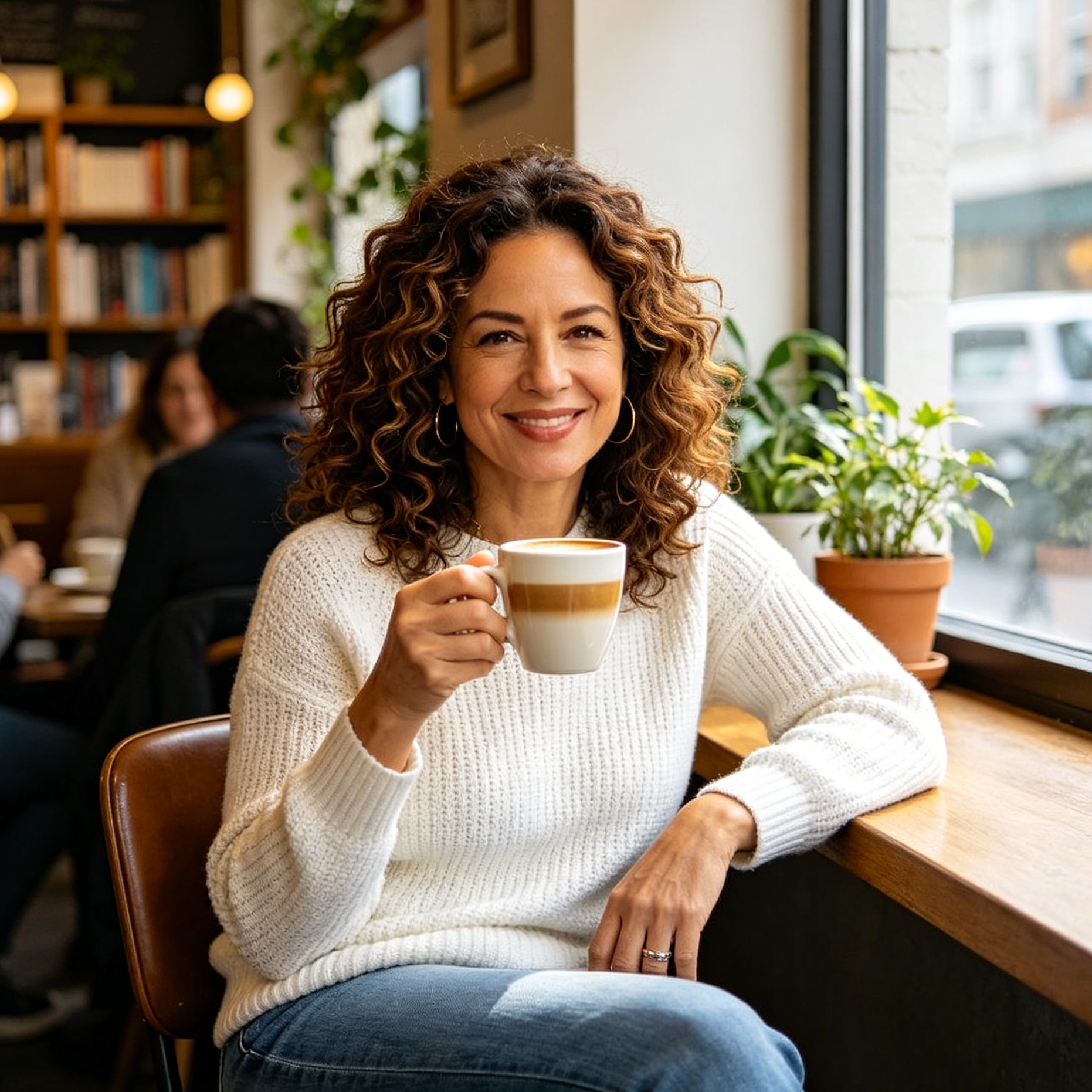
AI-generated visuals of women have transitioned from "uncanny valley" experiments to indistinguishable photorealistic assets in less than two years. Driven by diffusion models and massive datasets, these digital creations are no longer just curiosities; they are foundational elements in modern advertising, game design, and social media branding. However, the rise of AI women pictures brings a complex mix of creative liberation and significant ethical dilemmas that demand a deeper understanding of the underlying technology and its societal impact.
The Technology Powering Synthetic Female Imagery
The creation of AI pictures of women relies on deep learning architectures known as diffusion models. Leading tools like Midjourney, Stable Diffusion, and the newer Flux.1 have democratized the ability to produce high-fidelity portraits that once required a full photography crew and expensive post-production.
In practical testing, the choice of model drastically alters the output. Midjourney v6, for instance, excels at "aesthetic" excellence, often applying an inherent cinematic lighting to female subjects even without specific instructions. On the other hand, Stable Diffusion (especially SDXL) offers granular control through ControlNet, allowing creators to dictate exact poses or skeletal structures, which is essential for fashion consistency.
For professionals running local instances, hardware requirements are a significant barrier to entry. Generating high-resolution, multi-subject images using models like Flux.1 [dev] ideally requires at least 24GB of VRAM (such as an NVIDIA RTX 3090 or 4090) to maintain speed and detail. Without sufficient hardware, the AI often struggles with "micro-hallucinations," leading to distorted finger counts or inconsistent iris patterns—common tells of synthetic imagery.
Diverse Applications in the Digital Economy
The commercial demand for AI-generated female imagery spans multiple sectors, primarily driven by cost-efficiency and the ability to customize every pixel.
Commercial Stock and Marketing
Traditional stock photography often lacks the specific diversity or niche scenarios required by modern brands. AI allows marketers to generate images of a woman in a "futuristic high-tech kitchen with neon accents" or a "senior woman using a VR headset on a first-class flight" without the logistics of a physical shoot. This flexibility is invaluable for A/B testing in digital ads, where changing a subject's hair color or clothing style can be done in seconds.
Gaming and Character Concepting
In the pre-production phase of video games, AI serves as a powerful concepting tool. Concept artists can iterate through hundreds of designs for female protagonists—varying between sci-fi cybernetic enhancements and traditional cultural attire like Japanese yukatas or Korean hanboks—before committing to a 3D model.
Social Media and Identity
The rise of "AI Influencers" represents a significant shift in social media marketing. Virtual personas, created entirely through AI, can engage with audiences 24/7 without the risks associated with human celebrities. These images are often tuned for high engagement, featuring hyper-stylized aesthetics that challenge our perceptions of reality.
The Role of Prompt Engineering in Achieving Realism
Achieving high-quality AI pictures of women requires more than just typing "a beautiful woman." Experienced creators use specific prompt structures to bypass the AI's tendency toward "plastic-looking" skin and generic features.
In our internal workflows, we have found that adding technical photography metadata to a prompt significantly improves the outcome. For example, instead of a generic prompt, using:
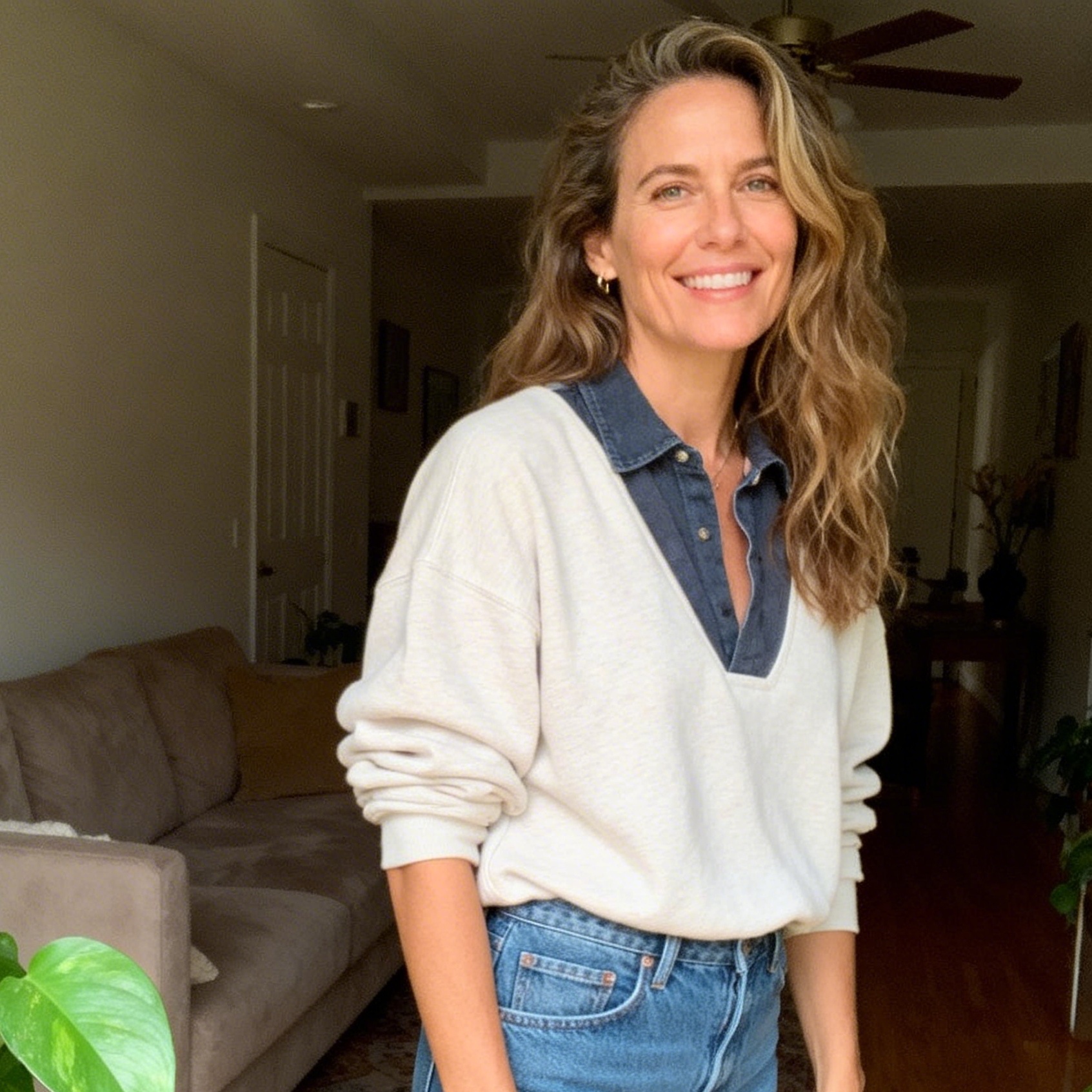
"Candid portrait of a 35-year-old woman, 85mm lens, f/1.8, natural morning light, fine skin texture, visible pores, slight freckles, soft focus background."
This level of detail forces the AI to move away from the "over-smoothed" beauty filter effect that plagues many default outputs. Subjective observations suggest that Midjourney tends to favor a specific "Instagram-face" aesthetic—characterized by high cheekbones and small noses—unless the user consciously prompts for diverse facial structures and realistic aging signs.
The Ethical Landscape: Stereotypes and the Male Gaze
As AI models are trained on vast swathes of the internet, they inevitably inherit and amplify human biases. This is particularly evident in the depiction of women.
Reinforcement of Beauty Standards
AI models frequently default to narrow, idealized beauty standards. When prompted for "a professional woman," many models disproportionately generate young, thin, and predominantly white subjects. This feedback loop risks reinforcing systemic biases, making it harder for diverse representations to emerge organically in synthetic media.
The Problem of the "Male Gaze"
Critics and researchers point out that a significant portion of AI-generated female imagery is designed through the lens of the "male gaze." This results in the hyper-sexualization of virtual women, even when the original prompts do not request such themes. The algorithmic tendency to prioritize certain "pleasing" aesthetics can lead to the marginalization of authentic body types and age-appropriate representations.
The Deepfake Crisis and Consent
Perhaps the most severe ethical concern is the weaponization of AI for creating non-consensual imagery. The same technology that allows a small business to create an ad also allows bad actors to generate deepfakes. This poses an existential threat to personal privacy and safety, leading to a global push for stricter AI watermarking and legal frameworks that criminalize non-consensual synthetic content.
Overcoming Algorithmic Bias
To create better, more representative AI pictures of women, the responsibility lies with both the developers and the users. Developers are increasingly implementing "system prompts" that secretly inject diversity keywords into user queries to balance the output.
For users, the best practice is "conscious prompting." This involves:
- Specifying Age and Ethnicity: Actively requesting different age groups (e.g., "woman in her 50s") to break the youth-centric bias.
- Negative Prompting: Using negative prompts like
(deformed, plastic skin, anime, hyper-sexualized, airbrushed)to steer the model toward realism and away from stereotypes. - Reference Images: Using "Image-to-Image" or "IP-Adapter" workflows to ensure the AI follows a specific, diverse reference rather than relying on its biased internal training data.
Future Trends in AI Visuals
The next frontier for AI women pictures is "Character Consistency." New technologies are making it possible to generate the same virtual woman across different scenes, outfits, and lighting conditions with 100% accuracy. This will revolutionize long-form storytelling, such as AI-generated films and digital novels.
Furthermore, the integration of AI with augmented reality (AR) will soon allow these synthetic personas to inhabit our physical spaces. As the line between the digital and physical blurs, the focus will shift from "how" these images are made to "what" they represent in our shared culture.
Summary
AI-generated pictures of women represent a dual-edged sword of digital innovation. While they offer unprecedented creative opportunities for businesses and artists, they also mirror the biases and ethical failings of the datasets they were built upon. The path forward requires a blend of technical mastery—using advanced prompt engineering to ensure realism—and a critical eye toward the social implications of synthetic identities.
FAQ
What is the best AI for generating realistic pictures of women? Midjourney v6 is widely considered the best for out-of-the-box photorealism and artistic lighting. However, Stable Diffusion (SDXL) and Flux.1 are superior for users who need total control over the pose, clothing, and environment through custom plugins.
How can I make AI-generated women look more realistic? To avoid a "fake" look, use prompts that specify photography gear (e.g., "shot on 35mm film") and include details about human imperfections like "fine lines," "uneven skin tone," or "stray hairs." Avoid using words like "perfect" or "flawless," which trigger the AI's smoothed-out filters.
Is it legal to use AI-generated women in advertising? Generally, yes, AI-generated images can be used for commercial purposes, but the copyright laws are still evolving. In many jurisdictions, AI-generated content cannot be copyrighted, meaning competitors might be able to use your images. Always check the terms of service of the specific AI tool (e.g., Midjourney requires a Pro plan for full commercial rights).
How do I prevent AI from generating biased or sexualized images? Use strong negative prompts to exclude unwanted styles and be very specific in your positive prompts about the setting and clothing. Using "professional" or "candid" as modifiers can help steer the AI toward more neutral and respectful depictions.
-
Topic: 289,899 Ai Generated Woman Stock Photos - Free & Royalty-Free Stock Photos from Dreamstimehttps://www.dreamstime.com/photos-images/ai-generated-woman.html
-
Topic: 12,204 Ai Generated Woman Futuristic Stock Photos - Free & Royalty-Free Stock Photos from Dreamstimehttps://www.dreamstime.com/photos-images/ai-generated-woman-futuristic.html
-
Topic: 9 805 Ai Woman Face Royalty-Free Images, Stock Photos & Pictures | Shutterstockhttps://www.shutterstock.com/search/ai-woman-face?page=12