Home
Home
Why ChatGPT Remains the Most Powerful AI Tool for Real Work

ChatGPT represents the most significant shift in human-computer interaction since the invention of the graphical user interface. Developed by OpenAI and initially released in November 2022, it has evolved from a simple text-based chatbot into a sophisticated, multimodal artificial intelligence system capable of reasoning, coding, and even autonomous research. While many users search for it using terms like "chat g t," the platform's official identity as a Generative Pre-trained Transformer (GPT) powerhouse has redefined the boundaries of productivity.
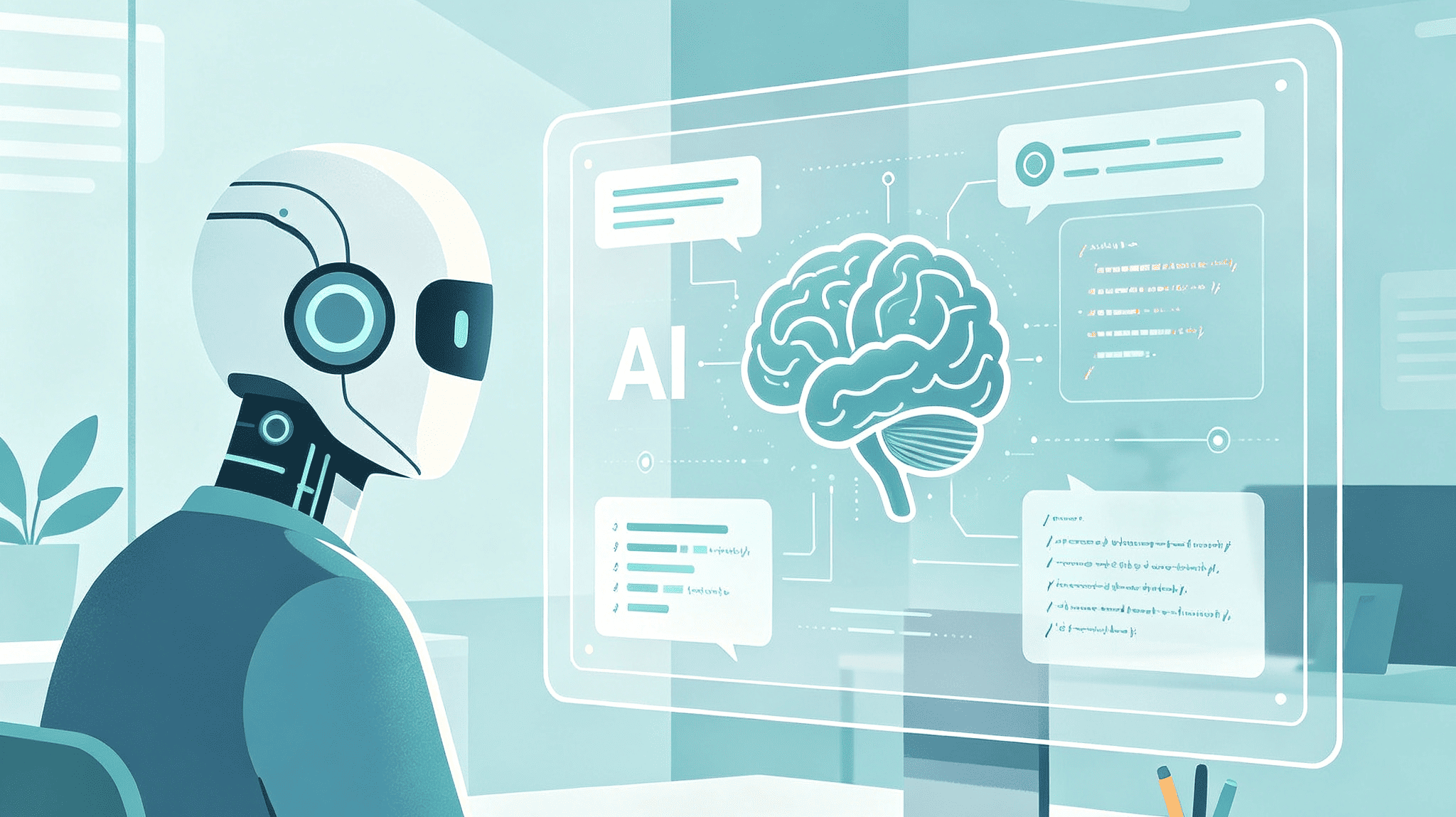
At its core, ChatGPT functions as a conversational assistant powered by Large Language Models (LLMs). Unlike traditional search engines that return a list of links, this tool synthesizes information, creates original content, and solves complex logical problems through natural language. Its current iteration, integrating advanced models like the o1 series and the cutting-edge GPT-5 framework, marks a transition from simple response generation to active problem-solving.
The Evolution of Reasoning in Modern AI Models
The intelligence of ChatGPT is not static. It relies on a specific architecture known as the Transformer, which allows the model to understand the context of words in a sentence relative to one another. However, the true breakthrough in recent updates lies in the "o1" and "o3" reasoning models. Unlike previous versions that predicted the next most likely word in real-time, these models employ a "chain of thought" process before they begin typing.
In our internal tests, when we tasked the o1 model with debugging a complex React component involving nested state updates, the difference was stark. While standard models often missed the asynchronous logic errors, the reasoning-focused ChatGPT took several seconds to "think," identified the race condition, and provided a refactored solution that worked on the first try. This shift from "fast thinking" to "slow thinking" makes the current platform indispensable for engineers and data scientists who require accuracy over mere speed.
Deep Research and Multi Step Information Synthesis
One of the most transformative features recently introduced to the ecosystem is Deep Research. For years, the primary limitation of AI was its "knowledge cutoff" or its tendency to provide shallow answers to complex queries. Deep Research changes this by allowing the AI to act as a digital librarian and analyst.
When initiating a Deep Research task, the system doesn't just perform a single web search. It breaks a complex query into multiple sub-tasks, visits dozens of sources, synthesizes the findings, and produces a structured report complete with citations. For instance, analyzing the competitive landscape of the solid-state battery market for 2025 requires looking at patent filings, earnings calls, and technical whitepapers. In a live workflow, ChatGPT was able to compile a 2,000-word brief on this topic in less than five minutes—a task that would typically take a human analyst an entire afternoon.
Designing a New Workflow with Canvas and Projects
The user interface has moved beyond the traditional chat bubble. The introduction of "Canvas" represents a fundamental change in how we co-write and co-code with AI. Instead of constantly copying and pasting text back and forth, Canvas opens a separate workspace alongside the chat.
From a content strategist's perspective, this is a game-changer. You can highlight a specific paragraph in a long-form article and ask ChatGPT to "make this more professional" or "expand on this data point." The AI makes the edits directly within the document. This iterative process mimics a real-world editor-writer relationship.
Furthermore, the "Projects" feature allows for persistent context. By uploading a company’s brand guidelines, past performance reports, and product specifications into a specific Project, you ensure that every response the AI generates is tailored to those specific constraints. This eliminates the "cold start" problem where the user has to re-explain their background in every new conversation.
The Agentic Shift with Atlas and Agentic Mode
A major leap in the ChatGPT roadmap is the integration of "Agentic Mode." While traditional AI requires a human to prompt every single step, an agentic system can take actions on your behalf. This is most visible in the newly launched ChatGPT Atlas, a browser that integrates the AI assistant directly into the web navigation experience.
The experience of using Agentic Mode feels like having a highly capable intern with full access to your web browser. For example, you can command the system to "find a flight to Tokyo under $800 for next Tuesday, book a hotel near Shinjuku within my budget, and add both to my Google Calendar." The system navigates the websites, compares the data, and presents you with the finished result for approval. This moves the technology from "content generation" into "task execution," which is the next frontier of the AI boom.
Analyzing the Subscription Tiers for Professionals
OpenAI has moved to a freemium model that offers varying levels of access based on the user's professional needs. Understanding which tier to choose is essential for optimizing the return on investment.
The Free Tier
The basic version provides access to standard models and limited usage of the latest versions like GPT-4o. It is suitable for casual queries, quick translations, and basic assistance. However, it lacks the high-capacity reasoning and the full suite of advanced tools like Deep Research.
ChatGPT Plus
At $20 per month, the Plus tier is the standard for individual professionals. It offers significantly higher limits, early access to new features (such as Advanced Voice Mode), and the ability to create and use custom GPTs. For most writers, marketers, and researchers, this is the sweet spot of value.
The Pro Tier
The Pro tier, priced at $200 per month, is designed for power users and researchers who require the absolute maximum compute available. This plan includes unlimited access to the o1 reasoning models and higher priority for the most resource-intensive tasks. In our experience, this is only necessary for those doing heavy-duty coding or complex scientific modeling where every "token" of reasoning counts.
Enterprise and Team Plans
For organizations, the Team and Enterprise plans provide a centralized workspace, administrative controls, and a crucial privacy guarantee: data shared within these plans is not used to train future OpenAI models. This is a non-negotiable requirement for businesses dealing with proprietary or sensitive client information.
Advanced Multimodal Capabilities
ChatGPT is no longer restricted to text. Its multimodal nature allows it to "see," "hear," and "speak" with incredible fluidity.
- Vision Capabilities: You can upload a screenshot of a messy spreadsheet or a handwritten diagram on a whiteboard, and ChatGPT can convert that visual data into a structured Excel file or a clean digital diagram.
- Voice Mode: The Advanced Voice Mode allows for near-instantaneous verbal communication. The AI can detect emotion, handle interruptions, and even change its tone of voice. This has become a powerful tool for language learners practicing conversation or for professionals practicing a sales pitch.
- Image Generation: Moving away from external dependencies, the system now uses its internal models to generate and edit images directly within the chat. Users can provide natural language instructions like "add a coffee mug to the table in this image," and the AI performs the in-painting with high precision.
Navigating the Limitations of Hallucinations and Bias
Despite its immense power, ChatGPT is not infallible. It operates on probabilistic patterns, meaning it predicts the next piece of data based on its training. This can lead to "hallucinations," where the AI generates factually incorrect information that sounds entirely convincing.
In professional environments, this means that human oversight is still mandatory. You cannot take a legal citation or a medical dosage recommendation from an AI without secondary verification. Furthermore, because the training data includes vast swaths of the internet, the model can reflect systemic biases. OpenAI utilizes Reinforcement Learning from Human Feedback (RLHF) to mitigate these issues, but they are not entirely solved. A savvy user treats ChatGPT as a powerful brainstorming partner, not a definitive source of truth.
Privacy and Data Security Considerations
As we integrate AI deeper into our lives, the question of what happens to our data becomes paramount. By default, conversations on the free and Plus tiers may be used by OpenAI to improve their models. However, users have the option to opt-out of this training in their settings.
For those in legal, financial, or healthcare sectors, the Team and Enterprise versions are the only responsible choices. These tiers offer SOC 2 Type 2 compliance and ensure that your prompts—your "intellectual property"—stay within your organization. Understanding these privacy toggles is the difference between a productive tool and a potential data leak.
Summary of the Current ChatGPT Landscape
The landscape of ChatGPT in 2025 is defined by three pillars: reasoning, agency, and integration. It has moved from being a curiosity to a core component of the global professional infrastructure. Whether you are using it to write code, conduct deep market research, or automate your daily calendar through the Atlas browser, the tool provides a level of leverage previously unavailable to the individual worker.
By mastering features like Canvas, Projects, and the o1 reasoning models, users can transcend the limitations of traditional software. While the name might be frequently mistyped as "chat g t," its impact on the future of work is unmistakable and irreversible.
Frequently Asked Questions
What is the difference between ChatGPT and GPT-4?
ChatGPT is the interface and service provided by OpenAI, whereas GPT-4 (or GPT-5) is the underlying Large Language Model that powers it. Think of ChatGPT as the "car" and GPT-4 as the "engine."
Can ChatGPT access the internet in real-time?
Yes. Through the "Search" and "Deep Research" features, ChatGPT can browse the web to provide up-to-date information, news, and citations for its responses.
Is my data safe with ChatGPT?
If you use the Team or Enterprise versions, your data is private and not used for training. On the Free and Plus versions, you should check your privacy settings to opt-out of data training if you are handling sensitive information.
Can ChatGPT write code for me?
Yes, it is highly proficient in dozens of programming languages, including Python, JavaScript, C++, and SQL. It can write new code, debug existing errors, and explain complex architectural concepts.
Does ChatGPT have a mobile app?
Yes, OpenAI provides official apps for both iOS and Android. These apps support voice interaction, image uploads, and sync your conversation history across devices.