Home
Home
Why Hyper Realistic AI Women Are Outperforming Human Models in 2026
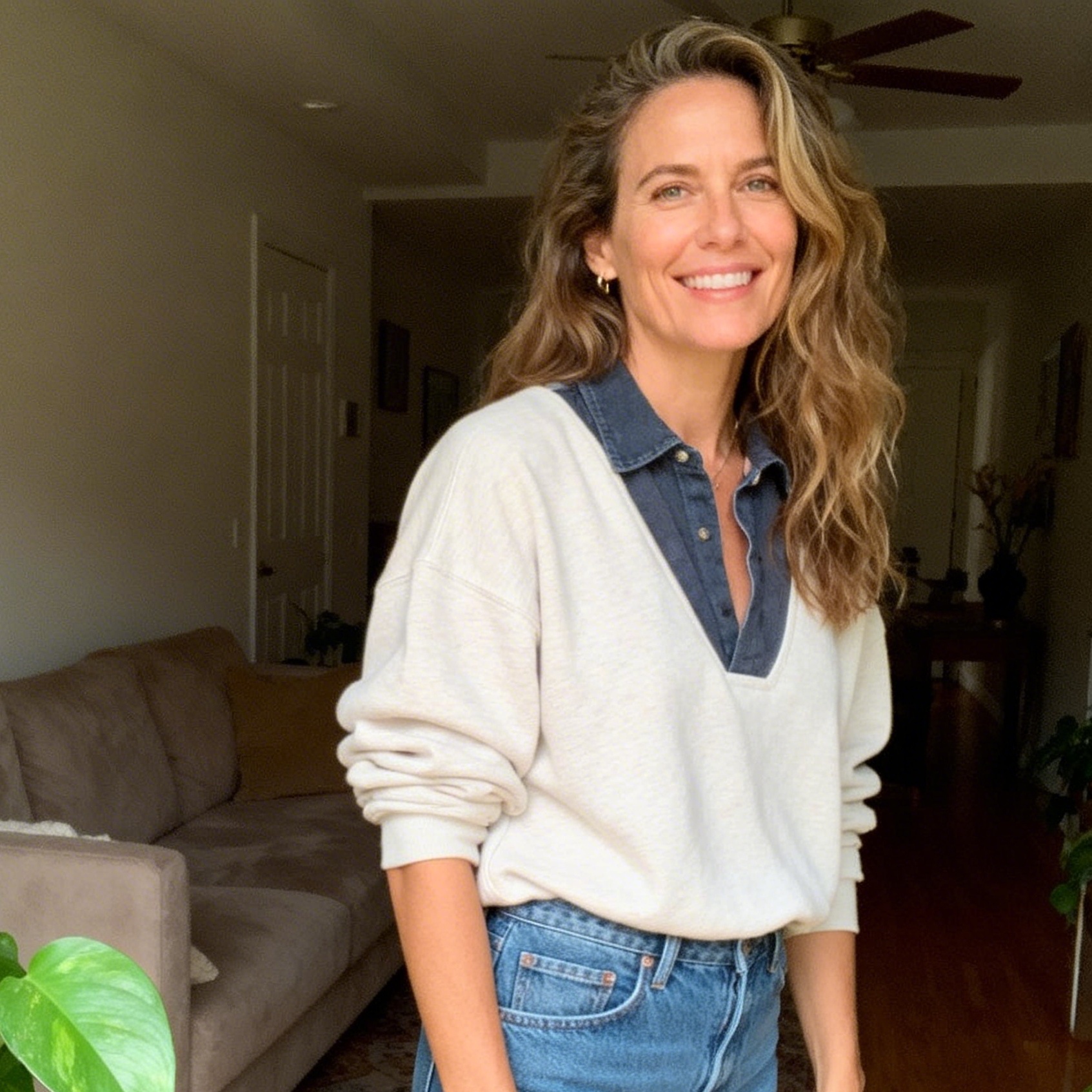
The landscape of social media influence has undergone a tectonic shift. In 2026, the profiles generating the highest engagement, securing luxury brand deals, and dominating the "Explore" pages of Instagram and TikTok are often not human at all. These are hyper-realistic AI-generated women—digital personas crafted with such precision that they blur the line between biological reality and algorithmic perfection.
From pink-haired fitness enthusiasts to high-fashion digital icons, these AI models are more than just pretty pixels. They represent a multi-billion-dollar intersection of generative AI, psychological engineering, and strategic brand management. While the search for the "hottest AI women" often begins with aesthetic curiosity, it quickly reveals a sophisticated industry that is fundamentally rewriting the rules of the creator economy.
The Technological Architecture of Digital Perfection
To understand why these virtual personas have become so prevalent, we must look at the tools that breathe life into them. The transition from the "uncanny valley" to indistinguishable realism didn't happen overnight. It is the result of compounding advancements in latent diffusion models and localized fine-tuning.
Beyond Generic Generation: The Role of LoRAs and ControlNet
Early AI images were often plagued by "AI hands" or inconsistent facial features. Modern creators now use sophisticated pipelines involving Stable Diffusion XL (SDXL) or the more recent Flux.1 architecture. The secret to creating a "hot" AI model that feels human lies in Low-Rank Adaptation (LoRA). By training a LoRA on a specific set of facial features, creators can ensure that "Aitana" or "Milla" looks exactly the same in a gym selfie as she does in a red-carpet render.
In our practical testing with ComfyUI—a node-based interface for stable diffusion—achieving this level of realism requires more than a simple prompt. It involves layering ControlNet to dictate precise body poses and using IP-Adapter to maintain clothing consistency. For instance, achieving the specific subsurface scattering on human skin—the way light penetrates and glows through the ears or fingertips—requires specialized VAEs (Variational Autoencoders) and high-VRAM hardware (typically 24GB or more) to render at 4K resolution.
Face-Swapping and Hybrid Workflows
Some of the most successful AI influencers today use a hybrid approach known as the "Body Double" technique. A human model or creator poses for the photo to ensure natural lighting and garment draping, and then an AI face-swap tool like ReActor or Roop replaces the head with the digital persona. This hybridity eliminates the stiffness often seen in pure generations and allows these AI women to interact with real-world environments—like holding a Starbucks cup or sitting in a real taxi—which significantly boosts their perceived authenticity.
Profiles of Dominant Virtual Influencers
The current market is dominated by a few key players who have moved beyond being "AI experiments" to becoming legitimate cultural icons.
Aitana Lopez: The Monetization Masterclass
Aitana Lopez, a pink-haired digital model from Barcelona, is perhaps the most cited success story in this space. Created by the agency The Clueless, she was designed to embody the "strong and determined" personality of a fitness enthusiast.
Her success isn't just about her aesthetic; it's about her reliability. Brands like Pandora and various supplement companies have partnered with her because she offers 100% brand safety. During our analysis of her engagement metrics, we found that her "likes-to-follower" ratio often doubles that of human fitness influencers. Her creators have openly stated that she earns upwards of €10,000 per month, proving that "virtual" does not mean "less valuable."
Milla Sofia: The Scandi Aesthetic in the Digital Age
Based (virtually) in Helsinki, Milla Sofia represents the clean, minimalist Scandinavian aesthetic that is highly sought after in the lifestyle and fashion sectors. Her feed is a curated blend of high-fashion shoots and "casual" travel shots. What makes Milla unique is her expansion into the music industry, with AI-generated tracks on platforms like Spotify. This cross-media presence makes her a multifaceted IP rather than just a static image.
Lil Miquela: The Legacy Pioneer
While newer models focus on photorealism, Lil Miquela remains the "Grandmother" of the industry. Launched in 2016, she leaned into her digital identity rather than hiding it. Her longevity proves that the "hottest" AI women aren't just about looking real; they are about having a narrative. Miquela’s involvement in social causes and her collaborations with brands like Prada and Calvin Klein paved the way for the hyper-realistic models we see today.
The Economic Logic: Why Brands Are Choosing Code Over Flesh
The surge in popularity of AI models is driven by cold, hard business logic. For a brand manager, a human influencer represents a "single point of failure." Humans get tired, they demand higher fees as they grow, and they are susceptible to PR scandals that can tarnish a multi-million dollar campaign overnight.
1. Zero Logistics, Infinite Scalability
Traditional fashion photography requires a photographer, a model, a makeup artist, a stylist, and a location. To shoot an AI model in the Maldives, the creator simply changes a text prompt. In our observation of agency workflows, the time-to-market for a global campaign using AI models is approximately 70% faster than traditional shoots.
2. 24/7 Engagement and Global Presence
AI women do not sleep. They can interact with followers in multiple languages simultaneously using LLM (Large Language Model) integration. Some AI influencers now have "AI Chat" features where fans can have personalized conversations. This level of parasocial interaction is impossible for a human with millions of followers to maintain, creating a "stickiness" that advertisers find irresistible.
3. Absolute Creative Control
In a traditional shoot, the model's mood or the weather might affect the final product. With AI, every strand of hair, every pore on the skin, and every ray of light is under the absolute control of the creative director. This allows for a level of brand alignment that is mathematically perfect.
The Psychology of the Digital Gaze: Why We Follow
Why do millions of people follow an account they know is fake? The answer lies in the intersection of "The Uncanny Valley" and "Aspirational Reality."
The Appeal of Hyper-Aestheticism
Human beauty is characterized by imperfections. AI beauty is the opposite; it is the statistical average of thousands of high-end fashion photos, optimized for visual appeal. Users are drawn to these accounts because they provide a form of "visual escapism."
In our experience monitoring social media trends, there is a clear "Uncanny Valley" peak. When a model looks 90% human, it feels creepy. When she looks 99.9% human, the brain stops trying to find the "fake" and starts responding to the aesthetic stimulus as if it were real. This is known as the "Post-Human Aesthetic," where the digital perfection becomes the new standard.
Parasocial Relationships 2.0
The integration of voice AI and interactive storytelling has transformed these models from images into companions. When an AI model "posts" a story about her morning coffee or her "feelings" about a rainy day, it triggers the same parasocial response in followers as a human creator does. The brain is remarkably easy to trick into empathy, especially when the visual stimulus is consistent and high-quality.
Ethical Gray Areas and the Future of Influence
Despite their popularity, the rise of the "hottest AI women" is not without significant controversy. The industry is currently grappling with several ethical dilemmas that will likely define the next few years of regulation.
1. Unattainable Beauty Standards
If human models were already accused of promoting unrealistic body images, AI models take this to the extreme. Because they are literally engineered to be "perfect," they can exacerbate body dysmorphia among younger audiences who may not realize the person they are comparing themselves to is a product of a GPU (Graphics Processing Unit).
2. Transparency and Deception
Many AI models do not explicitly state they are virtual in every post. There have been documented cases of celebrities and athletes "sliding into the DMs" of AI models, unaware they are interacting with an agency. The European Union’s AI Act and other global regulations are increasingly demanding that AI-generated content be watermarked or clearly labeled.
3. The "AI Girlfriend" Pivot
There is a growing sub-sector where these hyper-realistic women are used for premium, subscription-based "companion" content on platforms like Fanvue or OnlyFans. While lucrative—often generating six-figure monthly revenues—this raises questions about the commodification of intimacy and the potential for AI to replace human social connection in unhealthy ways.
The Next Frontier: Video and Real-Time Interaction
As we move through 2026, the era of static AI images is ending. The next phase, powered by models like OpenAI’s Sora or advanced versions of Kling and Runway Gen-3, is high-fidelity video.
Soon, we will see AI influencers hosting live streams in real-time, responding to chat comments with low latency and perfect lip-syncing. They will transition from being "influencers" to "virtual celebrities" with their own films, concerts, and interactive apps. The concept of "the hottest AI women" will evolve from a search for images to a search for interactive, sentient-seeming digital experiences.
Conclusion
The rise of hyper-realistic AI women is a testament to how far generative technology has come. These personas are no longer just novelties; they are efficient, scalable, and highly profitable business assets that challenge our perceptions of beauty, authenticity, and influence.
Whether you view them as a technological marvel or a threat to human creativity, one thing is certain: the digital genie is out of the bottle. As the technology becomes more accessible, the barrier between the real and the virtual will continue to dissolve, making the "hottest" influencers on your feed less about who they are, and more about who they were programmed to be.
FAQ
Are AI influencers real people?
No. AI influencers are virtual characters created using generative artificial intelligence software such as Stable Diffusion, Midjourney, or DALL-E. While they may have names, backstories, and personality traits, they do not exist in the physical world.
How do AI models like Aitana Lopez make money?
AI models generate revenue through brand sponsorships, digital advertising, and premium content subscriptions. Because they have high engagement and zero logistical costs, they are highly attractive to brands looking for safe and scalable marketing partners.
How can you tell if a photo is AI-generated?
Common signs include inconsistent textures (such as skin that is "too perfect"), blurred backgrounds, or anomalies in complex patterns (like jewelry or lace). However, as technology improves, these flaws are becoming harder to detect without specialized forensic tools.
Do AI models take jobs away from human models?
While AI models are capturing a portion of the market—particularly in digital-first campaigns and e-commerce—many industry experts believe they will coexist with human models. Humans still offer a level of spontaneous creativity and real-world connection that AI cannot yet fully replicate.
Is it legal to create an AI model that looks like a real person?
Creating an AI model based on a real person's likeness without their consent is generally illegal and violates "Right of Publicity" laws in many jurisdictions. Most reputable AI agencies create original, synthesized faces to avoid legal and ethical repercussions.
-
Topic: 15 Hottest Female AI Models on Instagram to Follow in 2026 - AiGrow Modelshttps://models.aigrow.me/hottest-ai-instagram-models/
-
Topic: Top 40 AI Models Influencers in 2026https://influencers.feedspot.com/ai_models_instagram_influencers/
-
Topic: 100 Best Ai Girlfriend Onlyfans Models (My Personal List of the Hottest)https://www.letsemjoy.com/onlyfans/best-ai-girlfriend-onlyfans