Home
Home
Why Modern AI Voice Changers Are Redefining Digital Identity and Online Privacy

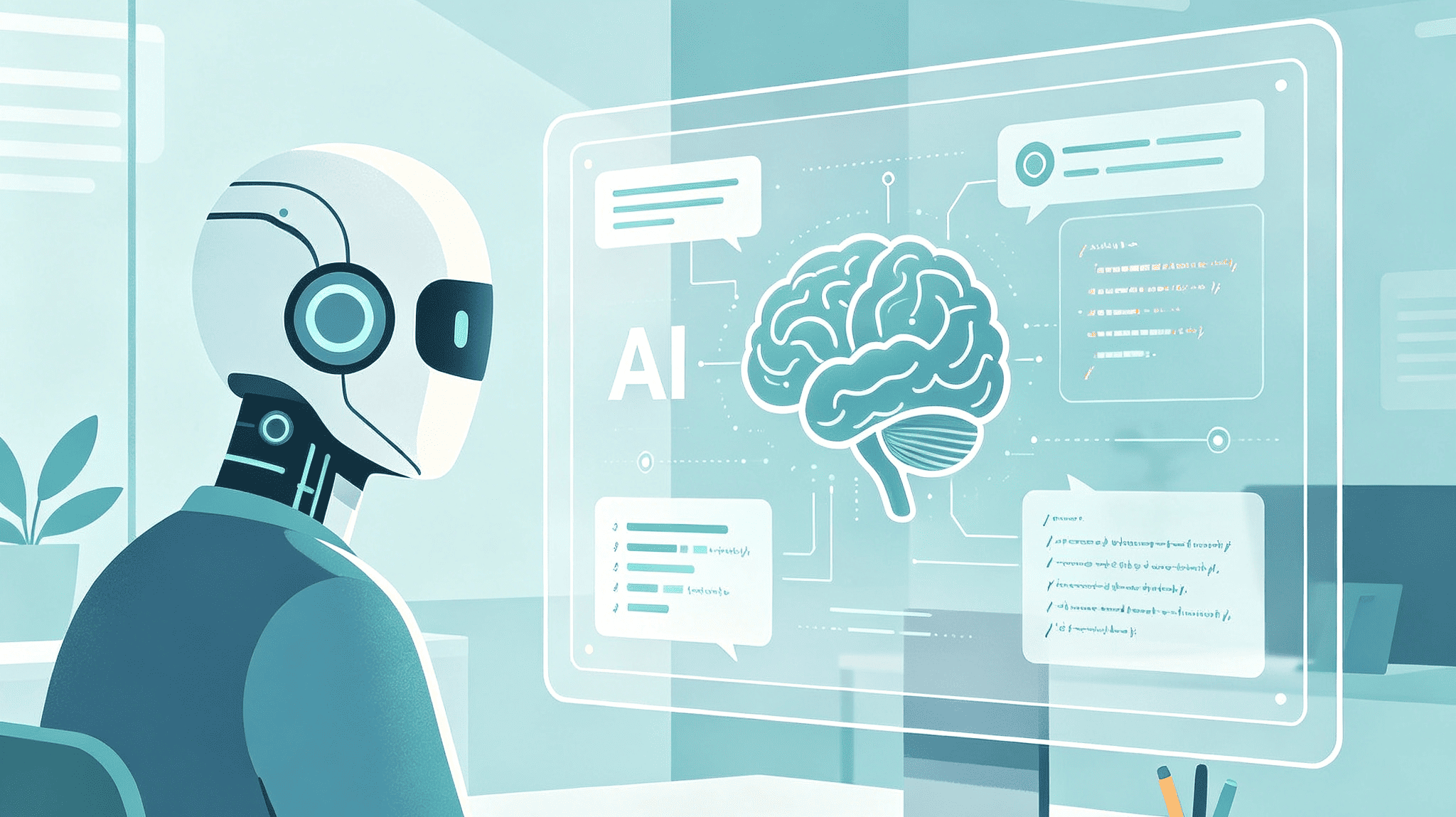
A voice changer is a specialized tool designed to modify the characteristics of a human voice, transforming its pitch, timbre, and tone in real-time or post-production. At its simplest level, it acts as an electronic filter; at its most advanced, it leverages deep learning and neural networks to perform near-perfect vocal impersonations. Once a novelty used in prank calls or sci-fi cinema, these tools have transitioned into essential assets for gamers, content creators, and privacy-conscious internet users.
The modern landscape of vocal modification is primarily driven by Digital Signal Processing (DSP). By recalculating the mathematical properties of an audio signal, a voice changer can shift the fundamental frequency (pitch) without distorting the timing of the speech. With the emergence of Artificial Intelligence, these tools now analyze the unique "vocal fingerprint" of a speaker and remap it onto a target model, enabling transformations that sound indistinguishable from a natural human voice.
The Evolution of Vocal Modulation Technology
Understanding how voice changers arrived at their current state requires looking back at the transition from analog hardware to cloud-based AI.
Analog and Early Digital Foundations
The earliest voice changers were rudimentary electronic devices often used over telephone lines. These relied on analog circuits to distort the audio signal, typically resulting in a robotic or "alien" sound. In the early digital era, hardware units used simple pitch-shifting algorithms. While effective for basic anonymity, they lacked the nuance required for high-fidelity communication.
The Software Revolution and DSP
As personal computers became more powerful, software implementations took over. Digital Signal Processing allowed for more complex manipulations, such as adjusting formants. Unlike pitch, which is the highness or lowness of a sound, formants are the spectral peaks of the sound spectrum of the voice. Adjusting formants is what allows a software program to make a voice sound specifically masculine, feminine, or childlike without creating the "chipmunk effect" associated with simple pitch shifting.
The AI Era: Neural Voice Cloning
The current pinnacle of this technology is AI-driven voice conversion. These systems use Generative Adversarial Networks (GANs) or Variational Autoencoders (VAEs) to learn the mapping between two different voices. Instead of just shifting frequencies, the AI understands the emotional inflection and rhythmic patterns of the speaker. This allows for real-time "voice skins" that can make a user sound like a completely different individual while maintaining the expressive nuances of their original speech.
Core Technical Parameters of Sound Modification
To effectively use a voice changer, it is essential to understand the underlying parameters that define a vocal identity.
Fundamental Frequency (F0) and Pitch
Pitch is the perceived frequency of a sound. In vocal modification, shifting the pitch is the most common adjustment. Increasing the frequency results in a higher voice, while decreasing it creates a deeper, more resonant sound. However, modern professional tools ensure that changing the pitch does not alter the speed of the audio, a process known as time-stretching.
Formant Shifting
The vocal tract has specific resonant frequencies called formants. These are determined by the physical shape of the throat, mouth, and nasal cavity. A voice changer that only modifies pitch will sound unnatural. By shifting formants, the software simulates a change in the physical size of the vocal tract. For example, shifting formants upward simulates a smaller vocal tract (making the voice sound younger or more feminine), while shifting them downward suggests a larger physical stature.
Timbre and Texture
Timbre is the "color" or quality of the sound that distinguishes different voices even when they are at the same pitch and volume. Advanced voice changers allow users to add texture, such as raspiness, breathiness, or metallic resonance. In high-end AI models, timbre is managed through latent space vectors that represent the unique stylistic components of a target voice.
Practical Applications in Modern Digital Spaces
The use of voice changers has expanded far beyond entertainment, finding utility in professional and security-sensitive environments.
Gaming and Immersive Roleplay
In competitive gaming and massive multiplayer online games (MMOs), players often use voice changers to enhance their roleplaying experience. A player portraying a giant or an orc can use a real-time modulator to lower their pitch and add a gravelly texture, increasing the immersion for everyone in the session. Streaming platforms like Twitch and YouTube have further popularized this, with many "Vtubers" (Virtual YouTubers) using voice modulation to align their vocal output with their digital avatars.
Content Creation and Anonymity
YouTubers and podcasters often utilize voice changers for several reasons:
- Character Variety: A single creator can voice multiple characters in a skit or narrative without hiring external talent.
- Privacy Protection: Creators covering sensitive topics or those who wish to remain anonymous can mask their identity. This is particularly vital in investigative journalism or documentaries where sources need to speak without being recognized.
- Production Quality: Tools like AudioDirector 365 allow creators to "clean" their voice, removing background noise while subtly enhancing the tone to sound more professional.
Professional Audio and Film Production
In the film and music industries, voice changers are used for post-processing. Sound engineers may use these tools to create harmonies from a single vocal track or to generate non-human voices for creatures in sci-fi and fantasy films. This eliminates the need for heavy physical makeup or prosthetic-related vocal strain for actors.
Security and Personal Safety
On the internet, voice can be a bio-metric identifier. For individuals concerned about digital stalking or data harvesting, using a subtle voice modulator during VoIP calls (like Discord or Zoom) can prevent voice-matching algorithms from identifying them across different platforms.
A Comparative Analysis of Top Voice Changer Solutions
Choosing the right tool depends on whether the goal is real-time interaction or post-production editing.
Real-Time Software Solutions
These programs create a "virtual microphone" in the operating system, allowing the modified voice to be used in any application that accepts microphone input.
- MorphVox: Known for its low CPU usage, making it ideal for gamers who need to save resources for high-frame-rate gameplay. It offers a wide range of presets, from "Fantasy" characters to "Everyday" personas.
- MagicVox: This tool is highly regarded for its library of seasonal and pop-culture filters. It is particularly popular among the Discord community due to its easy integration and hotkey support, allowing users to switch voices mid-conversation.
- Voxal Voice Changer: A lightweight option that works by intercepting the audio stream before it reaches the application. This makes it compatible with almost any Windows-based software.
Post-Processing and Professional Editing Tools
For creators working with recorded media, the priority is fidelity and control rather than real-time performance.
- AudioDirector 365: Our testing shows this to be one of the most comprehensive tools for vocal transformation. It provides granular control over pitch and timbre. The "Vocal Transformer" feature allows for precise adjustments, making it excellent for correcting a performance or completely reimagining a character's voice in a video project.
- PowerDirector 365: While primarily a video editor, its built-in AI voice changer is surprisingly robust. It allows users to apply vocal skins directly to a video timeline, simplifying the workflow for vloggers who need to change their voice in sync with visual edits.
- Wondershare DemoCreator: This tool excels in educational and tutorial content. Its AI-powered voice changer can transform a standard narration into a professional-sounding voice-over in seconds, which is a significant time-saver for those who may not have a professional microphone setup.
Implementation: How to Set Up a Voice Changer
Setting up a voice changer for live use requires a basic understanding of audio routing.
Step 1: Software Installation and Driver Configuration
Most reputable voice changers will install a virtual audio driver. When the software is active, it takes the input from your physical microphone, processes the audio, and outputs it to a "Virtual Audio Device."
Step 2: Selecting the Output in Target Applications
To use the modified voice in a game or communication app like Discord, you must go to the "Voice & Video" settings of that specific app. Instead of selecting your physical microphone (e.g., "Realtek High Definition Audio"), you should select the virtual device (e.g., "Screaming Bee Audio" or "Voice Changer Virtual Driver").
Step 3: Calibrating for Background Noise
One of the most common issues with voice changers is that they also "process" background noise, which can result in a static-heavy or distorted sound. High-quality tools like AudioDirector 365 include noise reduction features. It is recommended to apply noise gate and suppression before the voice-changing effect to ensure the algorithm only analyzes the human speech components.
Step 4: Testing for Latency
Latency is the delay between speaking and hearing the modified voice. In our practical tests, we found that a latency of over 100 milliseconds can be disorienting for the speaker. To minimize this, ensure that your PC is not under heavy load and use software that utilizes ASIO drivers if available.
Managing Latency and Audio Fidelity Challenges
High-quality vocal modulation is computationally expensive. When using AI-driven models, the system must perform complex matrix multiplications in real-time.
Hardware Requirements for AI Realism
Running state-of-the-art AI voice changers locally often requires a dedicated GPU. For instance, using models based on RVC (Retrieval-based Voice Conversion) typically requires at least 4GB of VRAM for stable real-time performance, while higher fidelity models may demand 8GB or more. Without sufficient hardware, the audio may "stutter" or exhibit digital artifacts.
The Role of Sample Rates
For the best results, both the input and output sample rates should match, typically at 48,000 Hz or 44,100 Hz. Mismatched sample rates can lead to pitch drifting or "popping" sounds in the audio stream. Professional editors always verify these settings in the Windows Sound Control Panel before starting a session.
The Crucial Ethical and Legal Boundaries
As voice-changing technology becomes more powerful, the potential for misuse grows. It is imperative to navigate this field with a strong ethical compass.
The Right of Publicity and Intellectual Property
Voice cloning technology allows users to sound like celebrities or public figures. However, using a person's voice without their explicit consent can violate "publicity rights." In many jurisdictions, the unique characteristics of a person's voice are considered part of their intellectual property. Creating commercial content using a cloned voice without permission is a direct path to legal litigation.
Fraud and Deception
The most severe risk associated with voice changers is their use in social engineering and fraud. Impersonating a bank official, a family member, or a corporate executive to gain access to sensitive information is a criminal offense. AI voice modulation has made "Vishing" (voice phishing) more sophisticated, and users should be aware that the legal consequences for such actions include heavy fines and imprisonment.
Transparency in Content Creation
Ethical content creators often disclose the use of voice modulation, especially if the technology is being used to represent a different person or identity. Maintaining transparency with an audience builds trust and prevents accusations of deceptive behavior.
Summary of Key Takeaways
- Definition: A voice changer alters pitch, formants, and timbre to modify or disguise a human voice.
- Technology: Modern tools have evolved from simple electronic filters to AI-driven neural networks that can mimic human nuances with high precision.
- Key Parameters: Pitch (frequency), Formants (vocal tract resonance), and Timbre (texture) are the three pillars of realistic voice modification.
- Tools: Real-time software like MorphVox and MagicVox are best for gaming and live calls, while AudioDirector 365 and PowerDirector 365 are superior for high-quality post-production.
- Ethics: Users must respect privacy rights and avoid using these tools for fraudulent purposes or without the consent of those being impersonated.
Frequently Asked Questions
Can a voice changer be detected?
Yes, especially simpler ones. Digital signal analysis can often detect "artifacts" or unnatural patterns in shifted frequencies. However, high-end AI voice changers that use neural rendering are much harder to detect with the human ear, though specialized software can still identify the lack of natural micro-fluctuations in the voice.
Are voice changers legal?
Voice changers are legal for entertainment, personal privacy, and creative production. They become illegal when used to commit fraud, harassment, or to violate the intellectual property and publicity rights of others.
Does a voice changer work with any microphone?
Generally, yes. However, the quality of the output is heavily dependent on the quality of the input. A cheap microphone with a high noise floor will produce a distorted modified voice. Using a cardioid condenser microphone with a pop filter is recommended for the best results.
Can I use a voice changer on a mobile phone?
There are hardware adapters that sit between a headset and a phone's 3.5mm jack to change the voice in real-time. There are also apps for iOS and Android, though they are often more limited in processing power compared to PC software due to mobile hardware constraints.
How much does professional voice-changing software cost?
Simple real-time modulators often have free versions with limited presets. Professional-grade suites like AudioDirector 365 typically operate on a subscription model (around $15/month) or a one-time purchase, providing constant updates and higher-quality AI models.
-
Topic: Voice changer - Wikipediahttps://en.m.wikipedia.org/wiki/Voice_changer#Software_implementations
-
Topic: How to Change Your Voice in Audio and Video Clipshttps://www.cyberlink.com/blog/audio-editing/1435/how-to-use-voice-changer-online-windows-free&sa=U&ved=2ahUKEwi6tb2a59eCAxWKk2oFHdRYCkY4ChAWegQIBhAC&usg=AOvVaw3nNHcTwNKGoK6wFbX0KT3Z
-
Topic: Best 7 Voice Changers for PC and How to Use Themhttps://democreator.wondershare.com/audio-editor/free-voice-changer-app-on-pc.html