Home
Home
Why Rancho Coastal Humane Society Remains a Pillar of Compassion in Encinitas
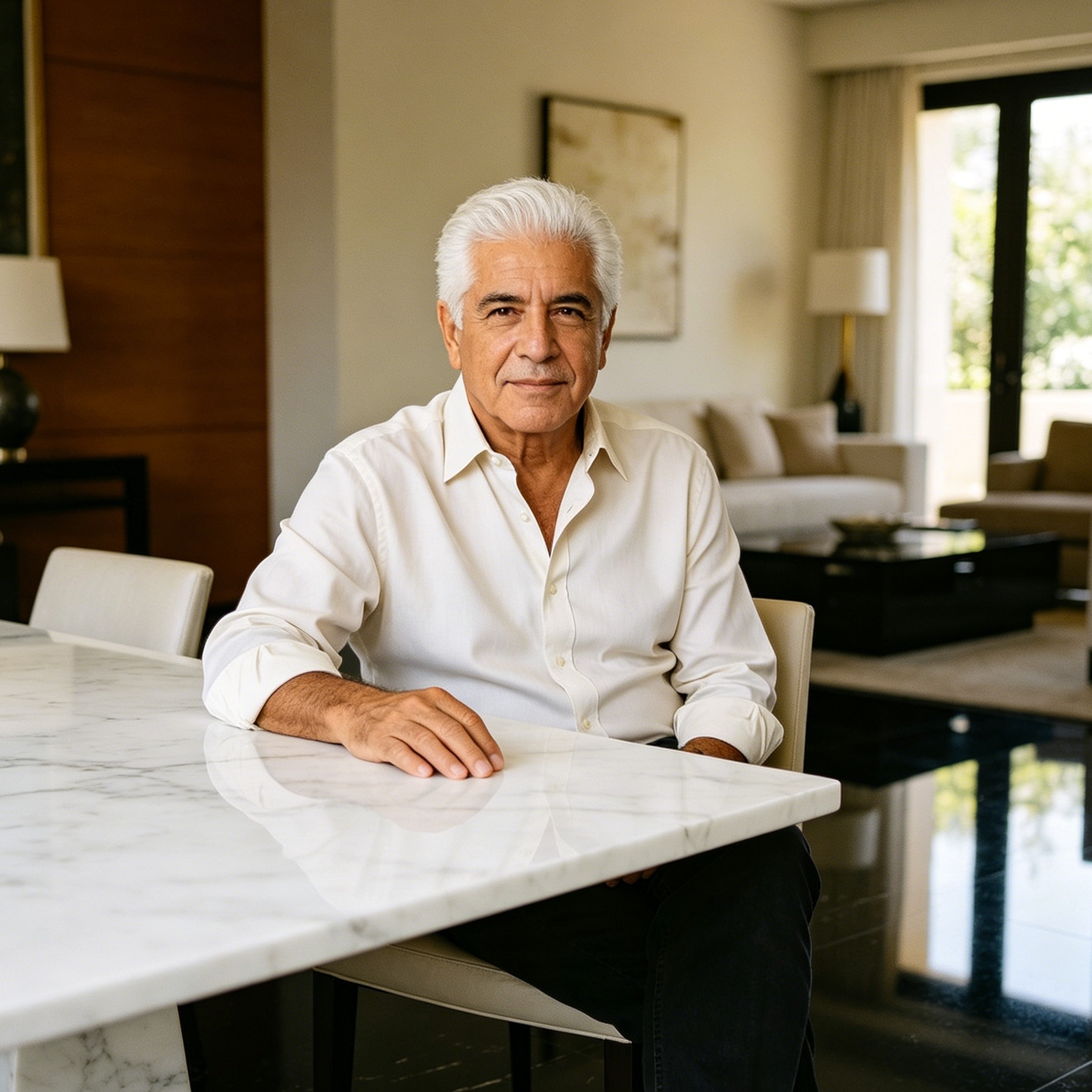
The small yellow house on Requeza Street in Encinitas, California, stands as a testament to more than six decades of unwavering dedication to animal welfare. Since its founding in 1960, the Rancho Coastal Humane Society (RCHS) has evolved from a modest local shelter into a sophisticated multi-service organization that defines the modern standard for humane treatment. Operating as a private, 501(c)(3) nonprofit, RCHS does not rely on government funding, instead flourishing through the deep-rooted support of the San Diego County community.
A Legacy Rooted in the Golden State
The story of Rancho Coastal Humane Society began with Maria K. Lloyd, an ardent animal lover who envisioned a sanctuary where abandoned companion animals could find more than just a temporary cage; they could find a bridge to a better life. When Lloyd purchased the property in 1960, Requeza Street was a dusty dirt road in a quiet coastal town. At that time, the shelter provided refuge not just to dogs and cats, but also to birds, goats, sheep, and a well-known burro named Milton.
As the surrounding landscape transformed with the construction of Interstate 5 and the rapid urbanization of North County, RCHS remained a constant. While the original yellow house still serves as the heart of operations, the facility has modernized significantly to meet the increasing needs of a growing pet population. Today, it stands as a cornerstone of the San Diego Animal Welfare Coalition, adhering to the principles of the Asilomar Accord, which ensures that no healthy or treatable animal is euthanized due to a lack of space or time.
The Science and Heart of the Matchmaking Process
One of the most distinctive features of the Rancho Coastal Humane Society is its philosophy toward pet adoption. Unlike many large-scale shelters that may prioritize high-volume turnover, RCHS employs a "Matchmaking" strategy. This approach is built on the understanding that a successful adoption is not a transaction but the formation of a lifelong bond.
The Personalized Counseling Session
The process begins long before a visitor enters the kennels. Potential adopters are asked to complete detailed paperwork designed to uncover their lifestyle, expectations, and previous experience with pets. This isn't a bureaucratic hurdle; it is the foundation for the counseling session. During this phase, staff members—frequently praised by visitors for their transparency and empathy—discuss the specific needs of individual animals.
For instance, if a family is interested in a high-energy breed like a Boxer or a Shepherd mix, the counselors ensure the family has the physical space and the time commitment necessary for the animal to thrive. They are remarkably honest about any medical or behavioral challenges an animal might face. This transparency prevents "return shock," where an owner feels overwhelmed and brings the pet back to the shelter. By the time an adopter signs the contract and pays the fee, they have a comprehensive understanding of their new companion’s history, feeding requirements, and personality quirks.
Real-World Outcomes
The success of this matchmaking is reflected in the testimonials of the Encinitas community. Residents often recount stories of arriving with a specific dog in mind, only to be guided by the staff toward a different companion who better suited their home environment. The result is a remarkably high success rate and a shelter environment that feels more like a community center than a holding facility.
Extending the Safety Net Beyond Shelter Walls
While adoption is the most visible part of their work, RCHS operates several programs that address the systemic issues contributing to pet abandonment. These services are designed to keep people and pets together during some of life's most challenging moments.
The Animal Safehouse Program
Perhaps the most critical "hidden" service is the Animal Safehouse Program. This initiative provides temporary, emergency pet boarding for individuals in crisis, including victims of domestic violence, military veterans, and seniors facing medical emergencies. Many people in abusive situations hesitate to leave because they fear for the safety of their pets, which are often used as leverage by abusers. RCHS removes this barrier by offering a secure, confidential place for these animals to stay until their owners can reclaim them. This program acknowledges the profound psychological role pets play in human recovery and safety.
The Community Pet Food Bank
Financial instability is a leading cause of pet surrender. To combat this, RCHS operates a Community Pet Food Bank. By providing free pet food and supplies to low-income seniors and families, the organization ensures that a temporary financial setback doesn't lead to a permanent separation between a pet and its owner. This proactive approach treats the root cause of animal homelessness by stabilizing the domestic environment.
FOCAS: Friends of County Animal Shelters
RCHS also serves as a relief valve for other, more crowded municipal shelters through the FOCAS program. By transporting animals from facilities that are over capacity, RCHS saves animals from potential euthanasia elsewhere and brings them to the Encinitas facility, where they have a near-certainty of being adopted. This collaborative spirit strengthens the entire animal welfare network in Southern California.
Education as a Path to Compassion
RCHS believes that the future of animal welfare lies in the hands of the next generation. Their Humane Education programs are designed to cultivate empathy and responsible pet ownership in children and teenagers.
- Animal Camps: During school breaks, RCHS hosts camps where children interact with animals and learn about their biology, care needs, and the importance of humane treatment.
- Youth Community Service: The shelter offers opportunities for local students to fulfill community service hours, providing them with hands-on experience in the day-to-day operations of an animal rescue organization.
- Pet-Assisted Therapy: RCHS volunteers and their certified therapy animals visit local schools and senior centers, demonstrating the healing power of the human-animal bond and teaching the community how to interact safely and respectfully with animals.
Navigating the End of the Bond: Pet Loss Support
The commitment of Rancho Coastal Humane Society does not end when an animal leaves the facility. They recognize that the loss of a pet is a significant life event that is often undervalued by society. Consequently, they have established one of the most robust pet loss support programs in the region.
The program includes tele-support options and professional bereavement resources. They provide guidance on how to navigate the complex emotions of grief, offering a "Personal Bill of Rights" for those mourning a pet. This document validates the right to be angry, to feel scared, and to take the necessary time to heal. For those in North County, RCHS also acts as a hub for information regarding end-of-life services, including in-home euthanasia providers and reputable cremation services, ensuring that the final transition is handled with the same dignity that the animal received throughout its life.
How to Support the Mission in Encinitas
As a non-tax-supported entity, the survival of RCHS depends entirely on the generosity of the public. There are multiple ways for residents to contribute, ranging from direct financial support to lifestyle-integrated giving.
The RCHS Thrift Shop
Located in Cardiff-by-the-Sea, just a short distance from the shelter, the Rancho Coastal Humane Society Thrift Shop is a major revenue stream. Shopping at or donating to the store directly funds the shelter's programs. It is well-known in the local community for its high-quality selection of clothing, furniture, and household items, making it a "win-win" for bargain hunters and animal advocates alike.
Volunteering and Fostering
For those who wish to give their time, the shelter offers a comprehensive volunteer program. Roles vary from dog walking and cat socialization to assisting with administrative tasks and community outreach. Additionally, the foster program is vital for animals that are too young for adoption, recovering from surgery, or needing extra socialization in a home environment. Fostering expands the shelter's capacity and provides a crucial bridge for the most vulnerable animals.
Donation of Goods
The shelter maintains a "wish list" of items, including high-quality pet food, blankets, toys, and cleaning supplies. These in-kind donations reduce operational costs, allowing more funds to be directed toward medical care and specialized rehabilitation.
Operational Details for Visitors
For those planning a visit to the Rancho Coastal Humane Society in Encinitas, it is important to note their specific operational hours and location to ensure a productive experience.
- Address: 389 Requeza Street, Encinitas, CA 92024.
- Hours of Operation:
- Monday: 11:00 AM – 4:00 PM
- Tuesday: Closed
- Wednesday to Sunday: 11:00 AM – 4:00 PM
- Contact Information: The shelter can be reached via phone at (760) 753-6413.
It is generally recommended to arrive early in the day if you are interested in a specific animal, as the personalized matchmaking process can take time. Visitors should come prepared with questions and a willingness to engage in an honest dialogue with the staff.
The Impact of the 100% Save Rate
Maintaining a 100% live release or save rate is a monumental achievement in the world of animal sheltering. This metric refers to the percentage of animals that leave the shelter through adoption, transfer, or return to their original owners. This success is not accidental; it is the result of a rigorous medical protocol, a dedicated behavioral team, and a community that actively participates in the rescue process.
By standing with the San Diego Animal Welfare Coalition, RCHS ensures that the region remains one of the safest places in the country for homeless pets. Their commitment to treating every animal as an individual, regardless of age or medical status, has fostered a culture of hope that resonates throughout Encinitas and beyond.
Summary of the RCHS Influence
The Rancho Coastal Humane Society is more than just a place to adopt a pet; it is a comprehensive resource for animal welfare and a vital support system for the human community. Through its innovative matchmaking, emergency safehouse programs, and compassionate end-of-life support, it addresses the full spectrum of the human-animal bond. For over sixty years, the "little yellow house" has proven that with a dedicated staff and a supportive community, every animal truly can deserve a tomorrow.
Frequently Asked Questions
What types of animals can I adopt at Rancho Coastal Humane Society?
RCHS primarily focuses on dogs and cats of all ages, breeds, and sizes. They frequently have puppies and kittens, as well as senior pets who are looking for a quiet place to spend their golden years.
How much are the adoption fees at RCHS?
Adoption fees vary depending on the age and type of the animal. These fees typically include spaying or neutering, age-appropriate vaccinations, a microchip, and a preliminary medical exam. Specific pricing is discussed during the matchmaking session.
Does RCHS accept stray animals?
RCHS is a private adoption facility and generally does not take in stray animals directly from the public. Residents who find a stray animal in San Diego County are usually directed to contact the San Diego County Department of Animal Services. However, RCHS does take in animals from overcrowded municipal shelters through their FOCAS program.
Can I volunteer if I am under 18?
RCHS offers several programs for youth, though direct animal handling often has age requirements for safety and insurance reasons. Young people are encouraged to participate in humane education camps and specific youth-oriented community service projects.
Is the pet loss support program only for people who adopted from RCHS?
No. The pet loss support services and resources are available to the entire community, regardless of where their pet was originally obtained. RCHS is committed to supporting all pet owners through the difficult process of grieving.
How do I donate items to the Thrift Shop?
Donations are accepted at the Thrift Shop located in Cardiff. It is best to check their specific hours and accepted items list before heading over, as they can sometimes reach capacity for certain types of donations like large furniture.
-
Topic: Rancho Coastal Humane Society Resourceshttps://rchumanesociety.org/wp-content/uploads/2015/12/PLSP-Full-Resources.pdf
-
Topic: Rancho Coastal Humane Society, Encinitas, CA - Reviews, Ratings, Tips and Why You Should Go – Wanderloghttps://wanderlog.com/place/details/5995135/rancho-coastal-humane-society
-
Topic: Rancho Coastal Humane Society in Encinitas, CAhttps://www.animalshelter.net/shelter/623/rancho-coastal-humane-society/