Home
Why the Blue Designer Shirt Remains the Ultimate Power Move for Your Wardrobe
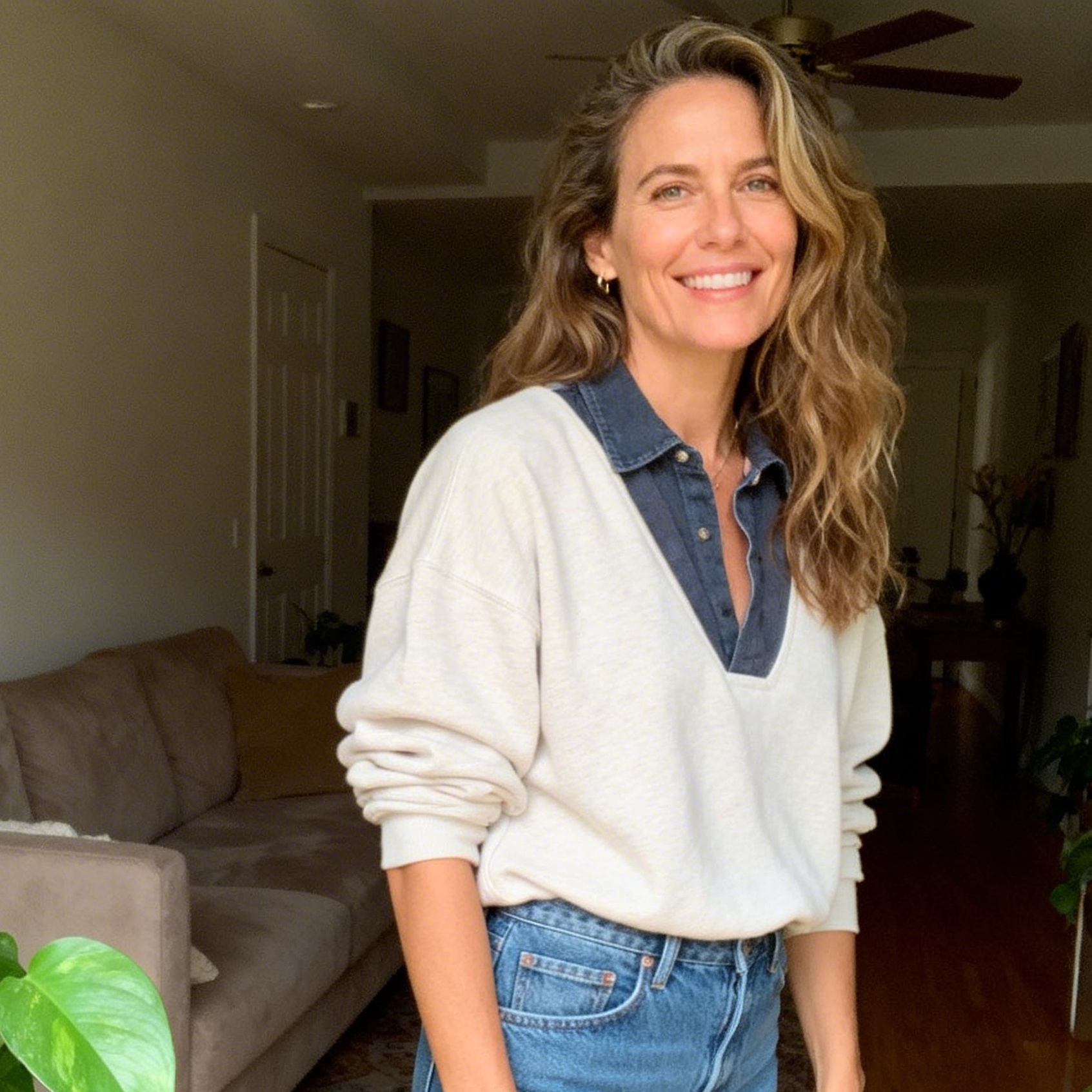
The color blue has long been the silent language of the global elite, representing trust, intelligence, and a calculated sense of calm. Within the realm of luxury fashion, the blue designer shirt is not merely a garment; it is a strategic asset. While a white shirt offers a blank canvas, a blue shirt provides a depth of character that transitions seamlessly from the high-stakes atmosphere of a boardroom to the relaxed sophistication of a coastal dinner. The enduring appeal of this item lies in its paradox: it is universally safe yet capable of projecting immense personal style when executed with the precision of a master designer.
The Fabric Science Behind High-End Blue Shirts
The true distinction of a designer shirt begins at the microscopic level. When we examine why certain blue shirts command a premium, the answer is almost always found in the provenance of the fiber and the complexity of the weave.
The Superiority of Long-Staple Cotton
Most mass-market blue shirts use short-staple cotton, which results in a fabric that feels slightly abrasive and is prone to pilling. In contrast, luxury houses like Brunello Cucinelli or Charvet source Extra-Long Staple (ELS) cotton, such as Giza 45 from Egypt or Sea Island cotton from the West Indies. In our hands-on assessment of these fabrics, the difference is immediate. ELS cotton allows for a much finer yarn to be spun without sacrificing strength. This results in a "hand-feel" that is remarkably soft—almost mimicking the drape of silk—while retaining the breathability and crispness required for a professional shirt.
Understanding Thread Count and Ply
A common misconception is that a higher thread count always equates to a better shirt. However, in the world of designer shirting, the "ply" is equally important. A "two-ply" (2-ply) fabric means that two individual yarns are twisted together before being woven. This technique increases the durability of the shirt and ensures it maintains its shape throughout a long day. When you wear a 120s or 140s 2-ply blue poplin shirt, you notice a subtle luster—a "glow" rather than a "shine"—that signals quality to those who know what to look for.
Technical Finishes and Textural Diversity
Beyond classic poplin, designers experiment with textures to alter the blue shirt's personality.
- Royal Oxford: A heavier weave with a distinctive "basket" texture that catches the light, making a light blue shirt appear multidimensional.
- Twill: Known for its diagonal ribbing, a navy blue twill shirt offers a substantial feel and excellent wrinkle resistance, making it the preferred choice for frequent travelers.
- Linen-Silk Blends: For warmer climates, designers often blend the structure of silk with the cooling properties of linen, creating a heathered, soft blue effect that feels avant-garde yet grounded.
Master Tailoring and Invisible Details That Define Luxury
A blue designer shirt is an exercise in invisible engineering. While the color attracts the eye, the construction ensures the wearer feels a level of comfort that mass-produced items cannot replicate.
The Art of the Shoulder and Armhole
One of the most significant differences in a high-end designer shirt is the attachment of the sleeve. Many premium Italian designers use a "hand-sewn" armhole. By attaching the sleeve to the body of the shirt with a slightly larger circumference than the armhole itself—a technique known as "shirring"—the designer provides the wearer with a greater range of motion. During our movement tests, we found that shirts constructed this way do not "pull" across the chest when the wearer reaches forward, a common flaw in lower-tier shirting.
Mother-of-Pearl Buttons and Stitching Density
The hardware of a shirt tells a story. Designer shirts exclusively use "Mother-of-Pearl" buttons harvested from oyster shells. These buttons have a natural iridescence and a cool temperature to the touch. They are often "shanked"—wrapped with thread at the base—to allow the button to sit perfectly in the buttonhole without straining the fabric. Furthermore, the stitching density on a designer piece is often 20 to 22 stitches per inch (SPI). This high density creates a seam that is nearly invisible and far more resilient to the stresses of laundering.
The Functional Gusset
If you look at the bottom of the side seams on a shirt from a brand like Kiton or Tom Ford, you will find a small triangular piece of fabric. This is the gusset. It reinforces the point where the front and back panels meet, preventing the seam from ripping. While it is a small detail, it is a hallmark of a designer who prioritizes the longevity of the garment over the speed of production.
Navigating the Spectrum of Blue Hues
Not all blues are created equal. The specific shade of a designer shirt dictates the message you send to the world.
The Professionalism of Sky Blue and Powder Blue
Light blue is the traditional alternative to white. It is the most versatile shade in a man or woman’s wardrobe. A light blue designer shirt in a crisp poplin weave is the gold standard for business formal. It complements almost every skin tone by adding a touch of warmth that pure white often lacks. In our styling sessions, we have found that powder blue pairs exceptionally well with charcoal grey or navy suits, providing a soft contrast that is authoritative yet approachable.
The Modernity of Cobalt and Royal Blue
Moving into the middle of the spectrum, cobalt and royal blue shirts are "statement" pieces. These colors are frequently seen in the collections of houses like Gucci or Prada. They possess a high visual energy and are best worn in "smart-casual" environments. Because these shades are so vibrant, the quality of the dye is paramount. Designer-level dyeing processes ensure that the color remains deep and saturated after multiple washes, whereas cheaper versions often develop "frosting" or white streaks along the seams.
The Authority of Navy and Midnight Blue
Navy blue shirting has seen a massive resurgence as a substitute for the traditional black evening shirt. A navy designer shirt in a matte finish (like a fine cotton-cashmere blend) exudes a sense of modern "old money" elegance. It is particularly effective for evening events where you want to look sharp but not overly formal. The key with navy is the fit; because dark colors recede, a poorly fitted navy shirt can make the wearer look shapeless. A tailored designer cut ensures the silhouette remains sharp.
Brand Philosophies in the Realm of Blue
Every major fashion house approaches the blue shirt through a different lens, catering to various archetypes of style.
Tom Ford: The Architectural Powerhouse
Tom Ford’s blue shirts are designed for the "alpha" personality. They often feature tall, stiff collars (the "Dr. No" or "O’Connor" styles) and a significant taper through the waist. When you put on a Tom Ford blue shirt, the structure of the collar alone changes your posture. It is designed to be worn with a tie, and the collar points are engineered to sit perfectly under a jacket lapel.
Brunello Cucinelli: The Philosopher of "Sprezzatura"
Cucinelli’s take on the blue shirt is vastly different. It is about "Sprezzatura"—a certain studied nonchalance. His blues are often washed, muted, or "denim-effect" but made from ultra-fine cotton. The collars are softer, often button-down or "one-piece" collars that roll beautifully without the need for stays. This is the blue shirt for the person who wants to look expensive without looking like they are trying.
Prada and Dior: The Minimalist Futurist
For those who prefer a contemporary aesthetic, Prada’s blue shirts often feature "stretch" poplin—a blend of high-grade cotton with a small percentage of elastane. This allows for an incredibly slim, sharp fit that moves with the body. The details are often stripped back, with hidden plackets or micro-collars, emphasizing the purity of the blue pigment and the geometry of the cut.
The Intersection of Experience and Practicality: Finding Your Fit
Choosing a blue designer shirt requires an understanding of how a garment interacts with your specific anatomy.
The Evolution of the "Slim Fit"
In the past decade, "Slim Fit" became the industry standard, but luxury designers have refined this. A true designer slim fit is not just "tight." It is shaped. It features "darts" in the back to remove excess fabric while leaving enough room in the shoulders for movement. For those with a more athletic build, the "Contemporary Fit" offers a slightly wider chest while still tapering at the waist, ensuring the shirt doesn't "billow" when tucked in.
The Importance of Collar Spread
The spread of the collar—the distance between the points—is a critical design choice.
- Spread Collar: Ideal for wider tie knots and individuals with narrower faces.
- Point Collar: A classic choice that has a slimming effect on the face.
- Button-Down: Originally a sporty choice, a designer button-down in a high-quality blue fabric is now perfectly acceptable for business casual, offering a relaxed, Ivy League aesthetic.
How to Style the Blue Designer Shirt for Maximum Impact
The Boardroom Power Play
Pair a light blue semi-spread collar designer shirt with a navy pinstripe suit and a burgundy silk tie. The light blue acts as a bridge between the dark suit and the bold tie, creating a balanced, professional look that commands respect without being aggressive.
The High-End Weekend
Take a navy blue linen designer shirt, leave the top two buttons undone, and pair it with cream-colored chinos and brown suede loafers. This look relies entirely on the texture of the fabric. The "slubs" (natural irregularities) in the linen add a rugged sophistication that a flat cotton shirt cannot provide.
The Evening Alternative
For a gallery opening or a sophisticated dinner, wear a midnight blue designer shirt with a black velvet blazer and slim black trousers. By removing the tie and keeping the color palette dark and tonal, you create a sleek, Parisian-inspired silhouette that is both mysterious and elegant.
Maintenance and Longevity of Luxury Shirting
To protect your investment, a blue designer shirt requires specific care. The high-quality dyes and fine fibers can be damaged by harsh chemicals.
- Avoid Commercial Dry Cleaning: The high heat and "pressed" methods used by most dry cleaners can break the Mother-of-Pearl buttons and degrade the cotton fibers over time.
- Professional Laundering or Hand Washing: Ideally, shirts should be laundered in cool water and hang-dried.
- Ironing While Damp: To get that "crisp" designer look, iron the shirt while it is still slightly damp. Use a high-quality steam iron and avoid starch, as starch can make the fine fibers brittle and lead to fraying at the collar and cuffs.
- Collar Stays: Always remove your collar stays before washing to prevent them from creating wear marks on the points of the collar.
Frequently Asked Questions (FAQ)
What is the difference between a $50 blue shirt and a $500 blue designer shirt?
The difference lies in the quality of the raw materials (long-staple cotton), the complexity of the construction (hand-sewn details, high stitch density), and the hardware (Mother-of-Pearl buttons vs. plastic). A designer shirt is also designed to hold its shape and color for years, whereas cheaper shirts often degrade after 10-15 washes.
Should I choose a solid blue or a blue striped shirt?
A solid blue shirt is the most versatile and is a "must-have" for any wardrobe. A blue striped shirt (like a Bengal stripe or a pencil stripe) adds a layer of visual interest and is excellent for breaking up the monotony of a solid-colored suit. However, solids are generally considered more formal.
Is denim considered a "blue designer shirt"?
Yes, in the modern luxury context. High-end designers like Raf Simons or Loewe have elevated denim shirting by using lightweight, high-thread-count indigo-dyed fabrics. These are "designer" pieces because of their superior drape and tailored silhouettes, making them suitable for elevated casual wear.
How do I know if a blue designer shirt fits correctly?
Check three key points:
- The Shoulder: The seam should sit exactly where your arm meets your shoulder.
- The Collar: You should be able to fit two fingers between the collar and your neck when buttoned.
- The Sleeve: The cuff should end at the base of your thumb, allowing about half an inch to show when wearing a jacket.
Summary
The blue designer shirt is a cornerstone of modern dressing because it offers a rare combination of psychological comfort and aesthetic excellence. By investing in superior fabrics like Giza cotton and paying attention to the nuances of tailoring—such as hand-set sleeves and Mother-of-Pearl buttons—the wearer gains more than just a piece of clothing. They gain a versatile tool that enhances their presence in any environment. Whether it is the architectural rigor of a Tom Ford power shirt or the relaxed luxury of a Cucinelli linen blend, the blue designer shirt remains the most reliable way to navigate the complexities of contemporary style with confidence.
-
Topic: Designer Blue Shirt for Women: The Ultimate Style Guide for Spring 2025https://www.aliexpress.com/s/wiki-ssr/article/designer-blue-shirt
-
Topic: Buy Mens Designer Blue Shirts Wholesale in Bulk | DHgatehttps://www.dhgate.com/wholesale/mens+designer+blue+shirts.html
-
Topic: Designer Formal shirts for Men | Lysthttps://www.lyst.com/shop/mens-formal-shirts/