Home
Home
Why There Is No Single Best AI Image Generator in 2026
The search for the best AI image generator often begins with a simple question, but the reality of the 2026 creative landscape demands a more nuanced answer. As generative models have matured, they have branched into highly specialized tools. Selecting the "best" model no longer depends on which AI is the smartest, but on what specific output is required: a photorealistic advertisement, an avant-garde concept piece, a logo with precise typography, or a commercially safe asset for a corporate campaign.
In the current market, the competition has solidified around a few titans, each dominating a specific niche. Midjourney remains the leader for artistic aesthetics; FLUX.1 has claimed the crown for photorealism; Ideogram leads in graphic design and text; and DALL-E 3 (integrated within ChatGPT) offers the most intuitive user experience. Understanding which AI is best to create images requires evaluating these tools against your technical proficiency, budget, and end-use goals.
The Professional Breakdown of Leading AI Image Models
Determining the ideal tool starts with identifying the primary strength of each model. While many platforms attempt to be general-purpose, our testing across thousands of prompts reveals distinct performance gaps.
Which AI Produces the Most Realistic Photos?
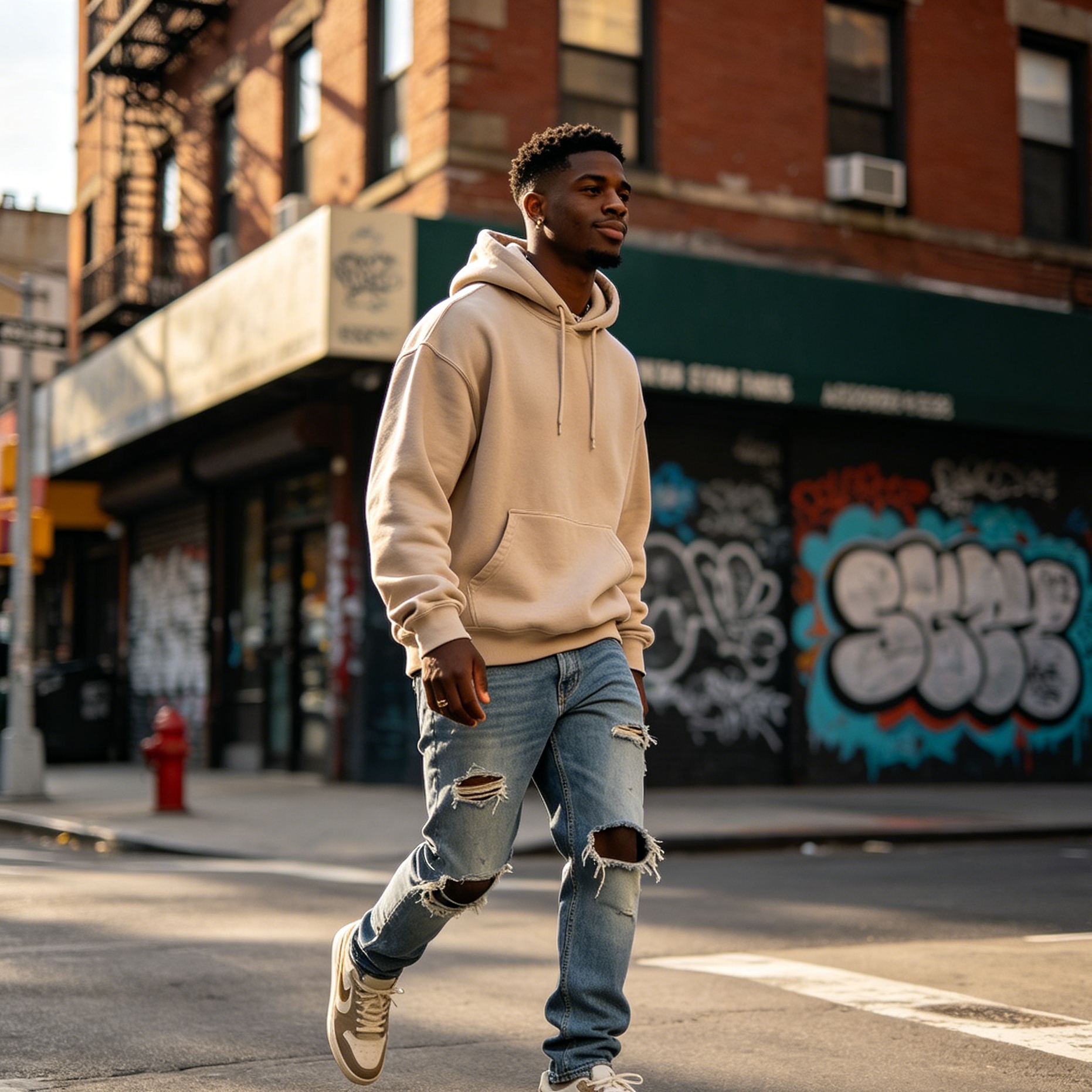
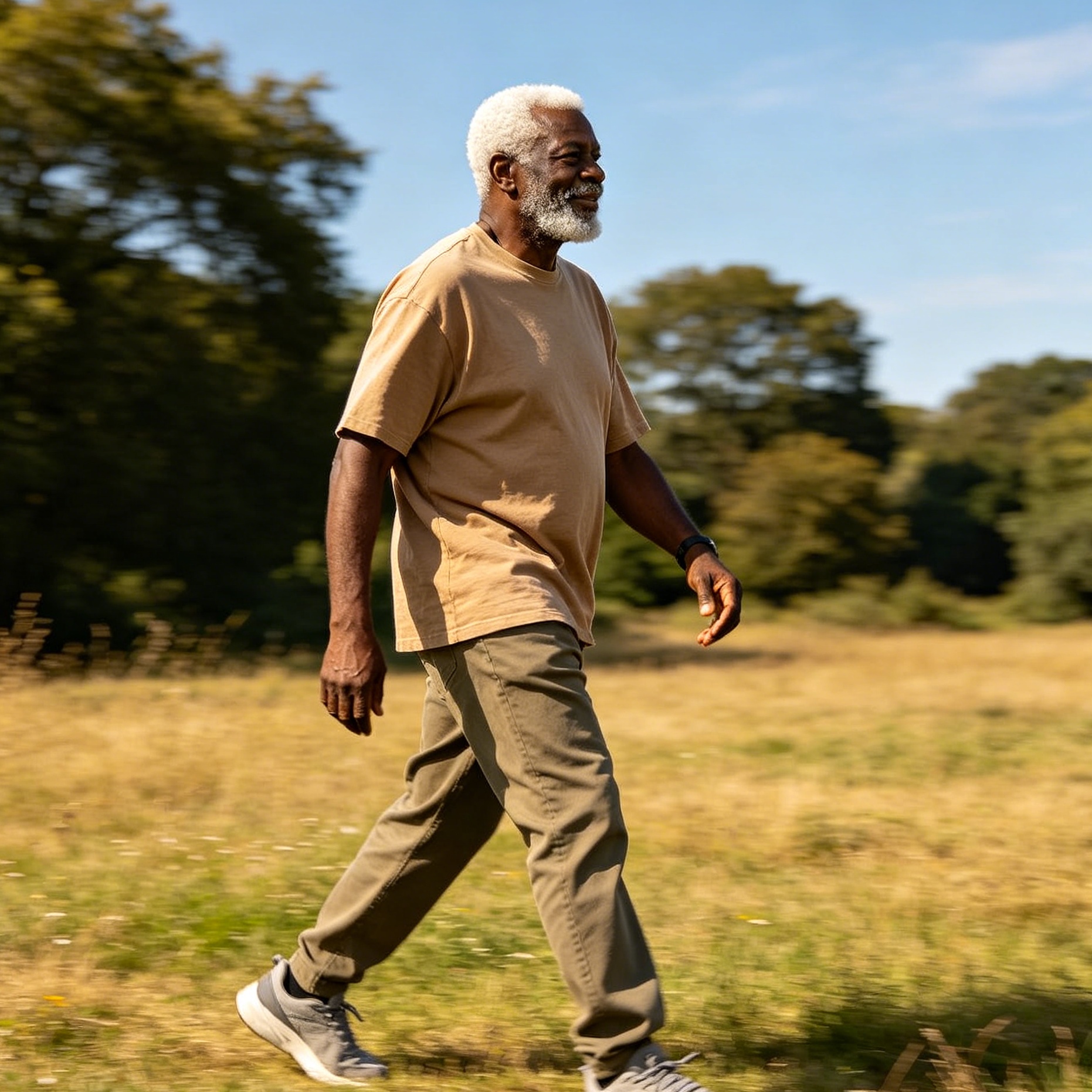
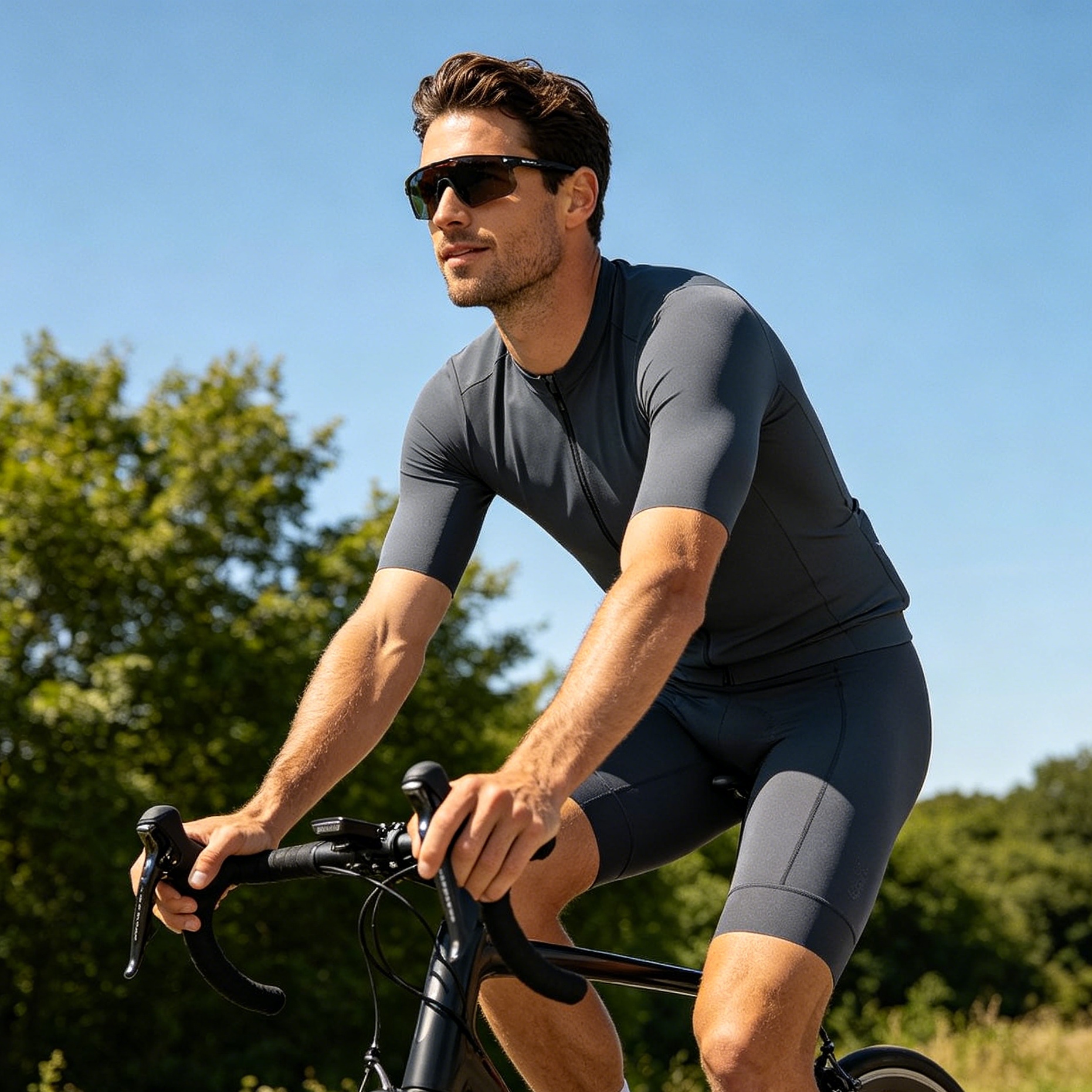
For users seeking absolute photorealism, FLUX.1 (developed by Black Forest Labs) currently sets the benchmark. Unlike earlier models that struggled with the "uncanny valley" effect—where human skin looks like plastic or eyes appear glassy—FLUX.1 renders textures, lighting, and anatomical details with frightening precision.
In our practical tests, we utilized the FLUX.1 [pro] model to generate high-end product photography mockups. The model handles complex lighting scenarios, such as "subsurface scattering on a grape" or "refractions in a crystal glass," with more accuracy than its competitors. From a hardware perspective, running the "Dev" or "Schnell" versions of FLUX locally requires significant power—typically a GPU with at least 24GB of VRAM for optimal speed—though cloud-based APIs have made this accessible to average users.
Key Strengths of FLUX.1:
- Skin Texture: Realistic pores, imperfections, and hair follicles.
- Prompt Adherence: High fidelity to complex, multi-subject descriptions.
- Open Weights: The ability to run locally for privacy and customization.
Is Midjourney Still the Gold Standard for Artistic Flair?
Despite the rise of photorealistic competitors, Midjourney continues to be the preferred choice for artists, illustrators, and concept designers. The "Midjourney aesthetic" is a real phenomenon; the model has an inherent sense of composition and color theory that makes even simple prompts look like curated pieces of art.
The introduction of version 6.1 and beyond has brought features like --cref (Character Reference) and --sref (Style Reference), which solve the long-standing issue of consistency. In a professional storyboard workflow, being able to maintain the same character across different scenes is vital. Midjourney handles this better than almost any other closed-source platform. However, the reliance on Discord as an interface remains a barrier for some, even with the rollout of the dedicated web alpha.
Why Artists Choose Midjourney:
- Creative Composition: It takes creative liberties that often result in better-looking images than what was specifically asked for.
- Style Tuning: The ability to "fine-tune" a personalized style using the
--personalizeparameter. - Upscaling Power: Built-in creative and subtle upscalers that add detail without changing the original intent.
How Ideogram Redefined Graphic Design and Typography
For years, the "Achilles' heel" of AI image generation was text. AI would produce "gibberish" or "hallucinated letters" when asked to include a simple word. Ideogram 2.0 has effectively solved this problem. It is arguably the best AI for creating logos, posters, t-shirts, and greeting cards where legible text is mandatory.
When we prompted Ideogram to create a "Neon sign for a 1950s diner that says 'Midnight Fuel' in script font," the results were flawless 95% of the time. Competing models like DALL-E 3 are improving, but Ideogram’s control over font styles, layout, and letter spacing is currently unmatched in the industry.
Evaluating User Experience and Conversational Workflows
For the average person who does not want to learn "prompt engineering," the best AI is the one that understands natural language. This is where the integration of DALL-E 3 within ChatGPT and Google’s Nano Banana (Gemini 3 Pro Image) shines.
The Power of DALL-E 3 and ChatGPT
DALL-E 3 is unique because it uses ChatGPT as a translator. You don't need to specify lighting types or camera lenses. You can simply say, "Draw a cat wearing a space suit on Mars," and ChatGPT will expand that into a 200-word descriptive prompt that DALL-E 3 can execute perfectly.
The conversational editing feature is a game-changer. If the AI generates an image but the cat’s suit is green instead of blue, you can simply type, "Make the suit blue," and the AI modifies the existing context. This "chat-to-edit" workflow makes it the best entry point for beginners and rapid prototyping.
Google Gemini and Nano Banana Pro
Google’s latest image generation models, often referred to as Nano Banana or Gemini Pro Image, have integrated deeply into the Google ecosystem (including Flow and NotebookLM). Their strength lies in their speed and their ability to generate images that feel grounded in reality while maintaining high text legibility. In our testing, Gemini’s models are particularly good at "instruction following"—if you ask for a specific aspect ratio or a specific number of objects, it tends to be more literal and accurate than the more "creative" Midjourney.
Commercial Safety and Enterprise Standards
For corporations, the "best" AI isn't just about quality; it's about legal indemnity. Using an AI trained on copyrighted material can lead to massive legal liabilities. This is where Adobe Firefly holds a massive advantage.
Why Adobe Firefly Is Essential for Business
Adobe Firefly is trained exclusively on Adobe Stock images, openly licensed content, and public domain content. This allows Adobe to offer a "commercial safety" guarantee to its enterprise clients. Furthermore, because it is integrated directly into Photoshop and Illustrator as "Generative Fill," it has become an invisible part of the professional designer's toolkit.
In our workflow tests, Firefly was used to extend the background of a vertical photo to fit a horizontal banner. The way it matches the grain, lighting, and focal depth of the original photo is seamless. It may not have the "artistic magic" of Midjourney, but for practical, daily design tasks, its utility is unmatched.
The Technical Edge: Control and Customization
For power users who need granular control over every pixel, Stable Diffusion (specifically SDXL and the newer SD3 models) remains the peak of the mountain.
Stable Diffusion and the Open Source Ecosystem
Stable Diffusion is not a single website but a model that can be installed on your own computer. This allows for:
- ControlNet: You can provide a sketch or a pose (a stick figure), and the AI will generate an image following that exact structure.
- LoRAs: Small, specialized files that can teach the AI a specific person’s face, a specific art style, or even a specific clothing brand.
- Local Privacy: Images are generated on your hardware, meaning no one else ever sees them.
However, the learning curve is steep. Setting up a local environment like Automatic1111 or ComfyUI requires a decent understanding of software and a powerful GPU. If you are a developer or a high-end creative director needing pixel-perfect control, this is the only logical choice.
Comparative Analysis: Performance Metrics
To help decide which AI is best for your specific needs, we have categorized the top performers based on four critical metrics: Photorealism, Artistic Aesthetic, Text Handling, and Ease of Use.
| Model | Photorealism | Artistic Flair | Text Legibility | Learning Curve |
|---|---|---|---|---|
| FLUX.1 | Excellent | Good | Good | Moderate |
| Midjourney | Very Good | Elite | Moderate | Moderate (Discord) |
| Ideogram | Good | Good | Elite | Low |
| DALL-E 3 | Moderate | Good | Very Good | Very Low |
| Adobe Firefly | Good | Moderate | Good | Low (In-App) |
| Stable Diffusion | Excellent | Good | Moderate | High |
How to Choose the Best AI Image Generator for Your Project
Choosing the right tool is a three-step process:
1. Identify Your Output Goal
- "I need a realistic photo of a person for a blog." -> Use FLUX.1. Its ability to render human features without the "AI look" is the current industry leader.
- "I want to create a fantasy book cover that looks magical." -> Use Midjourney. Its creative "engine" adds a level of aesthetic polish that other models lack.
- "I need a logo for my new coffee shop." -> Use Ideogram. You cannot afford for your brand name to be misspelled by the AI.
- "I need to edit a photo I already have." -> Use Adobe Firefly inside Photoshop.
2. Assess Your Hardware and Budget
If you have a $2,000 gaming PC with a high-end NVIDIA card, you should explore Stable Diffusion or FLUX (local). You will save money on subscriptions in the long run. If you are working on a standard laptop, a cloud subscription to Midjourney ($10-$30/month) or ChatGPT Plus ($20/month) is the better path.
3. Consider Legal Requirements
If you are working for a Fortune 500 company, you likely cannot use Midjourney or FLUX outputs without a thorough legal review. In these environments, Adobe Firefly is often the only approved tool due to its clean training data.
What is the Future of AI Image Generation?
As we look further into 2026, the trend is moving toward "multimodal" models. We are seeing a shift where the AI doesn't just generate an image from text, but understands the relationship between images, videos, and 3D space.
We are also seeing the rise of "Style Consistency" as the next major battlefield. Tools like Reve and Recraft are beginning to challenge the established players by offering even better tools for graphic designers who need to create an entire set of icons or illustrations that look exactly the same.
Summary
The "best" AI image generator is a moving target. In 2026:
- FLUX.1 is the king of Realism.
- Midjourney is the king of Art.
- Ideogram is the king of Typography.
- DALL-E 3 is the king of Accessibility.
- Adobe Firefly is the king of Commercial Safety.
- Stable Diffusion is the king of Control.
Most professional workflows now involve "model stacking"—using Ideogram to generate a logo, Midjourney to create the background art, and Firefly to stitch them together into a final product.
Frequently Asked Questions
Which AI image generator is free?
While most top-tier models require a subscription, there are high-quality free options. Leonardo AI offers a generous daily allowance of credits. Microsoft Designer (using DALL-E technology) is free for personal use. Additionally, if you have the hardware, Stable Diffusion and FLUX.1 Schnell are free to download and run locally forever.
Who owns the copyright to AI-generated images?
This is a complex legal area that varies by country. In the United States, the Copyright Office has generally ruled that AI-generated images without significant human intervention cannot be copyrighted. However, using tools like Adobe Firefly gives you a license to use the output commercially, even if you don't "own" the copyright in the traditional sense. Always check the Terms of Service of the specific tool you are using.
Can AI generate images with text?
Yes, this has been the major breakthrough of 2025 and 2026. Ideogram 2.0 and DALL-E 3 are the most reliable for text. They can handle everything from short slogans to complex layouts, though they may still struggle with very long paragraphs of text within an image.
What is the best AI for creating consistent characters?
Midjourney is currently the leader in character consistency thanks to its --cref parameter. By providing a URL to an image of a character, you can tell the AI to maintain that character’s face, hair, and clothing across different prompts and environments.
Do I need to be good at drawing to use these tools?
No. These tools are designed to turn natural language into visual data. However, having a "good eye" for composition, lighting, and art history will help you write better prompts and achieve superior results. The skill has shifted from "execution" (drawing) to "curation and direction" (prompting).
-
Topic: Best AI Image Generators of 2025 - CNEThttps://www.cnet.com/tech/services-and-software/best-ai-image-generators/?trk=article-ssr-frontend-pulse_little-text-block
-
Topic: The 8 best AI image generators in 2026 | Zapierhttps://zapier.com/blog/best-ai-image-generator/
-
Topic: Best AI Image Generators of 2025 - CNEThttps://www.cnet.com/tech/services-and-software/best-ai-image-generators/?utm_source=imaginepro.ai