Home
Home
Why Top AI Generators Are Transforming Your Holiday Photos This Christmas
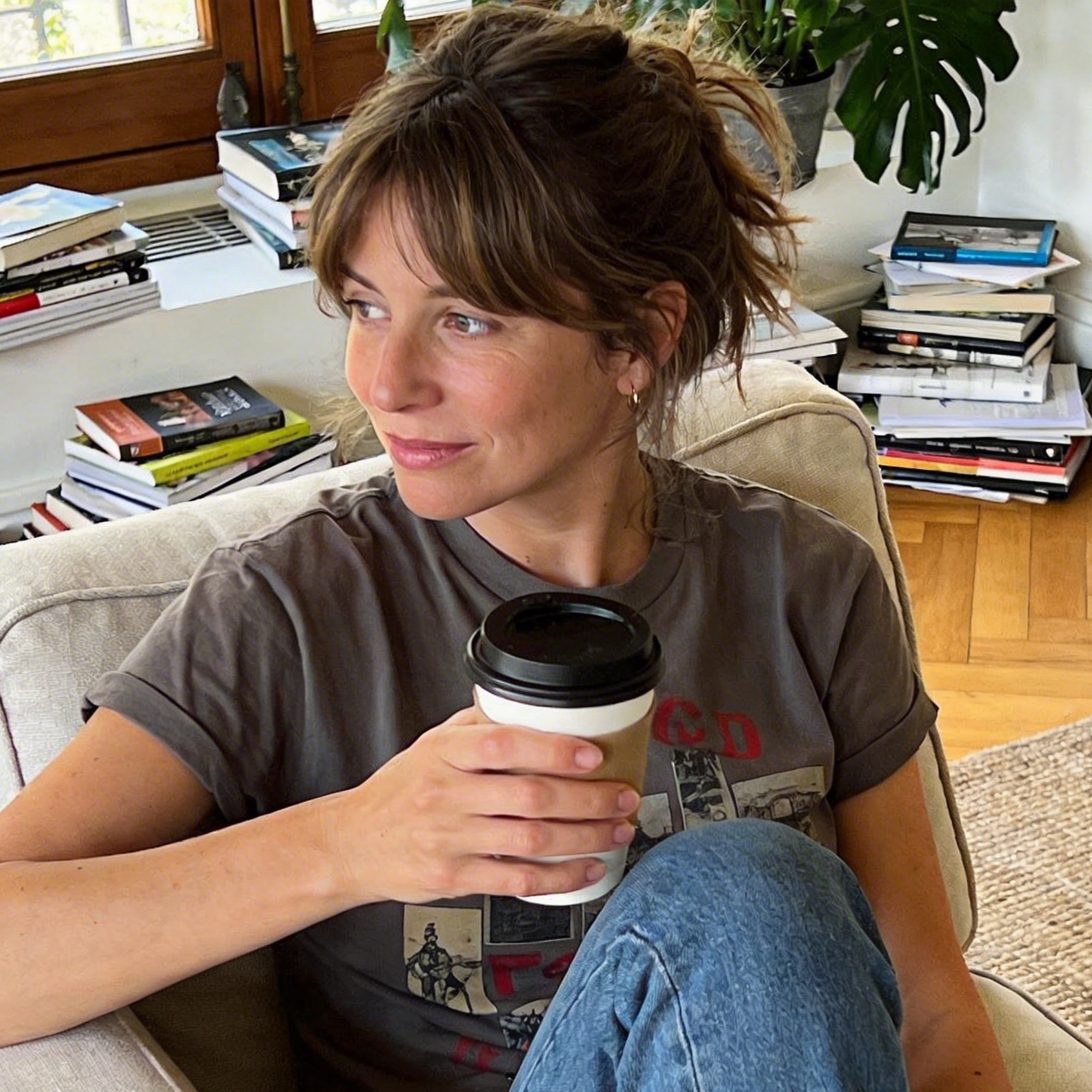
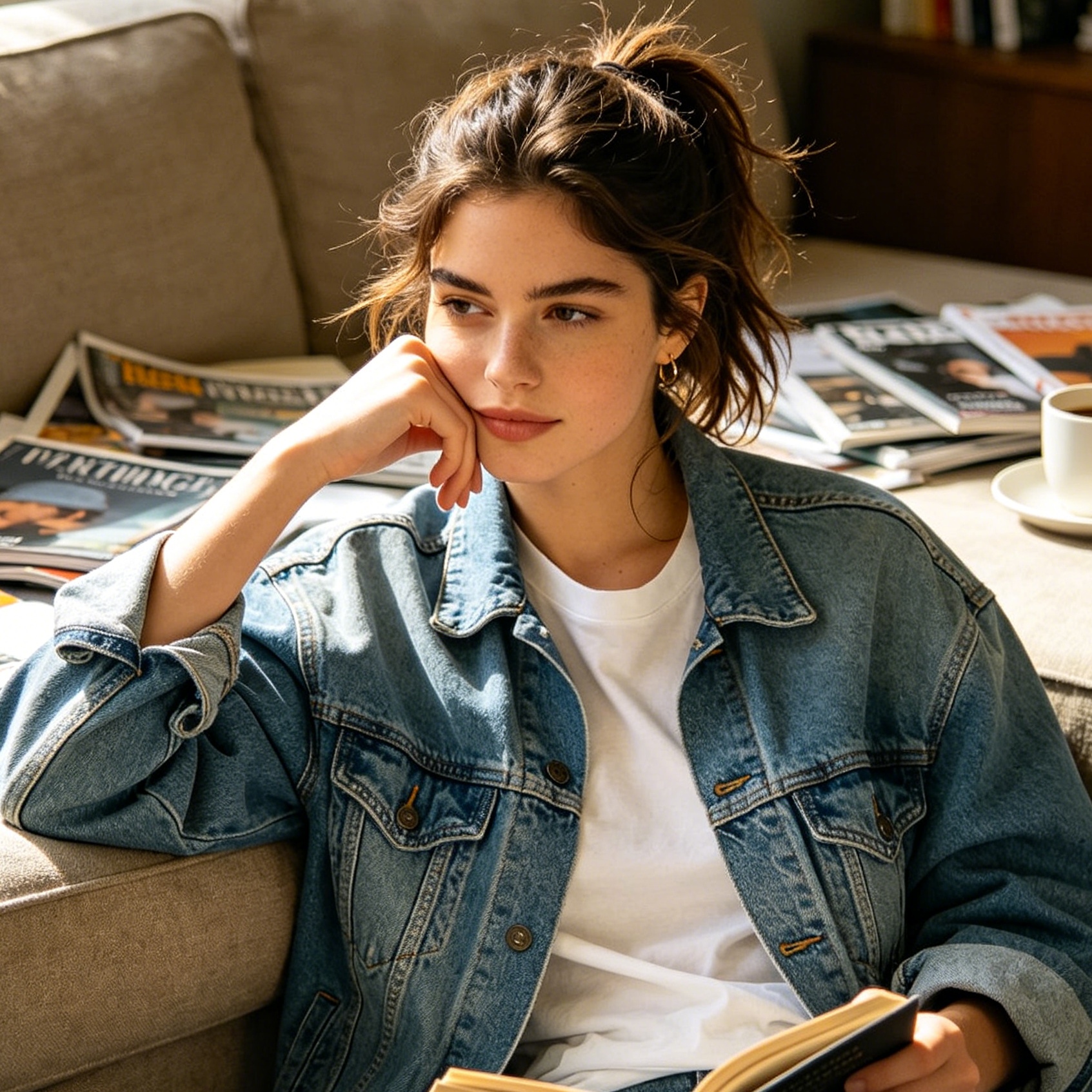
The tradition of holiday photography is undergoing a seismic shift. For decades, the standard procedure involved booking a photographer months in advance, coordinating outfits for the whole family, and spending hundreds of dollars on a one-hour studio session that often resulted in stressed children and forced smiles. Today, generative artificial intelligence has dismantled this barrier to entry. AI Christmas photo generators now allow anyone to create studio-quality festive imagery from their living room using nothing more than a few selfies and a well-crafted text prompt.
This evolution in content creation is not merely about convenience; it is about the democratization of high-end aesthetics. By leveraging sophisticated diffusion models, these tools can simulate professional lighting, realistic textures, and complex holiday environments that would be nearly impossible to stage physically. Whether the goal is a hyper-realistic family portrait by a crackling fireplace or a whimsical depiction of a pet as one of Santa's elves, AI has made these visions accessible in seconds.
The Technical Mechanism Behind Festive AI Generation
To understand why these tools have become so effective, one must look at the underlying workflow. Most modern AI Christmas photo generators operate on a sophisticated four-stage pipeline designed to maintain subject identity while completely transforming the environment.
Subject Analysis and Identity Mapping
When a user uploads a base image, the AI does not simply "paste" the face onto a new background. Instead, it performs a deep facial feature analysis. It maps the geometry of the face, the spacing of the eyes, and the unique contours of the jawline. Advanced tools like Pose AI use "identity-locking" algorithms to ensure that the subject remains recognizable across hundreds of different festive variations, preventing the "uncanny valley" effect where the generated person looks like a generic stranger.
Style Transfer and Environmental Synthesis
The core of the "Christmas magic" lies in the style selection phase. The AI references a vast library of festive datasets—comprising high-resolution images of knit textures, bokeh lighting, pine needles, and warm interior palettes. When a user selects a "Cozy Cabin" theme, the AI synthesizes a new environment by predicting where shadows would fall based on the simulated fireplace light and how the light would reflect off the subject’s skin.
The Denoising Process
Using Latent Diffusion Models (LDM), the generator starts with a canvas of random noise and iteratively refines it toward the target prompt. This is why users often see the image "emerging" from a blur during the generation process. The result is a high-resolution, often 4K, image that maintains the integrity of the original subject while placing them in a flawlessly rendered holiday scene.
Deep Dive into the Top AI Christmas Photo Generators
Not all generators are created equal. The market has branched into specialized categories, each catering to different creative needs, from quick social media updates to professional-grade holiday cards.
PiXmas and Pose AI: The Specialists in Portrait Consistency
For those focused on creating a vast array of portraits for social media profiles or digital greetings, PiXmas has emerged as a frontrunner. In our testing of the PiXmas mobile interface, the standout feature was its speed. By uploading a single well-lit selfie, the engine generated over 50 variations within three minutes.
However, Pose AI offers a slightly more advanced experience for users concerned with anatomical accuracy. While many free AI tools struggle with finger placement or ear shapes, Pose AI’s underlying model maintains a strict skeletal map of the subject. In our comparison, Pose AI consistently outperformed competitors in "Action" shots—such as the subject pretending to hang an ornament or holding a cup of cocoa—where limb positioning is critical.
CapCut Web: The Integrated Creative Agent
CapCut, widely known for its video editing prowess, has introduced an AI design agent powered by the SeeDream 4.0 model. This tool is particularly effective for users who want a "one-stop-shop" for their holiday content.
The SeeDream 4.0 engine specializes in hyper-realistic textures. When generating a "Christmas sweater" prompt, the AI doesn't just apply a flat pattern; it simulates the individual knit loops and the way the fabric bunches at the elbows. Furthermore, CapCut’s integration allows users to take a generated image and immediately add festive typography, motion filters, or background music, making it the ideal choice for creating Instagram Reels or TikTok holiday announcements.
Aragon AI: Achieving the Professional Studio Look
If the objective is to replace a $500 professional photoshoot, Aragon AI is the most viable candidate. Originally designed for professional headshots, Aragon’s holiday module applies a rigorous lighting simulation that mimics a three-point studio setup (key, fill, and backlighting).
In our practical evaluation, Aragon’s output quality was noticeably superior in terms of "Depth of Field." The AI creates a natural-looking bokeh effect where the background Christmas tree lights are soft and blurred, while the subject’s eyes remain tack-sharp. This level of optical simulation is typically reserved for high-end DSLR cameras with wide-aperture lenses.
Adobe Firefly and Photoshop: The Peak of Creative Control
For professional designers or enthusiasts who want to dictate every element of the scene, Adobe Firefly (integrated into Photoshop) remains the industry benchmark. Unlike one-click apps, Firefly allows for "Generative Fill."
For example, you could take a standard photo of your living room, highlight a corner, and prompt the AI to "Add a 7-foot Nordmann Fir decorated with vintage Victorian ornaments and warm white lights." The AI will analyze the existing room lighting and ensure the tree’s shadows match the environment perfectly. This level of granular control is unmatched but requires a steeper learning curve than dedicated holiday apps.
Masterclass in Festive Prompt Engineering
The quality of an AI-generated Christmas photo is directly proportional to the detail provided in the text prompt. A generic prompt like "Me at Christmas" will yield generic results. To get the best out of models like Midjourney or SeeDream 4.0, a structured approach is necessary.
The Recipe for a High-Value Prompt
A professional-grade prompt should follow this structure: [Subject] + [Action/Pose] + [Attire] + [Specific Environment] + [Lighting/Mood] + [Technical Specs].
Scenario 1: The Classic Cozy Interior
- Prompt: "A family of four laughing together on a plush beige rug, wearing matching red and white Nordic knit sweaters, sitting in front of a grand stone fireplace with a roaring fire, a towering Christmas tree with golden ornaments and twinkling lights in the background, soft warm golden hour lighting, cinematic composition, photorealistic style, 8k resolution, highly detailed textures."
Scenario 2: The Whimsical Winter Wonderland
- Prompt: "A young woman standing in a snow-covered pine forest at twilight, wearing a heavy emerald green velvet cloak with fur trim, holding a glowing vintage lantern that casts a warm orange light on her face, snowflakes gently falling, soft blue moonlight in the background, magical atmosphere, shot on 35mm film, ethereal aesthetic."
Scenario 3: The Festive Pet Portrait
- Prompt: "A golden retriever sitting proudly wearing a pair of reindeer antlers and a small red bow tie, surrounded by colorful wrapped presents, a blurred festive living room in the background, bright and cheerful high-key lighting, macro photography, sharp focus on the dog's eyes, vibrant holiday colors."
Optimizing Input Data for Superior Results
The old adage "garbage in, garbage out" applies perfectly to AI image generation. Even the most powerful engine cannot fix a poorly lit, low-resolution source photo without introducing artifacts or losing the subject’s likeness.
Lighting is Everything
When taking the source photo for the AI to analyze, use natural, even light. Avoid harsh overhead lights that create deep shadows under the eyes (the "raccoon" effect) or bright backlighting that turns the face into a silhouette. A photo taken facing a window during a cloudy day is often the perfect baseline for AI training.
Angle and Expression
Choose a photo where the head is at a natural angle. If the source photo features a heavy tilt or a distorted perspective, the AI may struggle to map the facial features onto the festive template correctly. A neutral smile or a gentle "holiday cheer" expression works best; exaggerated faces often lead to distorted results in the final generation.
Resolution and Framing
Ensure the subject's head and shoulders occupy at least 60% of the frame. High-resolution source images allow the AI to capture fine details like the texture of the hair and the glint in the eyes, which are essential for a realistic final product.
Privacy, Ethics, and Data Security in AI Photography
As with any tool that requires the uploading of personal biological data (your face), caution is warranted. Before choosing a generator, users should investigate the platform’s data retention policies.
- Data Usage: Does the company use your uploaded photos to further train their public models? Reputable tools like Adobe and Aragon have clear opt-out or non-usage policies for personal uploads.
- Server Deletion: Look for services that promise to delete raw source images after the model training or generation process is complete.
- Deepfake Risks: Avoid using these generators to create images of people without their explicit consent. While the intent may be a harmless holiday card, the unauthorized use of someone’s likeness is a significant ethical and, in some jurisdictions, legal violation.
Cost-Benefit Analysis: AI vs. Traditional Photoshoots
For a typical family, the cost of a professional Christmas photoshoot breaks down as follows:
- Photographer Fee: $200 - $500
- Outfit Coordination: $100 - $200
- Travel and Time: 3-5 hours
- Final Edits: Often takes 2 weeks to receive files.
In contrast, a premium AI generator subscription (like Aragon or a Canva Pro account) typically costs between $15 and $60. The "photoshoot" happens in minutes, and the variations are infinite. While AI cannot yet fully replace the emotional experience of a physical family outing, for the purpose of creating high-quality visual assets for cards and social media, the ROI of AI is undeniably higher.
Summary of the Digital Holiday Transformation
The rise of AI Christmas photo generators represents a shift toward personalized, high-efficiency creativity. Tools like PiXmas and Pose AI offer unparalleled speed for portrait generation, while Aragon AI provides a sophisticated alternative to studio photography. For those integrated into the social media ecosystem, CapCut Web serves as a powerful design agent, and Adobe Firefly remains the ultimate tool for bespoke creative control. By mastering the art of prompt engineering and providing high-quality source images, anyone can now produce festive imagery that was once the exclusive domain of professional studios.
FAQ: Frequently Asked Questions About AI Christmas Photos
What is the best AI Christmas photo generator for free?
While many tools offer a few free credits, CapCut Web and certain browser-based tools using Stable Diffusion models are currently the most accessible free options. However, for high-resolution results without watermarks, a small one-time payment or subscription is usually required.
Can I use AI to create a Christmas photo of my cat or dog?
Yes. Most advanced generators like Midjourney and Adobe Firefly excel at pet photography. You can upload a photo of your pet and use prompts to place them in festive scenes, such as sitting in a stocking or wearing a Santa hat.
How do I make my AI Christmas photo look more realistic?
The key to realism lies in the "Lighting" and "Technical Specs" part of your prompt. Using terms like "depth of field," "bokeh," "warm golden hour lighting," and "shot on 85mm lens" helps the AI simulate the optical properties of a real camera.
Is it safe to upload my family photos to these AI tools?
Safety depends on the specific tool. Always read the privacy policy. Stick to well-known platforms like Adobe, Canva, or specialized professional tools like Aragon, which have stricter data protection standards compared to obscure, ad-heavy mobile apps.
Can I print AI-generated Christmas photos for physical cards?
Absolutely. Most premium tools allow for 4K resolution downloads. When printing, ensure you select a high-quality JPEG or PNG format. A 4K image is typically sufficient for a standard 5x7 inch holiday card at 300 DPI (dots per inch).
-
Topic: Top 5 AI Christmas Photo Generators: Create Your Perfect Holiday Photohttps://www.capcut.com/resource/ai-christmas-photo
-
Topic: Top 10 Best AI Christmas Photoshoot Generator (2026 Review)https://gitnux.org/best/ai-christmas-photoshoot-generator/
-
Topic: AI Christmas Image Generator - Create Stunning Holiday Images | PhotoryAIhttps://seedreamina.com/christmas-image-generator