Home
Home
Why Walter Writes AI Is Becoming the Essential Tool for Humanizing AI Content

The surge in generative artificial intelligence has fundamentally altered the landscape of digital writing. While tools like ChatGPT, Claude, and Gemini can produce thousands of words in seconds, they often leave behind a distinct "digital fingerprint." This robotic rhythm, characterized by predictable word choices and uniform sentence structures, has led to the rapid development of AI detection software used by search engines, educational institutions, and editorial teams. In this environment, Walter Writes AI has emerged as a critical bridge between the efficiency of artificial intelligence and the authentic nuance of human expression.
Walter Writes AI is a specialized platform designed to refine AI-generated drafts into text that is indistinguishable from human writing. By integrating a sophisticated AI humanizer with a real-time detection engine, the tool allows writers to maintain high production speeds while ensuring their content retains the warmth, complexity, and unpredictability that define human thought.
The Linguistic Mechanics of Walter Writes AI
To understand why a tool like Walter Writes AI is necessary, one must first understand how AI detection works. Most detectors rely on two primary metrics: perplexity and burstiness. Perplexity measures the complexity of a text; AI tends to choose the most statistically probable next word, resulting in low perplexity. Burstiness refers to the variation in sentence length and structure. Humans naturally vary their rhythm—short, punchy sentences followed by long, descriptive ones. AI, conversely, often produces a monotonous, steady flow.
Walter Writes AI addresses these specific markers through a multi-layered rewriting process. Instead of simple synonym swapping, which many basic paraphrasers use, Walter Writes restructures the very architecture of the content.
The Role of the AI Humanizer
The core feature of the platform, the AI Humanizer, acts as a linguistic filter. When a user inputs a draft, the tool analyzes the underlying intent and meaning. It then reconstructs the sentences to introduce what linguists call "natural noise." This includes:
- Varying Sentence Cadence: Breaking up long, repetitive AI structures to create a more engaging reading experience.
- Contextual Vocabulary Adjustment: Replacing generic AI terms with industry-specific terminology or more descriptive adjectives that fit the specific tone of the piece.
- Structural Reorganization: Changing the flow of arguments to reflect how a human might prioritize information, rather than following a strict, predictable logical progression.
Integrated AI Detection and Scoring
One of the most valuable aspects of Walter Writes AI is its built-in feedback loop. Unlike other tools where you must humanize and then export the text to a separate detector, Walter provides an "authenticity score" instantly. This score acts as a benchmark, indicating how the text is likely to be perceived by major detectors such as GPTZero, Turnitin, and Originality.ai. This real-time validation allows for iterative refinement, ensuring the final output meets the specific needs of the user before it is ever published or submitted.
Putting Walter Writes AI to the Test: A Practical Perspective
In the professional content sphere, efficiency is nothing without quality. When managing high-volume content projects, the primary challenge is not generating the ideas, but ensuring those ideas resonate with a human audience and satisfy the quality guidelines of modern platforms.
In our practical implementation of Walter Writes AI, we observed a significant shift in how AI drafts were processed. For instance, when taking a standard 800-word article generated by GPT-4o—which initially triggered a "100% AI" flag on most detectors—the application of the "Enhanced" rewrite mode transformed the result. The revised text typically achieved a "90% or higher Human" score. More importantly, the readability improved; the transitions became smoother, and the overall tone shifted from an informative manual to a conversational expert opinion.
Selecting the Right Rewrite Strength
Walter Writes AI offers different levels of humanization, typically categorized into Simple, Standard, and Enhanced modes. Choosing the right one depends on the stakes of the content:
- Simple Mode: Best for low-stakes internal communications or quick updates where you just want to remove the most obvious AI tells without drastically changing the word count.
- Standard Mode: The balanced choice for blog posts and marketing copy. It provides enough structural variation to pass most commercial detectors while keeping the original meaning highly precise.
- Enhanced Mode: The most aggressive setting, designed for high-sensitivity environments like academic submissions or premium editorial content. This mode performs deep-level restructuring to ensure the highest possible human score.
How Different Industries Are Leveraging Walter Writes AI
The utility of a humanizer tool extends far beyond simple evasion of detectors; it is about reclaiming the voice of the author in an automated age.
The Evolution of Content Marketing and Outreach
For marketing professionals, the risk of "AI fatigue" is real. Audiences are becoming increasingly adept at spotting generic, AI-written emails and blog posts. Using Walter Writes AI allows marketers to scale their efforts without sacrificing the personal touch that builds trust. When sales outreach emails are humanized, they often see higher open and response rates because they lack the "uncanny valley" feel of raw AI output.
Furthermore, in the realm of organic growth, platforms have become increasingly sophisticated in identifying low-effort, automated content. By using a humanizer, content teams can ensure their work signals high quality and genuine expertise, which are the cornerstones of long-term digital visibility.
Academic Integrity and the Polish of Research
In the academic world, the discussion surrounding AI is complex. Many students and researchers use AI as a collaborative tool—to help organize thoughts, summarize dense papers, or brainstorm structures. However, even original work that has been lightly polished by AI can sometimes trigger false positives in detectors like Turnitin.
Walter Writes AI provides a safety net for these users. It allows students to take their AI-assisted drafts and refine them into authentic, natural-sounding academic writing that follows institutional guidelines. By focusing on maintaining the student's original intent and meaning, the tool helps protect academic integrity while allowing for the responsible use of modern technology.
Business Communications and Corporate Branding
Executive summaries, client proposals, and legal briefs require a level of polish and confidence that raw AI often fails to deliver. Walter Writes AI helps business leaders rework AI-generated text to match a specific brand voice. Whether the goal is to sound authoritative and formal or innovative and approachable, the tool’s ability to adjust tone ensures that corporate communications land with the intended impact.
The Global Reach: Humanizing in Over 80 Languages
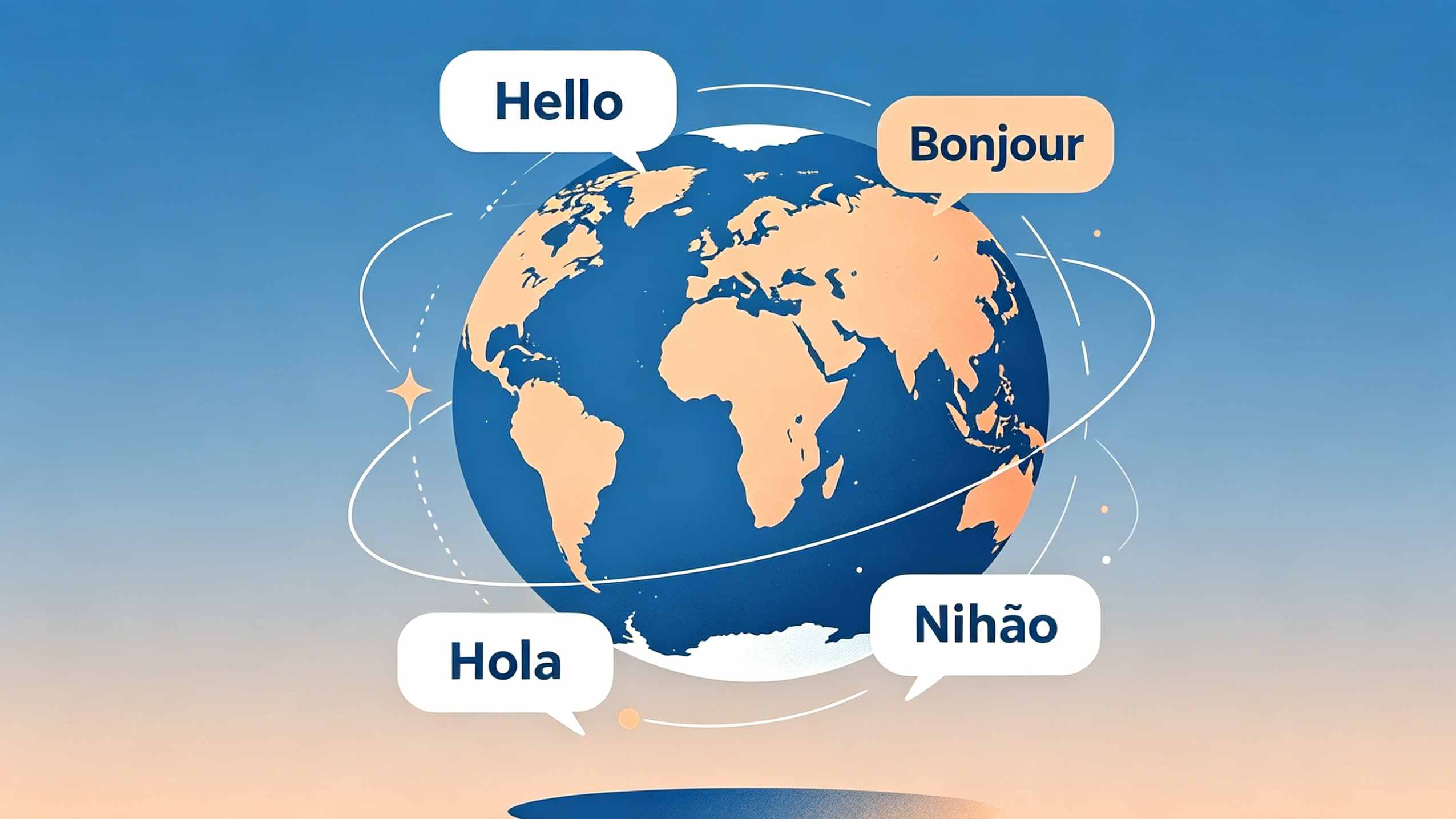
One of the standout features of Walter Writes AI is its extensive multilingual support. AI detectors are not limited to English; they are increasingly effective across Spanish, French, German, Chinese, and many other languages. Walter Writes facilitates the humanization of content in over 80 languages, making it an invaluable asset for global companies.
Translating content using AI often results in stiff, grammatically correct but culturally "flat" text. Walter Writes goes a step further by adjusting for regional nuances and linguistic patterns specific to each language. This ensures that a humanized Spanish article feels as natural to a native speaker in Madrid as it does to one in Mexico City.
How Does Walter Writes AI Work?
The workflow of the platform is designed for simplicity and speed, catering to professionals who need to process large amounts of text without a steep learning curve.
- Drafting the Foundation: The user starts by generating their initial draft using an AI assistant like Claude or ChatGPT. This provides the raw information and structure.
- Input and Analysis: The draft is pasted into the Walter Writes interface. The system immediately begins an initial scan to identify the most significant AI patterns.
- Humanization Processing: The user selects their desired rewrite strength. The engine then goes to work, rephrasing, restructuring, and varying the linguistic rhythm of the text.
- Verification and Export: The tool presents the humanized version alongside an updated AI-likelihood score. If the score is satisfactory, the user can copy the polished text, ready for submission or publication.
Why Plain Paraphrasers Often Fail Where Walter Writes Succeeds
Many users mistakenly believe that any paraphrasing tool can bypass AI detection. However, standard paraphrasers often rely on simple synonym replacement. For example, changing "The car is fast" to "The automobile is quick" does not change the underlying statistical pattern of the sentence.
Advanced detectors look at the "predictability" of the word choices in sequence. Walter Writes AI succeeds because it understands these sequences. It might change the structure entirely to "Navigating the highway, the vehicle demonstrated remarkable speed," which shifts the grammatical focus and introduces a completely different statistical signature. This structural-level rewriting is the key to creating truly undetectable content.
The Ethics of AI Humanization
As with any powerful tool, the use of Walter Writes AI comes with a responsibility to act ethically. The platform is best used as a finishing tool—a way to polish and enhance the delivery of one’s own ideas. It is not intended to replace the critical thinking and unique insights that only a human author can provide.
The most successful users of Walter Writes AI are those who treat it as a professional editor. They provide the core concepts, the data, and the unique perspective, and then use the tool to ensure those elements are presented in a way that is clear, engaging, and free from the distractions of robotic phrasing.
Summary of the Value Proposition
Walter Writes AI addresses the most pressing challenge of the AI writing era: the need for authenticity at scale. By combining high-level humanization technology with an integrated detection system, it provides a comprehensive solution for anyone who relies on AI for content creation but requires a human-level finish.
- Accuracy: Reduces false positives in detection software by focusing on burstiness and perplexity.
- Versatility: Supports a wide range of industries, from academic research to global SEO marketing.
- Efficiency: Streamlines the workflow by combining rewriting and detecting in a single interface.
- Global Capability: Bridges the linguistic gap in over 80 different languages.
Frequently Asked Questions (FAQ)
What is Walter Writes AI exactly?
Walter Writes AI is a specialized platform that humanizes AI-generated text. It takes content produced by models like ChatGPT and rewrites it to sound more natural, helping it bypass AI detection tools and resonate better with human readers.
Can Walter Writes AI bypass Turnitin and GPTZero?
While no tool can guarantee 100% success due to the constantly evolving nature of AI detection algorithms, Walter Writes AI is specifically engineered to reduce the markers that tools like Turnitin and GPTZero look for. Many users report high success rates in achieving "Human" scores after using the Enhanced rewrite mode.
Is the humanized content plagiarism-free?
Yes. Walter Writes AI focuses on rewriting the structure and phrasing of your content while preserving the original meaning. The output is original and designed to pass standard plagiarism checks as well as AI detection scans.
Does the tool support languages other than English?
Absolutely. Walter Writes AI supports over 80 languages, allowing users worldwide to humanize their AI-generated drafts in their native tongue while maintaining cultural and linguistic accuracy.
Is there a free version of Walter Writes AI available?
Most users can start with a limited free trial, often allowing for the humanization of a specific number of words (typically around 300) to test the quality of the output before committing to a subscription plan.
How does Walter Writes AI differ from a regular rewriter?
Standard rewriters often just swap synonyms. Walter Writes AI uses a hybrid engine that understands linguistic patterns, varying sentence length and complexity (burstiness and perplexity) to mimic the way humans actually write.
Conclusion
The tension between AI efficiency and human authenticity will continue to define the digital landscape for the foreseeable future. Tools like Walter Writes AI are not just about "tricking" an algorithm; they are about ensuring that the convenience of technology does not come at the cost of the human voice. By refining the robotic output of large language models into something nuanced and engaging, Walter Writes AI allows creators to navigate the new world of content with confidence, ensuring their work is heard, trusted, and valued.
-
Topic: Humanize, Detect, and Rewrite AI Content - Walter Writes AIhttps://walterwrites.ai/?category=company-updates
-
Topic: Walter Writes AI: Humanize AI Text, Bypass Detectorshttps://navtools.ai/tool/walter-writes-ai?ref=embed
-
Topic: About Walter Writes AI – Industry Leader and Most Trusted AI Humanizer & Detector Toolshttps://walterwrites.ai/about/?anon_id=822bf740-9048-42bf-ae55-7fb2304f0095